Converting US dollars (USD) to Jamaican dollars (JMD) is a common transaction for Canadians sending money to family, conducting business, or traveling to Jamaica. The exchange rate between these currencies is determined by global foreign exchange markets and fluctuates based on economic factors in both the United States and Jamaica. Canadians have several options for conversion, including banks, credit cards, and specialized money transfer services, each with different fees and exchange rate margins. Understanding how the rate is set and the costs involved can help individuals make more informed financial decisions when moving money internationally.
Understanding the US Dollar and Jamaican Dollar
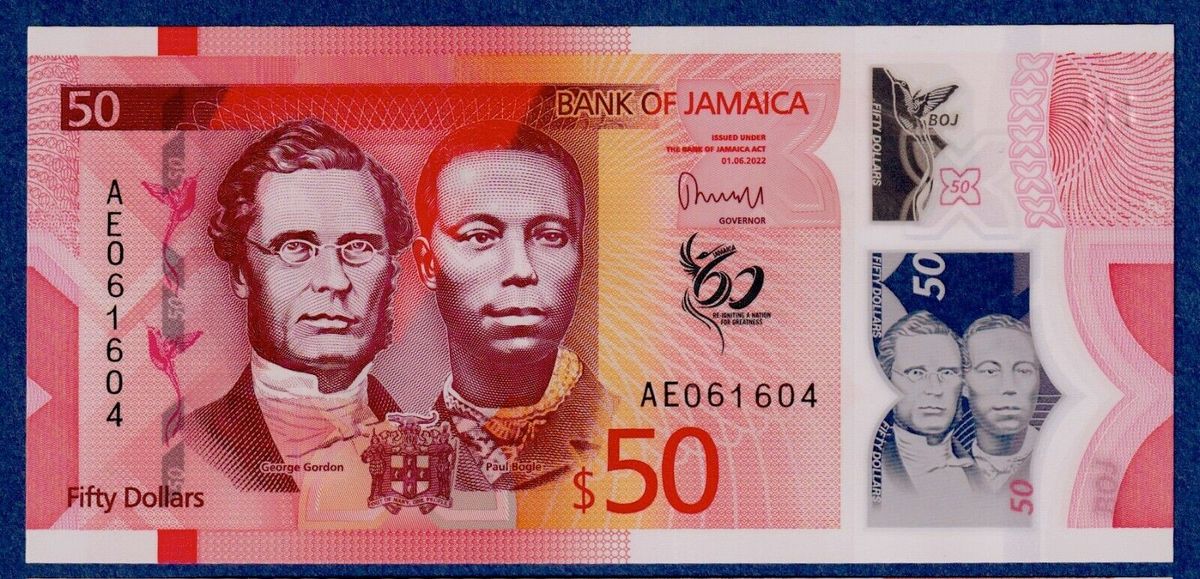
The United States dollar is the official currency of the United States and is one of the world's primary reserve currencies, denoted by the code USD and the symbol $. The Jamaican dollar is the official currency of Jamaica, denoted by the code JMD and the symbol J$. The exchange rate between them expresses how many Jamaican dollars are needed to purchase one US dollar. This rate is a floating exchange rate, meaning its value is not fixed by either government but instead is determined by the foreign exchange market through the trading of currencies. The most accurate reflection of the currency pair's value is the mid-market rate, which is the midpoint between the global buy and sell prices. This rate serves as a benchmark, but consumers typically receive a different rate that includes a margin when converting through banks or transfer services.
How the USD to JMD Exchange Rate Is Determined
The primary price discovery happens through the interbank market, where large financial institutions trade with each other. The rate Canadians see quoted online or offered by a service provider is derived from this market activity. Several key economic factors influence the relative value of the US dollar against the Jamaican dollar. Interest rate differentials between the US Federal Reserve and the Bank of Jamaica are a major driver, as higher rates in the US can attract investment flows into USD. Economic data releases, such as GDP growth, employment figures, and inflation reports from both countries, cause immediate fluctuations. Trade balances and remittance flows into Jamaica also impact the JMD's supply and demand. Furthermore, political stability and investor sentiment towards emerging markets like Jamaica can cause significant movements in the exchange rate. The rate is highly dynamic and can change frequently throughout the day as these factors and market sentiment shift.
Historical Context and Rate Volatility
The USD/JMD exchange rate has experienced periods of significant movement influenced by broader economic conditions. For example, over a recent 90-day period, the CAD/JMD rate moved between a high of 114.9570 and a low of 110.8550. The average over that period was 112.8488. In a shorter 30-day window, the high was 112.8170 and the low was 110.8550, with an average of 111.5974. The US dollar, being a global benchmark, often exhibits similar or more pronounced trends against the Jamaican dollar. Periods of global financial stress or strong US economic performance typically see the USD strengthen against many currencies, including the JMD. Conversely, positive economic developments in Jamaica or weakness in the US economy can lead to a stronger JMD. The average volatility for CAD/JMD was measured at 0.33 percent over 90 days and 0.26 percent over 30 days, indicating that daily and weekly fluctuations are a normal characteristic of this currency pair. Tracking these movements can be important for timing larger transfers.
Methods for Canadians to Convert USD to JMD
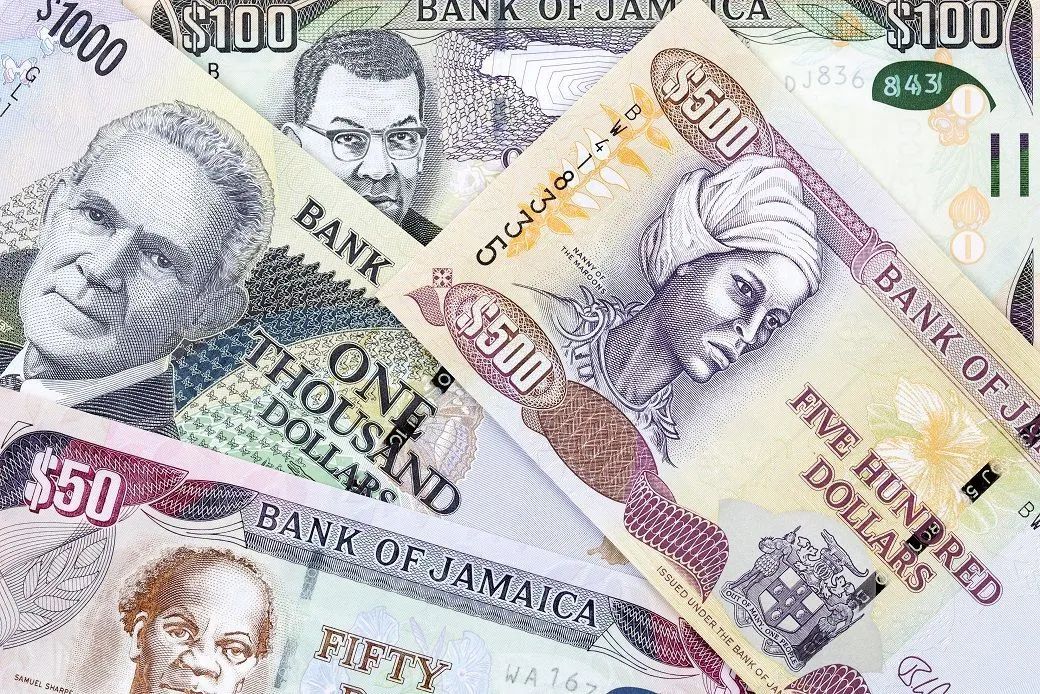
Canadians looking to convert US dollars to Jamaican dollars have several primary channels, each with distinct cost structures. Traditional Canadian banks and credit unions offer currency exchange services, both for cash and electronic transfers. Using a Canadian credit card for purchases or ATM withdrawals in Jamaica automatically converts the amount at the card network's rate, which typically includes a foreign transaction fee. Specialized online money transfer services and currency exchange companies provide alternatives that often advertise more competitive rates. These services allow users to initiate transfers online or via mobile apps, with funds delivered as cash pickup or bank deposit in Jamaica. Some providers also offer the option to order Jamaican dollar banknotes online for home delivery in Canada, which is useful for travelers. Companies like Interchange Financial offer this service with delivery in two business days anywhere in Canada via Canada Post. The total cost of conversion is a combination of the exchange rate margin applied and any fixed service or transfer fees. It is crucial to compare the final amount received in JMD across different providers to identify the best value.
Detailed Fee Structures and Provider Comparisons
The cost of converting USD to JMD is rarely just the mid-market rate. Financial institutions and transfer services apply a margin or markup to the exchange rate, which is how they make a profit on the transaction. This margin can vary significantly between providers. For instance, some online transfer services like Wise promote using the real mid-market rate with no hidden markup, while banks and credit cards typically add a margin of two to three percent or more. Additionally, fixed service fees may apply. Some money transfer operators charge a flat fee based on the transfer amount and payout method. Western Union notes that its fees vary depending on the amount sent, payment method, destination, and payout option. It is crucial for consumers to review the total cost, which includes both the effective exchange rate and all fees, before confirming any transaction. Providers like Western Union and Xe show an estimated total cost upfront, including the exchange rate and transfer fee, so you understand the full cost before sending.
Currency exchange providers apply different rates and fees. For example, Western Union's exchange rate for a transfer may include a margin and a transfer fee, which vary by amount and payment method. In contrast, services like Wise advertise using the mid-market rate with no hidden fees. Interchange Financial also offers better exchange rates than banks with no foreign exchange fees, but may involve delivery charges for cash orders. The total cost of converting currency depends significantly on the provider's pricing model.
| Provider Type | Typical Exchange Rate Margin | Additional Fees | Notes from Providers |
|---|---|---|---|
| Major Canadian Banks | 2% - 4% | Wire transfer fees, service charges | Rates often less competitive than specialists. |
| Online Transfer Services (e.g., Wise, Xe) | Low or no margin advertised | Small, transparent transfer fee | Wise states it uses the mid-market rate with no sneaky mark-up. |
| Currency Exchange Companies (e.g., Interchange) | Varies, but often better than banks | No foreign exchange fees or service charges claimed | They state credit cards charge 2.5% to 7% for international transactions. |
| Money Transfer Operators (e.g., Western Union) | Margin included in offered rate | Variable transfer fee | Fees vary by amount, payment method, and payout option. |
The mid-market rate is a reference point, but the final rate a customer receives often includes a margin. Providers like Xe and Wise promote bank-beating rates and show all fees upfront for transfers. For receiving physical cash, services like Interchange Financial offer delivery but focus on better exchange rates than banks. The best choice varies if someone needs a fast electronic transfer or is ordering physical currency for future use. Checking the full cost, including any transfer fees, is essential before completing a transaction.
Using Transfer Services and Online Platforms
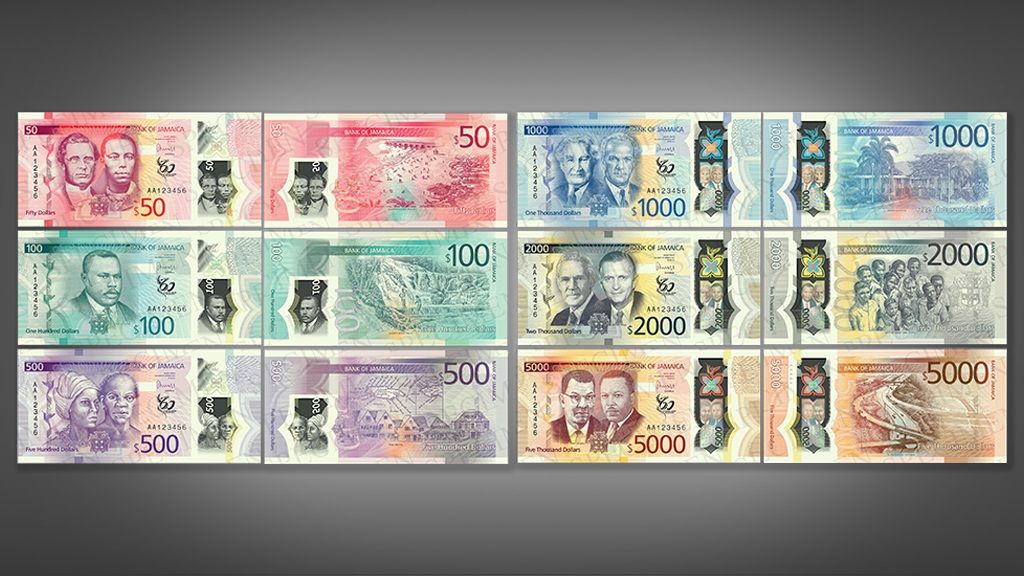
Online money transfer platforms have become a popular choice for sending money to Jamaica. Services like Western Union, Wise, and Xe allow users to initiate transfers from Canada. The process typically involves creating an account, entering the transfer amount in USD, selecting JMD as the receiving currency, and choosing a delivery method such as bank deposit or cash pickup. These platforms provide real-time exchange rate quotes and show all applicable fees before the user confirms the transaction. Security measures are a key feature, with providers using encryption and fraud prevention systems. Customers receive a tracking number, known as an MTCN with Western Union, to monitor the transfer. Some services offer rate alert tools, notifying users when the USD/JMD rate reaches a desired level. Xe allows users to set a rate alert on their website or app and view interactive charts with historical data up to five years. For larger transfers, it is advisable to compare the total cost across multiple providers, as promotional offers or welcome rates for first-time users can sometimes provide better value. Western Union, for example, has offered a promotional welcome rate for a first money transfer, such as 116.12 JMD to 1 CAD on the CAD/JMD pair, which illustrates the type of introductory offers available.
Security, Tracking, and Best Practices
When sending money internationally, security and transparency are paramount. Reputable transfer services employ multiple layers of protection. Western Union highlights its encryption and fraud prevention efforts designed to help protect international money transfers whether sent online, via app, or in person. After sending, you can track your transfer using the unique MTCN (Money Transfer Control Number). It is a best practice to only send money to people you know and trust, verify all receiver details carefully, and keep your MTCN private. Be alert for scam warning signs, such as requests to send money to strangers. For those ordering physical currency online, companies like Interchange Financial use insured Canada Post couriers for delivery within two business days, adding a layer of security for the shipment. Payment for such orders is typically made securely via Interac Online or Interac e-Transfer directly from your bank account, avoiding credit card cash advance fees. Always ensure you are using a licensed and regulated service provider for any financial transaction.
Key Considerations Before Converting Currency
Before converting US dollars to Jamaican dollars, several practical factors should be evaluated. First, determine the purpose of the conversion, as this influences the best method. For travel spending, purchasing JMD cash in advance or using a card with low foreign fees may be suitable. For sending remittances, an electronic transfer to a Jamaican bank account or for cash pickup is often preferred. Second, always check the total cost, not just the advertised exchange rate. Calculate how many Jamaican dollars will be received after all margins and fees are applied. Third, consider the timing, as exchange rates fluctuate throughout the day. Using a rate alert can help avoid converting during an unfavorable short-term spike. Fourth, be aware of transfer limits and processing times, which can vary from minutes to several business days. Finally, only use reputable, regulated services and send money only to trusted recipients to avoid fraud. Following these steps helps ensure a cost-effective and secure currency conversion experience.
- Identify the conversion purpose: travel cash, remittance, or investment.
- Calculate the total cost including all margins and fees, using the provider's upfront quote.
- Monitor the exchange rate using live charts and consider setting rate alerts.
- Check transfer limits, processing speeds, and delivery options like cash pickup or bank deposit.
- Verify the security measures, licensing, and regulation of the service provider.
- Ensure you have accurate recipient details for the transfer and keep tracking information secure.
- Be aware that the rate on Google is usually the mid-market rate and not the rate you will receive.
- For card use, understand that a credit card may incur a cash advance fee and interest charges.
Canadians should compare providers by reviewing the exchange rate and all applicable fees before sending money. Market rates fluctuate throughout the day, so checking live data is important. Providers like Western Union allow users to see an estimated rate and total cost before confirming a transfer. Understanding the differences between electronic transfers and cash delivery services can lead to more informed and cost-effective decisions for converting currency to Jamaican dollars.
Frequently asked questions
What is the mid-market exchange rate?
The mid-market rate is the midpoint between the global buy and sell prices for a currency pair on the foreign exchange market. It is considered the most accurate reflection of a currency's value at any given moment. However, this is a wholesale benchmark rate. When individuals or businesses convert money through banks or transfer services, they are offered a retail rate that includes a margin, so they do not receive the pure mid-market rate. Services like Wise advertise using this real mid-market rate with no markup, while most other providers add a margin.
How do credit cards handle USD to JMD conversions?
When you use a Canadian credit card for a purchase or cash advance in Jamaica, the card network converts the Jamaican dollar amount to US dollars and then to Canadian dollars at their own exchange rate. This rate typically includes a margin. Some premium travel cards may waive this fee, so it is important to check your cardholder agreement. Be aware that using a credit card for a cash advance often triggers additional cash advance fees and immediate interest charges.
Are online money transfer services safe to use?
Reputable online money transfer services use security measures like encryption and fraud monitoring to protect transactions. Western Union specifically mentions its encryption and fraud prevention efforts. These services are also often regulated by financial authorities in the countries they operate in, such as FINTRAC in Canada. It is important to use only well-known, established providers, protect your login information, and never share tracking numbers with strangers. These services are generally safe for sending money to people you know and trust when standard security practices are followed.
Why does the rate I get differ from the one I see online?
The rate you see on a financial website or search engine is usually the mid-market reference rate. The rate you are offered by a bank or transfer service includes a margin or markup, which is how the provider makes money on the currency conversion. This margin can vary based on the provider, the amount being converted, the payment method, and the chosen payout option. Therefore, the final rate you receive will be less favorable than the pure mid-market rate. Western Union explicitly states that its rate may differ from the mid-market rate due to an exchange rate margin and other factors.
Can I order Jamaican dollar cash in Canada?
Yes, some currency exchange companies offer the service of ordering Jamaican dollar banknotes online for delivery anywhere in Canada. Interchange Financial provides this service, allowing you to order online and have JMD delivered in two business days via insured Canada Post courier. This can be a convenient option for travelers who want to have local currency upon arrival, though the exchange rate for physical cash may differ from that for electronic transfers. They promote having Canada's largest variety of foreign currencies and a Best Rate Guarantee.
What affects the USD to JMD exchange rate?
The exchange rate is influenced by macroeconomic factors in both the United States and Jamaica. Key influences include differences in interest rates set by the Federal Reserve and the Bank of Jamaica, economic growth indicators, inflation rates, and trade balances. Political stability and investor sentiment towards emerging markets also play a role. Significant news or data releases from either country can cause the rate to move within minutes or hours. Western Union notes that market rates are influenced by factors including interest rates, economic data, trade flows, and political stability, causing them to change frequently throughout the day.
Sources and further reading
- CAD to JMD | Convert Canadian Dollar to Jamaican Dollar westernunion.com
- Canadian dollars to Jamaican dollars Exchange Rate. ... wise.com
- 1 CAD to JMD, Convert Canadian Dollars to Jamaican ... xe.com
- Buy Jamaican Dollar Online - (JMD J$) interchangefinancial.com
- Convert Canadian Dollars to Jamaican Dollars | CAD to JMD currency.me.uk
This article explains how things work and is not financial, tax or legal advice. Rules, limits and rates change, so check the current figures with the Canada Revenue Agency, your province or your financial institution before you act.