Converting US dollars to Ghanaian cedis is a common financial transaction for Canadians sending money to Ghana or managing international finances. The exchange rate between the US dollar (USD) and the Ghanaian cedi (GHS) is determined by global foreign exchange markets and is influenced by economic factors in both the United States and Ghana. Canadians can convert currency using banks, credit cards, or specialized money transfer services, each with different fees and exchange rate margins. Understanding how the rate is set, its historical context, and the costs involved helps Canadians make informed decisions when moving money across borders.
The US Dollar and Ghanaian Cedi Currencies
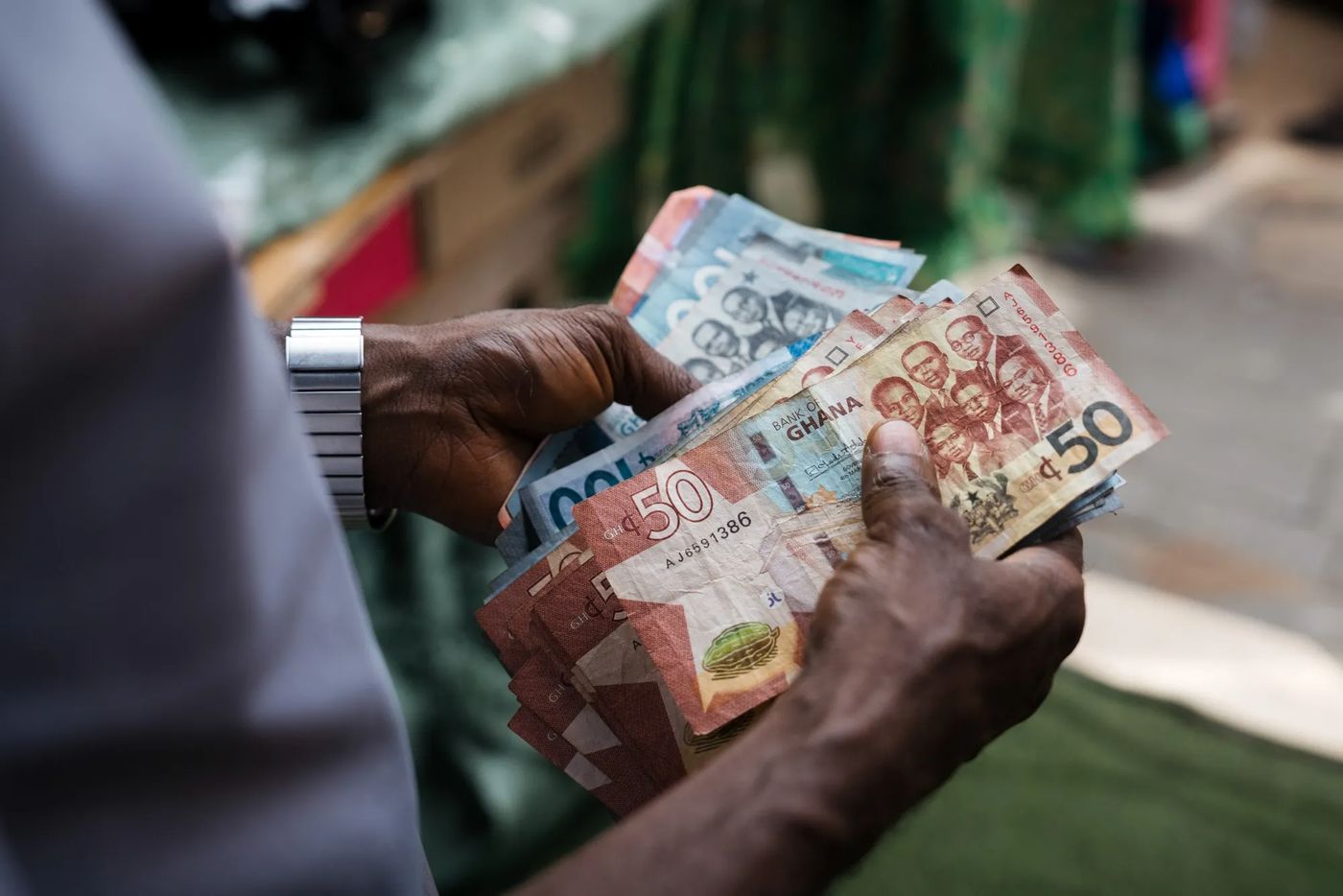
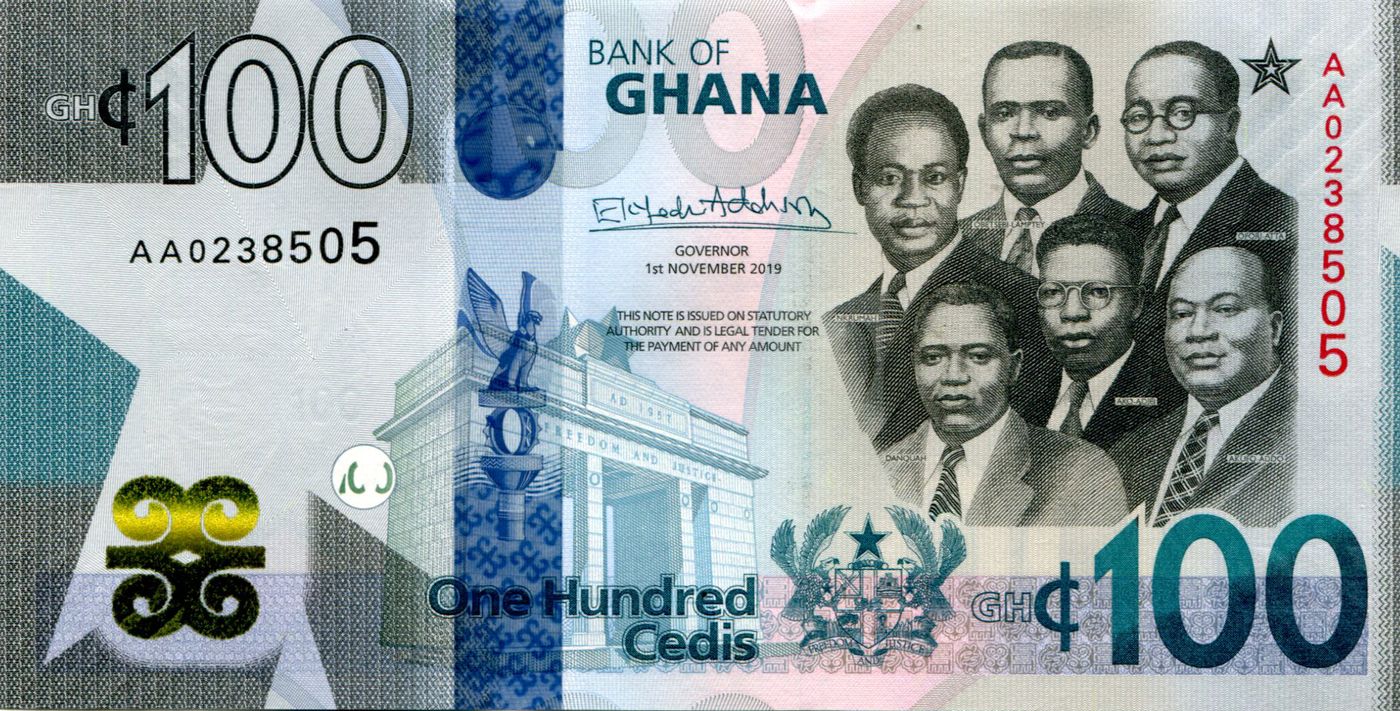
The US dollar is the official currency of the United States and is one of the world's primary reserve currencies, denoted by the code USD. Its widespread use in international trade and finance makes it a benchmark for many currency pairs, including with the Ghanaian cedi. The Ghanaian cedi is the official currency of Ghana, with the currency code GHS and the symbol GH₵. The Bank of Ghana is responsible for issuing the cedi and managing monetary policy. Both currencies are traded on the global foreign exchange market, where their relative value is constantly determined by supply and demand dynamics.
How the USD to GHS Exchange Rate is Determined
The exchange rate between the US dollar and the Ghanaian cedi is a floating rate, meaning its value is set by the foreign exchange market. The primary benchmark is the mid-market rate, which is the midpoint between the global buy and sell prices for the currency pair at any given moment. This rate is the most accurate reflection of the currency's value and is used as a reference by financial institutions. The actual rate offered to consumers by banks or transfer services is typically the mid-market rate plus a margin or markup, which constitutes part of the service provider's revenue. The rate fluctuates continuously during market hours based on trading activity between major financial centres.
Several key economic factors influence the movement of the USD/GHS rate. Interest rate decisions by the US Federal Reserve and the Bank of Ghana directly affect capital flows and currency attractiveness. Inflation rates in Ghana compared to the US impact the cedi's purchasing power and its value against the dollar. Ghana's trade balance, particularly its exports of commodities like gold, cocoa, and oil, generates US dollar inflows that can strengthen the cedi. Political stability and investor confidence in Ghana's economy also play a significant role, as uncertainty can lead to capital flight and cedi depreciation. Global market sentiment and the strength of the US dollar against a basket of other major currencies can cause broader movements that affect the GHS.
Historical Context of the Ghanaian Cedi
The Ghanaian cedi has undergone significant changes since its introduction. This redenomination was a major monetary policy event aimed at restoring confidence and simplifying accounting. Since the redenomination, the cedi has experienced periods of volatility, often depreciating against major currencies like the US dollar due to factors such as trade deficits, inflation, and external debt levels. The exchange rate history reflects Ghana's economic challenges and policy responses over the decades. Notable highs and lows in the cedi's value are tied to specific economic events. Sharp declines have often occurred during periods of falling commodity prices, which reduce Ghana's export earnings, or during elections when fiscal discipline sometimes weakens. The Bank of Ghana occasionally intervenes in the foreign exchange market to smooth out volatility and support the currency.
Methods for Canadians to Convert Currency
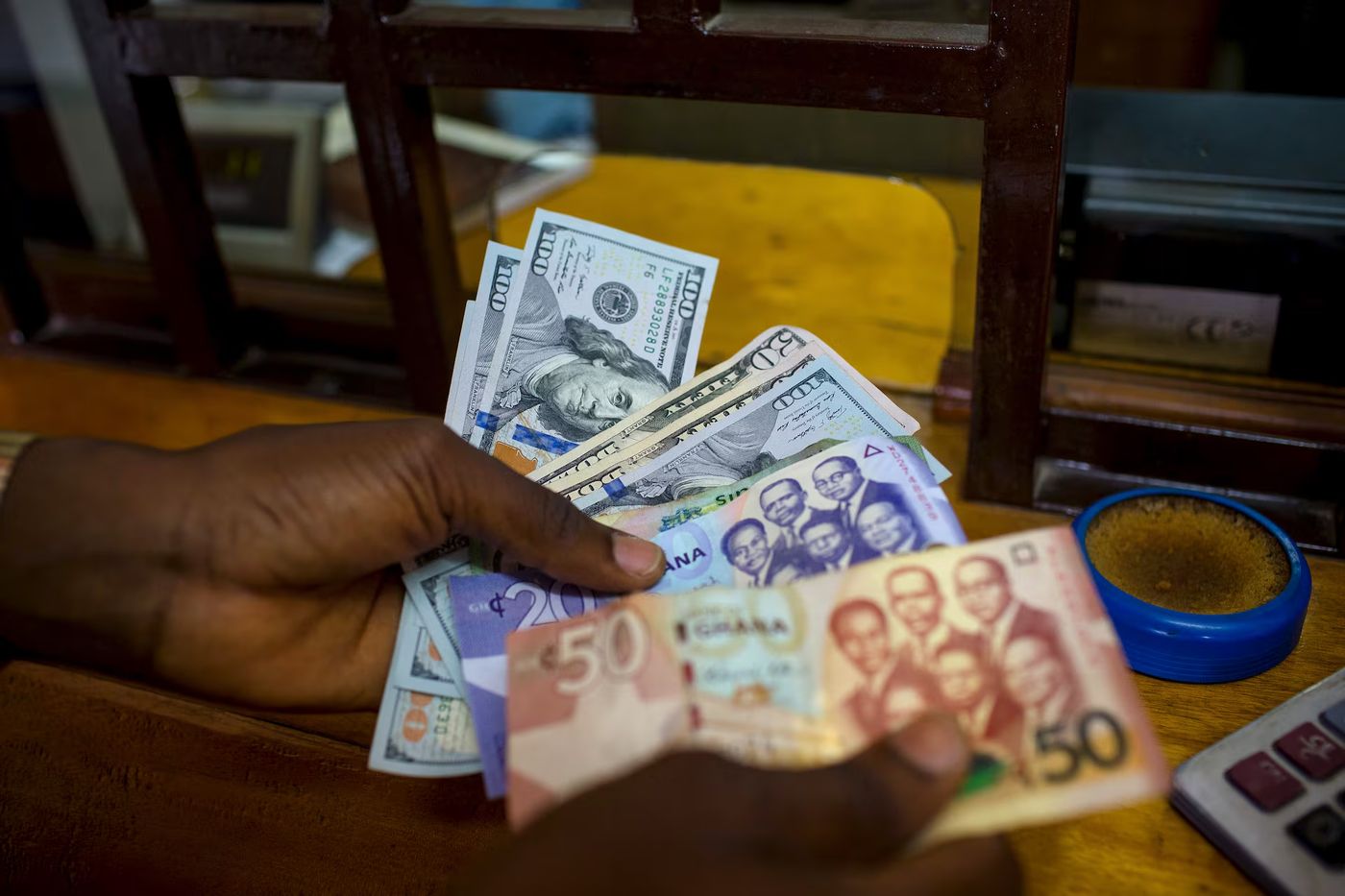
Canadians have several options for converting US dollars to Ghanaian cedis, each with different cost structures and convenience levels. Traditional banks offer currency exchange services, both for cash and wire transfers to Ghanaian bank accounts. Banks typically apply a significant exchange rate margin on top of the mid-market rate and charge fixed wire transfer fees. Specialized online money transfer services like Wise, Western Union, and Xe have become popular alternatives for sending larger amounts.
These digital providers often advertise more competitive exchange rates and lower fees compared to banks. They make money primarily through an exchange rate margin, though some also charge a transparent upfront transfer fee. Services like Wise use the mid-market rate and charge a small percentage fee, while others like Western Union may incorporate the margin into the offered rate. The total cost for the sender is the combination of the exchange rate margin and any transfer fee, which varies by provider, transfer amount, payment method, and speed of delivery. Canadians should compare the total amount of cedis the recipient will receive after all costs to identify the best value option.
Common methods for converting and sending money include online platforms, mobile applications, and in-person agent locations. You can initiate a transfer using a bank account, a credit or debit card, or with cash. Many services allow you to send money for cash pickup at an agent location near your receiver. You can also track your transfer online or via an app using a unique tracking number.
- Bank wire transfers for direct deposit to a Ghanaian bank account.
- Online money transfer services such as Wise, Western Union, and Xe.
- Using credit or debit cards for point-of-sale purchases or ATM withdrawals in Ghana.
- Carrying US dollar cash to exchange at bureaux de change in Ghana.
- Sending money for cash pickup at a vast network of agent locations in Ghana.
- Using mobile apps provided by transfer services to initiate and track conversions.
Fees and Exchange Rate Margins
The cost of converting USD to GHS is not a single fee but a combination of an exchange rate margin and often a separate transfer fee. The exchange rate margin is the difference between the mid-market rate and the rate actually offered to the customer. This margin is how many providers, including banks and some transfer services, generate revenue from currency conversion. In addition to this margin, many services charge a fixed or variable transfer fee, especially for expedited services or cash pickups.
Fees can vary dramatically depending on the provider and the transfer's specifics. Banks typically have higher margins and wire fees. Credit card companies add a foreign transaction fee, usually a percentage of the converted amount. Online money transfer services often have lower, more transparent fee structures. Payment method also affects cost. Paying with a bank account is usually cheaper than using a credit card, which may incur cash advance fees. The notes indicate that for transfers, providers show an estimated total cost, including the exchange rate and any fees, before the transaction is confirmed, allowing for comparison.
Key factors that determine the total cost of conversion are the exchange rate margin applied by the service provider and any transfer fees. The total cost can vary depending on the amount you send, your chosen payment method, and the destination country. The payout option you select, such as cash pickup or bank deposit, can also influence the final cost. It is important to review the exchange rate and all fees together before confirming a transfer to understand the total expense.
- The size of the exchange rate margin applied by the provider.
- A fixed or variable transfer fee charged by the service.
- The payment method used, such as bank account, debit card, or credit card.
- The speed of delivery, with faster transfers often costing more.
- The payout method in Ghana, such as bank deposit or cash pickup.
- The total transfer amount, as some fees are percentage-based.
Using Transfer Services and Tracking Rates
To initiate a transfer, Canadians typically use an online platform or mobile app. The process involves entering the amount to send in USD, selecting Ghana as the destination and GHS as the payout currency, and choosing a delivery method such as bank deposit or cash pickup. The service then provides a quote showing the exchange rate, any fees, and the estimated amount in cedis the recipient will get. After approving the quote and providing recipient details, the sender makes a payment from their Canadian bank account or card. The recipient in Ghana can then collect the funds in cedis at a designated agent location or in their bank account.
Given that exchange rates fluctuate, monitoring the USD/GHS rate can help in timing a transfer. Many currency converter tools and transfer service websites offer live mid-market rate charts and historical data. Some services allow users to set up rate alerts, sending a notification when the USD/GHS rate reaches a desired level. Historical data shows that rates can move within a range over weeks or months. For instance, the CAD/GHS pair, which often correlates with USD/GHS movements, had a 90-day high and low with a notable spread, indicating potential volatility. Tracking these trends can inform decisions on when to convert funds, though predicting short-term movements remains difficult.
Steps to follow when using a transfer service are to first enter the amount you wish to send into a currency converter tool. Next, you must choose your sending and receiving currencies, such as CAD and GHS. Then, you should review the provided exchange rate, any transfer fees, and the delivery options to see the full cost. Finally, you can proceed to confirm and pay for the transfer online, through an app, or at an agent location.
- Enter the amount you wish to send in US dollars on the provider's website or app.
- Select Ghana as the destination country and Ghanaian cedis as the payout currency.
- Choose a delivery method, such as bank deposit or cash pickup at an agent location.
- Review the provided quote showing the exchange rate, fees, and final amount in GHS.
- Provide the recipient's details, including full name and contact information.
- Make the payment using your preferred method, such as a bank account or debit card.
- Receive a confirmation and a money transfer control number (MTCN) for tracking.
- Track the transfer's progress online or via the app until it is delivered.
Security and Practical Considerations
Security is a paramount concern when sending money internationally. Reputable transfer services use encryption and fraud prevention systems to protect transactions. Senders receive a money transfer control number (MTCN) to track the transfer's progress online or via an app. It is crucial to send money only to trusted recipients and to verify all details carefully before confirming. Canadians should be aware of common scams and never share their MTCN with anyone other than the intended recipient. Using licensed and well-reviewed providers adds a layer of security and recourse if issues arise. From a practical standpoint, Canadians should consider the recipient's access to banking services in Ghana when choosing a payout method. Cash pickup is widely available through agent networks but may have lower limits. Bank deposits are suitable for larger amounts but require the recipient to have an active account. Transfer speed can vary from minutes to several business days, with faster options sometimes costing more. Understanding the total landed cost in cedis, after all margins and fees, is the most effective way to compare different service providers and ensure the recipient gets the maximum value from the transfer. Providers like Western Union move money from Canada to over 200 countries and territories, including Ghana, and offer multiple payout options to suit different needs.
Frequently asked questions
What is the mid-market exchange rate?
The mid-market rate is the midpoint between the global buy and sell prices for a currency pair on the foreign exchange market. It is the benchmark rate used by financial institutions and is considered the most accurate reflection of a currency's true value at any given moment. When you see a rate on a financial data website, it is typically this mid-market rate. The rates offered to consumers by banks or transfer services are usually the mid-market rate plus a margin.
How do money transfer services make money on currency conversion?
Money transfer services generate revenue primarily by applying an exchange rate margin. This means they offer a rate that is less favourable than the mid-market rate, keeping the difference. Some services also charge a separate, upfront transfer fee. The combination of this margin and fee constitutes the total cost to the sender. Online providers often have lower margins than traditional banks, which is why they can advertise competitive rates and lower fees.
Is it cheaper to use a bank or a specialist service to send money to Ghana?
Specialist online money transfer services are generally cheaper for sending money to Ghana than using a traditional bank. Banks typically apply larger exchange rate markups and charge higher wire transfer fees. Services like Wise, Xe, and Western Union often offer rates closer to the mid-market rate with lower, more transparent fees. The best way to compare is to check the total amount in cedis the recipient would receive from each option for the same US dollar amount.
Are there fees for using a credit card to send money internationally?
Yes, using a credit card to fund an international money transfer often incurs additional costs. The card issuer may treat the transaction as a cash advance, which triggers a cash advance fee and immediately starts accruing interest at a high rate. Additionally, the transfer service itself may charge a higher fee for credit card payments compared to bank debit payments. It is usually more cost-effective to use a bank account or debit card to pay for international transfers.
What information do I need to send money to Ghana?
To send money to Ghana, you will need the recipient's full name as it appears on their official identification. For a bank transfer, you need their bank name, account number, and possibly a branch code. For cash pickup, the recipient's name and a valid phone number for them are usually sufficient. You will also need to provide your own identification and payment details to complete the transaction from Canada.
How can I track the USD to GHS exchange rate?
You can track the USD to GHS exchange rate using online currency converters and financial platforms that provide live mid market rates and interactive charts. For example, some services offer charts that track real time mid market exchange rates and allow you to view historical data for up to the last five years. You can set a rate alert to receive a notification when the exchange rate reaches your desired target, helping you monitor currency shifts. These tools often show performance metrics, such as the 30 day high and low, to give you context on recent market movements. It is important to remember that the rate you see for tracking is typically the mid market rate, which is the midpoint between global buy and sell prices, and may differ from the rate offered for actual money transfers.
Sources and further reading
- Canadian dollars to Ghanaian cedis today wise.com
- CAD to GHS | Convert Canadian Dollar to Ghanaian Cedi westernunion.com
- 1 CAD to GHS, Canadian Dollars to Ghanaian Cedis ... xe.com
- CAD to GHS, Convert Canadian Dollar to Ghana Cedi remitbee.com
This article explains how things work and is not financial, tax or legal advice. Rules, limits and rates change, so check the current figures with the Canada Revenue Agency, your province or your financial institution before you act.