Converting US dollars (USD) to British pounds (GBP) is a common financial transaction for Canadians travelling, doing business, or sending money to the United Kingdom. The exchange rate between these two major world currencies is determined by global foreign exchange markets and fluctuates constantly. Canadians have several options for converting their money, including banks, credit cards, and specialized transfer services, each with different costs and processes. Understanding how the rate is set and what fees to expect can help you get better value when you need to make this conversion.
Understanding the US Dollar and British Pound
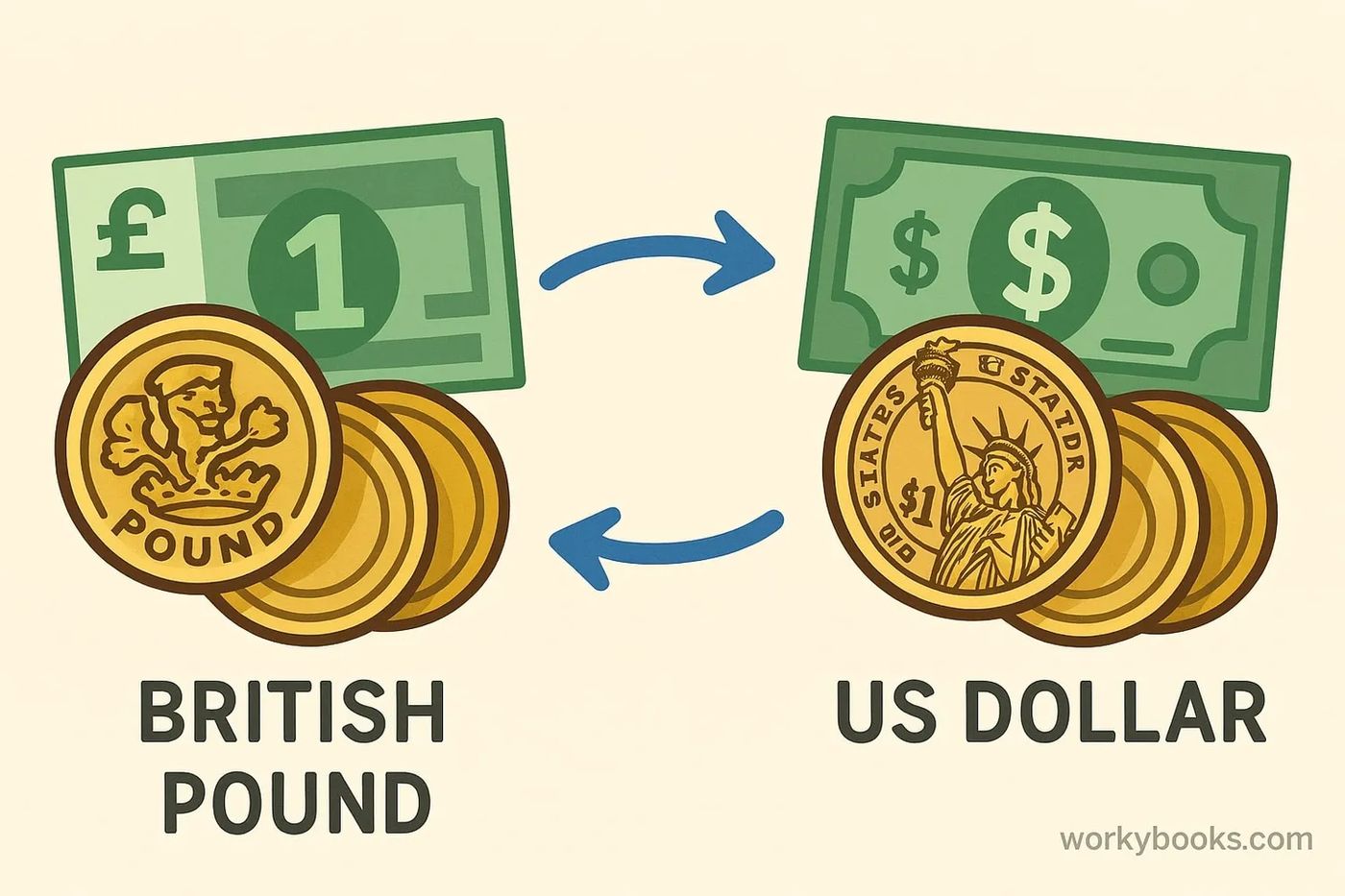
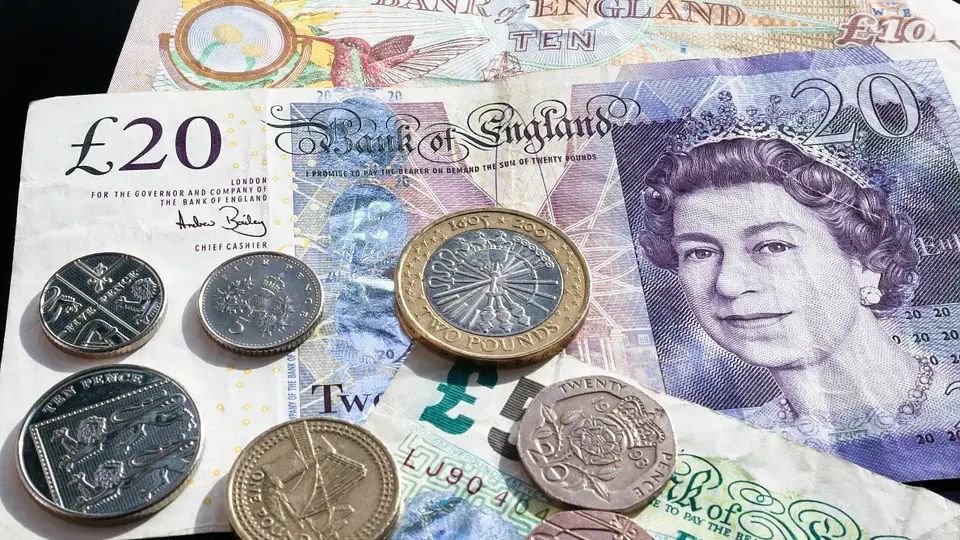
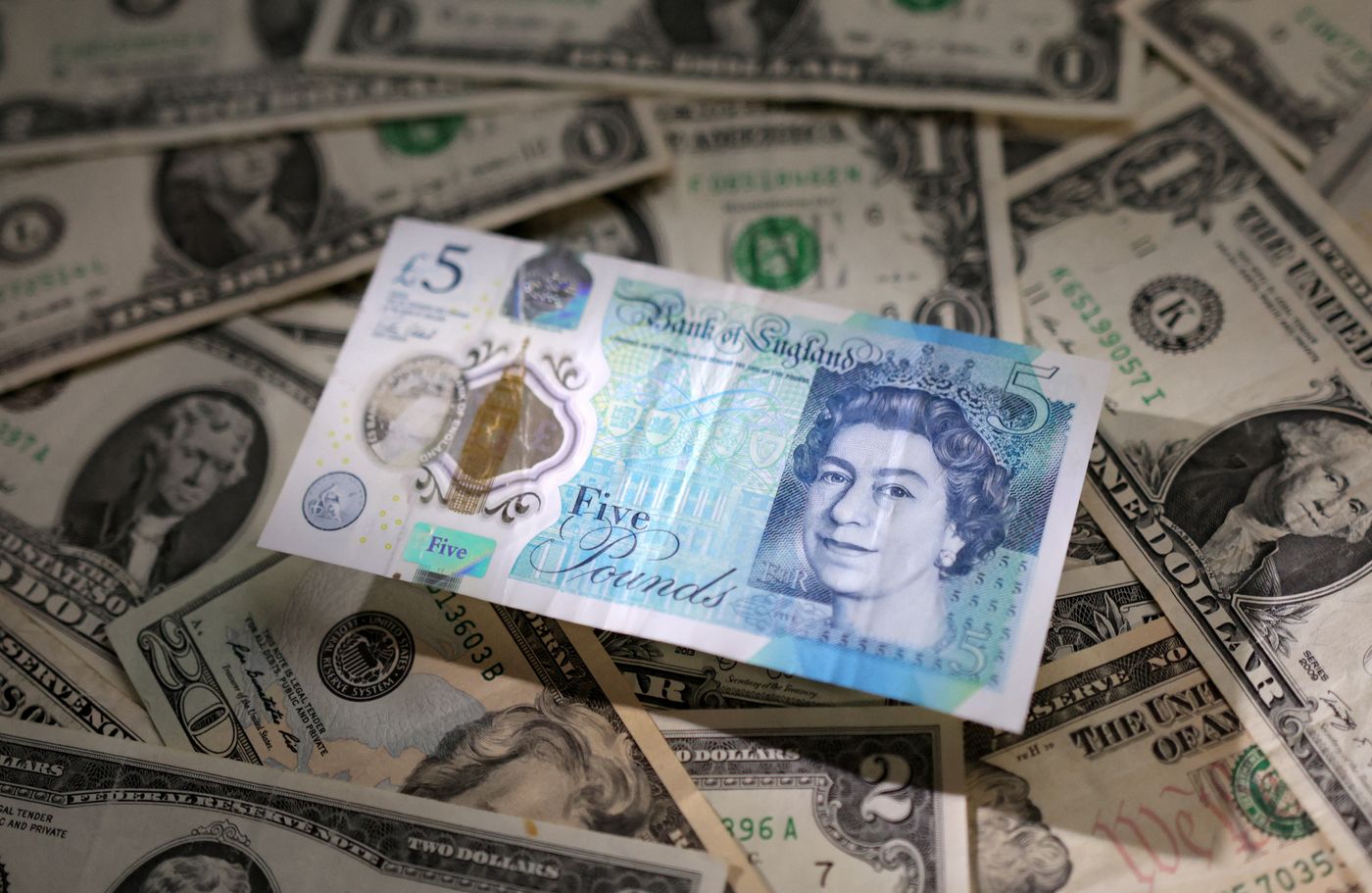
The US dollar, denoted as USD and symbolized by $, is the official currency of the United States and is the world's primary reserve currency. Its status gives it a dominant role in international trade and finance. The British pound sterling, denoted as GBP and symbolized by £, is the currency of the United Kingdom and is one of the oldest currencies still in use today. Both currencies are among the most traded in the world, and their exchange rate is a key financial benchmark. For Canadians, transactions involving these currencies often relate to travel, online shopping, international business, or sending remittances to family abroad. The most popular US Dollar exchange rate is USD to USD, and the most popular British Pound exchange rate is GBP to USD, reflecting their central roles in global finance.
How the USD to GBP Exchange Rate is Determined
The exchange rate between the US dollar and the British pound is set by the global foreign exchange market, where currencies are traded around the clock. The price you see quoted in financial media is typically the mid-market rate, which is the midpoint between the buy and sell prices in the wholesale interbank market. This rate fluctuates based on the forces of supply and demand. Financial institutions like banks then apply a markup or spread to this wholesale rate to create a retail rate for customer transactions. It is important to note that the mid-market rate is for informational purposes. Consumers and businesses do not receive this rate when converting money through typical channels. Exchange rates quoted in the media are the rates used by banks and other market participants to buy and sell currencies in the wholesale market.
Several key factors influence the movement of the USD/GBP rate. Relative interest rates set by the US Federal Reserve and the Bank of England are a primary driver, as they affect investment flows into each currency. Economic data releases, such as inflation reports, employment figures, and gross domestic product growth from both nations, cause traders to reassess currency values. Political events and stability, including elections and policy changes, also create market volatility. Furthermore, broader global risk sentiment can push investors toward the US dollar as a safe-haven asset during times of uncertainty, affecting its value against the pound. Client transactions require additional processing and are usually for much smaller amounts, and as a result, are priced using a retail rate.
Historical Performance and Notable Trends
The USD/GBP exchange rate experiences constant fluctuations driven by market forces. Over a recent 90-day period, the rate moved between a low of £0.7324 and a high of £0.7577 per US dollar, with an average of £0.7454. In a 30-day window, the range was between £0.7467 and £0.7577. The performance over the last 90 days saw a change of -0.60, indicating a net movement in the rate over that period. Monitoring these trends is crucial for anyone looking to convert currency, as timing can impact the final amount received. The average monthly exchange rate provides a clearer snapshot of performance over a longer period, helping to smooth out daily volatility.
Many individuals and businesses use these averages to plan ahead and make more strategic decisions about when to execute a transfer. By tracking historical data, which some services offer for up to five years, one can identify broader patterns. Interactive charts use real-time mid-market exchange rates and allow you to view historical data, and setting an alert can notify you when a better rate is reached. Over a recent 7-day period, the rate moved between 0.7498 and 0.7570 with an average of 0.7528 and 0.25% volatility, demonstrating the typical short-term movements in the market.
Methods for Canadians to Convert Currency
Canadians have multiple avenues to convert US dollars to British pounds, each with distinct processes, speeds, and cost structures. The most common providers are traditional banks, credit and debit card networks, and specialized online money transfer services. Banks typically offer currency exchange for cash, wire transfers, and foreign currency accounts. For example, TD Canada Trust allows clients to order over 50 foreign currencies online or by phone for branch pickup within three to seven business days, with US dollars, euros, and pounds sterling available for immediate purchase at most branches. RBC also provides foreign exchange services for clients, with cash transactions available exclusively to its customers and a converter for over 30 foreign currencies.
Using a credit or debit card abroad is another common method, though the exchange process differs. When you use your Canadian card for a purchase or ATM withdrawal in the UK, the card network (like Mastercard or Visa) sets the exchange rate, and your financial institution may add foreign transaction fees. It is important to review your cardholder agreements to understand these costs, as banks do not set the rate for these point-of-sale transactions. Many travellers find it beneficial to obtain some local currency before departing Canada, as banks and foreign exchange kiosks in other countries often charge higher rates and additional commissions for converting Canadian dollars. Mastercard's currency conversion calculator offers quick foreign currency exchange rates worldwide to enable cross-border purchases and ATM transactions.
Fees, Rates, and How to Get the Best Value
The total cost of converting USD to GBP is not just the exchange rate. It also includes fees, commissions, and hidden markups. Providers generally use a retail exchange rate, which is less favourable than the wholesale mid-market rate. Banks often incorporate wider spreads and additional service charges. For instance, exchange rates applied to cash transactions include shipping and handling charges, making them less favourable than non-cash rates used for wire transfers or drafts. Non-cash rates are applied to paper instruments such as cheques and drafts, and also to incoming and outgoing wire payments and other electronic transactions. Specialized transfer services like MTFX and Wise market themselves as offering more competitive pricing, with claims of saving users up to 4% compared to traditional banks by using tighter margins and transparent, upfront pricing.
To secure the best value, it is essential to compare the total cost from different providers. This means looking beyond the advertised rate to understand all fees involved. Many online services allow you to see the exchange rate and total cost in advance with no hidden adjustments. Setting up rate alerts can also be a valuable tool, notifying you when the market reaches a desired level so you can execute your transfer at a more optimal time. While there is no perfect time to convert due to constant market movements, being informed and using available tools can lead to more favourable outcomes. The comparison savings between a provider and a bank are based on specific examples, such as a single transfer of GBP 20,000 to USD, and different amounts, dates, and currencies will result in different savings.
Step-by-Step Guide to Converting and Transferring Money
Converting USD to GBP and sending it internationally involves a series of clear steps, whether you use a bank or a dedicated service. The process is designed to be secure and regulated, ensuring funds are properly managed at every stage. First, you must decide on the amount you wish to convert and choose your service provider. Next, you will need to provide the necessary details for the transfer, including recipient information for bank transfers. Finally, you will review the final quote, which should show all costs upfront, and authorize the transaction. MTFX supports this with a streamlined conversion process built for clarity, control, and efficiency, supporting smarter timing and larger transfer values.
- Select a provider (e.g., bank, online transfer service).
- Log in or create an account to access live exchange rates and tools.
- Use the provider's currency converter, entering the USD amount to see the equivalent in GBP.
- Input the recipient's banking details for an electronic transfer or choose a cash pickup option.
- Review the final exchange rate, all fees, and the total GBP to be delivered.
- Confirm and authorize the transaction, then receive tracking information.
Processing times vary by method. Bank wire transfers and services like MTFX often complete within 24 to 48 hours, depending on banking cut-offs and transfer routes. For cash orders at a bank branch, you may need to wait three to seven business days for the currency to be available for pickup. Throughout the process, reputable providers operate within strict regulatory frameworks to ensure the security of your US dollars and British pounds. Transfers are handled within this framework, ensuring the currencies remain secure and properly managed at every stage.
Comparing Service Providers and Their Offerings
The range of currency exchange services available to Canadians includes major banks, global card networks, and online-focused transfer specialists. Each type of provider has a different business model that affects their exchange rates, fees, and convenience. Banks set the exchange rate for foreign currency purchases associated with many services, such as buying foreign currency cash or converting funds from an incoming wire transfer. For these services, they will quote their applicable retail exchange rate. For other services, such as using a debit or credit card outside Canada, the bank does not set the exchange rate. You will pay different exchange rates and fees governed by card agreements.
| Provider Type | Typical Rate Offered | Fee Structure | Key Features |
|---|---|---|---|
| Major Banks (e.g., TD, RBC) | Retail exchange rate (marked up from mid-market) | Service charges, wider spreads, cash handling fees | Branch network, cash availability, foreign currency accounts |
| Online Transfer Services (e.g., MTFX, Wise) | Closer to mid-market rate, lower margins | Transparent upfront fees, often lower overall cost | Online platforms, rate alerts, fast transfers, multi-currency accounts |
Banks provide the security and familiarity of an established institution, with the ability to handle complex transactions and hold foreign currency directly. TD offers competitive exchange rates to Canadians on all currency exchange services, from transferring funds to exchanging money for travel. Card networks offer immense convenience for travellers making purchases abroad. Online specialists compete primarily on cost and transparency, aiming to provide better exchange rates and lower fees for larger or recurring transfers. The choice depends on your specific needs, whether it's immediate cash for travel, the convenience of card spending, or cost-effective large transfers for business or personal reasons.
Regulatory Security and Transaction Types
All reputable currency exchange providers in Canada operate within a strict regulatory framework designed to protect customers and ensure the integrity of financial transactions. This framework governs how funds are handled, stored, and transferred internationally. When you convert USD to GBP through a bank or a licensed money services business, your transaction is subject to these regulations, which include anti-money laundering and consumer protection rules. This ensures that US dollar and British pound transactions remain secure and properly managed at every stage, from the initial quote to the final delivery of funds to the recipient.
Different types of currency transactions are treated differently in terms of pricing and processing. Cash transactions involve physical banknotes and thus incur costs for shipping, handling, storage, and security. As a result, the exchange rate for cash is less favourable than the rate for non-cash instruments. Non-cash transactions include wire transfers, bank drafts, cheques, and electronic payments. These do not require physical movement or storage, leading to lower processing costs and a more favourable exchange rate being applied. For incoming wire transfers in a foreign currency, banks convert the funds into the currency of your account using their applicable exchange rate in effect when the deposit is posted.
Tools and Resources for Informed Conversions
Several tools and resources are available to help Canadians make informed decisions when converting USD to GBP. Currency converters are the most basic tool, allowing you to input an amount and see the current equivalent in another currency. These converters often use the live mid-market rate for informational purposes. More advanced platforms provide interactive charts that track real-time mid-market rates over periods such as 12 months or five years, showing how much your money was worth at any point. These charts help visualize trends and volatility, such as the 0.25% volatility observed over a recent 7-day period where the rate moved between 0.7498 and 0.7570.
Rate alert systems are another critical resource. You can set a target USD to GBP exchange rate, and the platform will send a notification via email or app when the market reaches that level. This allows you to act without constantly monitoring the markets. Furthermore, daily or weekly market summaries provide commentary on the factors moving the exchange rate, helping you understand the context behind the numbers. Providers like MTFX offer these tools alongside dedicated support to help with both personal transfers and business payments for obligations like supplier payments or investments. Using these resources supports smarter timing and more predictable outcomes for cross-border payments.
Frequently asked questions
What is the difference between the mid-market rate and the rate I get?
The mid-market rate is the benchmark rate used between large financial institutions in the wholesale currency market. It is the midpoint between the buy and sell prices. When you convert money through a bank or service provider, you are offered a retail rate. This rate includes a markup or spread added to the mid-market rate, which is how the provider makes money on the transaction. You will not receive the pure mid-market rate, but some specialized transfer services offer rates much closer to it than traditional banks do.
How can I avoid hidden fees when converting USD to GBP?
To avoid hidden fees, choose a provider that discloses all costs upfront before you commit to a transaction. Look for services that show you the exact exchange rate you will receive and list any transfer or processing fees separately. Specialized online transfer services often promote transparency, showing the total amount in GBP you will receive with no last-minute adjustments. Always compare the final delivered amount from multiple providers, not just the advertised exchange rate, as fees can be embedded in a less favourable rate.
Is it better to convert money before travelling to the UK?
It is often more beneficial to convert your Canadian dollars to British pounds before you leave Canada. Many banks, foreign exchange kiosks and hotels in other countries charge commission or service charges in addition to exchange rates that are often higher than those in Canada when converting your Canadian dollars to their local currency. Canadian banks like TD and RBC offer foreign currency cash services with competitive exchange rates. By converting funds in advance, you can secure a known rate and avoid less favourable terms and potential extra fees abroad. This allows for better budgeting and financial control during your travels.
How long does a USD to GBP bank transfer take?
The time for a USD to GBP transfer depends on the provider and the type of service. For international money transfers through online services like MTFX, funds are often processed within 24 to 48 hours, depending on receiving bank cut off times and transfer routes. If you are ordering foreign currency cash for pickup at a Canadian bank branch, such as with TD, it can take three to seven business days for the currency to be delivered to your preferred branch. Electronic wire transfers through banks may also vary in timing but generally aim for efficiency within a few business days.
Can I set an alert for a specific USD to GBP exchange rate?
Yes, you can set up a USD to GBP rate alert on platforms like Xe or within their app. This feature allows you to specify your desired exchange rate and receive a notification when the market reaches that level. Setting an alert helps you monitor the market without needing to watch it constantly, allowing you to time your currency conversion or transfer for when conditions are more favourable. This tool is useful for both personal transfers and business payments to help manage costs and capture better exchange rates.
What should I know about using my credit card in the UK?
When you use your Canadian debit or credit card outside of Canada to make a purchase, your bank does not set the exchange rate. You will pay different exchange rates and fees for those services, and you should review the agreements governing the use of those cards for more information. The card network will convert the purchase amount from GBP to CAD using their own exchange rate. It is important to be aware that these transactions may incur foreign transaction fees and potentially less favourable retail exchange rates compared to converting cash beforehand.
Sources and further reading
- 1 USD to GBP, US Dollars to British Pounds Exchange Rate xe.com
- US dollars to British pounds sterling today wise.com
- Currency Converter & Live Exchange Rates td.com
- Foreign Exchange Currency Converter, RBC Royal Bank apps.royalbank.com
- Convert USD to GBP, US Dollar to British Pound mtfxgroup.com
This article explains how things work and is not financial, tax or legal advice. Rules, limits and rates change, so check the current figures with the Canada Revenue Agency, your province or your financial institution before you act.