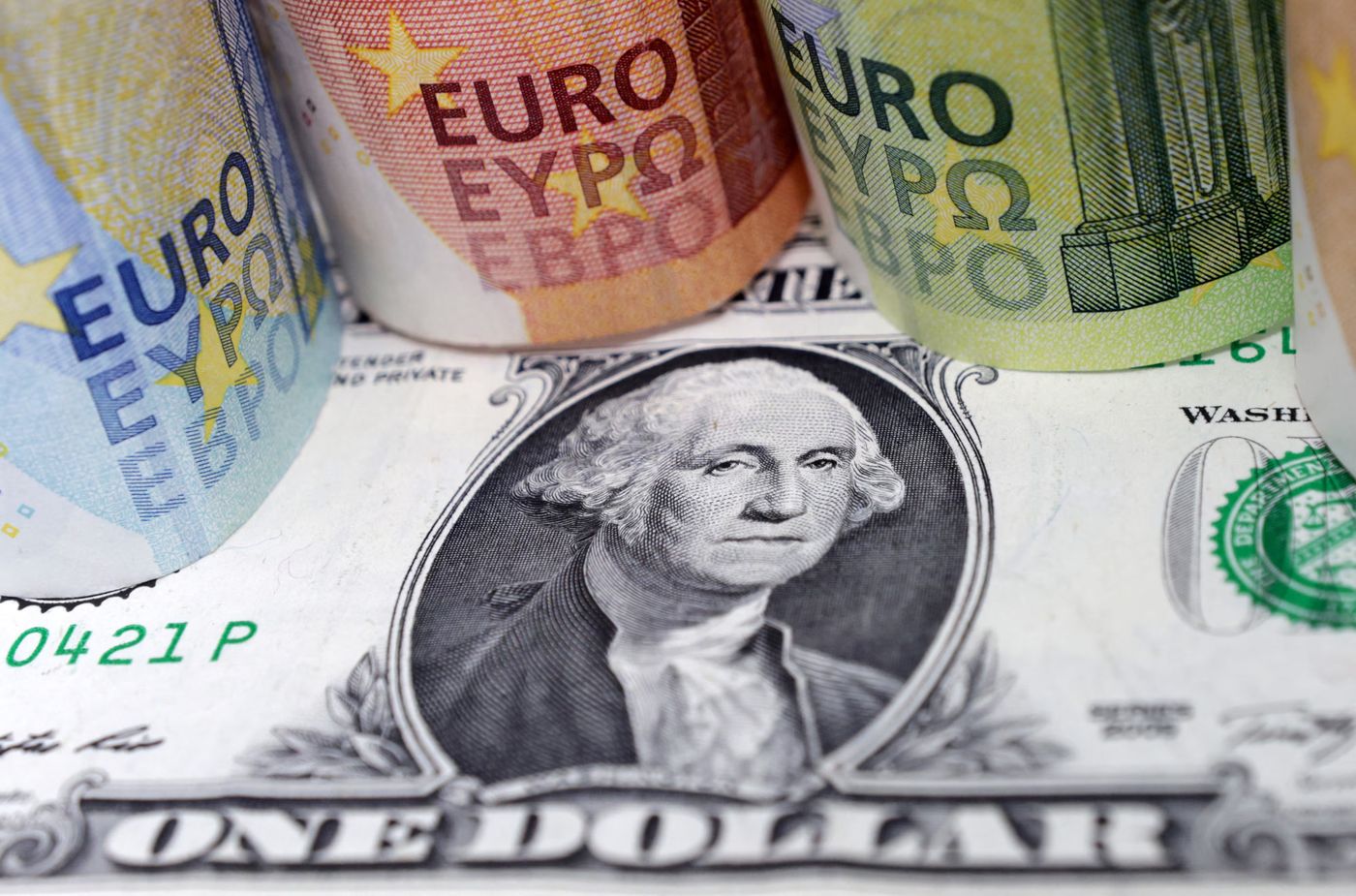
The exchange rate between the US dollar and the euro is one of the most watched currency pairs in the world, directly impacting Canadians who travel, invest, or send money abroad. This rate determines how many euros you receive for each US dollar you convert. The value fluctuates constantly based on global economic forces, central bank policies, and market sentiment. For Canadians, understanding this conversion is essential for managing costs on European trips, making cross-border purchases, or executing international financial transactions efficiently.
Understanding the US Dollar and Euro
The US dollar is the official currency of the United States and serves as the world's primary reserve currency. Its status means it is held in significant quantities by governments and institutions globally for international transactions and as a store of value. The euro is the official currency of 20 member states of the European Union, collectively known as the Eurozone, and is the second most important reserve currency. The exchange rate between these two economic giants, quoted as USD/EUR, shows how many euros one US dollar can buy. This pairing is the most traded in the vast global foreign exchange market, where trillions of dollars change hands daily. The constant trading creates a highly liquid and dynamic market for this currency pair.

How the USD to EUR Exchange Rate is Set
The exchange rate is not set by a single entity but is determined by the forces of supply and demand in the global foreign exchange market. The most accurate reflection of the currency's value at any moment is the mid-market rate, which is the midpoint between the global buy and sell prices. Financial institutions and money transfer providers typically do not offer this exact rate to retail customers. Instead, they add a margin or markup to the mid-market rate, which is how they generate revenue on currency conversion. The rate Canadians see quoted by their bank or a transfer service is this retail exchange rate. It is crucial to understand that the rate you receive for a personal transaction will include this margin, along with any additional service fees.
Several key economic factors influence the supply and demand for each currency, thereby moving the exchange rate. Central bank monetary policy is a primary driver, as interest rate decisions by the US Federal Reserve and the European Central Bank affect investment flows. Higher interest rates in a country tend to attract foreign capital, increasing demand for its currency. Relative economic strength and growth forecasts also play a major role, with stronger economic performance typically strengthening a currency. Political stability, inflation differentials, and broad market sentiment during times of risk or uncertainty all contribute to daily fluctuations. Trade balances and government debt levels are longer-term factors that markets monitor closely. For Canadians checking rates, the Bank of Canada publishes a daily set of exchange rates for major currencies, which serves as a useful benchmark.
How Canadians Convert USD to EUR
Canadians have several options for converting US dollars to euros, each with different costs and conveniences. The method you choose can significantly impact the total amount of euros you ultimately receive. Major Canadian banks offer currency exchange services both online and in branch, allowing you to order euros for pickup or convert funds in your account. Specialized foreign exchange centres, including those operated by some banks, often have a wider selection of currencies on hand. Online money transfer specialists like Wise and Western Union provide digital platforms for converting and sending money internationally. Using a Canadian credit or debit card for purchases or ATM withdrawals in Europe is another common method, though the exchange rates and fees applied are set by the card network and your issuing bank.
It is vital to look beyond the advertised exchange rate to understand the total cost of conversion. Providers typically earn revenue through a margin on the exchange rate, a fixed transaction fee, or a combination of both. For example, a bank might advertise no transfer fee but offer a less favourable exchange rate that includes a markup. Always compare the total amount of euros you would receive for a specific US dollar amount across different providers. Many services allow you to see a live quote with all fees shown upfront before you commit to the transaction. This transparency helps you identify the most cost-effective option for your needs.
- Banks: Convert in-branch, online, or via wire transfer with a retail exchange rate.
- Credit/Debit Cards: Use abroad. Rates set by card networks (Visa, Mastercard) plus possible foreign transaction fees.
- Online Transfer Specialists: Services like Wise and Western Union offer digital conversion and transfer.
- Foreign Exchange Centres: Dedicated stores or bank branches with physical currency on hand.
Bank and Service Provider Processes in Detail
Canadian banks have established specific procedures for foreign currency exchange. For instance, TD Bank customers can place an order for euros online through EasyWeb or the TD app for pickup at a branch within three to seven business days. US dollars, euros, and British pounds are often available at most TD branches for immediate exchange, while other currencies require ordering. TD also operates dedicated Foreign Exchange Centres that have over 50 foreign currencies and precious metals available on hand for immediate purchase. For phone orders, customers can call a designated number to order foreign currency cash for branch pickup. When a bank sets the exchange rate for a service like a wire transfer or cash purchase, it uses a retail exchange rate, which is different from the interbank wholesale rate.
For transactions where the bank does not set the rate, such as using a debit or credit card outside Canada, the exchange rate is determined by the card network. Funds deposited into a Canadian account in a foreign currency, like from an incoming wire transfer in euros, are converted using the bank's applicable exchange rate in effect when the deposit is posted. Online specialists like Western Union operate differently, showing an estimated exchange rate and fee based on the transfer amount, payment method, and destination before confirmation. Western Union notes that their rates may include a margin and that fees can vary based on whether you pay online with a bank account, credit card, or debit card, or in person with cash.
Fees and Charges for Currency Conversion
The cost of converting US dollars to euros is rarely just the mid-market rate. Financial institutions and service providers apply various charges that reduce the final amount received. The most common charge is an exchange rate margin, which is the difference between the mid-market rate and the rate actually offered to you. This margin can vary widely between providers and is often not explicitly stated. Many banks and transfer services also charge a fixed fee for the transaction, which may be a flat rate or a percentage of the amount converted. Using a bank's ATM abroad to withdraw euros with a debit card can incur both a foreign exchange margin and a separate ATM operator fee.
| Provider Type | Typical Cost Components | Additional Notes |
|---|---|---|
| Major Banks (e.g., TD) | Retail exchange rate margin, possible wire transfer fee | Cash orders may take 3-7 business days. Some currencies available immediately. |
| Online Transfer Services (e.g., Wise, Western Union) | Transparent fee plus a small margin on the exchange rate | Fees vary by amount, payment method, and payout option. Live quotes show total cost. |
| In-Person FX Centres | Exchange rate margin, possible service fee | Often have wide selection of physical currency on hand for immediate purchase. |
To minimize costs, Canadians should compare the total output, which is the final number of euros you get after all deductions. Request a full quote that shows the exchange rate being applied, any transfer fees, and the estimated delivery time. Some online specialists advertise using the real mid-market rate and charging a low, transparent fee, which can be more economical for larger transfers. For smaller amounts or travel cash, the convenience of a bank branch or airport kiosk may outweigh slightly higher costs, but it is always wise to check rates in advance. Western Union specifically notes that the exchange rates and fees shown are estimates and vary by factors including payment and payout methods.

Monitoring Rates and Using Tools
Staying informed about exchange rate movements can lead to significant savings. Many financial websites and apps offer live charts that track the USD/EUR pair over time, allowing you to view historical data. For example, some services provide interactive charts that show performance over the last 30 or 90 days, including the high, low, and average rates for that period. Setting a rate alert is a highly effective strategy. You can specify your target USD/EUR rate and receive a notification via email or app when the market hits that level. This allows you to time your conversion strategically rather than converting at an unfavourable moment. The Bank of Canada publishes official exchange rates each business day by 16:30 Eastern Time, which serve as a reliable daily benchmark for Canadians.
Currency converter tools are widely available online and through bank websites. These tools use cross rates to calculate values, meaning they can show the relationship between USD and EUR even though neither is the domestic Canadian currency. It is important to note that many free converters update their rates only once per day, so they may not reflect real-time market moves during volatile periods. When planning a transfer, use the live quoter tools provided by banks or transfer services, as these will show the actual rate and fees applicable to your specific transaction at that moment. This gives you a concrete figure to use for comparison shopping.
Practical Tips for Getting the Best Rate
Securing a favourable exchange rate requires a bit of planning and awareness. Since rates fluctuate, one of the most effective tools is setting up a rate alert through a financial website or app. You can specify your desired USD/EUR rate, and the service will notify you when the market reaches that level, allowing you to time your conversion. Avoid converting currency at airports or tourist hotels, as these venues are known for having some of the highest margins and poorest rates. When using cards abroad, choose to be charged in the local currency (euros) at the point of sale rather than in US dollars, as the merchant's dynamic currency conversion rate is usually unfavourable. For larger transfers, consider using a limit order with a currency service, which executes the conversion automatically once your target rate is hit. Always verify whether a provider shows all fees upfront before you confirm the transaction to avoid unexpected costs.
When sending money, consider the delivery speed and payout method, as these can affect the cost. A transfer for cash pickup might have a different fee structure than a direct bank deposit. Be aware of security practices. Use providers with strong encryption and fraud prevention, and only send money to people you know and trust. Keep your money transfer control number private if you receive one for tracking. Finally, for regular needs, some services offer multi-currency accounts that allow you to hold and convert euros, potentially locking in rates when they are favourable for future use.
Frequently asked questions
What is the current USD to EUR exchange rate?
The USD to EUR exchange rate fluctuates constantly throughout the trading day. The most accurate reference is the mid-market rate, which is the midpoint between global buy and sell prices. You can find live rates on financial websites, bank portals, and currency converter tools. The rate you are offered by a bank or transfer service will include a margin and may differ from the mid-market rate.
How can I convert US dollars to euros in Canada?
You can convert USD to EUR through several channels in Canada. Major banks allow you to order euros online for branch pickup or convert funds in your account. Specialized foreign exchange centres offer physical currency. Online money transfer services provide a digital way to convert and send euros. You can also use a credit or debit card for purchases in Europe, though foreign transaction fees often apply.
Is it better to use a bank or a specialist service to convert currency?
The best option depends on the amount and urgency. Banks offer convenience and security but may have higher margins. Online specialist services often provide more competitive rates and lower transparent fees, especially for larger transfers. Comparing the total euros received for your specific amount from a few providers is the best way to determine the most cost-effective choice.
How do I avoid poor exchange rates when travelling?
To avoid poor rates, do not exchange cash at airport or hotel kiosks. Use your debit card at ATMs affiliated with major banks for better rates, but be aware of fees. When making purchases with a credit card, always choose to pay in the local currency (euros) rather than US dollars. Planning ahead and ordering currency from your bank or a specialist before you travel can also secure a better rate.
Why does the exchange rate I get differ from the rate on Google?
Google typically displays the mid-market rate, which is a pure market benchmark. The mid-market rate is the midpoint between buy and sell prices in global currency markets and is the most accurate reflection of a currency's value. The rate you receive from a bank or money transfer service includes a margin or markup, which is how the provider makes money on the conversion. This retail exchange rate will always be less favourable than the mid-market rate, and there may be additional transaction fees. Therefore, you should review the exchange rate and any transfer fee together before confirming your transaction to understand the total cost.
What fees are involved in converting USD to EUR?
Fees typically include an exchange rate margin, which is a hidden cost built into the offered retail rate. There may also be a fixed transaction fee or transfer fee, which can vary by provider, amount sent, and payment method. When using credit cards for foreign transactions, a card issuer cash advance fee and associated interest charges may apply. It is important to review the total cost upfront, which is the final amount of euros you receive after all deductions, including the exchange rate margin and any service fees.
Sources and further reading
- 1 CAD to EUR, Canadian Dollars to Euros Exchange Rate xe.com
- Canadian dollars to Euros Exchange Rate. Convert CAD ... wise.com
- Currency Converter: Exchange Rate Calculator EUR ... iban.com
- Currency Converter & Live Exchange Rates td.com
- CAD to EUR | Convert Canadian Dollar to Euro westernunion.com
This article explains how things work and is not financial, tax or legal advice. Rules, limits and rates change, so check the current figures with the Canada Revenue Agency, your province or your financial institution before you act.