Converting US dollars to Egyptian pounds is a common transaction for Canadians sending money to family, conducting business, or traveling in Egypt. The exchange rate between the USD and EGP is highly dynamic, influenced by factors like interest rates, inflation, and geopolitical events in Egypt. Canadians have several options for conversion, including banks, credit cards, and specialized transfer services, each with different fees and exchange rate margins. Understanding how the rate is set and the costs involved can help ensure you get the best value when moving money between these currencies.
Understanding the US Dollar and Egyptian Pound
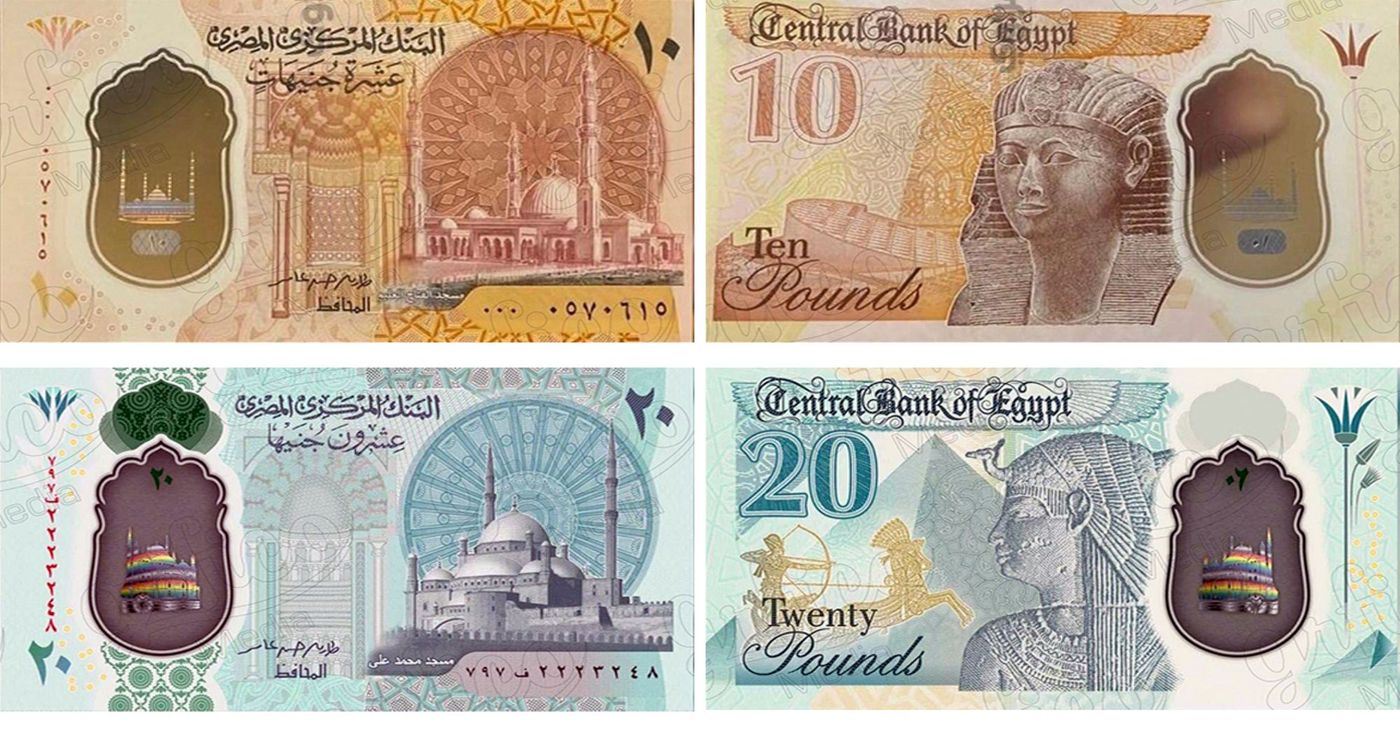
The United States dollar is the world's primary reserve currency and the official currency of the United States. Its currency code is USD and it is symbolized by the dollar sign ($). The Egyptian pound is the official currency of Egypt, with the currency code EGP and the symbol £. While the US dollar is a freely floating currency with its value set by global forex markets, the Egyptian pound has historically operated under a managed float system with periods of significant central bank intervention. The direct exchange rate between these two currencies shows how many Egyptian pounds are needed to purchase one US dollar. For Canadians, an intermediate step is often involved, as they typically convert Canadian dollars to US dollars first, or use a service that handles the conversion directly from CAD to EGP.
The relationship between the Canadian dollar and the Egyptian pound is also important for context. The CAD/EGP rate is distinct from the USD/EGP rate, though they often move in correlation due to the USD's role as a global benchmark. The performance of the Canadian dollar against the Egyptian pound can vary independently based on commodity prices, particularly oil, which heavily influences the CAD's value. In recent market data, the CAD/EGP exchange rate has shown volatility, with a 30-day high of 38.7666 and a 30-day low of 36.4565, representing a change of 4.83 percent over that period. Over 90 days, the range was wider, from a high of 38.7666 to a low of 35.4561.
How the USD to EGP Exchange Rate is Determined
The exchange rate between the US dollar and the Egyptian pound is primarily set by the foreign exchange market, where currencies are traded globally around the clock. The most accurate reflection of the currency's value at any moment is the mid-market rate, which is the midpoint between the buy and sell prices on these global markets. This is the rate you typically see on financial data feeds and in currency converter tools for informational purposes. However, the rate individuals and businesses actually receive for a transaction includes a margin added by the service provider, which is how many of them generate revenue. The rate you get can vary significantly depending on whether you use a bank, a credit card, or a dedicated money transfer service.
Several key economic and political factors cause the underlying mid-market rate to fluctuate. Interest rate differentials between the United States and Egypt are a major driver, as higher rates in Egypt can attract foreign capital, potentially strengthening the pound. Inflation rates are another critical factor, with high inflation in Egypt historically putting downward pressure on the EGP's value. The political stability of Egypt and broader geopolitical events in the region can lead to rapid shifts in investor confidence and currency value. The Egyptian central bank's monetary policy and its interventions in the forex market to manage the pound's volatility also play a decisive role in setting the official and parallel market rates.
Historical Context and Notable Rate Movements
The USD/EGP exchange rate has a history marked by periods of stability followed by sharp devaluations, often triggered by economic crises or policy shifts. For many years, the Egyptian pound was pegged to the US dollar at a fixed rate, but pressure on foreign reserves led to a move towards a more flexible exchange rate system. Major devaluations have occurred, significantly altering the cost of one US dollar in Egyptian pound terms. These events are critical for understanding the long-term trend of the EGP's depreciation against the USD, which affects the cost of imports, inflation, and the value of remittances sent into the country.
Tracking shorter-term volatility is also key for timing transactions. Recent market data illustrates this ongoing fluctuation. Over the last 7 days, the USD to EGP rate moved between 52.6533 and 53.9079. The 30-day range was wider, between 51.4199 and 53.9079, with an average rate of 52.4068. Looking at a 90-day window, the low was 49.6510 and the high was 53.9079, showing a substantial swing. This volatility of 0.46 percent over 90 days underscores why the timing of a transfer can impact how many Egyptian pounds are received for each US dollar sent.
Methods for Canadians to Convert USD to EGP
Canadians looking to convert US dollars to Egyptian pounds have several pathways, each with distinct cost structures and processes. The most common methods include using traditional banks, international money transfer specialists, and multi-currency accounts or cards. The choice often depends on the amount being sent, the desired speed, and the total cost, which is a combination of the exchange rate margin and any fixed transaction fees. It is crucial to compare the total amount of EGP that will be delivered to the recipient after all costs, rather than just focusing on the advertised exchange rate or fee alone.
- Banks: Major Canadian banks offer currency exchange and international wire transfers. They typically apply a significant markup to the mid-market rate and charge fixed wire transfer fees, which can make them a more expensive option.
- Specialist Transfer Services: Companies like Wise, Western Union, and Xe specialize in international transfers. They often offer more competitive exchange rates closer to the mid-market rate and transparent fee structures.
- Multi-Currency Accounts: Some digital services provide accounts where you can hold and convert multiple currencies, including USD and EGP, often at favourable rates for account holders.
- Credit/Debit Cards: Using a US dollar credit card or a Canadian card abroad in Egypt will involve a dynamic currency conversion at the point of sale or ATM, usually with a poor exchange rate and additional foreign transaction fees.
When initiating a transfer, the process typically involves selecting the currencies, entering the amount, choosing a payment method like a bank account or card, and selecting a delivery method for the recipient, such as bank deposit or cash pickup. Providers like Western Union have extensive agent networks in Egypt for cash pickup. It is important to review the full cost breakdown, including the exchange rate applied and all fees, before confirming any transaction. Providers are required to show this information upfront.
Fees and Costs Associated with Conversion
The total cost of converting USD to EGP is rarely just the visible transaction fee. The most significant cost is often the exchange rate margin, also known as the markup. This is the difference between the mid-market rate and the rate actually applied to your transfer. For example, a provider might use a rate that is 2-4 percent worse than the mid-market rate, which on a large transfer can represent a substantial hidden cost. Fixed fees are also common and can vary based on the transfer amount, payment method, and speed of delivery. A credit card payment may incur a cash advance fee and interest from the card issuer, in addition to the transfer service's fees.
Specialist services often promote their pricing as more transparent and cost-effective compared to traditional banks. For instance, some providers advertise using the real mid-market rate with no markup, charging only a small, clear percentage fee on the transfer amount. Others may offer a low fixed fee, such as $3.99 on initial transfers, but apply a less competitive exchange rate. The table below illustrates a hypothetical fee comparison structure based on common provider types, though actual costs vary by amount and provider.
To ensure you understand the full cost, always use a provider's live quote tool before sending. This will show the exact exchange rate being offered, all applicable fees, and the final amount in EGP that will be delivered. This allows for an apples-to-apples comparison between different services. Remember that the exchange rate on a general search engine like Google is usually the mid-market rate for information, not the rate you will receive.
Security and Practical Tips for Sending Money
Security is a paramount concern when sending money internationally. Reputable transfer providers use encryption and fraud prevention systems to protect transactions. When sending money, especially for cash pickup, it is critical to send only to people you know and trust. Always double-check the recipient's details, as errors can delay or misdirect funds. After sending, you will typically receive a Money Transfer Control Number (MTCN) or reference number, which should be kept private and shared only with the intended recipient to collect the funds. This number also allows you and the recipient to track the transfer's progress online or via a mobile app.
For the best experience, consider setting up rate alerts if you are not in a hurry to send money. Many currency apps and websites allow you to set a target USD/EGP rate and will notify you when the market reaches that level, helping you time your transfer for a more favourable rate. Be aware of the daily and weekly volatility in the currency pair, as highlighted by the recent 7-day range between 52.6533 and 53.9079. Finally, always review the total cost and the delivery estimate before you confirm. Understanding both the exchange rate applied and the fees ensures there are no surprises and that your money reaches its destination as efficiently as possible.
Frequently asked questions
What is the difference between the mid-market rate and the rate I get?
The mid-market rate is the midpoint between buy and sell prices on global currency markets. Money transfer providers apply an exchange rate margin to the mid-market rate. This applied rate, along with any transaction fees, determines the final cost of your transfer. The rate you receive from a provider will include this markup.
How can I get the best USD to EGP exchange rate?
To secure a good rate, compare offers from specialist transfer services that typically have lower margins than traditional banks. Use live quote tools to see the exact rate and fees upfront. If you have flexibility, consider setting a rate alert to notify you when the market rate reaches a desirable level. Avoid converting currency at airports or using dynamic currency conversion on credit cards, as these often have poor rates.
Are there limits on how much money I can send to Egypt?
Limits are set by individual financial service providers. These limits can vary based on your account type and verification level. You should check the specific maximum transfer amounts with your chosen provider. These limits may apply per transaction or over certain time periods.
How long does a money transfer from Canada to Egypt take?
Transfer times depend on the service used, payment method, and payout option. Transfers for cash pickup at an agent location can sometimes be completed within minutes. Bank-to-bank transfers may take one to three business days. The provider should give you an estimated delivery time when you get a quote for your transfer.
What is the safest way to send USD to EGP?
Using a reputable money transfer service with strong security measures is safest. Providers use encryption and fraud prevention efforts to help protect transfers. You should send money only to people you know and trust. It is important to keep your transfer reference number private and stay alert for scam warning signs.
Can I use a Canadian credit card to send money to Egypt?
Yes, some transfer services accept credit card payments. Your card issuer may treat this as a cash advance. A cash advance fee and immediate interest charges at a high rate may apply. It is generally more cost effective to use a debit card or bank account payment to avoid these fees.
Sources and further reading
- Canadian dollars to Egyptian pounds Exchange Rate. ... wise.com
- CAD to EGP | Convert Canadian Dollar to Egyptian Pound westernunion.com
- 1 USD to EGP, Convert US Dollars to Egyptian Pounds xe.com
This article explains how things work and is not financial, tax or legal advice. Rules, limits and rates change, so check the current figures with the Canada Revenue Agency, your province or your financial institution before you act.