Converting Canadian dollars to Costa Rican colones is a common need for Canadians travelling, sending money to family, or conducting business in Costa Rica. The exchange rate between the Canadian Dollar (CAD) and the Costa Rican Colon (CRC) fluctuates constantly based on global financial markets. Canadians have several options for conversion, including banks, credit cards, and specialized money transfer services, each with different fees and exchange rate margins. Understanding how the rate is set and the costs involved helps ensure you get the best value when converting your money.
Understanding the Canadian Dollar and Costa Rican Colon
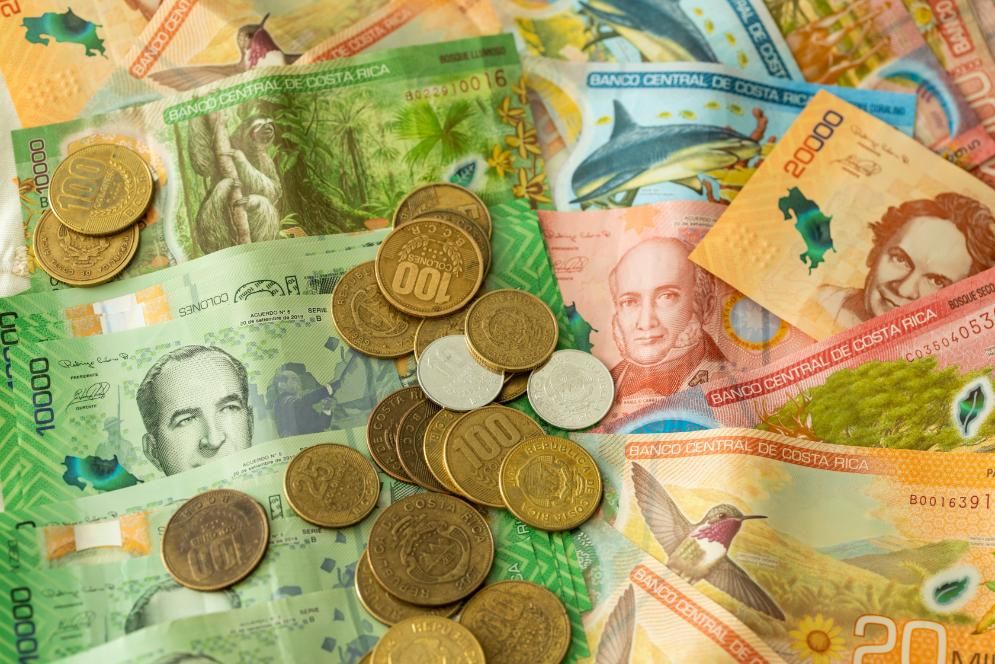
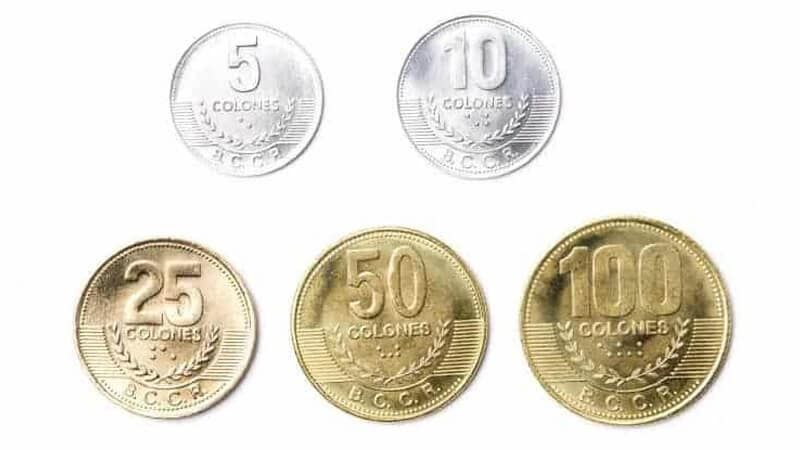
The Canadian Dollar is the official currency of Canada, issued by the Bank of Canada and represented by the code CAD and the symbol $. It is subdivided into 100 cents and is one of the world's major reserve currencies, heavily influenced by commodity prices like oil and natural gas. The Costa Rican Colon is the official currency of Costa Rica, represented by the code CRC and the symbol ₡. It is subdivided into 100 centimos and its value is influenced by the nation's economic policies, tourism sector, and agricultural exports like coffee and bananas. The exchange rate between these two currencies represents how many colones one Canadian dollar can purchase at a given moment in the global foreign exchange market. Both currencies are traded on international markets, with their relative values shifting based on a complex set of economic factors and investor sentiment.
How the CAD to CRC Exchange Rate is Determined
The primary reference for the CAD to CRC exchange rate is the mid-market rate, which is the midpoint between the global buy and sell prices for the currency pair. This rate is determined by the continuous trading between large financial institutions, corporations, and governments on the foreign exchange market. It is a wholesale rate that reflects the pure supply and demand for each currency without any added fees or margins. The mid-market rate is highly dynamic and can change many times per second as new trades are executed and global economic news is absorbed by the markets. Individual consumers and businesses do not typically transact at the pure mid-market rate, as service providers add a margin or fee to this base rate for their services.
Several key economic factors drive the movement of the CAD to CRC rate over time. Changes in interest rates set by the Bank of Canada versus the Central Bank of Costa Rica can make one currency more attractive to hold than the other. The relative economic growth and stability of Canada and Costa Rica, including inflation rates and employment figures, significantly impact investor confidence in each currency. Global commodity prices are a major driver for the Canadian dollar, as Canada is a significant exporter of resources like oil, minerals, and lumber. For Costa Rica, factors such as tourism revenue, agricultural export prices, and foreign direct investment flows can cause the colon to appreciate or depreciate against other currencies.
Historical Performance and Notable Rate Movements
The CAD to CRC exchange rate experiences constant fluctuation, with notable highs and lows observable over different time frames. These movements are tracked using the mid-market rate, which provides a consistent benchmark for comparison. Over short periods, the rate can exhibit volatility driven by market news, economic data releases, or shifts in global risk sentiment. Analysing these patterns over weeks and months helps illustrate the dynamic nature of the currency pair and the factors that can cause significant swings in value for Canadians converting money.
Recent performance data shows specific ranges for the CAD to CRC rate. Over a 30-day period, the rate reached a high of 321.8850 colones per Canadian dollar and a low of 316.7810 colones, resulting in an average rate of 319.5053. The total change over that month was an increase of 1.28 percent. Over a 90-day period, the range was wider, with a high of 327.0030 colones per dollar and a low of 316.7810 colones, leading to a 90-day average of 321.7518. The net change over the quarter was a more modest increase of 0.28 percent. When viewed from the opposite perspective, the CRC to CAD rate over the last 90 days moved between 0.0030 and 0.0031 Canadian dollars per colon, with an average of 0.0030.
Methods for Converting Canadian Dollars to Colones
Canadians have multiple avenues to convert their dollars into Costa Rican colones, each with distinct characteristics in terms of convenience, cost, and speed. The method chosen often depends on the amount being converted, the urgency of the transaction, and the individual's preference for digital versus in-person service. It is crucial to look beyond the advertised exchange rate and understand the total cost, which includes any transfer fees, transaction fees, or hidden margins applied to the mid-market rate. Comparing the final amount of colones you will receive after all costs is the best way to evaluate different providers.
Banks and traditional financial institutions offer currency conversion services both for cash and for international wire transfers. They typically apply a significant exchange rate margin on top of the mid-market rate, which can be several percentage points, and may also charge fixed wire transfer fees. Credit and debit cards are widely used for spending directly in Costa Rica, where the card network converts the purchase amount at their rate. Specialized money transfer services like Western Union and Xe operate online and through agent locations, offering both cash pickup and bank deposit options in Costa Rica.
- Banks: Offer wire transfers and cash exchange with built-in rate margins and fees.
- Credit/Debit Cards: Convenient for spending, but often incur foreign transaction fees.
- Online Money Transfer Services (e.g., Xe, Wise): Often advertise using the mid-market rate with a transparent fee.
- In-Person Transfer Services (e.g., Western Union): Provide cash pickup options at agent locations for the receiver.
Online-focused transfer services frequently promote their use of the real mid-market rate for conversion, adding a separate, transparent fee for the transfer. Providers like Xe allow users to see the exchange rate, transfer fee, and total cost upfront before confirming a transaction. These services can be particularly cost-effective for larger transfers, as their fees are often flat or a small percentage, compared to the wider margins traditionally charged by banks. It is important to note that when using a credit card to fund a money transfer, card issuers may treat it as a cash advance, incurring additional fees and immediate interest charges.
Fees and Costs to Consider When Converting Currency
The total cost of converting CAD to CRC is rarely just the visible exchange rate. Multiple layers of fees can be applied by different service providers, which eat into the amount of colones ultimately received. The exchange rate margin, often called a "spread," is the difference between the mid-market rate and the rate actually offered to you. This margin is a hidden fee that is built directly into the less favourable rate you are quoted. A provider might advertise "no fees" but still profit from a wide margin on the exchange rate. Always compare the final output amount in colones across different services to see who offers the most.
Explicit transfer fees are another common cost, charged as a flat fee or a percentage of the amount sent. For example, Western Union states its fees vary based on the transfer amount, payment method, destination, and payout option. Foreign transaction fees are typically charged by Canadian banks and credit card issuers, usually around 2 to 3 percent of the Canadian dollar amount of any purchase or withdrawal made in a foreign currency. If funding a transfer with a credit card, a card-issuer cash advance fee and associated interest charges may apply immediately. The table below illustrates how different provider types typically structure their costs.
| Provider Type | Typical Cost Components |
|---|---|
| Major Canadian Banks | Exchange rate margin (2-4%), wire transfer fee ($15-$50), possible receiving bank fee. |
| Online Transfer Services (e.g., Xe) | Small transparent fee, often uses mid-market rate. |
| In-Person Money Transfer (e.g., Western Union) | Variable transfer fee, exchange rate margin, fee depends on payment/payout method. |
To manage these costs effectively, Canadians should always review the full breakdown before confirming a transaction. Reputable services will show the exchange rate being applied, any transfer fee, and the exact amount the recipient will get in colones. For larger transfers, getting quotes from multiple providers can lead to significant savings. Setting up rate alerts through services like Xe can notify you when the mid-market rate reaches a desirable level, allowing you to time your transfer for better value.
Practical Steps for Sending Money to Costa Rica
Initiating a money transfer from Canada to Costa Rica involves a series of steps that are largely consistent across different service providers. The first step is to choose a provider and compare their total costs for your specific transfer amount. This involves entering the Canadian dollar amount you wish to send into the provider's online calculator or asking for a quote in person. The quote should clearly show the estimated exchange rate, any transfer fee, and the total Costa Rican colones the recipient will receive. It is at this stage that you can shop around to see which service offers the most colones for your dollars after all costs.
Once you select a provider, you will need to provide details about yourself and the recipient in Costa Rica. This includes your full name, address, and contact information, as well as the recipient's full name and their location details for pickup or bank deposit. You will then choose a payment method, such as a Canadian bank account debit, credit card, or debit card, or paying with cash at an agent location. You must also select a payout method for the recipient, such as cash pickup at a designated agent location or a direct deposit into a Costa Rican bank account. After paying and confirming the transfer, the provider will give you a tracking number, often called a Money Transfer Control Number (MTCN), which you and the recipient can use to monitor the transfer's progress.
Security and Tracking Your International Transfer
Security is a paramount concern when sending money internationally. Reputable money transfer providers employ robust encryption and fraud prevention systems to protect transactions whether they are conducted online, through a mobile app, or in person. It is essential for senders to also practice safe habits, such as sending money only to people they know and trust personally. Always double-check the recipient's details carefully before confirming the transfer, as errors can be difficult and slow to rectify once the money is sent. Keeping your transfer tracking number private and secure is also crucial, as it is the key to accessing information about your transaction.
Tracking your transfer provides peace of mind and transparency. After sending money, you will receive a confirmation with your unique MTCN or reference number. You can use this number on the provider's website or mobile app to see the status of your transfer, from processing to when it is available for pickup or deposited. Providers like Western Union and Xe offer real-time tracking so you know exactly when the funds are ready for your recipient. Staying alert for common scam warnings is also important. Be wary of any pressure to send money quickly, requests to send money to someone you have not met in person, or anyone asking you to pay fees to receive a prize or lottery winnings.
Frequently asked questions
What is the best way to convert Canadian dollars to Costa Rican colones?
There is no single best way, as it depends on your needs. For large transfers, online specialist services often offer better rates by using the mid-market rate with a low, transparent fee. For convenience while travelling, using a debit card for ATM withdrawals or a credit card for purchases is common, though foreign transaction fees apply. Always compare the total colones received after all fees from banks, cards, and transfer services for your specific amount.
Why is the exchange rate I get different from the rate on Google?
Google typically displays the mid-market rate, which is a wholesale reference rate from global currency markets. The rate you are offered by a bank, card network, or money transfer service includes a margin or fee to cover their costs and profit. This margin creates a difference between the Google rate and the consumer rate. Always check the final rate and fees quoted by your service provider before you complete a transaction.
How can I avoid high fees when sending money to Costa Rica?
To minimize fees, compare online transfer services that use the mid-market rate and charge a low, upfront fee. Avoid using credit cards to fund transfers if they trigger cash advance fees. For larger amounts, the flat fees of some services can be more economical than the percentage-based margins of others. Always review the full cost breakdown, including the exchange rate and any transfer fee, to see exactly how many colones will be delivered.
Can I set an alert for a specific CAD to CRC exchange rate?
Yes, several currency converter websites and apps offer rate alert functions. For example, services like Xe allow you to set a target rate for the CAD to CRC pair. You will receive a notification via email or app when the mid-market rate reaches your desired level. This can help you time your transfer to get more colones for your Canadian dollars, though the final rate offered by a provider will still include their margin.
How long does a money transfer from Canada to Costa Rica take?
Transfer times vary by provider and payout method. Transfers for cash pickup at an agent location can often be completed within minutes or a few hours. Transfers sent directly to a Costa Rican bank account may take one to three business days. The payment method you use, such as a bank debit versus a credit card, can also affect the speed. Your chosen provider will give you an estimated delivery time before you confirm the transfer.
Is it safe to send money to Costa Rica online?
Sending money online through established, reputable providers is generally safe. These companies use strong encryption and security measures to protect your financial information and transaction details. To enhance safety, only send money to people you know, keep your transfer tracking number private, and be cautious of unsolicited requests for money. Use the provider's official website or app and ensure you have a secure internet connection when initiating the transfer.
Sources and further reading
- Canadian dollars to Costa Rican colóns today wise.com
- CAD to CRC | Convert Canadian Dollar to Costa Rican Colon westernunion.com
- 1 CRC to CAD, Costa Rican Colones to Canadian Dollars ... xe.com
- Convert Costa Rica Colon to Canadian Dollars | CRC to CAD currency.me.uk
- Canadian Dollar (CAD) and Costa Rican Colon (CRC) ... coinmill.com
This article explains how things work and is not financial, tax or legal advice. Rules, limits and rates change, so check the current figures with the Canada Revenue Agency, your province or your financial institution before you act.