The US dollar to Canadian dollar exchange rate is a critical financial metric for Canadians, given the deep economic ties between the two nations. This rate determines the value of American currency in Canada and directly impacts trade, travel, and investment costs. The Canadian dollar has floated freely against the US dollar since 1970, with its value influenced by factors like commodity prices and interest rate differentials. Understanding this conversion is essential for anyone sending money across the border, shopping from US retailers, or managing cross-border finances.
Understanding the US and Canadian Dollars
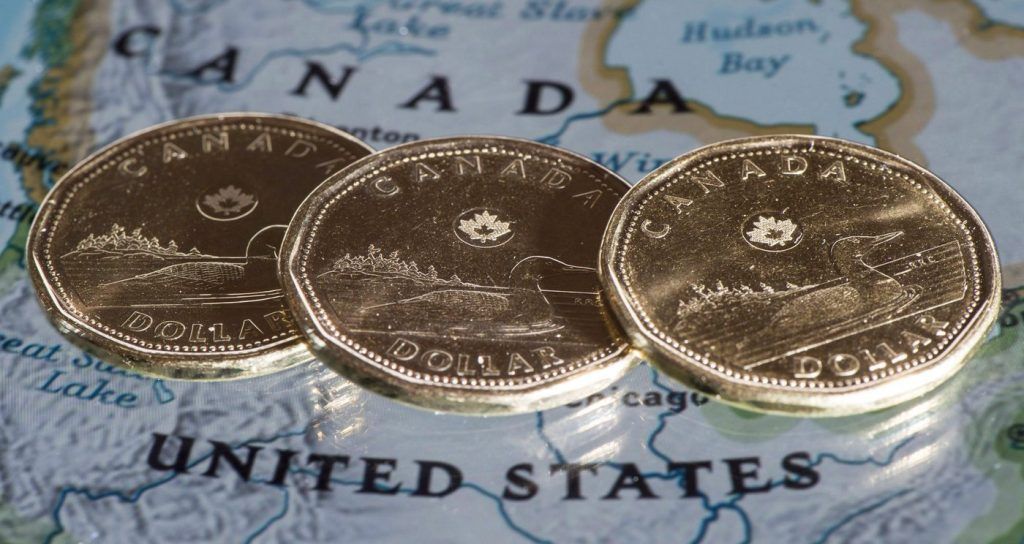
The US dollar is the official currency of the United States and is the world's most widely traded currency. Its global use in international trade and finance is extensive. The Canadian dollar is the official currency of Canada and is the sixth most traded currency globally. It is frequently called a commodity currency due to Canada's significant exports of natural resources like oil. The Canadian dollar's symbol is $, identical to the US dollar, leading to the use of disambiguating abbreviations like Can$, CA$, or C$ in financial contexts. In everyday Canadian English, the dollar coin and sometimes the currency itself are called the loonie, after the common loon depicted on the coin, while the two-dollar coin is called a toonie.
Canadian French slang for the dollar includes piastre or piasse and huard, which is the French word for loon. The subdivision is called a cent, though sou is an informal term for a one-cent coin. A historical quirk is the term trente sous for a 25-cent coin, which dates back to pre-Confederation exchange rates. The Canadian dollar is the fifth-most held reserve currency in the world as of 2024, accounting for about two per cent of global reserves. Central banks favour it because of Canada's relative economic soundness, the government's strong sovereign position, and the stability of the country's legal and political systems.
How the USD to CAD Exchange Rate is Set
The exchange rate between the US dollar and Canadian dollar is a floating rate, meaning its value is determined by supply and demand in the global foreign exchange market. This system has been in place since 1970 when Canada abandoned its last fixed peg to the US dollar. The mid-market rate is the midpoint between the global buy and sell prices for the currency pair and is the benchmark rate quoted in financial media. This interbank rate is typically for large minimum amounts, often around US$5 million, as used by banks and institutional participants in the wholesale market. When individuals or businesses convert smaller amounts, they are offered a retail rate which includes a spread added to the interbank rate by the service provider.
The spread accounts for the service, market risk, and the cost of handling smaller transactions. The Bank of Canada publishes a daily exchange rate each business day by 16:30 Eastern Time, which serves as a key reference point. The central bank has no official target value for the Canadian dollar and has not intervened in foreign exchange markets since 1998, allowing market conditions to determine the currency's worth. Financial institutions apply their own margins to this benchmark when providing rates to retail customers, which is how they generate revenue from currency conversion services.
What Moves the USD to CAD Rate
The value of the Canadian dollar relative to the US dollar is influenced by a complex mix of economic factors and market sentiment. A primary driver is the price of commodities, particularly oil, which has led to the Canadian dollar being labelled a petrocurrency. When global oil prices rise, the CAD often strengthens against the USD due to increased revenue for Canada's significant oil exports. Conversely, falling oil prices can weaken the loonie. Interest rate differentials between the Bank of Canada and the US Federal Reserve are another major factor. Higher interest rates in Canada can attract foreign investment, increasing demand for CAD and pushing its value up.
Strong US economic data can bolster the USD, while positive Canadian economic indicators like GDP growth, employment figures, and trade balances can support the CAD. Given that approximately 76.7% of Canada's exports go to the US and 53.3% of its imports come from there, trade flows and cross-border economic conditions have an outsized impact. Global risk sentiment also affects the pair. In times of market uncertainty, investors often flock to the US dollar as a safe-haven asset, which can cause the CAD to depreciate. These factors combine to create the daily volatility observed in the USD to CAD exchange rate, making it a key focus for businesses and travellers alike.
Historical Exchange Rate Context
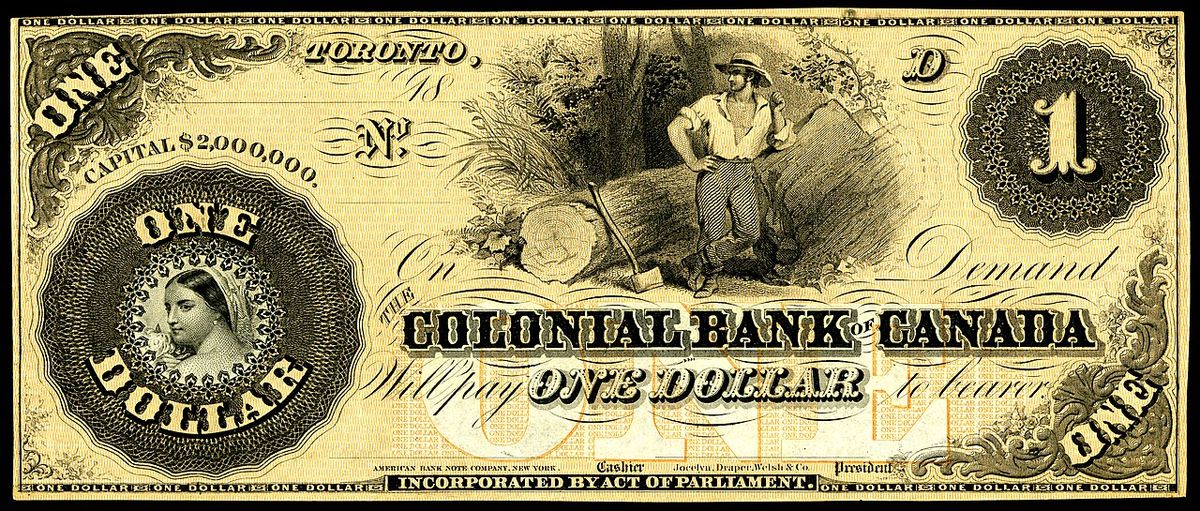
The monetary history of Canada and the United States has been intertwined since before Confederation. In the 1850s, British North American provinces debated adopting a sterling-based system versus a decimal system tied to the US dollar. Practicality in trade with the US won out, and the Province of Canada aligned its currency with the US dollar unit in 1858. The Canadian dollar traded at a record high in terms of US paper currency on July 11, 1864, during the American Civil War when the US greenback was inconvertible. The rate reached US$2.78, although this was a historical anomaly based on the specific circumstances of the US currency at the time.
Canada maintained a gold standard until 1933. During World War II, the exchange rate was fixed at Can$1.10 = US$1.00, changed to parity in 1946, and then back to Can$1.10 = US$1.00 in 1949 following a British pound devaluation. Canada allowed its dollar to float in 1950, and it traded at a slight premium for a decade before being pegged again in 1962 at Can$1.00 = US$0.925, a rate sometimes called the Diefenbuck. This peg ended in 1970, and the currency has floated freely since.
How Canadians Convert USD to CAD
Canadians have several options for converting US dollars to Canadian dollars, each with different costs and conveniences. Major Canadian banks offer currency exchange services at their branches and through online banking platforms. For example, RBC allows clients to transfer and convert funds between linked Canadian and US accounts online, with instant transfers for amounts up to $25,000 per transaction. Banks typically use a retail exchange rate that includes a spread over the mid-market rate, which is how they generate revenue from the service. Some premium bank accounts may offer preferred exchange rates as a benefit. Specialist foreign exchange services and online money transfer providers like Wise and Western Union are popular alternatives. These services often advertise using the real mid-market rate and charging a transparent, upfront fee, which can result in better value for larger transfers. Credit and debit cards are commonly used for conversions during travel or online shopping. For physical cash, exchanges can be done at banks, currency exchange kiosks, and some post offices, though rates and fees vary widely.
- Banks: Use retail rates with a spread. Offer online transfers between linked accounts.
- Online Transfer Services: Often use mid-market rates with a clear fee.
- Credit/Debit Cards: Use network rates plus a foreign transaction fee.
- Currency Exchange Kiosks: Convenient for cash, but rates are less favourable.
When selecting a currency conversion method, one should compare the total cost, which includes any transaction fees and the exchange rate margin. For large money transfers, it is advisable to obtain quotes from several different service providers. Some financial services offer users the ability to set exchange rate alerts. These alerts notify the user when the US dollar to Canadian dollar rate reaches a specific, desired level. This functionality enables a more strategic timing for the currency conversion.
Fees and Limits for Currency Conversion
The cost of converting USD to CAD is not just the exchange rate. It also includes various fees and may be subject to transaction limits. Banks typically earn revenue through the spread between their buy and sell rates rather than a flat fee, though some may charge a small transaction fee. Online transfer services like Wise charge a transparent percentage fee and/or a fixed fee, while advertising the mid-market rate. Credit card companies usually charge a foreign transaction fee, which is a percentage of the converted amount, on top of the exchange rate set by Visa or Mastercard. Financial institutions often impose limits on transaction amounts for security and operational reasons.
For instance, RBC sets a limit of $25,000 per online cross-border transfer between linked Canadian and US accounts, with higher amounts requiring a phone call to an advisor. There is generally no limit to the number of such transfers one can make. When obtaining physical US cash in Canada, individuals can use their Canadian debit cards at US ATMs, but will face ATM fees from both the Canadian bank and the US ATM operator, plus a currency conversion charge. These fees can add up, so it is wise to check your bank's specific policies before travelling.
| Service Type | Typical Cost Component | Common Limits |
|---|---|---|
| Bank Branch/Online | Exchange rate spread | ~$25,000 per online transfer |
| Online FX Specialist | Percentage or fixed fee | High limits, often $1M+ |
| Debit Card ATM Withdrawal | ATM fee + conversion charge | Daily ATM withdrawal limit |
For individuals who frequently need to convert US dollars to Canadian dollars, holding a US dollar bank account within Canada can be a strategic approach. This method allows one to hold US currency and convert it only when the exchange rate is favourable. By doing so, one can avoid incurring repeated transaction costs on each individual conversion. Many Canadian banks offer these US dollar accounts, and they can often be linked to a customer's regular Canadian dollar banking services for convenience.
Practical Tips for Cross-Border Transactions
Managing money across the US-Canada border involves more than just finding a good exchange rate. For Canadians travelling to the US, accessing cash can be done through several methods. Using a Canadian debit card at a US ATM is straightforward, especially at network ATMs like Allpoint or PNC which may offer no-fee access. Many larger US retailers allow customers to get cash back when making a debit card purchase, which is a convenient way to obtain US dollars without a separate ATM visit. It is also possible to get a cash advance from a US financial institution using a US Visa Debit card and photo ID, with limits up to $5,000 depending on the institution.
When receiving US dollar income or making regular US dollar payments, opening a US dollar account at a Canadian bank or a cross-border banking account can simplify management. These accounts allow you to hold, send, and receive USD without immediate conversion. For sending larger amounts to the US, using a service that provides the mid-market rate and a low, transparent fee is often the most cost-effective strategy. Always check the full cost, including any receiving fees on the other end, before initiating a transfer. Being aware of daily rate fluctuations and using tools like rate alerts can help you time your conversions to get more Canadian dollars for your US currency.
Frequently asked questions
What is the best way to convert US dollars to Canadian dollars?
The best method depends on the amount and urgency. For large transfers, online foreign exchange specialists often offer better rates by using the mid-market rate and charging a clear fee. For convenience and smaller amounts, bank transfers between linked cross-border accounts can be instant and free of transfer fees, though the exchange rate includes a spread. Always compare the total cost, including all fees and the exchange rate margin, before deciding.
Do Canadian banks charge fees to convert USD to CAD?
Canadian banks typically do not charge a separate flat fee for currency conversion. Instead, they incorporate their cost and profit into the exchange rate spread, which is the difference between the rate they buy currency at and the rate they sell it to you. This means the rate you receive is less favourable than the mid-market rate. Some premium bank accounts may offer preferred rates with a smaller spread as a benefit.
Can I use US dollars in Canada?
US dollars are not legal tender in Canada. However, some Canadian businesses, particularly those in border cities, tourist areas, and snowbird destinations, may accept US cash as a courtesy. The exchange rate used by these businesses is usually at their discretion and is often not favourable. It is generally recommended to convert US dollars to Canadian currency for routine transactions within Canada.
What was the highest historical USD to CAD exchange rate?
The highest historical exchange rate occurred on July 11, 1864, during the American Civil War. At that time, one Canadian dollar was worth US$2.78. This record high was a unique event because the US dollar was an inconvertible paper currency not backed by gold. In contrast, the Canadian currency of the period had a stronger monetary basis.
How often does the USD to CAD exchange rate change?
The US dollar to Canadian dollar exchange rate changes continuously throughout every business day. It is traded on the global foreign exchange market and fluctuates based on real-time supply and demand. The Bank of Canada publishes an official daily exchange rate each business day by 16:30 Eastern Time. This rate serves as a formal benchmark, but the live market rate can vary from it throughout the day.
Is there a limit on how much USD I can convert to CAD?
There is no government limit on the amount of currency you can convert. However, individual financial institutions set their own transaction limits for security and operational reasons. For example, one major bank limits online transfers between linked Canadian and US accounts to $25,000 per transaction. To convert larger amounts, you may need to contact the bank directly or use a service specializing in large foreign exchange transactions.
Sources and further reading
- Canadian dollar (Wikipedia) en.wikipedia.org
- 1 USD to CAD, US Dollars to Canadian Dollars Exchange ... xe.com
- USD ⇔ CAD Currency Converter, RBC Bank rbcbank.com
- US dollars to Canadian dollars Exchange Rate. Convert ... wise.com
- 1 USD to CAD oanda.com
- USD to CAD | Convert US Dollar to Canadian Dollar westernunion.com
This article explains how things work and is not financial, tax or legal advice. Rules, limits and rates change, so check the current figures with the Canada Revenue Agency, your province or your financial institution before you act.