Converting US dollars to Brazilian reais is a common financial transaction for Canadian travellers, investors, and businesses with ties to Brazil. The exchange rate between these two major currencies fluctuates constantly based on global market forces, economic data, and political events in both nations. For Canadians, understanding this rate involves knowing the indirect path, as conversions often go through the Canadian dollar. This knowledge is crucial for getting the best value when sending money, making purchases, or managing finances involving Brazil.
Understanding the US Dollar and Brazilian Real
The US dollar is the world's primary reserve currency and the official currency of the United States. Its strength and stability are closely watched by global markets, and it serves as a benchmark for many international transactions. The real's value is influenced heavily by Brazil's commodity exports, domestic political climate, and economic policies set by the country's central bank. For Canadians, direct conversion between the Canadian dollar and the Brazilian real is more common than USD to BRL conversions. However, understanding the USD/BRL pair is important because the US dollar often acts as an intermediary in global finance. Many international transfer services and financial institutions will first convert Canadian dollars to US dollars before converting to Brazilian reais. The performance of the US dollar against the Brazilian real can therefore indirectly affect the final amount a Canadian receiver gets.
The exchange rate you see quoted online is typically the mid-market rate, which is the midpoint between the global buy and sell prices in the wholesale currency market. This rate is used for very large transactions, often in the millions of dollars. Retail customers, including individuals and small businesses, do not receive this rate when converting money through a bank or transfer service. Instead, they are offered a retail rate that includes a margin or spread added by the provider. The interbank rate quoted in the media is typically for a minimum amount of US$5,000,000, which is far beyond the scope of personal transfers.
How the USD to BRL Exchange Rate Is Determined
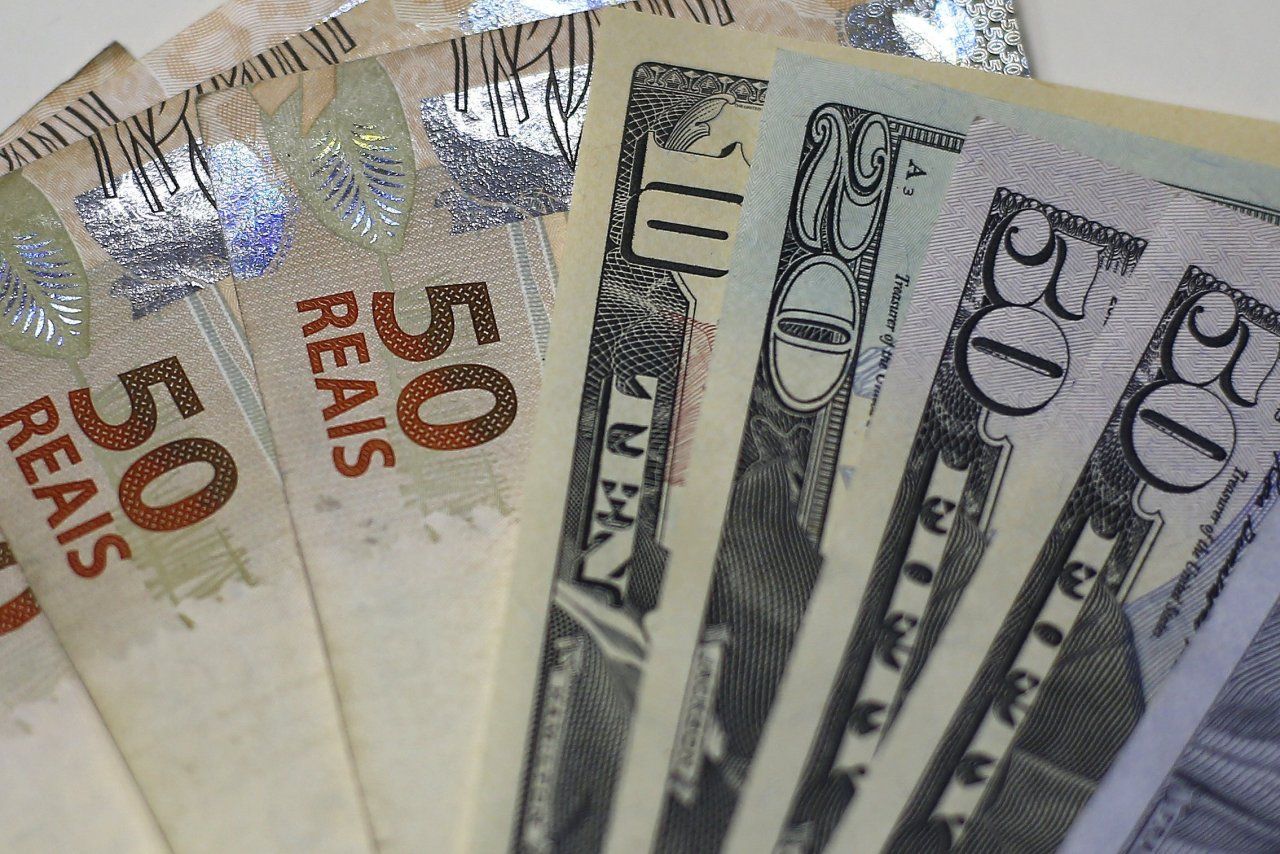
The exchange rate between the US dollar and the Brazilian real is set by the foreign exchange market, where currencies are traded 24 hours a day. This market is the largest financial market in the world. The price is determined by the continuous buying and selling activities of banks, investment funds, corporations, and governments. Key economic indicators from both countries cause the rate to move throughout the trading day.
Several fundamental factors drive the value of the USD/BRL pair. Interest rate decisions by the US Federal Reserve and the Central Bank of Brazil are primary drivers. Higher interest rates in a country can attract foreign investment, increasing demand for its currency. Inflation rates also play a critical role. If Brazil's inflation runs hotter than that of the US, the real can lose purchasing power relative to the dollar.
Brazil's economy is heavily dependent on exporting commodities like soybeans, iron ore, and oil. Therefore, global prices for these goods significantly impact the real's strength. Political stability and fiscal policy within Brazil are other major influences, as investors assess risk. Market sentiment and global demand for emerging market assets versus safe-haven US dollars cause constant fluctuations in the rate. The rate is highly dynamic and can change frequently throughout the day as currency values shift with global financial markets.
Historical Context and Notable Rate Movements
Initially, its value was pegged to the US dollar. This fixed exchange rate regime lasted until early 1999, after which the real was allowed to float freely on the international market. Since then, the USD/BRL rate has experienced significant volatility, reflecting Brazil's economic cycles and external shocks. The exchange rate has seen dramatic highs and lows over the past decades. Conversely, during commodity booms and periods of strong economic growth and political stability, the real has appreciated against the dollar.
For Canadians monitoring the rate, it is important to recognize that the CAD/BRL pair moves based on the value of the Canadian dollar. The Canadian dollar is a commodity linked currency. The relative performance of the Canadian and US economies adds another layer to the conversion from CAD to BRL. The performance of CAD to BRL in the last 30 days saw a 30 day high of 3.6842 and a 30 day low of 3.4921. This short term volatility also affects the broader USD/BRL relationship through cross currency dynamics.
Methods for Converting Currency: A Detailed Look
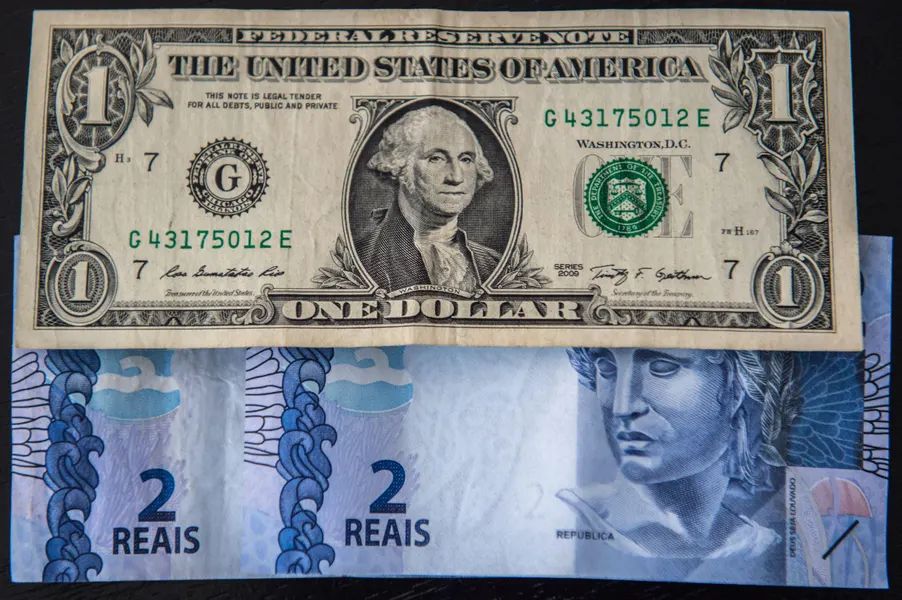
Canadians have several options for converting funds that will ultimately become Brazilian reais, whether for travel, sending remittances, or business. The most common methods involve using banks, credit or debit cards, and specialized money transfer services. Each channel has different costs, speed, and convenience trade-offs. The process often involves two currency conversions when starting with Canadian dollars: first to US dollars or directly to Brazilian reais.
Major Canadian banks offer currency conversion services. For example, RBC allows clients to transfer money between linked Canadian and US accounts. Clients can exchange up to $25,000 CAD or USD per transaction instantly online when signed into online banking. For transfers exceeding $25,000, clients must call the bank, and advisors can accommodate single transfers up to $100,000. These cross-border transfers between RBC accounts are free, but the exchange rate applied includes the bank's spread. With RBC Bank Online Banking and the RBC mobile app, you can exchange and move CAD to USD and USD to CAD instantly and for free between your Canadian and U.S. RBC accounts, 24/7.
Using credit or debit cards abroad is another common method. Canadian cards can be used for purchases or ATM withdrawals in Brazil. Transactions are converted at the network rate (like Visa or Mastercard's rate) plus any foreign transaction fees the card issuer charges. Some premium bank accounts offer preferred exchange rates. For instance, RBC's Premium Checking account provides a preferred rate for currency conversions. Canadians can also obtain cash in the US using a US Visa Debit card via cash back at retailers or cash advances at financial institutions for up to $5,000.
Specialized money transfer services like Western Union and Xe provide alternative pathways. These services often market lower fees and competitive exchange rates compared to traditional banks. They allow conversions and transfers online, via mobile apps, or in person at agent locations. Providers show the total cost upfront, including the exchange rate margin and any transfer fee, before the customer confirms the transaction. You can send money to Brazil the way that’s convenient for you: online, with our app, or in person at an agent location.
- Banks: Offer integrated cross-border accounts with instant transfers, subject to per-transaction limits.
- Money Transfer Apps (e.g., Xe): Use the real mid-market rate with a transparent service fee, allowing transfers to 190+ countries.
- Agent Services (e.g., Western Union): Enable cash pickup at physical locations in Brazil, with fees varying by amount and payment method.
- Prepaid Travel Cards: Allow loading of multiple currencies in advance, though they may have loading and usage fees.
- Currency Exchange Bureaus: Found at airports and tourist centres, typically offering less favourable rates with high margins.
A Detailed Breakdown of Fees and Charges
The total cost of converting currency is rarely just the advertised exchange rate. Financial institutions and transfer services add margins and fees. The retail exchange rate offered to consumers includes a spread over the interbank mid-market rate. This spread accounts for the service provider's profit and the risk of market movement between the time a small client transaction is made and when the provider can aggregate many small transactions to trade in the wholesale market.
Banks typically charge this spread as their primary fee for conversion. Some may also have fixed transaction fees for international wire transfers or currency exchange services. Using a card for a cash advance at an ATM or bank will incur additional cash advance fees and immediate interest charges. If you’re using a credit card, a card-issuer cash advance fee and associated interest charges may apply.
Money transfer services like Western Union have fees that vary based on the transfer amount, payment method, destination, and chosen payout option. Their exchange rates also include a margin. Providers such as Xe advertise using the real mid-market rate with no hidden fees, though they may charge a transparent service fee depending on the transfer type and corridor. It is critical for Canadians to review the full cost breakdown, including the exchange rate applied and any separate fees, before confirming any international money transfer to Brazil. Western Union shows an estimated rate before you confirm your international money transfer so you can see the total cost and what your receiver will get.
| Provider Type | Typical Fee Structure | Key Cost Consideration |
|---|---|---|
| Major Banks (e.g., RBC) | Exchange rate spread. Possible wire fees. | Spread built into retail rate. Free transfers between linked cross-border accounts. |
| Debit Cards | Foreign transaction fee. ATM operator fee. | Network rate plus multiple potential per-transaction fees. |
| Online Transfer Services (e.g., Xe) | Transparent service fee. Uses mid-market rate. | Often lower margins than banks. Fee shown upfront. |
| Money Transfer Agents (e.g., Western Union) | Variable transfer fee. Exchange rate margin. | Fee depends on amount, payment, and payout method. Rate includes margin. |
Practical Steps and Security for Sending Money
When planning a currency conversion involving Brazilian reais, Canadians should follow a series of steps to ensure a smooth and cost-effective transaction. First, determine the exact amount you need to send and the urgency of the transfer. Next, compare the total costs from at least two or three different providers, including the exchange rate offered and all applicable fees. Use online comparison tools or live quoters provided by services like Western Union or Xe to get real-time estimates. Finally, review the delivery options, such as bank deposit or cash pickup, and choose the one that best suits your receiver's needs in Brazil.
Security is another vital consideration. Reputable providers use encryption and fraud prevention measures. Customers should only send money to people they know and trust, keep tracking numbers private, and be vigilant about scams. Services like Western Union allow tracking of transfers using a Money Transfer Control Number (MTCN). For added safety, send money only to people you know and trust, check receiver details carefully, keep your MTCN private, and stay alert for scam or fraud warning signs. Our encryption and fraud prevention efforts help protect your Western Union money transfers.
For those with frequent cross-border needs, maintaining a US dollar account can be a strategic way to manage currency risk. This allows Canadians to hold US dollars when the CAD is strong and convert to BRL when the USD/BRL rate is favourable, without having to convert from CAD to USD each time. Some Canadian banks offer linked cross-border banking packages that facilitate this, with instant and free transfers between the accounts. With RBC Bank, you can transfer CAD to USD and back as many times as you want all for free. This strategy helps you wait until you see a better rate to convert your currency.
- Determine the amount and purpose of the transfer (e.g., travel, remittance, investment).
- Compare live exchange rates and total fees from banks, card networks, and transfer services.
- Check transfer limits for your chosen method (e.g., $25,000 per transaction for RBC online).
- Choose a secure payment method (bank account, debit card) to avoid credit card cash advance fees.
- Select a payout method for the receiver in Brazil (bank deposit or cash pickup).
- Review the full cost breakdown and estimated delivery time before confirming.
- Securely save the transaction receipt and tracking number (MTCN).
- Notify your receiver of the transfer details and any information they need for pickup.
Maximizing Value and Managing Exchange Rate Risk
Canadians can adopt several strategies to get better value from their currency conversions and manage the risk of fluctuating exchange rates. One effective method is to monitor the live exchange rate over time and set up rate alerts. Services like Xe allow you to set an alert for the CAD to BRL or USD to BRL rate, sending a notification when your desired rate is reached. This helps you avoid converting money during temporary dips and wait for more favourable market conditions. You can set up a CAD to BRL rate alert on our rate alerts page or within the Xe app.
Another way to save is to hold onto your US currency until rates are favourable. When you have a U.S. checking and/or savings account, you can keep your money in U.S. dollars until you’re ready to exchange it. That means you can wait until you see a better rate to convert your currency. Linking your Canadian and U.S. RBC accounts allows you to transfer money cross-border when conversion rates are favorable. When the CAD is high, convert CAD to USD. When the USD is high, convert your USD to CAD or directly to BRL if the service allows.
Using the right financial products can also reduce costs. A bank account like RBC's Premium Checking account offers a preferred exchange rate, providing a better rate every time you convert currency. For sending larger amounts, some transfer services offer fee discounts or rewards. For example, Western Union Rewards members can earn points, where 500 points equals up to a $2 CAD discount on money transfer fees. Always ensure you are using a secure, reputable provider to protect your funds and personal information throughout the process.
Frequently asked questions
What is the best way to convert CAD to BRL?
There is no single best way, as it depends on the amount, speed, and cost preferences. Banks offer security and convenience for large transfers, especially if you have a cross-border account package. Money transfer services often provide competitive exchange rates and lower fees for smaller amounts. Using a credit or debit card with no foreign transaction fee can be efficient for travel spending. Always compare the total cost, including the exchange rate margin and any fees, before deciding.
Why is the exchange rate I get different from the one online?
The rate you see online on financial portals is typically the mid-market rate, a wholesale benchmark for large transactions. The rate you receive from a bank, card network, or transfer service is a retail rate. This retail rate includes a spread or margin added by the provider to cover their costs, profit, and market risk. The final rate can also vary by the amount you are converting, your payment method, and the specific service you use.
Are there limits on how much money I can convert or send?
Yes, limits exist and vary by institution. For example, RBC Bank allows online cross-border transfers of up to $25,000 CAD or USD per transaction between linked accounts. For amounts over $25,000, you must call the bank, where advisors can handle single transfers up to $100,000. Money transfer services also have limits based on regulatory requirements and their own policies. There is generally no limit on the number of transfers you can make.
What fees should I expect when converting USD to BRL?
Expect two main types of costs: an exchange rate margin and potential transaction fees. The margin is built into the retail exchange rate you are offered. Additionally, banks may charge wire transfer fees, card issuers charge foreign transaction fees (often a percentage of the amount), and transfer services have variable fees based on transfer size and payout method. Always review the full cost breakdown before confirming a transaction.
Can I open a US dollar account in Canada to help with conversions?
Yes, many Canadian banks offer US dollar accounts to residents. These accounts allow you to hold US dollars. This can be useful if you frequently convert to Brazilian reais or other currencies. Some banks, like RBC, offer integrated cross border banking. This links your Canadian and US accounts for instant, fee free transfers between them. This can be advantageous for timing your currency conversions.
How can I get cash in Brazilian reais while travelling?
The most common method is to use your Canadian debit or credit card at an ATM in Brazil. You will receive reais at the network exchange rate, but your card issuer will likely charge a foreign transaction fee and possibly an ATM operator fee. Alternatively, you can convert Canadian dollars to US dollars or reais at a currency exchange before travel, though rates may be less favourable. Some money transfer services also allow you to send money to yourself for cash pickup at an agent location in Brazil.
Sources and further reading
- Canadian dollars to Brazilian reais today wise.com
- 1 CAD to BRL, Canadian Dollars to Brazilian Reais ... xe.com
- CAD to BRL | Convert Canadian Dollar to Brazilian Real westernunion.com
- Convert Brazilian Reals to Canadian Dollars | BRL to CAD currency.me.uk
- USD ⇔ CAD Currency Converter, RBC Bank rbcbank.com
This article explains how things work and is not financial, tax or legal advice. Rules, limits and rates change, so check the current figures with the Canada Revenue Agency, your province or your financial institution before you act.