Converting US dollars to Bangladeshi takas is a common transaction for Canadians sending money to family or conducting business in Bangladesh. The exchange rate between the US dollar and the Bangladeshi taka is determined by global foreign exchange markets and influenced by economic factors in both countries. Canadians have several options for converting their funds, including banks, credit cards, and specialized money transfer services, each with different fees and exchange rate margins. Understanding how the rate is set and the costs involved can help ensure you get the most value when sending money abroad.
Understanding the US Dollar and Bangladeshi Taka
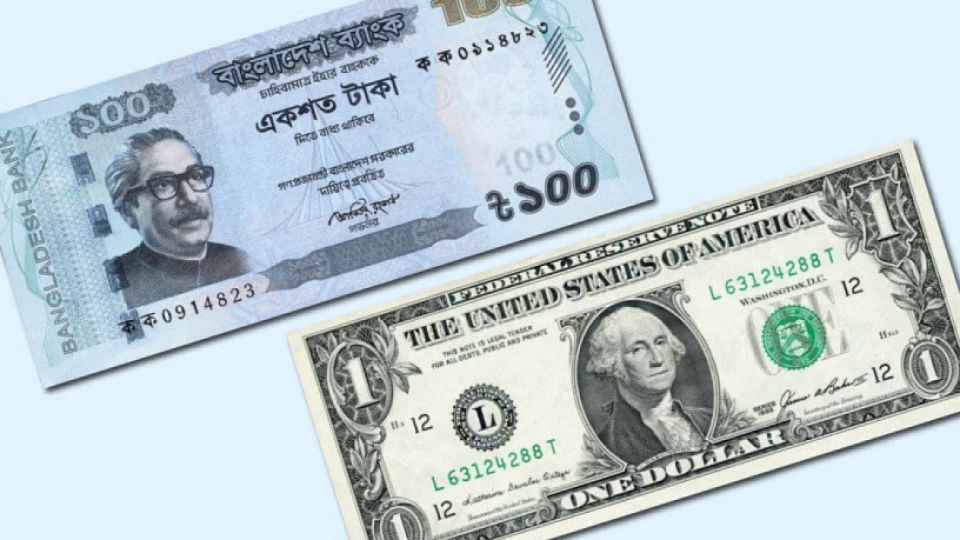
The US dollar is the official currency of the United States and is the world's primary reserve currency, widely used in international trade and finance. Its currency code is USD and it is symbolized by the dollar sign $. The Bangladeshi taka is the official currency of Bangladesh, with the currency code BDT and the symbol ৳. The taka is managed by the Bangladesh Bank, the country's central monetary authority. Both currencies are freely traded on the global foreign exchange market, where their relative value is constantly determined. For Canadians, transactions often involve converting Canadian dollars to US dollars first, or directly converting US dollars held to Bangladeshi takas for specific remittances or payments.
How the USD to BDT Exchange Rate Is Determined
The exchange rate between the US dollar and the Bangladeshi taka is a floating rate, primarily set by supply and demand in the global foreign exchange market. The mid-market rate is the benchmark, calculated as the midpoint between the buy and sell prices offered by major financial institutions. This rate is the most accurate reflection of the currency's value at any given moment. Money transfer services and banks typically do not offer this exact rate to consumers, instead adding a margin to create their own buy and sell rates. The live mid-market rate fluctuates continuously based on trading activity across global financial centres.
Several key economic factors drive movements in the USD to BDT rate. Interest rate decisions by the US Federal Reserve and the Bangladesh Bank directly influence capital flows and currency strength. The trade balance between the United States and Bangladesh affects demand for each other's currencies. Inflation rates in both countries can erode purchasing power and impact the exchange rate. Political stability and economic growth forecasts also play a significant role in investor confidence and currency valuation. These factors combine to create the dynamic and often volatile environment that characterizes the foreign exchange market.
Historical Context and Rate Volatility
Since then, its value against major currencies like the US dollar has generally depreciated, reflecting economic development and inflation differentials. The exchange rate regime has evolved, with Bangladesh moving towards a more market-oriented system managed by the Bangladesh Bank. Historical analysis shows the taka has experienced periods of relative stability and sharper movements in response to domestic and international economic shocks. Examining recent volatility provides insight into typical market movements. Over a 30-day period, the CAD to BDT rate (a closely related pair) saw a high of 87.9967 and a low of 86.1984, with an average of 86.7793. Over 90 days, the range was wider, from a high of 89.2099 to a low of 86.1984, averaging 87.8558. While these figures are for the Canadian dollar, they illustrate the kind of fluctuation also present in the USD/BDT pair, where daily ranges are common. Significant events like changes in Bangladesh's foreign exchange reserves, shifts in remittance flows, or major US monetary policy announcements have historically led to notable highs and lows in the exchange rate.
Methods for Converting USD to BDT from Canada
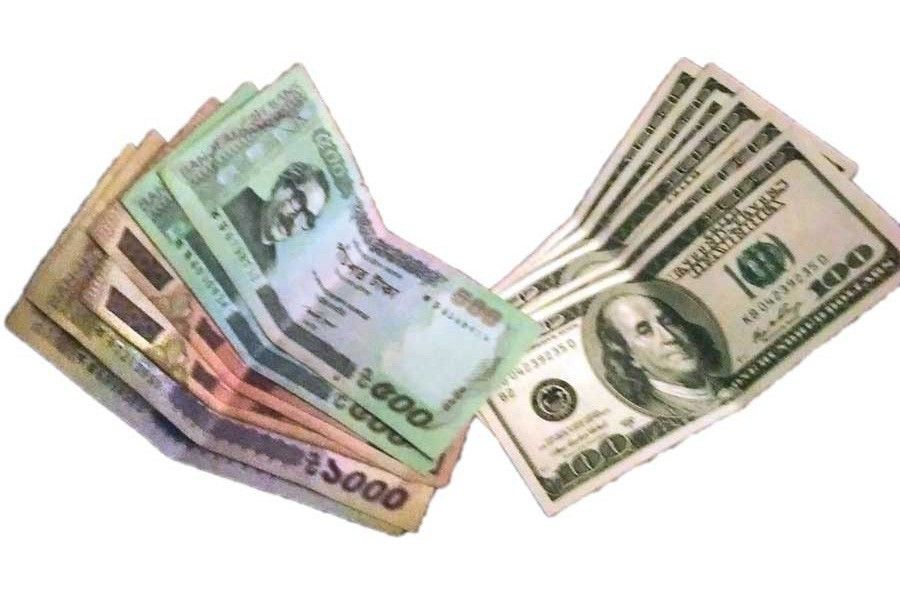
Canadians looking to convert US dollars to Bangladeshi takas have multiple channels available, each with distinct cost structures and processes. The most common methods are through banks, online money transfer specialists, and using credit or debit cards. The total cost of conversion is typically composed of two parts: a service or transfer fee and the margin applied to the exchange rate. It is crucial to review both components together to understand the full cost before initiating a transaction, as a provider advertising low fees may compensate with a less favourable exchange rate.
Banks are a traditional option, offering security and convenience for account holders. They allow conversions through wire transfers or foreign exchange desks. Online money transfer services like Western Union, Wise, and Xe specialize in international remittances and often provide more competitive rates and lower fees than traditional banks. These services typically allow you to initiate transfers online or via a mobile app, with options for cash pickup at agent locations in Bangladesh or direct bank deposit. Credit and debit cards can be used for conversions during point-of-sale purchases or ATM withdrawals in Bangladesh, but often incur foreign transaction fees and dynamic currency conversion charges that can be costly.
- Banks: Offer wire transfers and forex services, often with higher fees and wider exchange rate margins.
- Online Transfer Services (e.g., Western Union, Wise, Xe): Provide online platforms, competitive rates, and options for cash pickup or bank deposit.
- Credit/Debit Cards: Useful for spending abroad but subject to foreign transaction fees and less optimal exchange rates at ATMs or retailers.
- In-Person Agents: Services like Western Union have physical locations for initiating cash-based transfers.
Fees and Exchange Rate Margins
The cost of converting currency is rarely just the advertised mid-market rate. Providers make money by adding a margin to this rate or charging a separate service fee, and often both. The exchange rate margin is the difference between the mid-market rate and the rate actually offered to you. This margin can vary significantly between providers and may also change based on the transfer amount, with larger amounts sometimes qualifying for better rates.
Service fees are the fixed or percentage-based charges for processing the transaction. A bank might charge a flat fee for an international wire transfer, while an online service might charge a percentage of the send amount or have a tiered fee structure. Some providers advertise free transfers for amounts over a certain threshold, such as over 500 CAD. It is essential to get a full quote that shows the exact amount of BDT the recipient will receive after all costs, as this is the only way to accurately compare providers. Providers like Wise advertise using the real mid-market rate with a transparent upfront fee, while others bundle costs into the exchange rate.
| Cost Component | Typical Characteristic | Example Provider Note |
|---|---|---|
| Exchange Rate Margin | Markup added to the mid-market rate | Varies by provider. Often the main source of profit. |
| Fixed Transfer Fee | Flat fee per transaction | Charged by banks for wire transfers. |
| Percentage Fee | Fee based on send amount | Common with online money transfer services. |
| Credit Card Cash Advance | Fee + interest if used for transfer | Can be avoided by using a debit card. |
Security and Tracking for International Transfers
Security is a paramount concern when sending money internationally. Reputable providers employ robust encryption and fraud prevention systems to protect transactions and personal data. Whether you send money online, through an app, or at an agent location, these security measures are designed to safeguard your transfer. It is also important for senders to practice safety by only sending money to people they know and trust, double-checking receiver details, and being vigilant about potential scams that may attempt to exploit the money transfer process.
Once a transfer is initiated, tracking its progress provides peace of mind. Most services provide a unique tracking number, such as a Money Transfer Control Number (MTCN) from Western Union. This number allows both the sender and the receiver to monitor the status of the transfer online or through a mobile app until it is ready for pickup or deposited into the recipient's account. Keeping this number private is crucial for security. Providers also offer customer support to assist with any issues that may arise during the transfer process, ensuring help is available if needed.
Comparing Rates and Getting the Best Value
To ensure you get a good deal when converting USD to BDT, it is necessary to compare the total cost across different providers. Do not just look at the advertised exchange rate or the transfer fee in isolation. Use online comparison tools or get live quotes from multiple services by entering the exact amount you wish to send. The key figure to compare is the total amount of Bangladeshi takas your recipient will ultimately receive after all fees and exchange rate margins are applied. This final receive amount is the true measure of value.
Many providers offer tools to help you monitor rates and make informed decisions. You can set up rate alerts through services like Xe to receive a notification when the USD to BDT exchange rate reaches a level you find favourable. Reviewing historical rate charts can also provide context on whether the current rate is relatively high or low, though past performance does not guarantee future movements. For larger transfers, it may be worthwhile to request a personalized quote, as some providers offer better rates for high-value transactions. Always review the full pricing upfront before confirming any transfer.
Frequently asked questions
How can I send US dollars to Bangladesh from Canada?
You can send money through several channels. Banks can process wire transfers. Online money transfer specialists like Western Union, Wise, or Xe allow you to send funds via their website or app, often for cash pickup or bank deposit in Bangladesh. You can also use credit or debit cards, though this may incur additional fees. Each method has different costs and delivery times.
Are there fees for sending money to Bangladesh?
Yes, fees are almost always involved. They typically consist of a service or transfer fee, which can be a flat rate or a percentage of the amount sent, and an exchange rate margin. The total cost varies by provider, the amount sent, your payment method, and the chosen payout option in Bangladesh. Always check the final receive amount to understand the full cost.
How long does a money transfer to Bangladesh take?
Transfer times vary by provider and method. Transfers for cash pickup at an agent location can often be completed within minutes or a few hours. Bank deposits may take one to three business days. The specific timeframe should be provided as an estimate by your chosen service before you confirm the transaction.
What is the difference between the mid-market rate and the rate I get?
The mid-market rate is the midpoint between the buy and sell prices in global currency markets, serving as a real time benchmark. The rate you receive from a money transfer provider like Western Union is different because they apply an exchange rate margin. This margin, along with any service fees, constitutes the total cost of your transaction. The mid market rate is for informational purposes and you will not receive this exact rate when sending money. Providers show the final rate and all fees upfront before you confirm your transfer so you can understand the full cost.
Is it safe to send money online to Bangladesh?
Sending money online through licensed providers like Western Union is generally safe as they use encryption and fraud prevention efforts to help protect your international money transfers. For added safety, you should only send money to people you know and trust. It is also important to check receiver details carefully, keep your MTCN tracking number private, and stay alert for scam or fraud warning signs. These security measures are designed to protect transfers whether you send money online, through an app, or at an agent location.
Can I track my money transfer to Bangladesh?
Yes, you can track your money transfer to Bangladesh. After sending money with a service like Western Union, you will receive a unique Money Transfer Control Number, or MTCN. You can use this MTCN to easily track your transfer online or with the provider's mobile app. This allows you to monitor the status of your transfer until it is collected by the recipient as cash at an agent location or deposited into their account. This tracking feature provides transparency and peace of mind throughout the transfer process.
Sources and further reading
- Canadian dollars to Bangladeshi takas today wise.com
- CAD to BDT | Convert Canadian Dollar to Bangladeshi Taka westernunion.com
- 1 CAD to BDT, Canadian Dollars to Bangladeshi Takas ... xe.com
- Convert Canadian Dollars to Bangladesh Taka | CAD to BDT currency.me.uk
- CAD to BDT, Convert Canadian Dollar to Bangladeshi Taka remitbee.com
This article explains how things work and is not financial, tax or legal advice. Rules, limits and rates change, so check the current figures with the Canada Revenue Agency, your province or your financial institution before you act.