Converting US dollars to Argentine pesos involves a dynamic exchange rate influenced by global markets and Argentina's economic conditions. For Canadians, this conversion is often a two-step process, first exchanging Canadian dollars for US dollars and then US dollars for Argentine pesos. Understanding how the rate is set, its historical volatility, and the costs involved with different conversion methods can lead to significant savings. This guide covers the mechanics of the USD/ARS pair and practical options for Canadians looking to send money or travel to Argentina.
Understanding the US Dollar and Argentine Peso
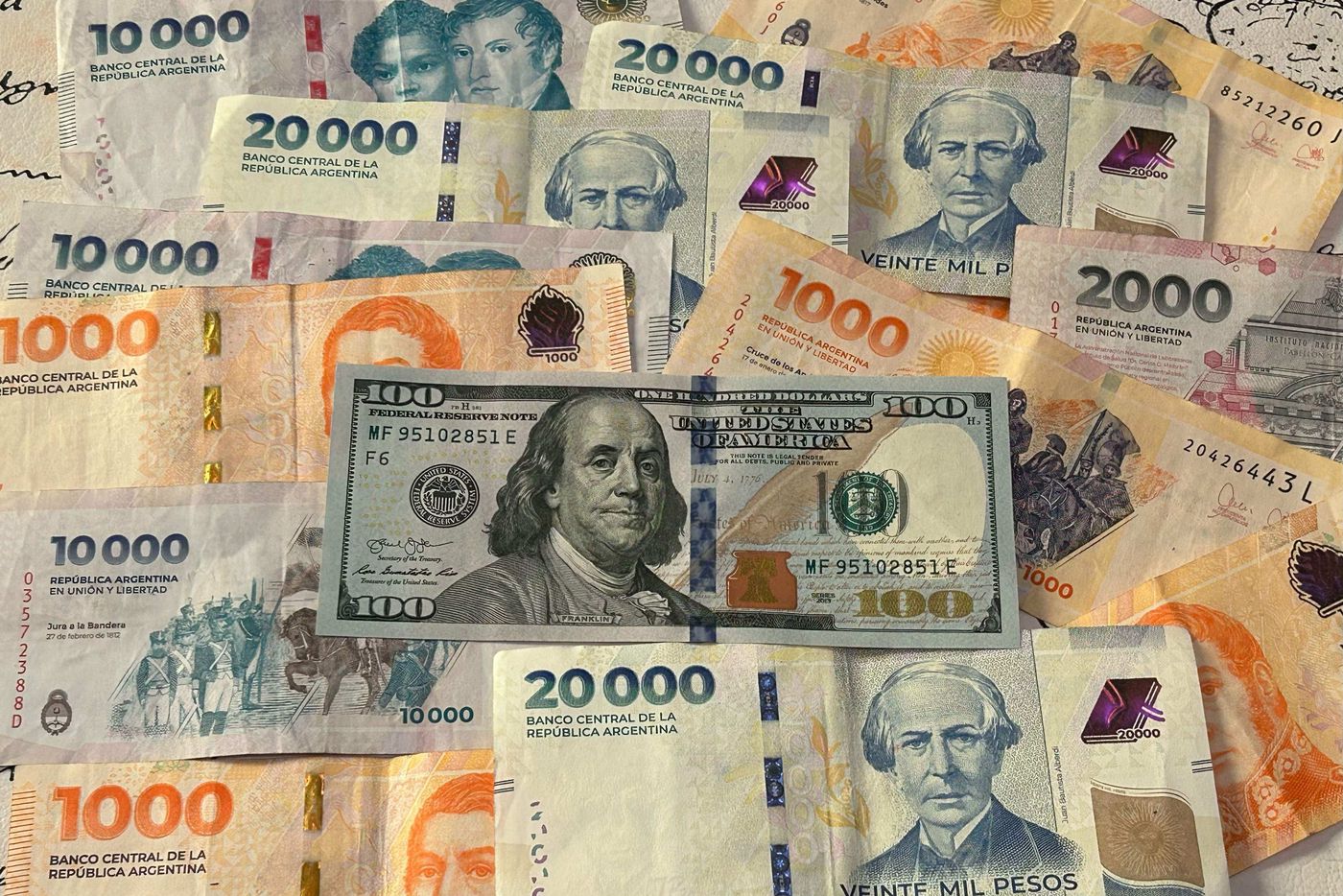
The US dollar is the world's primary reserve currency and the most traded currency globally. Its status means its value is a benchmark against which many other currencies, including the Argentine peso, are measured. The Argentine peso is the official currency of Argentina, with the currency code ARS. For decades, the Argentine economy has experienced periods of high inflation, leading to significant depreciation of the peso against major currencies like the US dollar. This economic context is fundamental to understanding the exchange rate dynamics between the two currencies. The conversion from US dollars to Argentine pesos is therefore a transaction from a historically stable currency to one with a history of volatility.
How the USD to ARS Exchange Rate is Determined
The exchange rate between the US dollar and the Argentine peso is set in the foreign exchange market, a global decentralised marketplace. Major banks, investment funds, corporations, and governments participate in buying and selling currencies, establishing prices through supply and demand. The mid-market rate is the midpoint between the buy and sell prices in this wholesale market and is considered the most accurate reflection of a currency's value. However, individual consumers and businesses do not receive this wholesale rate when converting money. The rate an individual receives includes a margin added by the service provider, which constitutes part of their fee for the conversion service. Several key factors influence the supply and demand dynamics that move the USD/ARS rate.
Interest rate differentials between the United States and Argentina are a primary driver. Higher interest rates in Argentina, often used to combat inflation, can attract foreign capital seeking better returns, potentially strengthening the peso temporarily. Conversely, capital flight during times of crisis rapidly increases demand for US dollars, weakening the peso. Argentina's inflation rate has historically been many times higher than that of the US, leading to a long-term depreciation of the peso. Trade flows between the two countries also affect currency demand, as do broader political and economic stability within Argentina. Market sentiment and global risk appetite further influence the rate, with the peso often weakening during periods of global economic uncertainty.
Historical Context and Notable Rate Movements
The history of the USD to ARS exchange rate is marked by extreme volatility and a long-term trend of peso depreciation due to recurrent economic crises. Argentina has experienced multiple periods of hyperinflation, debt defaults, and currency controls over the past several decades, each causing sharp devaluations. More recently, under the presidency of Alberto Fernández and the ongoing economic challenges, the peso has continued its decline. The pattern is one of periodic stability followed by abrupt and significant devaluation, a volatility reflected in shorter-term data. Analysing recent 90-day periods shows the kind of fluctuations common in this pair. These movements, often exceeding 2-3% over short periods, underscore the peso's sensitivity to market news and domestic policy announcements. For Canadians monitoring the rate for a money transfer, these swings can translate to meaningful differences in the amount received by the beneficiary in Argentina. The performance over the last 90 days showed a change of 2.69, illustrating the ongoing fluctuation.
Methods for Canadians to Convert Money
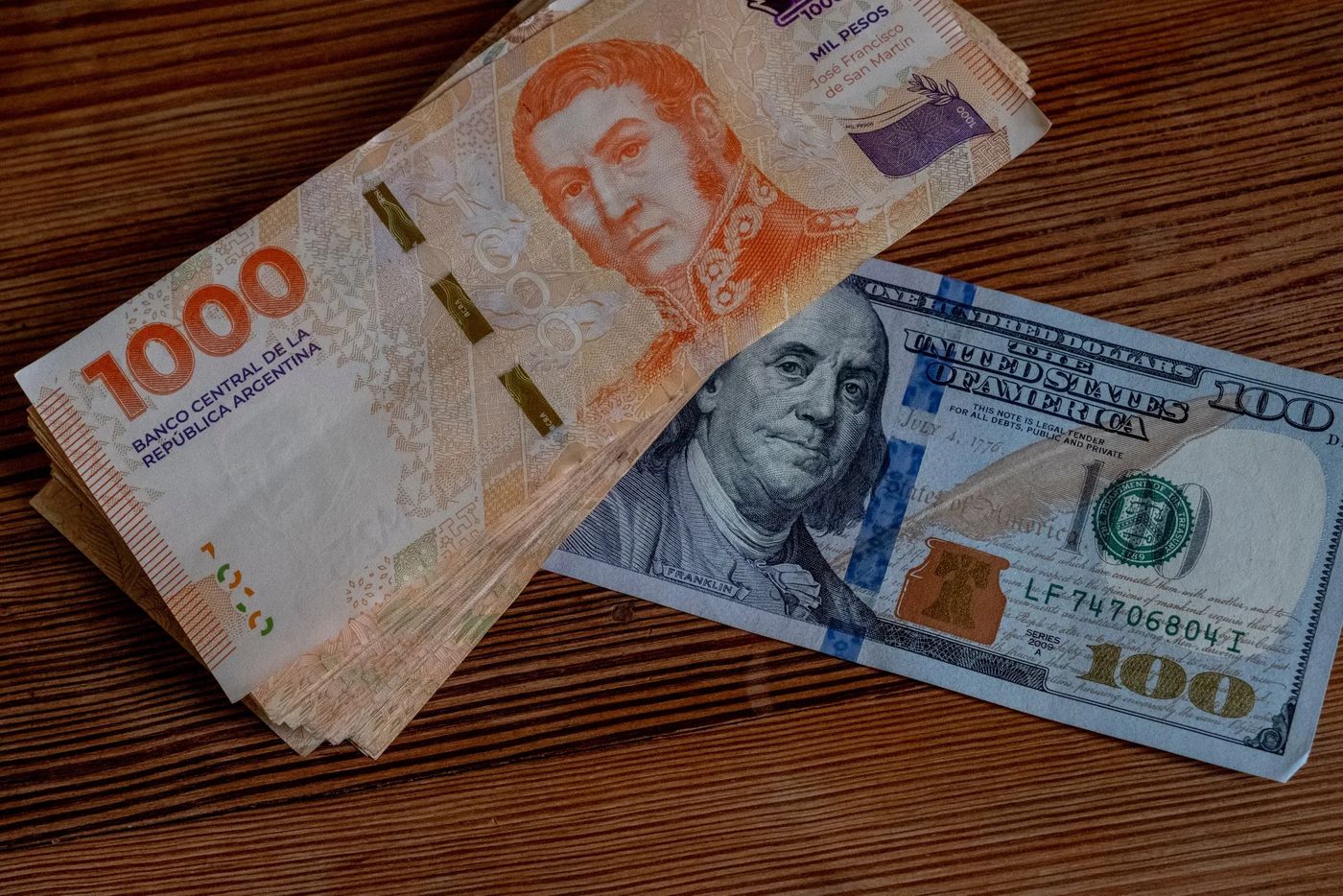
Canadians looking to convert funds into Argentine pesos typically have several avenues, each with different cost structures and convenience levels. The most common method is through a bank or credit union, where one can order Argentine pesos for cash or transfer funds to an Argentine bank account. Credit and debit cards are widely used for spending in Argentina, with the conversion happening at the point of sale or ATM withdrawal. Specialised money transfer services operate both online and through physical agent locations, focusing on cross-border remittances. Finally, currency exchange kiosks, often found in airports and tourist centres, offer cash-for-cash exchanges. The choice depends on the amount, urgency, need for cash versus electronic transfer, and, most importantly, the total cost, which includes both fees and the exchange rate margin applied.
Banks generally apply an exchange rate margin of 2% to 5% above the mid-market rate and may also charge a fixed wire transfer fee, which can be substantial for smaller amounts. Money transfer services like Western Union, Wise, and Xe advertise more competitive exchange rates and lower fees, particularly for larger transfers. Many of these services provide tools like rate alerts and upfront pricing calculators so customers can see the exact amount of pesos the recipient will get before confirming the transaction. The process for using these services is straightforward.
- Visit the service's website or app and select a transfer to Argentina.
- Enter the amount you wish to send in Canadian dollars.
- Choose a payment method, such as a bank account, debit card, or credit card.
- Select a delivery method, such as bank deposit, cash pickup, or mobile wallet.
- Review the quoted exchange rate, all transfer fees, and the estimated delivery time.
- Provide recipient details and confirm the transaction.
It is crucial to review the total cost before confirming a transfer. A service with a slightly better exchange rate might have a higher fixed fee. Conversely, a service with a lower fee might apply a less favourable exchange rate. Many providers offer promotional rates for first time users, such as one service offering 1,147.56 Argentine pesos for 1 Canadian dollar on a first transfer. Security is another important consideration. Reputable money transfer services employ encryption and fraud prevention measures to help protect transactions. These services also provide tracking numbers, such as a Money Transfer Control Number (MTCN), for monitoring a transfer.
Fee Structures and Cost Comparison
The total cost of converting US dollars or Canadian dollars to Argentine pesos is rarely just the advertised exchange rate. It is a combination of an exchange rate margin and various fees. The exchange rate margin is the difference between the mid-market rate and the rate actually offered to the customer. This margin is how many providers make a significant portion of their revenue. Fees can be fixed amounts, percentages of the transfer value, or vary by payment and payout method. For instance, paying with a credit card may trigger cash advance fees and interest from the card issuer, on top of the transfer service's own charges. Banks often combine a poor exchange rate margin with a fixed wire fee, which can make small transfers disproportionately expensive.
Money transfer services often promote transparency by showing the mid-market rate and then clearly stating their margin or fee separately. Some advertise having no hidden fees and using the real mid-market rate. The actual cost can vary based on several factors: the amount being sent, the chosen payment method, the destination country and specific payout option, and the timing of the transfer. To illustrate the potential differences, the following table outlines typical cost components across different provider types. The figures are illustrative based on common industry practices.
It is always recommended to use a provider's online calculator to get a real-time estimate for a specific transaction. This estimate should show the exchange rate being applied, all fees, and the final amount the recipient will receive in Argentine pesos. Comparing these final recipient amounts from two or three providers is the most effective way to find the best deal. Some services also offer features like rate alerts, allowing you to wait for a more favourable exchange rate before executing your transfer.
Practical Considerations for Sending Money
When planning to send money to Argentina, several practical steps can ensure a smoother and more cost-effective transaction. First, verify the recipient's details thoroughly, including their full name as it appears on official identification and their correct bank account information or pickup location address. Second, understand the delivery options: bank deposits may take one to three business days, while cash pickup can often be available within minutes or hours at an agent location. Third, be aware of any limits on transfer amounts, which may be imposed by the Canadian provider, Argentine regulations, or the transfer service itself. Fourth, keep all transaction records, including the confirmation number, exchange rate used, fee breakdown, and the estimated delivery date.
Security is paramount. Only send money to people you know and trust. Be wary of any unsolicited requests for funds or pressure to act quickly. Reputable transfer services use encryption and have fraud prevention teams, but customers should also protect their own login credentials and never share their MTCN with anyone other than the intended recipient. Monitoring the transfer using the provided tracking tools is a good practice. Finally, consider the timing of your transfer. Since exchange rates fluctuate throughout the day, monitoring the rate for a short period or setting a rate alert can help you avoid sending money during a temporary spike in the dollar's value. Planning ahead can provide the flexibility to wait for a more advantageous rate.
Frequently asked questions
What is the best way to convert US dollars to Argentine pesos from Canada?
There is no single best way to convert US dollars to Argentine pesos from Canada. The optimal method depends on the amount being sent, the required speed, and whether cash or an electronic transfer is needed. Specialised online money transfer services often offer more competitive exchange rates and lower fees than traditional banks, especially for larger amounts. For spending while travelling, using a credit card with no foreign transaction fee or a debit card at ATMs can be convenient, but users should be aware of potential fees from both their card issuer and the local ATM operator.
Why does the exchange rate I get differ from the one I see online?
The rate you see on financial websites or a Google search is typically the mid-market rate, which is a wholesale benchmark. The rate you are offered by a bank, credit card, or transfer service includes a margin, which is how these providers make money on the currency conversion. This margin, combined with any additional fees, constitutes the total cost of your transaction. Always check the final amount in pesos that the recipient will receive to understand the true cost.
Are there hidden fees when converting currency?
Fees can sometimes be unclear if not presented upfront. A provider may advertise a great exchange rate but charge a high fixed fee, or vice versa. Hidden costs can include payment method fees (like credit card cash advance charges), correspondent bank fees for wire transfers, and receiving fees on the Argentine end. Reputable transfer services now emphasize transparent, upfront pricing that shows the exchange rate, all fees, and the final payout amount before you confirm.
How can I lock in a good exchange rate?
Some money transfer services offer a rate alert or rate lock feature. You can set a target exchange rate, and the service will notify you when the market reaches that level. Some providers may allow you to lock in a rate for a short period after you initiate a transfer, protecting you from market moves during the processing time. However, not all services offer this, and there may be conditions attached.
Is it safe to send money to Argentina online?
Sending money through established, reputable international transfer services is generally safe. These companies use encryption and robust security measures to protect transactions. Key safety practices include only sending money to people you know, double-checking recipient details, keeping your transaction reference number private, and using the provider's official app or website. Be vigilant about scams and never send money based on unsolicited requests.
What information do I need to send money to Argentina?
You will need the recipient's full legal name as it appears on their government-issued ID. For a bank deposit, you need their bank account number and possibly the bank's SWIFT code. For cash pickup, you typically only need their name and a city or province for them to collect the funds. You will also need your own payment details, such as a bank account or debit card, and you must usually pass identity verification checks as required by Canadian regulations.
Sources and further reading
- CAD to ARS | Convert Canadian Dollar to Argentine Peso westernunion.com
- Canadian dollars to Argentine pesos today wise.com
- 1 CAD to ARS, Canadian Dollars to Argentine Pesos ... xe.com
- Calculate Argentine Peso to Canadian Dollar exchange rate alanchand.com
- CAD to ARS, Convert Canadian Dollar to Argentine Peso remitbee.com
This article explains how things work and is not financial, tax or legal advice. Rules, limits and rates change, so check the current figures with the Canada Revenue Agency, your province or your financial institution before you act.