Converting Thai baht (THB) to Canadian dollars (CAD) is a common need for Canadians traveling to Thailand, sending remittances, or engaging in trade. The exchange rate between these two currencies fluctuates based on global market forces, central bank policies, and economic conditions in both nations. Understanding how the rate is set, its historical context, and the costs involved in conversion can help individuals manage their international finances more effectively. This article details the currencies, the factors influencing their exchange rate, and the practical methods Canadians use to convert money.
The Thai Baht and Canadian Dollar
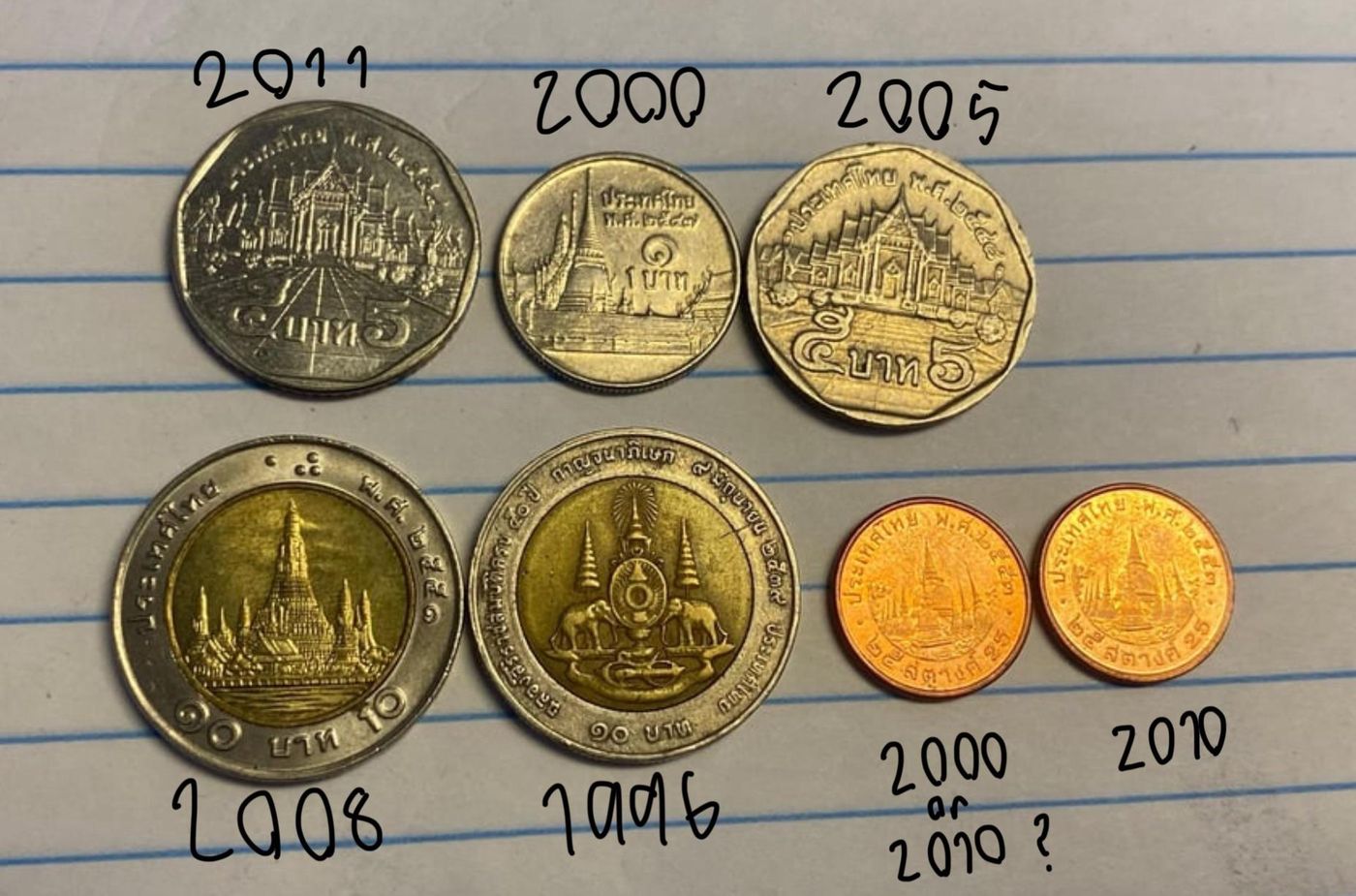
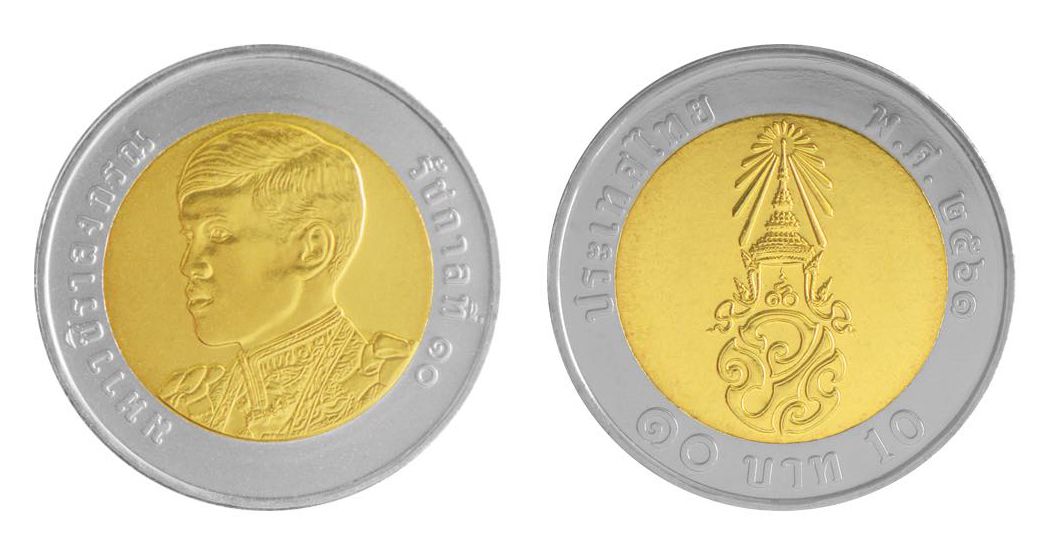
Thailand's official currency is the baht, denoted by the code THB and the symbol ฿. It is a widely traded currency in Southeast Asia, underpinning a large tourism sector and a growing export economy. The Bank of Thailand actively manages the baht, contributing to its long-term stability as a regional currency. Canada's official currency is the Canadian dollar, with the code CAD and the symbol $. It is a major global commodity currency and one of the world's most traded currencies. The value of the Canadian dollar is often closely linked to crude oil prices due to Canada's resource-based economy, and it is also held as a reserve currency by several central banks. Both currencies are freely convertible on the global foreign exchange market, where their relative value is determined.
How the THB to CAD Exchange Rate is Set
The exchange rate between the Thai baht and the Canadian dollar is primarily set by the global foreign exchange market. This is a decentralised marketplace where banks, financial institutions, corporations, and governments trade currencies. The most accurate reflection of the currency pair's value is the mid-market rate, which is the midpoint between the buy and sell prices in these wholesale interbank trades. This rate fluctuates continuously based on the forces of supply and demand. It is important to note that the mid-market rate is a benchmark. Retail customers converting money through banks or transfer services will not receive this exact rate. Instead, providers apply a margin or markup above or below the mid-market rate, which forms part of their revenue. For example, a typical mid-market rate might be ฿1 = $0.0417, but the rate offered to a customer could be less favourable.
Factors That Move the Exchange Rate
Several key economic and financial factors influence the movement of the THB to CAD exchange rate. For the Canadian dollar, commodity prices, particularly crude oil, are a major driver due to Canada's status as a significant exporter. Broader global risk sentiment and interest rate decisions by the Bank of Canada also play crucial roles. For the Thai baht, the health of the tourism industry and export performance are significant influences, along with monetary policy from the Bank of Thailand. Other factors include relative inflation rates between the two countries, trade balances, and broader geopolitical events that affect investor confidence in emerging markets versus developed economies. These elements combine to create the daily volatility observed in the currency pair. Market rates are influenced by several key factors, including economic data releases, political events, and central bank announcements, which cause the rates to change frequently throughout the day.
Historical Context and Notable Rate Movements
The THB/CAD exchange rate has experienced periods of both strength and weakness for each currency over time, reflecting the economic cycles of both nations. For example, analysis of recent 30-day periods shows the rate moving between a high of 0.0425 and a low of 0.0418, with an average of 0.0423. Over a 90-day window, the range was slightly wider, from 0.0416 to 0.0425. These movements, often less than one percent, highlight that while the rate is dynamic, it often operates within relatively contained bands in the short term, influenced by the managed nature of the baht and the commodity-driven cad. The change for THB to CAD over a recent 30-day period was -1.05, while over 90 days it was 0.38, indicating minor net movements amidst daily fluctuations. Over the last 7 days, THB to CAD moved between 0.0420 and 0.0424 with an average of 0.0422 and 0.23% volatility, demonstrating the constant micro-adjustments in the market.
Methods for Converting Currency in Canada
Canadians have several options for converting Thai baht to Canadian dollars or vice versa, each with different cost structures. Traditional banks offer currency exchange services, both for cash and through account transfers, but they are typically not the cheapest option due to higher margins on the exchange rate and potential fees. Specialist money transfer companies and online currency converters often provide more competitive rates and transparent fee structures. Many of these services operate online or through mobile apps, allowing users to lock in rates and send money for cash pickup at agent locations in Thailand or directly to bank accounts. It is common for providers to show the total cost, including their exchange rate margin and any transfer fees, upfront before a transaction is confirmed. Companies like Western Union enable transfers online, via an app, or in person at an agent location, offering multiple payout options including cash pickup. Other platforms, such as Xe or Revolut, provide digital accounts where users can hold and convert multiple currencies, often using real-time mid-market rates.

Fees and Charges from Banks and Transfer Services
The total cost of converting THB to CAD involves two main components: the exchange rate margin and any explicit fees. Banks and money transfer providers earn revenue by applying a margin to the mid-market exchange rate, meaning the rate offered to customers is less favourable. This margin can vary significantly between providers. Additionally, many institutions charge fees for processing international transfers. These can include fixed transfer fees, intermediary bank fees, and receiving fees. Some online specialists advertise offering the mid-market rate with no hidden fees, though they may charge a small, transparent percentage of the transfer amount. It is crucial for consumers to review the full cost breakdown, including the final amount of currency that will be received, before committing to a transaction. Western Union notes that its fees can vary depending on the amount sent, payment method, destination country, payout option, and the exchange rate at the time of transfer. Some providers also offer rewards programs. For instance, Western Union Rewards members can earn points redeemable for discounts on future transfer fees.
Comparing Costs Across Provider Types
Specialist money transfer companies often provide more favourable exchange rates than traditional banks. Some banks and many money transfer providers charge various fees for international transfers. These fees can include transfer, intermediary, and processing fees. It is important to review all costs upfront before confirming a currency conversion.
| Provider Type | Typical Exchange Rate | Common Fees | Speed & Convenience |
|---|---|---|---|
| Major Canadian Banks | Less favourable margin (markup) | Wire transfer fees, possible receiving fees | In-branch or online, integrated with existing accounts |
| Online Money Transfer Specialists | Closer to mid-market rate | Low, transparent percentage fee or no fee | Online/app, fast transfers, various payout options |
| Currency Exchange Kiosks | Less favourable margin for cash | Commission or service charge | Immediate for cash, limited to physical locations |
| Multi-Currency Accounts (e.g., Wise, Revolut) | Mid-market rate for account conversions | Monthly account fees may apply | Hold and convert multiple currencies instantly |
Specialist money transfer companies frequently promote that they can save customers money compared to banks, with some claiming savings of 3% to 4% on the total exchange cost. The actual savings depend on the transfer amount, the specific currencies, and the timing of the transaction. Companies like Xe compare their rates to leading banks and highlight the difference, stating they offer bank-beating rates and no hidden fees. It is important to remember that comparison savings provided in examples are true only for the given scenario and may not include all fees and charges, as different factors will result in different savings.
Security and Tracking for International Transfers
Security is a paramount concern when sending money internationally. Reputable money transfer providers employ various measures to protect transactions. Western Union, for example, uses encryption and fraud prevention efforts to help secure transfers whether sent online, through an app, or at an agent location. After sending money, customers can track the transfer using a unique tracking number, often called an MTCN (Money Transfer Control Number). General safety advice includes only sending money to people you know and trust, checking receiver details carefully, keeping the MTCN private, and staying alert for signs of scams or fraud. Providers also warn that using a credit card for payment may incur cash advance fees and interest charges from the card issuer, recommending debit cards or other payment methods to avoid these extra costs. These security protocols and practical tips are designed to make international money transfers safer and more reliable for all users.
Practical Steps for a Currency Conversion
To convert Thai baht to Canadian dollars effectively, Canadians should follow a series of steps to ensure they understand the costs and get a good value. First, use a live currency converter tool to check the current mid-market rate as a benchmark. Second, compare offers from several different providers, including banks, online transfer services, and multi-currency account platforms. When comparing, look at the final amount of Canadian dollars you will receive after all margins and fees are applied, not just the advertised exchange rate. Third, review the transfer details carefully, including the delivery method, estimated arrival time, and any tracking information provided. Many services allow you to set up rate alerts to be notified when the THB/CAD rate reaches a desired level, which can be useful for planning larger transfers. Finally, before confirming, ensure you understand the total cost by reviewing the exchange rate, transfer fee, and delivery option so you know exactly what your receiver will get and how much you are paying.
Frequently asked questions
What is the mid-market exchange rate?
The mid-market rate is the midpoint between the buy and sell prices that large financial institutions use when trading currencies amongst themselves in the global foreign exchange market. It is considered the true, real-time value of a currency pair. Retail customers converting money through banks or transfer services do not receive this exact rate, as providers add a margin to it as part of their service charge. This rate is the one typically shown on financial data websites and serves as the baseline for all retail currency exchange transactions.
Are banks the cheapest way to convert THB to CAD?
No, banks are typically not the cheapest option for currency conversion. Specialist money transfer companies often offer exchange rates much closer to the mid-market rate, which can result in significant savings. Comparisons have shown that using a specialist can save up to 3% to 4% on the total exchange cost compared to some bank rates, depending on the amount and specific provider. These companies highlight that banks are not normally the cheapest way to convert currencies and that their services provide better value for international money transfers.
What fees should I expect when sending money to Thailand?
Fees can vary widely depending on your provider, the transfer amount, your payment method, and the chosen payout option. Fees may include a fixed transfer fee, an exchange rate margin, and sometimes intermediary or receiving bank fees. Reputable providers will show you the total cost, including all fees and the final exchange rate, upfront before you confirm the transaction. Western Union notes that its fees vary based on these factors and that you should review the transfer fee and exchange rate together to understand the full cost before sending money from Canada.
Can I set an alert for a specific THB to CAD rate?
Yes, many currency converter websites and money transfer apps offer a rate alert feature. You can set your desired target exchange rate, and the service will notify you via email or app notification when the live market rate reaches that level. This allows you to time your currency conversion or international transfer to take advantage of favourable movements. Services like Xe allow you to set an alert on their rate alerts page or within their app, helping you stay on top of currency shifts without constant monitoring.
Is the exchange rate on Google the same as what I'll get?
No, the exchange rate displayed by Google is usually the mid-market rate, which serves as a financial benchmark. The rate you actually receive from a bank or money transfer service will be different, as it includes a margin. Always check the final rate and total cost quoted by your chosen provider before proceeding with a transfer. Western Union explicitly states that its rate may differ because money transfer providers can apply an exchange rate margin, and rates may vary by transfer amount, payment method, payout option, destination, and timing.
How do online money transfer services work?
Online transfer services allow you to initiate and pay for a currency conversion digitally via a website or mobile app. You enter the amount to send, choose the currencies (e.g., CAD to THB), and select a delivery method such as bank deposit or cash pickup. The service provides a live quote showing the exchange rate, fees, and the amount the recipient will get. After payment, you receive a tracking number to monitor the transfer's progress. Companies like Western Union and Xe enable transfers to over 190 countries in 130+ currencies, with options to pay via bank account, credit card, debit card, or cash in-store.
Sources and further reading
- Thai bahts to Canadian dollars Exchange Rate. Convert ... wise.com
- 1 THB to CAD, Convert Thai Baht to Canadian Dollars xe.com
- CAD to THB | Convert Canadian Dollar to Thai Baht westernunion.com
- THB to CAD, Thai Baht to Canadian Dollar Exchange Rate keycurrency.co.uk
- Convert Baht to Canadian Dollars | THB to CAD currency.me.uk
This article explains how things work and is not financial, tax or legal advice. Rules, limits and rates change, so check the current figures with the Canada Revenue Agency, your province or your financial institution before you act.