Converting Singapore dollars to Indian rupees involves understanding the exchange rate between two major Asian currencies. For Canadians, this conversion is relevant for international travel, business, or sending remittances to family in India via Singapore. The rate fluctuates based on global economic forces, trade flows, and central bank policies. Knowing how the rate is set and the costs involved helps Canadians make informed decisions when transferring money across currencies.
Understanding the Singapore Dollar and Indian Rupee
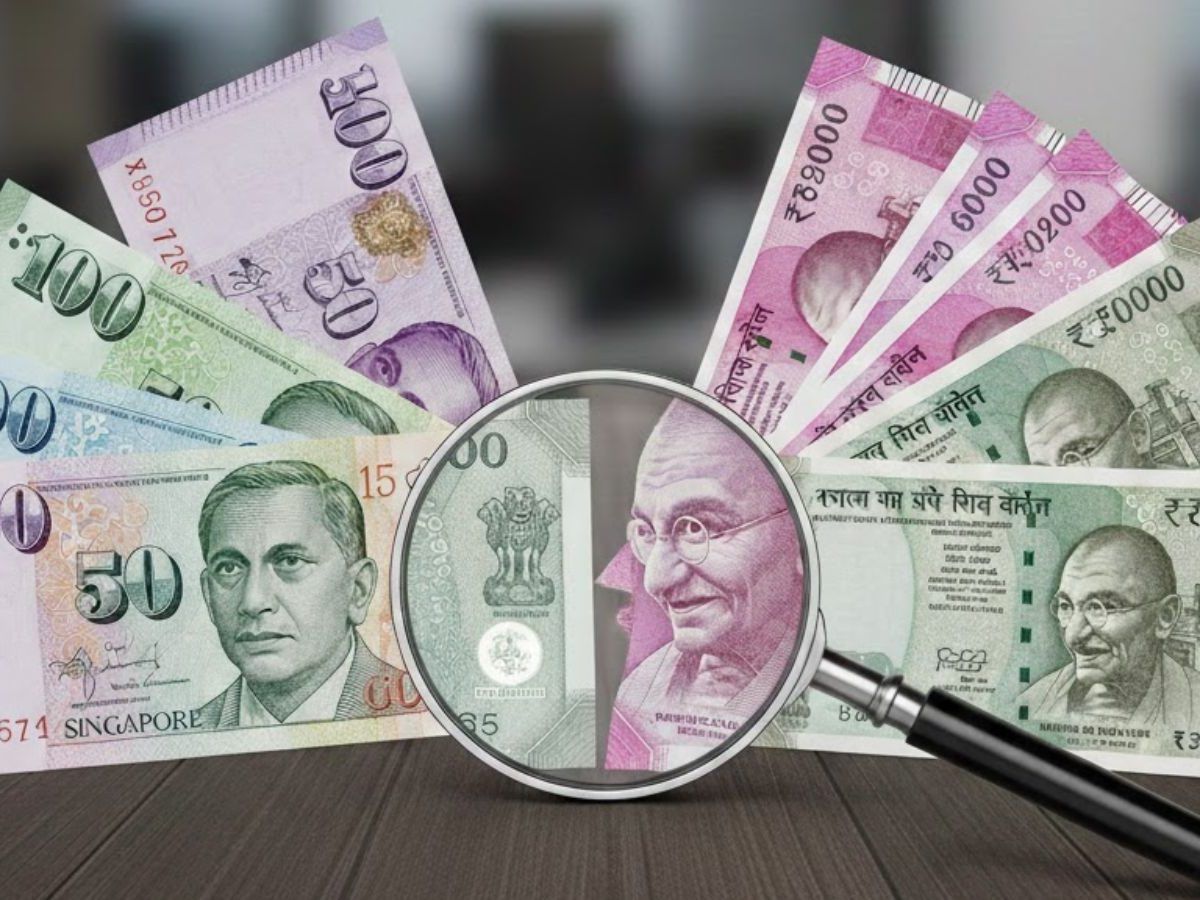
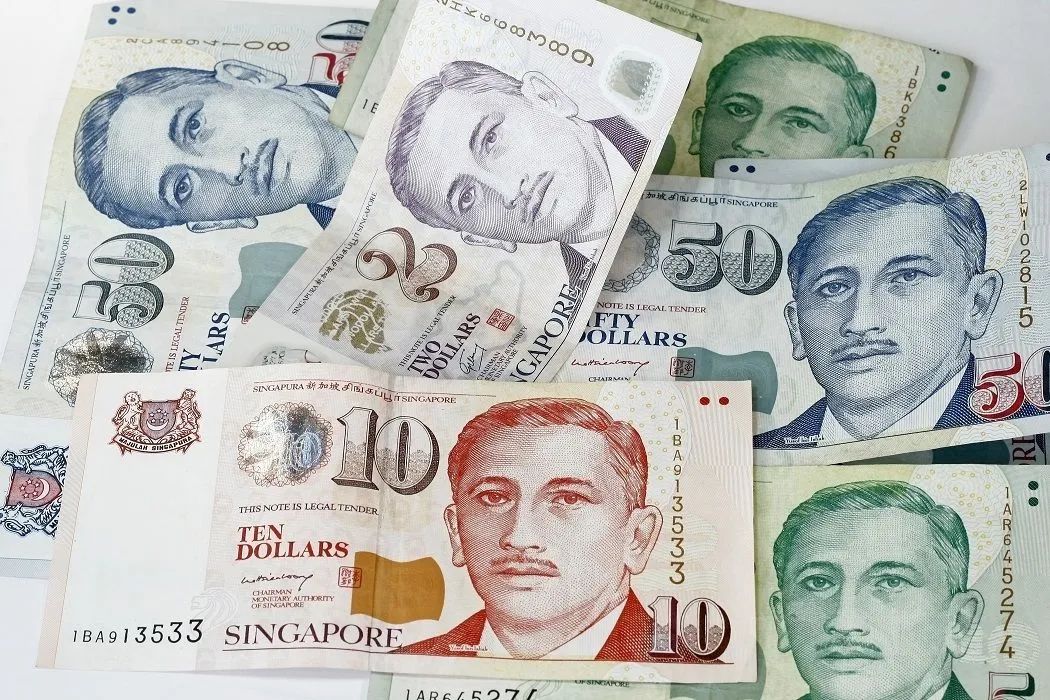
The Singapore dollar is the official currency of Singapore, issued by the Monetary Authority of Singapore. Its currency code is SGD and it is commonly symbolized by S$. The Indian rupee is the official currency of India, issued by the Reserve Bank of India, with the code INR and the symbol ₹. Both currencies are actively traded on the foreign exchange market. The Singapore dollar is considered a stable currency backed by strong reserves and prudent monetary policy. The Indian rupee is one of the most traded currencies in Asia, reflecting India's large economy. For Canadians, interactions with these currencies often occur during international money transfers, investment, or travel within the region. The most popular exchange rate for the Singapore dollar is SGD to USD, while for the Indian rupee it is INR to USD, highlighting the importance of the US dollar as a global benchmark.
How the SGD to INR Exchange Rate is Determined
The exchange rate between the Singapore dollar and the Indian rupee is a floating rate determined by the foreign exchange market. The fundamental driver is the supply and demand for each currency in the global marketplace. When demand for Singapore dollars increases relative to Indian rupees, the SGD appreciates, meaning one SGD buys more INR. Conversely, increased demand for Indian rupees causes the SGD to depreciate against the INR. This demand is influenced by several key economic factors. Trade relations between Singapore and India impact currency flows, as exports and imports require currency conversion. Inflation differentials can erode a currency's purchasing power, making the other relatively stronger. Interest rate decisions by the respective central banks attract or repel foreign investment, creating capital flows that move the exchange rate. Overall economic stability and growth prospects in each country also play a significant role in investor sentiment and currency valuation. The rate quoted in financial markets is the mid-market rate, which is the midpoint between the buy and sell prices on global currency markets.
Historical Performance and Volatility of SGD/INR
The SGD to INR exchange rate has experienced fluctuations over various time frames, reflecting changing economic conditions. Over a recent 90-day period, the rate moved between a low of 73.8583 and a high of 75.6141 Indian rupees per Singapore dollar. The average rate during that period was 74.8506 with a volatility measure of 0.25 percent. In a 30-day window, the range was from 73.8583 to 75.6141, with an average of 74.9622 and 0.28 percent volatility. Shorter-term volatility is also observable, with a 7-day range between 73.8583 and 74.7680 and an average of 74.2525, showing 0.32 percent volatility. These movements illustrate the daily changes influenced by market news and data releases. For individuals planning a transfer, monitoring these ranges can provide context for what constitutes a relatively high or low rate. It is common for the rate to experience periods of relative stability interspersed with sharper moves based on economic announcements or shifts in global risk appetite. Historical charts can display data for up to the last five years, allowing for analysis of longer-term trends.

Methods for Canadians to Convert Currency
Canadians have several options when they need to convert Singapore dollars to Indian rupees or send money between the two currencies. Traditional banks offer currency exchange and international wire transfer services, though they often apply a markup to the mid-market exchange rate and charge fees. Specialist foreign exchange providers and online money transfer services frequently advertise more competitive rates and lower fees, especially for larger amounts. These services operate online and through apps, allowing users to lock in a rate and send money for cash pickup or bank deposit in India. Some providers highlight that they use the real mid-market rate without a hidden markup, though a transparent fee is usually still applied. For non-resident Indians in Singapore, specific banking services like NRI accounts may offer preferential conversion rates. The process typically involves selecting the currencies, entering the amount, and receiving a live quote that shows the exchange rate and all applicable fees before the transaction is confirmed. Services like Western Union allow transfers online, via an app, or in person at an agent location, sending money to over 200 countries and territories. Many providers encourage you to complete your profile to start earning reward points, which can be redeemed for discounts on future transfer fees.
Common steps in the conversion process include entering the amount to be converted and selecting the currencies. You can then view the live mid-market exchange rate for the transaction. Next, you would review the total cost, which includes the exchange rate and any fees. Finally, you can proceed to confirm and complete the money transfer.
- Using an online currency converter to check the current mid-market rate.
- Getting a live quote from a bank or transfer service that includes the final rate and fees.
- Providing sender and receiver details for the transaction.
- Choosing a payment method, such as a bank account, debit card, or credit card.
- Selecting a delivery method, like bank deposit or cash pickup at an agent location.
- Tracking the transfer using a provided reference number like an MTCN.
It is important to review the total cost, which combines the exchange rate margin and any transfer fee, to understand exactly how many rupees the recipient will receive. Some providers allow you to keep your currencies in one place and convert them in seconds. They may offer daily summaries so you never miss out on the latest market news. You can also view historical exchange rate data to track how the rate changes over time.
Fees and Rates Charged by Financial Institutions
The total cost of converting SGD to INR consists of the exchange rate applied and any explicit transaction fees. The mid-market rate is the benchmark rate seen on financial data feeds, but consumers do not receive this rate. Banks and money transfer providers add a margin or markup to this rate, which is a hidden cost. Additionally, they may charge a fixed or percentage-based fee for the service. For example, a provider might advertise beating bank rates and having no hidden fees, meaning they use the mid-market rate but charge a separate, disclosed fee. Fees can vary significantly depending on the provider, the transfer amount, the payment method, and the chosen payout option. Credit card payments may incur cash advance fees and associated interest charges from the card issuer, making debit cards or bank transfers a potentially cheaper payment method. Providers encourage customers to use online quoters to see the exact exchange rate and all fees upfront before committing to a transfer. This transparency allows for comparison between services to find the best total value for a specific transaction amount. Some services offer rewards programs where points earned from transfers can be redeemed for discounts on future fees, such as 500 points for up to 2 Canadian dollars off a transfer fee.
| Cost Component | Typical Characteristic |
|---|---|
| Exchange Rate Margin | Markup added to the mid-market rate by providers. |
| Transfer Fee | Fixed fee or percentage charged for the service. |
| Payment Method Surcharge | Extra cost for using credit cards versus bank drafts. |
| Payout Method | Cash pickup may have different costs than bank deposit. |
When repatriating funds from Non-Resident Ordinary (NRO) accounts in India, there is a limit of up to 1 million US dollars or its equivalent per financial year. This limit does not apply to Non-Resident External (NRE) accounts. Providers like Western Union make money from currency exchange. Their fees vary based on the amount sent, the payment method, the destination country, and the payout option. The comparison savings advertised by some providers are based on specific examples and may not include all costs, so the results should be used for guidance only.
Tools and Strategies for Tracking Exchange Rates
Several tools are available to help Canadians monitor the SGD to INR exchange rate. Online currency converters provide real-time mid-market rates and often include historical charts. These charts can show data over periods such as the last 7 days, 30 days, or even up to 5 years, allowing users to view trends. Many services offer a rate alert feature, where users can set a target rate and receive a notification via email or app when the market reaches that level. This helps in timing a transfer to take advantage of favourable movements. Tracking the rate for at least a month before a planned conversion can provide insight into its typical range and help identify a strong level for the currency you are selling. For someone sending money to India from Singapore, the best time is typically when the Singapore dollar is strong relative to the rupee. Conversely, for repatriating funds to Singapore, a stronger Indian rupee is more favourable. Using these tools strategically can lead to getting more value from a currency conversion. Live charts track 12 months of real-time, mid-market rates and show exactly how much your money was worth at any point in time. You can set an alert to be notified when a desired rate is reached, and with daily summaries, you will not miss the latest market news.
Security and Considerations for International Transfers
When sending money internationally, security is a paramount concern for Canadians. Reputable money transfer providers use encryption and fraud prevention measures to help protect transactions. It is important to send money only to people you know and trust, and to carefully check receiver details before confirming a transfer. Keeping your transfer reference number private is crucial, as it is needed to track the transaction or for the recipient to collect funds. Staying alert for scam warning signs is also recommended. Providers offer tracking for transfers using tools like a Money Transfer Control Number, allowing you to monitor the status online or through an app. The security measures apply whether you send money online, through a mobile app, or at an agent location. Understanding the full process, from the quoted exchange rate to the delivery estimate, helps ensure a safe and predictable transfer. For added safety, you should be aware of fraud warning signs and only send money to trusted recipients after verifying their details.
Regulatory Context and Account Types for NRIs
For Non-Resident Indians managing finances between Singapore and India, specific regulatory frameworks and account types are relevant. NRI banking services offer solutions like Non-Resident External accounts and Non-Resident Ordinary accounts. Funds in NRE accounts can be repatriated without any limits, providing full flexibility for moving money back to Singapore. For NRO accounts, there is a repatriation limit of up to 1 million US dollars or its equivalent in other foreign currencies per financial year. These accounts can offer preferential currency conversion rates when transferring money between the two countries. Opening an NRI account online is a process offered by some international banks to facilitate cross-border payments. These structures are designed to help NRIs with wealth management and efficient international money transfers, taking into account the regulations governing foreign currency movement in and out of India. Services like DBS Treasures provide NRI banking and wealth management solutions with instant access to currency conversion rates.
Frequently asked questions
What is the Singapore dollar to Indian rupee exchange rate?
The SGD to INR exchange rate is the price of one Singapore dollar expressed in Indian rupees. It is a floating rate that changes constantly throughout the trading day based on global supply and demand. You can check the current mid-market rate using any online currency converter. The rate you actually receive from a bank or transfer service will include a margin.
How can I convert SGD to INR from Canada?
You can convert SGD to INR using banks, specialized foreign exchange providers, or online money transfer services. The process usually involves getting a live quote online or in an app that shows the exchange rate and fees, then initiating the transfer. Funds can be sent for bank deposit or cash pickup in India. It is important to compare the total cost, including the rate margin and any fees, across different providers.
Are there fees for sending money from SGD to INR?
Yes, there are typically fees involved. Providers usually apply a margin to the exchange rate, which is a hidden cost, and may also charge a separate transfer fee. The total cost can vary based on the amount sent, the payment method used, and the chosen payout option. Always review the full cost breakdown provided in a live quote before confirming a transfer.
Is the rate on Google the same as what banks offer?
No, the exchange rate displayed on Google is usually the mid-market rate, which is a benchmark. Banks and money transfer providers do not offer this rate to consumers. They apply a margin to it. The final rate you receive will also be affected by transfer fees. You should always check the actual rate and fee quote from your chosen provider before sending money.
What affects the SGD/INR exchange rate?
Several factors influence the SGD to INR conversion rate, with the most fundamental being the demand and supply of the currency. Other key factors include trade relations between Singapore and India, inflation rates, interest rates, and the overall economic stability of both nations. These elements cause the exchange rate to fluctuate constantly. For example, over a recent 90 day period, the SGD to INR rate moved between 73.8583 and 75.6141. Monitoring these factors can help predict movements in the exchange rate.
Can I set an alert for a specific SGD to INR rate?
Yes, you can set up a SGD to INR rate alert. This feature is available on dedicated rate alerts pages or within certain currency converter applications. By setting an alert, you will receive a notification when the live mid market exchange rate reaches your desired target. This allows you to stay informed about currency shifts without constant manual checking. The SGD to INR rate is dynamic, with recent 7 day volatility at 0.32 percent, making alerts a useful tool for timing your currency conversions or international money transfers.
Sources and further reading
- Canadian dollars to Singapore dollars Exchange Rate. ... wise.com
- 1 SGD to INR, Singapore Dollars to Indian Rupees ... xe.com
- CAD to INR | Convert Canadian Dollar to Indian Rupee westernunion.com
- Convert SGD to INR, Singapore Dollar to Indian Rupee dbs.bank.in
- Convert Singapore Dollars to Canadian Dollars | SGD to ... currency.me.uk
This article explains how things work and is not financial, tax or legal advice. Rules, limits and rates change, so check the current figures with the Canada Revenue Agency, your province or your financial institution before you act.