Converting Saudi riyals (SAR) to Canadian dollars (CAD) is a common need for Canadians traveling to Saudi Arabia, sending remittances, or conducting business. The exchange rate between these two currencies is set by the global foreign exchange market and fluctuates constantly based on economic forces. Understanding how the rate is determined, its historical performance, and the costs involved in conversion can help Canadians manage their international finances more effectively. This article explains the currencies, the factors moving the SAR/CAD rate, and the practical steps for conversion.
Understanding the Saudi Riyal and Canadian Dollar
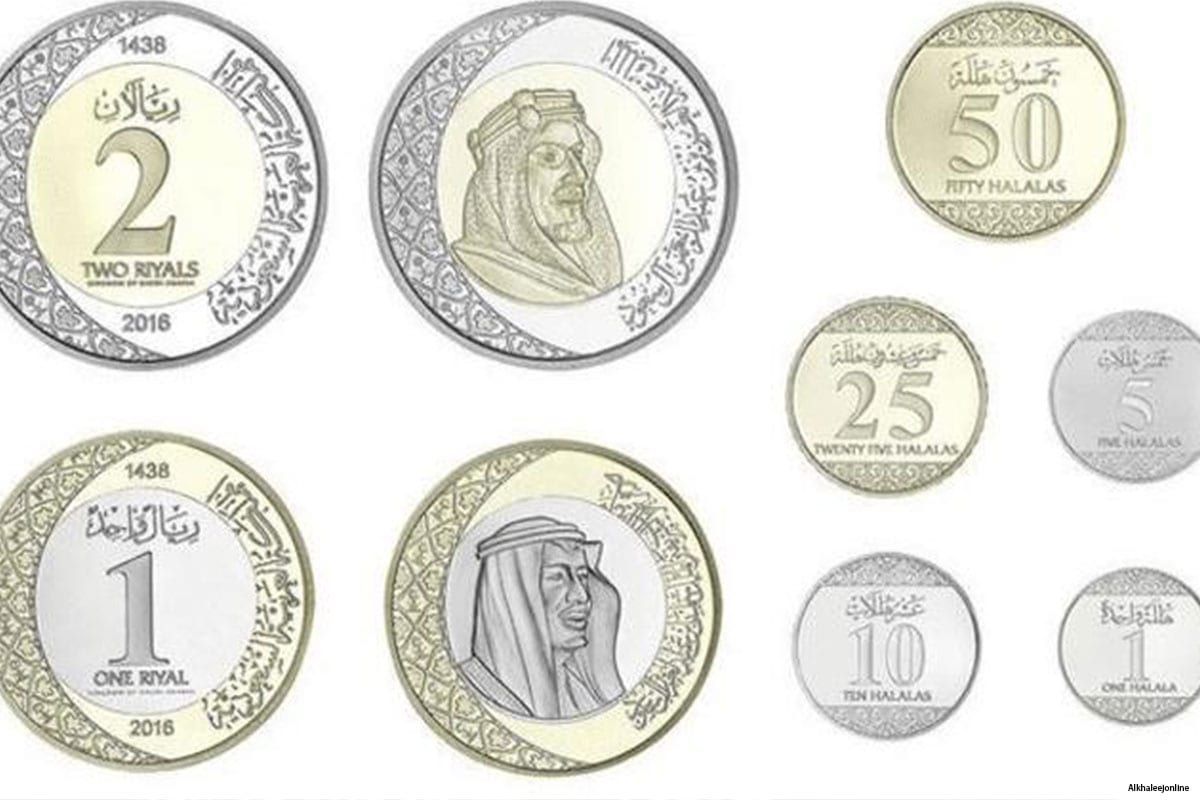
The Saudi riyal is the official currency of Saudi Arabia, with the currency code SAR and the symbol ﷼. It has been pegged to the US dollar at a fixed rate since 1986, a policy maintained by the Saudi Central Bank known as SAMA. This peg is supported by the kingdom's vast oil reserves, which anchor its monetary policy. The Canadian dollar is the official currency of Canada, with the code CAD and the symbol $. It is a floating currency managed by the Bank of Canada and is heavily influenced by global commodity prices, particularly oil, as Canada is a major exporter. The exchange rate between them, expressed as SAR/CAD, indicates how many Canadian dollars one Saudi riyal can buy. The rate displayed on financial portals is typically the mid-market rate, which is the real midpoint between the buy and sell prices in the global interbank market.
How the SAR to CAD Exchange Rate is Set
The SAR/CAD exchange rate is determined by supply and demand in the global foreign exchange market, the largest financial market with over six trillion dollars traded daily. While the Saudi riyal has a fixed peg to the US dollar, its cross-rate with the Canadian dollar floats based on market forces. The Canadian dollar has a floating exchange rate, meaning its value is not fixed by the government but instead changes with market conditions. In forex markets, currencies are quoted with a bid price, which is what buyers are willing to pay, and an ask price, which is what sellers ask to receive. The mid-market rate, which is the true exchange rate without any markup, is the midpoint between these two prices. This rate can change every second during active trading hours as banks and institutions trade currencies. The rate shown on this page and similar services is the live interbank midpoint, which is refreshed from institutional data every 60 seconds.
Key Factors Influencing the Exchange Rate
Several economic and geopolitical factors cause the SAR/CAD rate to move. For the Saudi riyal, its value is primarily anchored by its peg to the US dollar and the kingdom's oil-dependent economy. The Canadian dollar's value is heavily influenced by global oil prices, as Canada is one of the world's largest oil exporters. Interest rate differentials between the Bank of Canada and the US Federal Reserve indirectly affect the CAD, which then impacts the SAR/CAD cross-rate. Other important factors include inflation rates, GDP and economic growth data from both countries, and their respective trade balances. Political stability and major geopolitical events in either region can also trigger significant movements in the exchange rate. Central bank announcements and major economic data releases are closely watched by traders and can cause rapid shifts in the rate. The rate fluctuates constantly based on these market conditions, which is why checking a live feed is essential before any transaction.
Historical Performance and Notable Ranges
The SAR/CAD exchange rate has fluctuated within various ranges over different time periods, reflecting changing market conditions. Over a 90-day period, the rate saw a high of 0.3802 and a low of 0.3667, with an average of 0.3731. The 52-week range for the pair has been from 0.3595 to 0.3809, showing the broader annual movement. In the shorter term, over the last 30 days, the rate moved between 0.3736 and 0.3802, averaging 0.3778. These ranges illustrate the volatility inherent in the forex market, where rates are in constant flux. The change in the rate over the last 90 days was negative 0.11 percent, while over the last 30 days it was a positive change of 0.33 percent. Monitoring these historical ranges helps individuals and businesses understand the potential scale of rate movements when planning conversions. The performance over the last 7 days showed a range between 0.3761 and 0.3808, with an average of 0.3780 and a volatility of 0.16 percent.
Key historical data points for the SAR/CAD pair include notable highs and lows across different time frames. In the last 30 days, the SAR to CAD rate saw a high of 0.3802 and a low of 0.3736. Over the last 90 days, the rate saw a high of 0.3802 and a low of 0.3667. The 52 week range for SAR/CAD is 0.3595 to 0.3809. This data shows the rate can experience significant swings over a year.
- 52-week high: 0.3809
- 52-week low: 0.3595
- 90-day high: 0.3802
- 90-day low: 0.3667
- 30-day high: 0.3802
- 30-day low: 0.3736
- 7-day high: 0.3808
- 7-day low: 0.3761
This data shows that while the rate can experience significant swings over a year, shorter term movements are typically contained within narrower bands. The 30 day average was 0.3778. The 90 day average was slightly lower at 0.3731. Understanding these patterns can inform decisions on when to execute a currency conversion. For instance, the change for SAR to CAD over the last 30 days was 0.33 percent.
How Canadians Convert SAR to CAD
Canadians have several options for converting Saudi riyals to Canadian dollars, each with different costs and processes. Banks and credit unions offer currency exchange services, but they typically apply a markup to the mid-market rate, resulting in a less favourable rate for the customer. Online money transfer specialists and fintech companies often provide services that use the mid-market rate with lower transparent fees. Many providers offer online platforms or mobile apps where users can enter the amount, see the live rate and total fees upfront, and complete the transfer electronically. Some services allow payment via bank transfer, Interac e-Transfer, or debit card, with funds delivered to a recipient's bank account or made available for cash pickup. It is important for users to review the exchange rate, transfer fee, and delivery option together to understand the full cost before confirming any transaction. Providers like Western Union enable sending money online, through a mobile app, or in person at an agent location for cash pickup by the receiver.
Fees and Charges from Banks and Transfer Services
When converting currency, the total cost is composed of the exchange rate margin and any explicit transaction fees. Traditional banks typically earn revenue by offering an exchange rate that includes a markup above the mid-market rate, which is a hidden cost to the customer. Many banks and transfer services also charge a fixed or percentage-based fee for processing the international money transfer. Online transfer specialists often advertise bank-beating rates and low transparent fees, with some offering free transfers on amounts over a certain threshold, such as 500 SAR. Credit card payments for currency conversion may incur additional cash advance fees and interest charges from the card issuer, making debit cards or bank transfers a potentially cheaper payment method. Providers like Western Union note that their fees can vary depending on the amount sent, the payment method, the destination, and the payout option chosen by the sender. It is always recommended to see the full price upfront, including the exchange rate and all fees, before starting a transfer.
The cost structure for currency conversion involves several potential charges that Canadians should be aware of. The mid market rate is the real exchange rate without any bank markup. However, banks and money transfer providers often apply an exchange rate margin or a service fee. The final rate you receive can vary based on the amount you are converting and your chosen payment method.
- Exchange rate margin: The difference between the mid-market rate and the rate offered to you.
- Fixed transfer fee: A flat fee charged by the provider for the transaction.
- Percentage-based fee: A cost calculated as a percentage of the amount sent.
- Cash advance fee: May apply if using a credit card as the payment method.
- Interac e-Transfer fees: Potential charges from your bank for sending an Interac e-Transfer as payment.
- Receiver fees: In some cases, fees may be deducted from the amount the recipient receives.
These fees mean the actual rate you receive will be worse than the mid market rate shown on a converter. Some services promote having no hidden fees and using the real mid market rate. However, they may still charge a separate and transparent service fee. Always compare the total amount in Canadian dollars that will be delivered to the recipient to gauge the true cost. Review the exchange rate and transfer fee together before confirming your transfer.
Tools for Tracking and Converting Currency
Several digital tools help individuals track and execute currency conversions efficiently. Real-time currency converters are available on many financial websites, allowing users to enter an amount and see the converted value at the current mid-market rate. Some services offer free application programming interfaces that update rates every 60 seconds, enabling developers to integrate live SAR/CAD rates into their own apps. Historical charts are valuable tools that show the rate's performance over the past day, week, month, or year, helping users identify trends. Rate alert systems can notify users via email or app notification when the exchange rate hits a specific target they have set. These tools empower users to make more informed decisions about the timing of their currency conversions. For programmatic access, developers can call an API endpoint to get the live mid-market rate for pricing or display purposes within their own applications.
Common features offered by currency conversion tools and platforms include real time exchange rates and historical data charts. These tools often allow you to set rate alerts and track transfers. Many platforms offer currency converters that show the live mid market rate. They also provide upfront pricing with all fees shown before you start your transfer.
- Live mid-market rate converter with instant calculations.
- Historical data charts showing trends over days, weeks, months, or years.
- Rate alerts that send notifications when a target exchange rate is reached.
- Free REST APIs for developers to integrate live rates into apps.
- Official SDKs for programming languages like JavaScript, Python, PHP, and React.
- Upfront pricing displays showing the exchange rate, transfer fee, and delivery time.
- Tracking functionality using a Money Transfer Control Number (MTCN).
Using these tools, individuals can monitor the market to identify potentially favourable times to convert money. You can set a rate alert to get a notification when the live mid market rate reaches your desired level. This allows you to act without constantly watching the market. You can also view historical exchange rate data to guide your decision making.
Practical Steps for a Money Transfer
To send money from Saudi Arabia to Canada, a sender would typically follow a series of steps. First, they would use a currency converter tool to see how many Canadian dollars their Saudi riyals would yield at the current rate. Next, they would choose a money transfer provider and enter the transfer details, including the amount and recipient information. The provider will then show a final quote with the applicable exchange rate, any transfer fees, and the estimated delivery time. The sender then selects a payment method, such as a bank account, debit card, or cash deposit at an agent location. After payment is made, the sender receives a tracking number, often called an MTCN, to monitor the transfer's progress. Finally, the recipient in Canada receives the funds either as a direct deposit to their bank account or as cash available for pickup at a designated agent location. Providers emphasize the importance of reviewing all details, including the receiver's information, before confirming the transfer.
Official Rates Versus Market Rates
It is important to distinguish between the live mid-market rate and official published rates. The mid-market rate is the real-time trading rate used in global currency markets and is what is displayed on most converter tools. Official reference rates are published by central banks, such as the Saudi Central Bank (SAMA) and the Bank of Canada, for specific dates. These official rates never change after publication and are required for specific compliance purposes. For tax filings, customs valuations, audits, and compliant invoicing, you often need the official reference rate published by the central bank instead of the live market rate. The two rates can differ by several percent on the same day. On weekends and holidays, when the forex market is closed, official rate endpoints return the most recent published date's rate, which is the figure compliance rules expect you to apply. For all customer-facing purposes like pricing or checkout, the live mid-market rate is the appropriate one to use.
Frequently asked questions
What is the mid-market exchange rate?
The mid-market rate is the midpoint between the buy and sell prices that large banks use when trading currencies among themselves on the global interbank market. It is considered the true, real-time exchange rate without any markup or hidden fees. This is the rate often shown by Google Finance and currency data APIs. Money transfer providers and banks typically do not offer this exact rate to retail customers, as they add a margin to generate revenue.
Why does the SAR/CAD rate fluctuate?
The rate fluctuates due to supply and demand dynamics in the vast foreign exchange market. Even though the Saudi riyal is pegged to the US dollar, the SAR/CAD cross-rate changes as the value of the Canadian dollar moves against the US dollar. Factors driving these movements include changes in oil prices, interest rate decisions by the Bank of Canada, economic data releases from both countries, and broader geopolitical events. The rate can change every second during active trading hours.
How do banks make money on currency exchange?
Banks and many traditional money transfer services primarily earn money by applying an exchange rate margin. They buy currency at the wholesale mid-market rate and sell it to customers at a retail rate that includes a markup. This difference is a hidden fee. Many institutions also charge explicit transaction fees for processing the international transfer. Some online specialists use the mid-market rate but charge a low, transparent flat fee for the service instead.
What is the difference between the rate on Google and what a bank offers?
The exchange rate shown on Google is often the mid market rate, which is a reference rate used in global currency markets. The rate a bank or money transfer provider offers is different because it can include an exchange rate margin. The final rate can also vary based on the transfer amount, payment method, payout option and timing. Therefore, you should review the provider's rate and any fees before confirming a transaction.
Can I set an alert for a specific SAR to CAD rate?
Yes, you can set an alert for a specific SAR to CAD rate. Many currency converter websites and mobile apps offer a rate alert feature. You can set a target exchange rate and the service will send you a notification when the live mid market rate reaches your desired level. This helps you monitor the market without needing to check constantly.
Are money transfers to Saudi Arabia secure?
Reputable money transfer providers use encryption and fraud prevention measures to help protect international transactions. These services often provide a tracking number so you can monitor the transfer's progress. It is important to only send money to people you know and trust. You should also double check all recipient details and keep your tracking number private.
Sources and further reading
- Saudi riyals to Canadian dollars Exchange Rate. Convert ... wise.com
- 1 SAR to CAD, Saudi Arabian Riyals to Canadian Dollars ... xe.com
- CAD to SAR | Convert Canadian Dollar to Saudi Riyal westernunion.com
- 100 Saudi Riyal (SAR) to Canadian Dollar (CAD) remitbee.com
- Saudi riyals to Canadian dollars today | SAR/CAD allratestoday.com
This article explains how things work and is not financial, tax or legal advice. Rules, limits and rates change, so check the current figures with the Canada Revenue Agency, your province or your financial institution before you act.