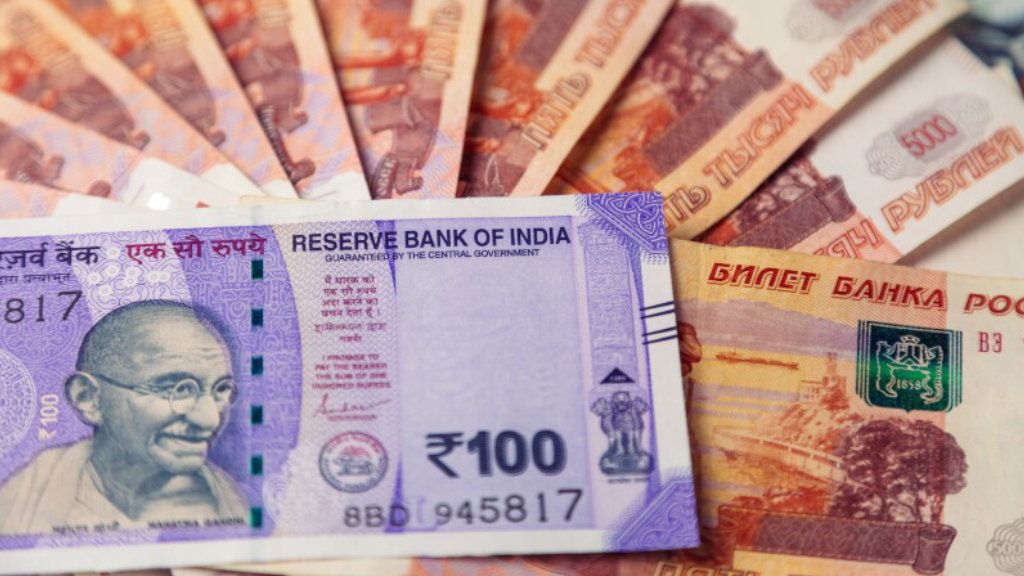
Converting Russian rubles (RUB) to Indian rupees (INR) involves understanding two distinct currencies and the market forces that link them. The Russian ruble is the world's first decimalized currency and remains one of the oldest still in use, while the Indian rupee is the official currency of one of Canada's key international partners. For Canadians, this conversion is relevant for travel, business, or sending remittances to family in India from Russia. The exchange rate is highly dynamic, influenced heavily by global oil prices and geopolitical events.
Understanding the Russian Ruble and Indian Rupee
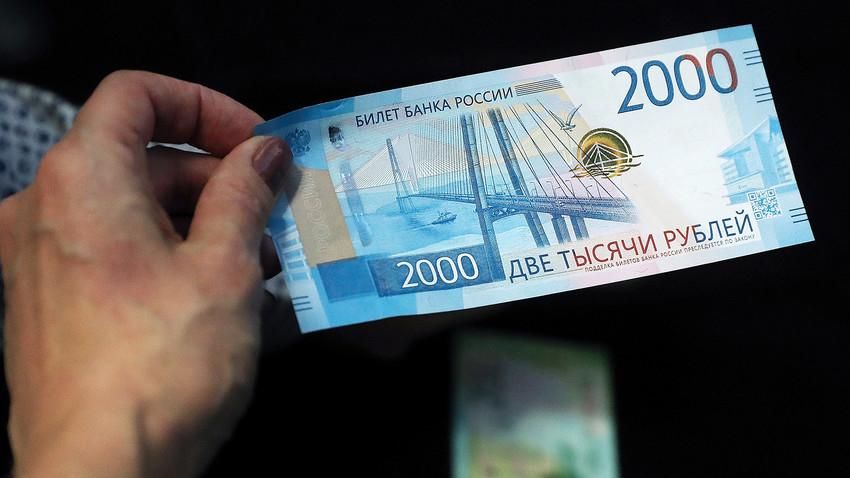
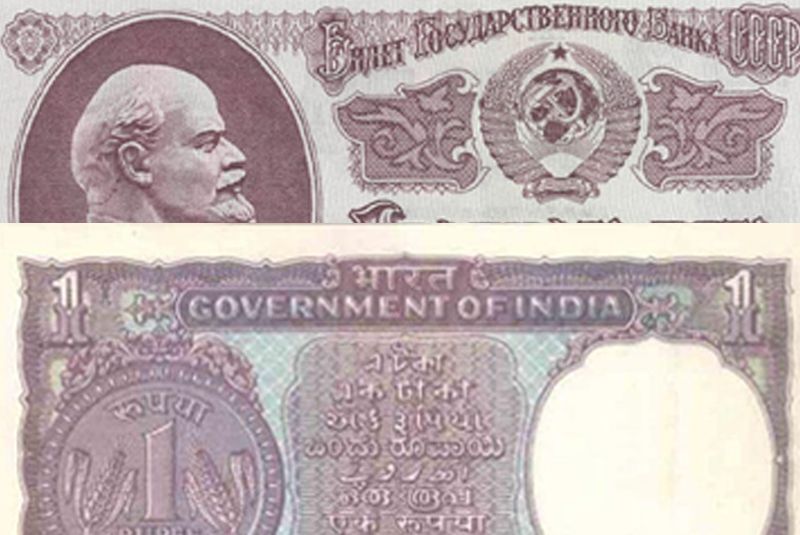
The Russian ruble, represented by the symbol ₽ and code RUB, is the official currency of the Russian Federation. It is subdivided into 100 kopeks and holds the historical distinction of being the world's first decimalized currency. Despite geopolitical challenges, the ruble remains a significant currency due to Russia's status as a major global economy and energy exporter. The Indian rupee, with the code INR, is the official currency of India, a nation with deep historical ties to Russia and a growing economic partnership. The relationship between these two currencies is shaped by bilateral trade, particularly in energy, where India is a major importer of Russian crude oil. This trade flow creates a direct economic link that influences the demand for converting rubles to rupees and vice versa. For Canadians looking at this pair, it is important to recognize that neither currency is commonly held or traded directly at most local Canadian banks or forex counters. The Russian government enforces strict controls, banning foreign currency transactions between its residents, which adds a layer of complexity to the currency's international flow. The ruble was initially known as the Soviet ruble and was renamed after the fall of the Soviet Union, a period during which its value declined before regaining dominance.
How the RUB to INR Exchange Rate is Determined
The exchange rate between the Russian ruble and the Indian rupee is a floating rate determined by the global foreign exchange market. This rate represents the value of one ruble in terms of rupees and fluctuates continuously based on supply and demand dynamics. The primary reference point used in financial markets is the mid-market rate, which is the midpoint between the buy and sell prices of major international banks. It is crucial to understand that the rate offered to consumers by banks, money transfer services, or forex dealers will include a margin or service fee, making it different from the pure mid-market rate. The rate is influenced by the relative economic strength, trade balances, and monetary policies of both Russia and India. Furthermore, because direct trading between RUB and INR can be limited in some markets, the rate is often calculated indirectly through a cross-rate involving a major currency like the US dollar or the euro. This means the final RUB/INR rate you see can be a product of the RUB/USD and USD/INR rates. For context, one US dollar has historically converted to approximately 55 to 60 Russian rubles, establishing a baseline for these cross-currency calculations. Online currency converters and money transfer services use real-time mid-market rates as a base but apply their own margins, which is how providers like Western Union make money from currency exchange.
Key Factors That Move the Exchange Rate
Several macroeconomic and geopolitical factors cause the RUB to INR rate to move. The most significant factor is the global price of crude oil. Russia's economy is heavily driven by energy exports, so as oil prices rise, the ruble tends to strengthen, which can increase its value against the rupee. Conversely, a drop in oil prices can pressure the ruble. Central bank interest rate decisions in both countries also play a major role. If Russia's central bank raises interest rates, the ruble can become more attractive to foreign investors seeking higher returns, increasing demand for the currency. Political stability and international sanctions have a pronounced impact on the ruble, as seen in recent years where geopolitical events caused high volatility. For the Indian rupee, domestic factors like inflation levels, foreign investment flows, and the Reserve Bank of India's monetary policy are key drivers. A country with low inflation increases or maintains its currency's purchasing power and signals a stronger economy. High levels of national debt can negatively impact investor perception and currency value. The trade relationship between the two nations, where India imports substantial oil from Russia, creates a consistent flow of rupees needed to pay for rubles, underpinning the currency pair's dynamics. The Russian economy's reliance on oil exports means any change in oil prices proportionally changes the rate of the Russian ruble, a relationship visible on any Russian ruble versus Indian rupee chart.
Historical Context and Notable Rate Movements
The exchange rate between the Russian ruble and the Indian rupee has seen considerable variation over the past decades, reflecting the economic transformations in both nations. Following the dissolution of the Soviet Union, the value of the ruble declined significantly before stabilizing as Russia's economy recovered, largely on the back of commodity exports. Historical averages show the pair trading at different levels across economic cycles. The average exchange rate in 2011 was 1.5864 Indian rupees for one Russian ruble. By 2022, that average had moved to 1.1703 rupees per ruble. Despite facing international sanctions and geopolitical pressures, the Russian ruble demonstrated resilience and was reported as the top-performing major currency against the US dollar in 2025. This performance against the dollar would have influenced its cross-rate with the Indian rupee as well. The rate is inherently volatile, and sharp swings can occur based on oil market shocks or major political announcements. For individuals tracking this pair, reviewing long-term charts and historical averages provides context for whether current rates are relatively high or low, though past performance is not indicative of future results. The recent geopolitical events and sanctions have had a great impact on the Russian ruble, yet it emerged strongly in 2025. Tracking tools can show historical data for up to the last five years, and setting rate alerts can help users monitor for favourable movements.
How Canadians Can Convert Currency and Associated Costs
For Canadians needing to convert between Russian rubles and Indian rupees, the process typically involves multiple steps and intermediary currencies, as RUB is not widely available directly in Canada. Most individuals and businesses will first convert Canadian dollars (CAD) to a major currency like US dollars or euros, and then convert that to the target currency. Several types of financial institutions and services facilitate these conversions, each with its own fee structure. Major Canadian banks offer foreign exchange services, but they often apply a significant markup to the mid-market rate, which can be several percentage points. Specialized online money transfer services and authorised forex platforms frequently advertise using the real mid-market rate but then charge a separate transfer fee. It is common for these providers to show an estimated total cost, including both the exchange rate margin and any fixed fees, before you confirm a transaction. To understand the full cost, you must look at the total amount of currency delivered after all fees, not just the advertised exchange rate. Services like Western Union show an estimated rate and transfer fee that vary by payment method, payout option, and transfer amount. If you use a credit card with such services, a card-issuer cash advance fee and associated interest charges may apply, making debit cards a potentially lower-cost payment method.
When comparing options, consumers should obtain quotes from multiple sources. The exchange rate and transfer fee can vary depending on the amount you send, your payment method, destination country, and payout option. Western Union fees can vary depending on these factors and the CAD to INR exchange rate at the time of transfer. The rate you receive for a personal transfer may include a small margin or service fee, so it is helpful to check live data before sending money. You can review the transfer fee, exchange rate, and estimated amount before confirming your international money transfer.
| Provider Type | Typical Fee Structure |
|---|---|
| Major Banks | Significant exchange rate markup (2-5%) plus possible wire transfer fees. |
| Online Transfer Services | Mid-market rate with a separate percentage-based transfer fee. Fee varies by amount and speed. |
| Local Forex Counters / Airport | Fixed exchange rate that includes a large built-in commission. Rates are less competitive. |
| Authorised Online Forex Platforms | Often offer the best exchange rates compared to banks and airport counters. |
Authorised online forex platforms often provide more competitive rates than airport counters or local money changers. For larger transfers, some services may waive fees entirely, instead making their margin on the exchange rate. Always review the final delivery amount in the target currency before committing to a transaction. Providers are required to show estimates of exchange rates and fees, which are subject to change based on market conditions and your chosen transfer method.
Steps and Security for Online Currency Conversion
Converting currency online involves specific steps to ensure you get the correct amount and protect your funds. The process usually begins with selecting a reputable service provider authorised by financial regulators. You then specify the amount and the currency pair, for example, converting Russian rubles to Indian rupees. The platform will calculate and display an estimated exchange rate and any applicable fees, providing a total cost before you proceed. The next step is to enter the recipient's details if you are sending a transfer, or your own details if you are exchanging for travel. You must then complete the payment using a secure method such as a bank transfer, debit card, or credit card, though the latter may incur extra charges. After payment, you will receive a confirmation and a tracking number, known as an MTCN for some services, to monitor the transaction. Security is paramount when conducting these transactions online. Ensure the website uses SSL/TLS encryption, indicated by 'https' in the address bar and a lock icon. Verify that the platform uses a secure payment gateway and offers trusted payment modes like UPI, net banking, or cards. Be cautious of platforms offering exchange rates that are drastically better than the market average, as this can be a warning sign of fraud. Always send money only to people you know and trust, and keep your transaction details private.
- Choose an authorised provider with necessary certifications from bodies like the RBI for India-facing services.
- Input the amount and currencies to see a real-time estimate of the exchange rate and total fees.
- Complete your profile and payment using a secure method, being aware of potential cash advance fees on credit cards.
- Receive a confirmation and tracking number (MTCN) to monitor your transfer status.
- Verify the website uses SSL/TLS encryption and a secure payment gateway.
- Look for abnormalities like unrealistic rates or requests for unusual payment methods as scam warnings.
Practical Tips for Securing a Good Exchange Rate
Securing a favourable exchange rate when converting currency requires research and timing. Do not leave your exchange to the last minute, as airport counters and hotel desks typically offer the worst rates due to high convenience fees. Instead, plan ahead and monitor rate trends over time to identify a favourable window for your transaction. Use online tools and currency converters from reputable sources to track the mid-market rate and understand recent volatility. When you are ready to convert, get quotes from several authorised dealers, including banks and online platforms, to compare the total cost. Be aware of security when transacting online. Only use platforms authorised by relevant financial authorities and ensure the website uses security protocols like SSL/TLS encryption. Look for secure payment gateways and be wary of deals that seem too good to be true, as they may be scams. For converting Russian rubles specifically, remember that physical ruble notes are difficult to obtain or sell outside of Russia. A common practice is to convert local currency to US dollars or euros before travel, then convert those to rubles within Russia. Similarly, converting leftover rubles back to rupees often requires first exchanging them for dollars or euros before leaving Russia. Since the ruble currency is difficult to process in any country other than Russia, most exchange houses do not hold it, making intermediary currencies a practical necessity.
- Research market trends and review exchange rate history before converting.
- Obtain quotes from multiple sources like banks, online dealers, and transfer services.
- Avoid last-minute exchanges at airports or hotels due to poor rates.
- Use authorised online forex platforms for generally better rates.
- Ensure the online platform is authorised and uses strong encryption (SSL/TLS).
- For RUB, consider converting to USD or EUR as an intermediary step before final conversion.
- Track rates using tools that allow you to set alerts for when a desired rate is reached.
- Check the total amount to be delivered after all fees, not just the headline exchange rate.
Use Cases for RUB to INR Conversion
There are several common scenarios where converting Russian rubles to Indian rupees is necessary. A primary use case is for Indian students studying in Russia who need to send money back home or convert leftover rubles after their studies. Russia is a prominent destination for Indians planning to pursue higher education, and managing tuition and living costs requires currency exchange. Another major use case is for travel, as tourists from India visiting Russia need rubles for expenses and may have currency to convert upon their return. Professionals working in Russia who send remittances to family in India also regularly engage in this conversion. Furthermore, businesses involved in the trade of goods, especially in the energy sector where India imports crude oil from Russia, require large-scale currency conversion to settle payments. For Canadians, the connection might be less direct but can involve supporting family members who are in either country, conducting business with entities in Russia or India, or managing finances from an inheritance or investment. Understanding the process and costs helps in planning these international financial activities effectively and avoiding unnecessary losses from poor exchange rates or high fees. Russia is one of the places where industrialists look to expand business, and Indian students are welcomed due to longstanding bilateral relations, both creating sustained demand for currency conversion.
Frequently asked questions
Can I directly exchange Russian rubles for Indian rupees in Canada?
Direct exchange of physical Russian ruble banknotes for Indian rupees is very difficult in Canada, as most banks and forex counters do not hold rubles in stock. The common method involves converting Canadian dollars to a major intermediary currency like US dollars or euros first. You would then convert those funds to the target currency through an international money transfer service or a bank with corresponding capabilities in the destination country. The conversion of Russian rubles to Indian rupees is not easy in India either, as most forex centres do not accept Russian ruble currency.
Why does the RUB to INR rate change so frequently?
The exchange rate changes frequently because it is a floating rate determined by the global foreign exchange market, where prices update continuously based on supply and demand. Key drivers include fluctuations in global crude oil prices, which heavily impact the Russian economy, changes in interest rates set by the central banks of Russia and India, geopolitical events, and the relative economic performance and inflation rates of both countries. These factors cause constant reassessment of each currency's value. Since oil is the main export of Russia, any change in oil prices proportionally changes the rate of the Russian ruble.
What is the difference between the mid-market rate and the rate I get?
The mid-market rate is the benchmark rate you see on financial data feeds, representing the midpoint between the buy and sell prices of major banks. The rate you are offered by a bank, money transfer service, or currency dealer is the customer rate, which includes a margin or markup. This margin is how the service provider makes money on the transaction, so the rate you receive will always be less favourable than the pure mid-market rate. Always look at the total amount you will receive after all fees. Western Union and similar services note that their rate may differ because money transfer providers can apply an exchange rate margin.
Is it safe to convert currency using online platforms?
It is safe to use online platforms that are properly authorised and regulated. Before using a service, verify that it is licensed by relevant financial authorities. Ensure the website uses security measures like SSL/TLS encryption, indicated by 'https' in the address bar and a lock icon. Use secure payment methods and be cautious of platforms offering rates that are drastically better than the market average, as this can be a sign of fraud. Read reviews and check the provider's track record. Providers like Western Union use encryption and fraud prevention efforts to help protect international money transfers.
I am travelling from Russia to India with leftover rubles. What should I do?
Converting Russian ruble cash directly to Indian rupees in India can be challenging, as many forex centres may not accept ruble notes. The recommended practice is to convert your leftover Russian rubles to a widely accepted currency like US dollars or euros before you leave Russia. You can then bring those dollars or euros to India and convert them to rupees at local banks or authorised forex dealers, which will readily accept those major currencies. This two-step process is the most common and reliable method for handling leftover rubles.
How do international sanctions affect converting RUB to INR?
International sanctions can create significant volatility and complexity for the Russian ruble. Sanctions can limit the ability of certain financial institutions to process transactions involving rubles, potentially reducing liquidity and increasing transaction costs. They can also affect investor confidence, leading to sharp swings in the ruble's value. While trade between Russia and India, particularly in oil, has continued, sanctions are a key factor that foreign exchange service providers consider, and they may adjust their offered services or rates accordingly. The recent geopolitical events and sanctions have had a great impact on the Russian ruble, contributing to its volatility.
Sources and further reading
- Russian rubles to Canadian dollars today wise.com
- CAD to INR | Convert Canadian Dollar to Indian Rupee westernunion.com
- Russian Ruble to INR Rate Today | RUB to INR History extravelmoney.com
- Convert Russian Roubles to Canadian Dollars | RUB to CAD currency.me.uk
- RUB to INR, Convert Russian Ruble to Rupee Exchange ... thomascook.in
This article explains how things work and is not financial, tax or legal advice. Rules, limits and rates change, so check the current figures with the Canada Revenue Agency, your province or your financial institution before you act.