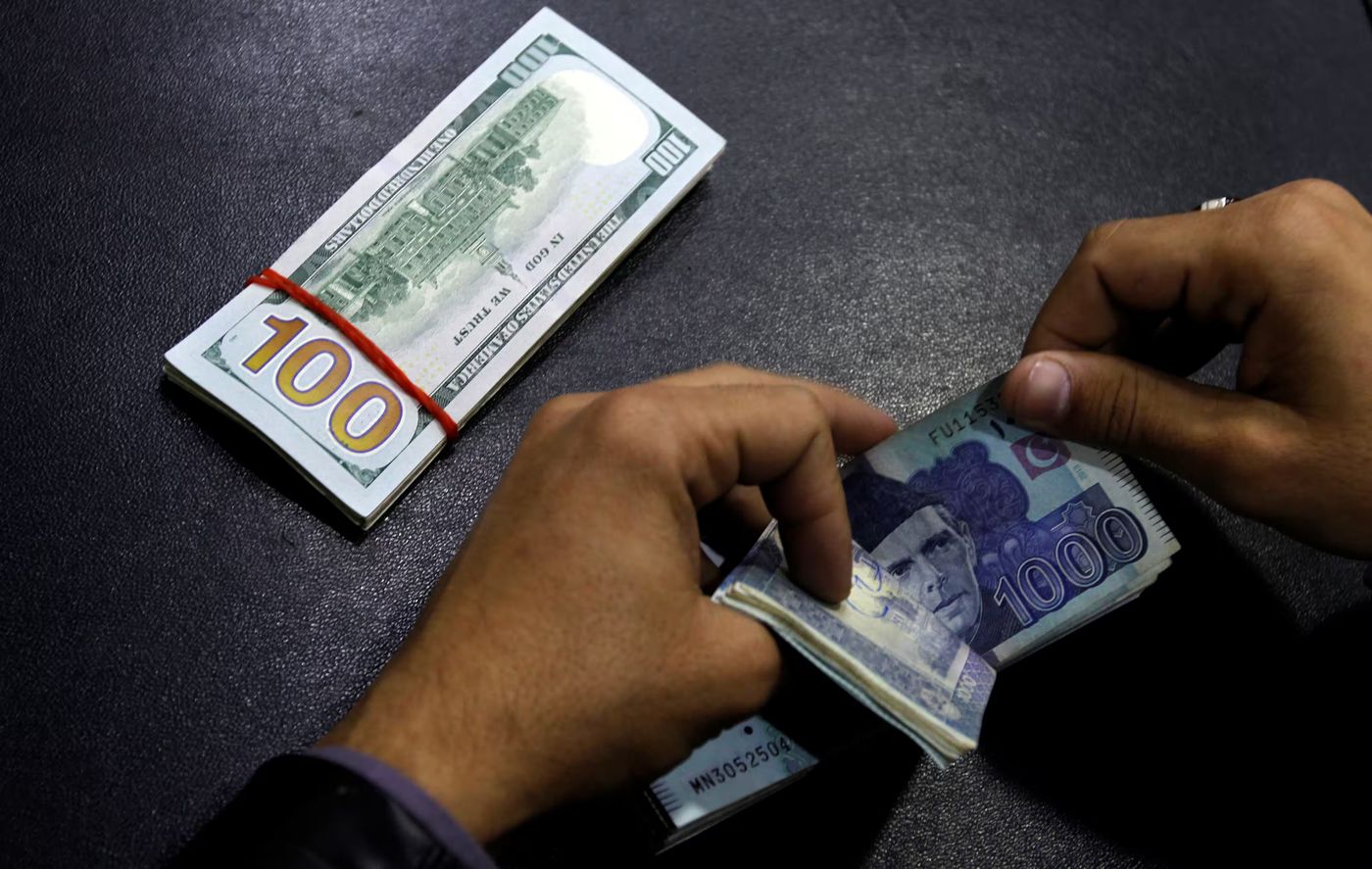
Converting Pakistani rupees (PKR) to Indian rupees (INR) involves exchanging the currencies of two neighbouring South Asian nations. The exchange rate between them is influenced by each country's economic policies, trade balances, and political relations. For Canadians, this conversion is often part of sending remittances to family or conducting business across the region. Understanding how the rate is set, its historical context, and the costs involved helps Canadians make informed financial decisions when transferring money.
Understanding the PKR and INR Currencies
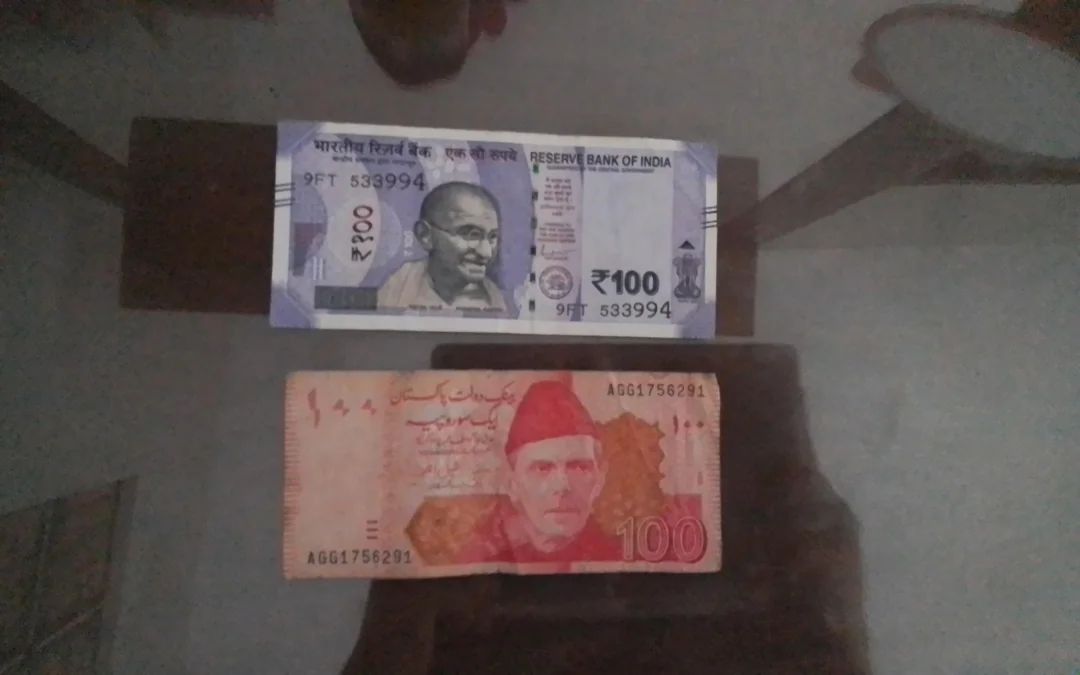
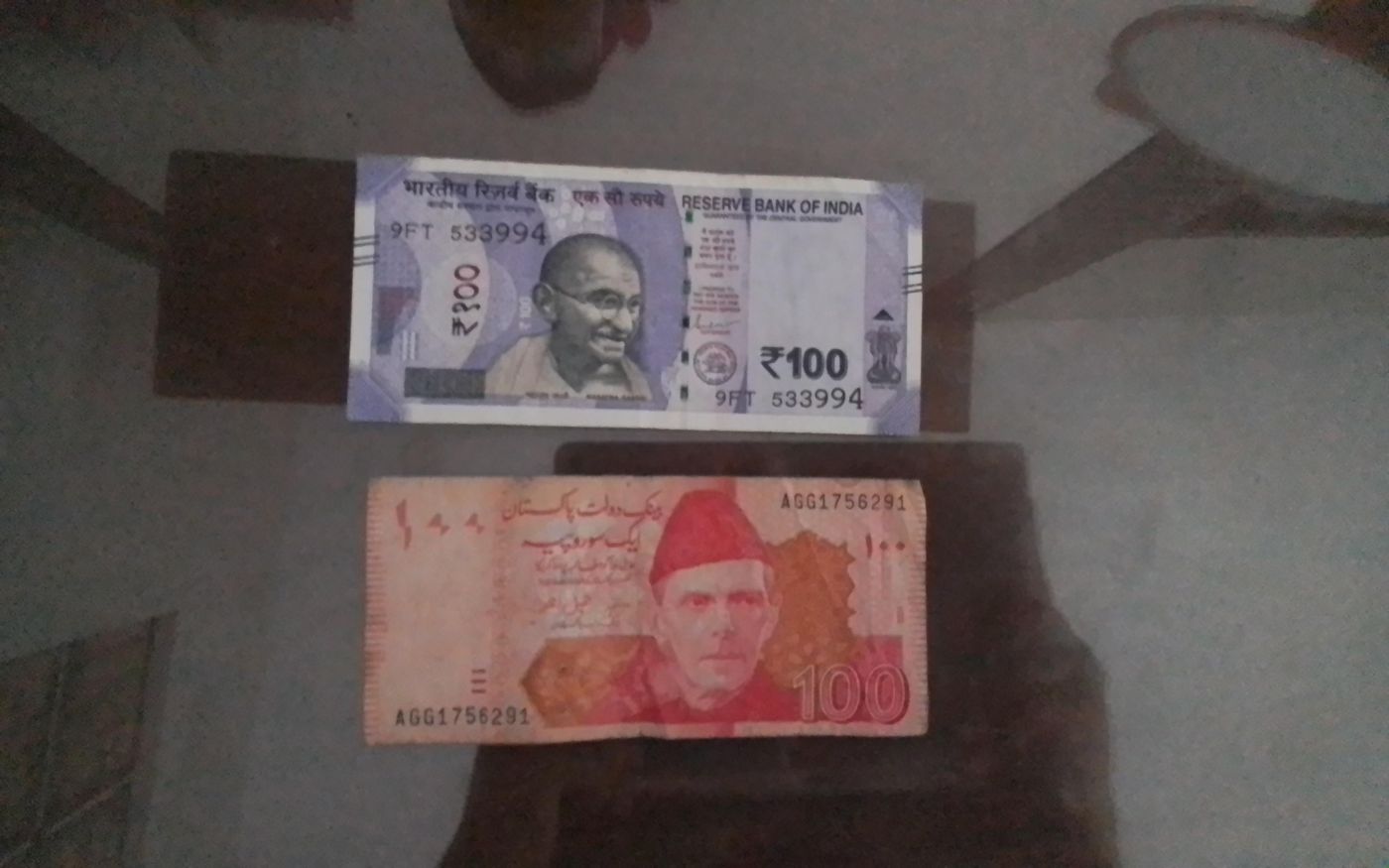
The Pakistani rupee is the official currency of Pakistan, issued by the State Bank of Pakistan. Its currency code is PKR and it uses the symbol ₨. The Indian rupee is the official currency of India, issued by the Reserve Bank of India. Its currency code is INR and it uses the symbol ₹. Both currencies are fiat currencies, meaning their value is not backed by a physical commodity like gold but by the trust in their respective governments and central banks. The most popular exchange rate for the Pakistani rupee is the PKR to USD pair, while for the Indian rupee it is the INR to USD pair. These relationships with the US dollar are primary benchmarks that influence their relative value against each other and other global currencies like the Canadian dollar. The Canadian dollar itself is a major currency, and common conversion benchmarks show that one Canadian dollar is often worth approximately 196.51 Pakistani rupees, while one Indian rupee is worth approximately 0.01484 Canadian dollars.
How the PKR to INR Exchange Rate is Determined
The exchange rate between the Pakistani rupee and the Indian rupee is a floating rate determined by the foreign exchange market. The primary reference is the mid-market rate, which is the midpoint between the global buy and sell prices for the currency pair. This rate is constantly changing due to trading activity in global financial markets. It is important to note that the mid-market rate is a wholesale benchmark used for informational purposes. Individuals and businesses converting money through banks or transfer services will not receive this exact rate, as providers add a margin or fee. The rate is influenced by the relative performance of each currency against major benchmarks like the US dollar, which acts as a common denominator for valuation. Money transfer providers like Xe and Western Union explicitly state that the mid-market rate shown on converters is for information only and that customers will receive a different rate when actually sending money.
Factors That Influence the Exchange Rate
Several key economic and geopolitical factors cause the PKR to INR rate to fluctuate. The economic health of each country, including inflation rates, interest rates set by their central banks, and gross domestic product growth, plays a significant role. Trade balances between Pakistan and India, though limited, and each nation's trade with the rest of the world affect demand for their currencies. Political stability and diplomatic relations between the two countries can also lead to volatility in the exchange rate. Furthermore, global market sentiment and the strength of the US dollar influence both currencies independently, which in turn affects their cross rate. These dynamics mean the rate can change frequently throughout the trading day. Western Union notes that market rates are influenced by several key factors, including economic indicators, geopolitical events, and central bank policies, which cause values to shift with global financial markets.
Historical Volatility and Rate Ranges
Historical data shows the PKR to INR rate experiences periods of volatility. Over a recent 90-day period, the rate moved between a low of 0.3402 and a high of 0.3494, with an average of 0.3447 and volatility of 0.25 percent. In a 30-day window, the range was from 0.3422 to 0.3494, with a slightly higher average of 0.3461 and volatility of 0.30 percent. Over a 7-day period, the movement was between 0.3422 and 0.3458, with an average of 0.3435 and volatility of 0.25 percent. These ranges illustrate that while the rate can shift, movements are often measured in fractions of a rupee. The performance of PKR against the Canadian dollar also shows variation, with a 30-day high of 0.0052 CAD per PKR and a low of 0.0051 CAD, and a 90-day high of 0.0052 and low of 0.0050. The change in the PKR to CAD rate over the last 30 days was 0.19, and over the last 90 days was 0.08.
How Canadians Convert Currency
Canadians looking to convert between Pakistani and Indian rupees typically do so through financial institutions or specialized money transfer services. The process usually involves converting Canadian dollars first to one of the target currencies. Common methods include using bank wire transfers, online money transfer operators, or currency exchange kiosks. Many providers offer online platforms or mobile apps where users can enter the amount, select the currencies, and see an estimated conversion rate and total fees before committing. It is standard practice for these services to show all costs upfront, including the exchange rate margin and any fixed transfer fees. Canadians can also use multi-currency accounts offered by some fintech companies to hold and convert currencies at the mid-market rate. Services like Wise promote the ability to keep multiple currencies in one account and convert them in seconds using the real mid-market rate without hidden fees. Western Union allows sending money to Pakistan online, via an app, or in person at an agent location, with payout options like cash pickup.
Fees and Charges from Canadian Providers
When converting money, Canadians pay costs beyond the mid-market exchange rate. These costs vary significantly depending on the provider and transfer method. Major Canadian banks typically charge an exchange rate margin, a wire transfer fee, and there may be a receiving bank fee on the other end. Online money transfer services like Wise often advertise a small percentage fee while using the mid-market rate, stating they use the real rate with no sneaky mark-up. Traditional transfer services like Western Union apply a variable transfer fee based on the amount and destination, plus an exchange rate margin, as they explicitly state they make money from currency exchange. Multi-currency accounts may offer conversions at the mid-market rate with a transparent percentage fee and are marketed for sending, spending, and getting paid in over 40 currencies.
| Provider Type | Typical Cost Components |
|---|---|
| Major Canadian Banks | Exchange rate margin (markup), wire transfer fee, possible receiving bank fee. |
| Online Money Transfer Services (e.g., Wise) | Small percentage fee, often with the mid-market rate. Wise states it uses the real rate with no sneaky mark-up. |
| Traditional Transfer Services (e.g., Western Union) | Variable transfer fee based on amount and destination, plus an exchange rate margin. They make money from currency exchange. |
| Multi-Currency Accounts | May offer conversions at the mid-market rate with a transparent percentage fee. Useful for sending, spending, and getting paid in over 40 currencies. |
Western Union notes that its fees can vary based on the amount sent, payment method, destination country, and payout option. Some online services advertise being free from hidden fees and using the real mid-market rate. It is crucial for users to review the total cost, which includes the exchange rate applied and any transfer fee, before confirming a transaction. Providers like Xe compare their bank-beating rates and no hidden fees to leading banks, claiming more value on every transfer, though savings are calculated on specific examples and may not be indicative of all transfers.
Steps for Sending Money from Canada
To send money that involves a PKR to INR conversion, Canadians generally follow a standard process. First, they choose a provider, such as a bank, Western Union, or a fintech service like Wise. Next, they enter the transfer details online, via an app, or in person, specifying the amount in Canadian dollars and the desired payout currency. The provider then shows a live quote with the applicable exchange rate, all fees, the total cost in CAD, and the estimated amount the recipient will receive. After reviewing and accepting these terms, the sender provides payment from a Canadian bank account, debit card, or credit card. Finally, the sender receives a tracking number to monitor the transfer, and the funds are delivered to the recipient via bank deposit, cash pickup, or other methods.
- Select a money transfer provider (e.g., online, app, or agent location).
- Enter the transfer amount and currencies to get a real-time estimate.
- Review the live quote with all fees and the exchange rate upfront.
- Provide payment from a Canadian funding source (bank account, debit/credit card, or cash in-store).
- Receive a tracking number (MTCN) for the transaction to monitor online or via app.
- The recipient receives funds in their local currency via cash pickup or bank deposit.
Providers emphasize security measures like encryption and fraud prevention. Western Union uses security measures designed to help protect international money transfers. Senders are advised to only send money to people they know and trust. It is also recommended to check receiver details carefully and keep your MTCN tracking information private. Furthermore, individuals should stay alert for scam or fraud warning signs.
Tools for Tracking Exchange Rates
Canadians can use several tools to monitor the PKR to INR rate and plan their transfers. Many financial websites and apps offer live currency converters that display the mid-market rate. These tools often feature interactive charts that show historical data, sometimes for up to five years, allowing users to see trends. Some services enable users to set up rate alerts, sending a notification when the exchange rate reaches a specified target. This can help users time their transfers to get a more favourable rate. It is important to remember that the rate shown on general search engines or converters is usually the mid-market rate, which is for reference only. The actual rate offered by a money transfer service will include a margin. Xe offers a live PKR to INR chart that tracks 12 months of real-time mid-market rates and shows how much your money was worth at any point. They also allow setting a rate alert to notify when a target rate is hit. Western Union provides a currency converter tool that gives an estimated conversion based on available exchange rates before you proceed with a money transfer.
Security and Rewards in Money Transfers
Security is a major focus for reputable money transfer providers serving Canadians. Services employ encryption and fraud prevention systems designed to protect international money transfers whether conducted online, through mobile apps, or at physical agent locations. Customers are given tracking numbers to monitor their transfers in real time, adding a layer of transparency and control. Providers also offer advice to users, such as sending money only to known and trusted recipients, double-checking all receiver details, keeping tracking codes private, and being vigilant for signs of fraud or scams. Beyond security, some services offer loyalty rewards programs. For example, Western Union Rewards allows members to earn points on money transfers, with 500 points equating to up to a 2 CAD discount on future transfer fees. Members may also have access to exclusive offers, and signing up for such programs is typically straightforward through provider websites or apps.
Frequently asked questions
What is the difference between the mid-market rate and the rate I get?
The mid-market rate is the midpoint between the global buy and sell prices in the wholesale currency market. It is a pure benchmark rate used for information. When you convert money through a bank or transfer service, you receive a retail rate that includes a margin or markup added by the provider. This margin, along with any fixed transfer fees, is how these companies make money on the transaction, so the rate you pay is always less favourable than the mid-market rate. Providers like Xe and Western Union explicitly state that the mid-market rate shown on converters is for informational purposes only and that you will not receive this rate when sending money.
Can I send money directly from PKR to INR from Canada?
Typically, no. Most Canadian financial institutions and transfer services do not support a direct conversion from Pakistani rupees to Indian rupees. The standard process involves converting Canadian dollars to the target currency. You would send Canadian dollars, and the service would convert them to Indian rupees for a recipient in India. If you hold Pakistani rupees, you would likely need to convert them to Canadian dollars first before sending funds destined for India. Conversion tools and services primarily focus on converting from major currencies like CAD, USD, EUR, or GBP to the local currency of the recipient's country.
How do transfer fees work with services like Western Union?
Fees for services like Western Union are not fixed. They vary depending on the amount you are sending, your chosen payment method, the destination country, and how the recipient will get the money. Before you confirm a transfer, the provider will show you an estimate that includes both the transfer fee and the exchange rate being applied. This allows you to see the total cost in Canadian dollars and the final amount the recipient will receive in their local currency. Western Union notes that the exchange rates and fees shown are estimates and are subject to change based on a number of factors including payment and payout methods.
Is it safe to send money internationally from Canada?
Reputable money transfer providers use security measures like encryption and fraud prevention systems to help protect transactions. They also provide a tracking number for you to monitor the transfer. For added safety, you should only send money to people you know and trust, double-check all recipient details, keep your tracking information private, and be aware of common scam warnings. Services are available online, via apps, and at physical agent locations. Western Union specifically highlights its encryption and fraud prevention efforts designed to help protect your money transfers regardless of how you send them.
What is a multi-currency account and how can it help?
A multi-currency account, offered by some fintech companies, allows you to hold balances in multiple currencies, such as CAD, PKR, and INR, within a single account. You can convert between these currencies at the mid-market rate, often with a low, transparent fee. This can be useful if you frequently send money or make payments in different currencies, as it may help you avoid repeated exchange rate markups and high transaction fees from traditional banks. Services like Wise promote such accounts as a way to keep currencies on hand in one place, convert them in seconds, and spend abroad without worrying about high transaction fees or exchange rate markups.
Why does the exchange rate I see on Google differ from a provider's rate?
Google typically displays the mid-market exchange rate, which is a real-time reference rate from the global currency markets. Money transfer providers apply their own exchange rate margin to this benchmark rate for retail customers. Therefore, the rate quoted by a bank or service will always be different, and less favourable, than the rate shown on Google. The provider's rate can also vary based on the transfer amount, payment method, and timing of the transaction. Western Union explicitly states that the exchange rate you see on Google is often the mid-market rate, and their rate may differ because money transfer providers can apply an exchange rate margin.
Sources and further reading
- 1 PKR to INR, Convert Pakistani Rupees to Indian Rupees xe.com
- CAD to PKR | Convert Canadian Dollar to Pakistan Rupee westernunion.com
- Pakistani rupees to Canadian dollars Exchange Rate. ... wise.com
This article explains how things work and is not financial, tax or legal advice. Rules, limits and rates change, so check the current figures with the Canada Revenue Agency, your province or your financial institution before you act.