Converting New Zealand dollars to Canadian dollars is a common transaction for Canadians traveling, studying, or doing business in New Zealand. The exchange rate between the two currencies fluctuates based on global market forces, economic data, and interest rate decisions. Canadians have several options for converting their money, including banks, credit cards, and specialized transfer services, each with different fees and exchange rate margins. Understanding how the rate is set and the costs involved can help individuals get better value when moving money between these two currencies.
The New Zealand and Canadian Dollars
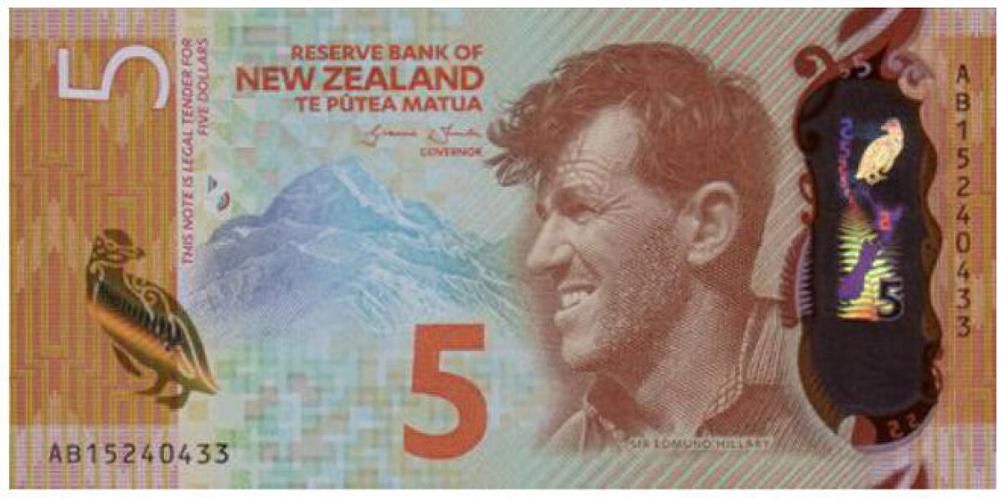
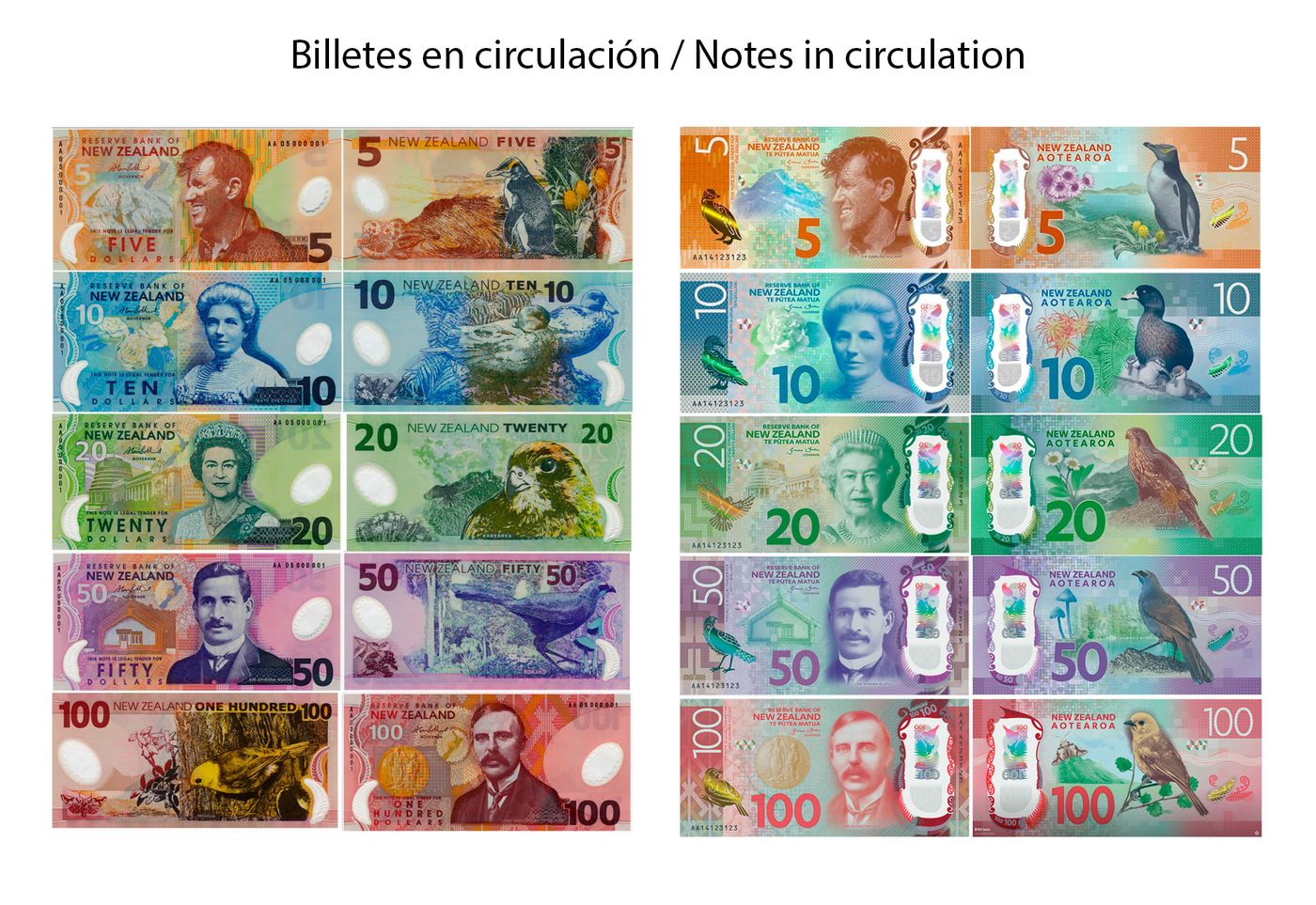
The New Zealand dollar is the official currency of New Zealand and uses the currency code NZD. Its symbol is the dollar sign, which it shares with many other currencies including the Canadian dollar. The Canadian dollar is the official currency of Canada and uses the currency code CAD. Both currencies are freely traded on the global foreign exchange market and are considered major currencies, though they are not among the world's most heavily traded pairs like the US dollar pairs. The most popular exchange rate for the New Zealand dollar is the NZD to USD rate, while for the Canadian dollar it is the CAD to USD rate. The direct pairing between the New Zealand and Canadian dollars is often influenced by their respective relationships with the US dollar and broader commodity markets.
How the NZD to CAD Exchange Rate is Set
The exchange rate between the New Zealand dollar and the Canadian dollar is determined by the global foreign exchange market. This market operates 24 hours a day during the business week across financial centres in Auckland, Wellington, Toronto, New York, London, and Sydney. The primary rate referenced for information is the mid-market rate, which is the midpoint between the global buy and sell prices for the currency pair. This rate is determined by the continuous trading of currencies by banks, financial institutions, corporations, and investors. The mid-market rate is a pure benchmark and is not typically the rate offered to consumers or businesses for actual transactions. Retail providers like banks and money transfer services add a margin or fee on top of this rate, which becomes the final rate a customer pays or receives.
Several key factors drive movements in the NZD to CAD exchange rate. Changes in the interest rates set by the Reserve Bank of New Zealand and the Bank of Canada are a major influence, as they affect investment flows into each country's debt markets. Economic data releases, such as employment figures, inflation reports, and gross domestic product growth from both nations, cause traders to reassess the relative strength of each economy. The price of global commodities like dairy products, lumber, and oil also impacts the currencies, as New Zealand and Canada are both significant commodity exporters. Broader market sentiment and risk appetite among global investors can cause both currencies to move in tandem or diverge against safe-haven currencies like the US dollar or Japanese yen.
Historical Performance and Notable Trends
Historical data shows that the NZD to CAD exchange rate has experienced periods of both stability and significant movement. Over a recent 90-day period, the rate moved between a high of 0.8268 and a low of 0.7965, with an average of 0.8106. This represents a change of negative 1.72 percent over that quarter. In a recent 30-day period, volatility was lower, with the rate moving between 0.7965 and 0.8051, averaging 0.7998. The change over that month was negative 0.27 percent. Looking at a shorter seven-day window, the range was tighter, between 0.7972 and 0.7997, with an average of 0.7985 and volatility of 0.11 percent. These figures illustrate how the rate can shift over different time frames.
Examining longer-term history reveals broader trends. In 2018, the exchange rate was notably less stable. At one point in early October of that year, one New Zealand dollar exchanged for around 0.83 Canadian dollars. Later in the same year, the rate moved significantly, with one New Zealand dollar exchanging for around 0.91 Canadian dollars. This wide swing of approximately eight cents within a single year highlights the potential for volatility driven by economic events or market sentiment. Tracking these historical movements is important for anyone planning a large transfer or trying to understand the cyclical nature of the currency pair. Many online platforms allow users to view historical chart data for up to the last five years to analyze these trends.
- The 90-day high for NZD/CAD was 0.8268.
- The 90-day low for NZD/CAD was 0.7965.
- The 30-day average for NZD/CAD was 0.7998.
- In 2018, the rate swung from around 0.83 to around 0.91 CAD per NZD.
- The change over a recent 90-day period was negative 1.72 percent.
- Historical chart data is often available for the last five years.

Methods for Converting NZD to CAD
Canadians have several avenues for converting New Zealand dollars to Canadian dollars, each with distinct cost structures and conveniences. Traditional banks offer currency exchange services both at branches and through online banking platforms. They typically sell foreign currency at a rate that includes a significant markup from the mid-market rate, which is their profit margin. Credit and debit cards are another common method, where the conversion happens at the point of sale or ATM withdrawal. Card networks and issuing banks apply their own exchange rate, which usually includes a margin of two to three percent above the mid-market rate, and may charge additional foreign transaction fees.
Specialized international money transfer services have become popular alternatives. Companies like Xe and Western Union operate online platforms and agent locations for sending money globally. These services often promote bank-beating rates and transparent, upfront pricing. They typically use a rate closer to the mid-market rate but may charge a separate transfer fee, especially for smaller amounts or expedited services. For larger transfers, these services can offer substantial savings compared to traditional banks. Some digital-only financial platforms offer multi-currency accounts where users can hold and convert currencies in seconds, often at the real mid-market rate with no hidden fees. The choice of method depends on the amount being converted, the need for speed, and the user's tolerance for fees versus convenience.
- Banks exchange currency at branches and online with a marked-up rate.
- Credit and debit cards convert at point of sale with a network margin.
- Transfer services like Xe and Western Union operate online and in person.
- Digital multi-currency accounts allow instant conversion at the mid-market rate.
- Transfer services may charge a separate fee for the transaction.
- Card providers often add a foreign transaction fee on top of the exchange rate.
Fees and Costs to Consider
When converting currency, the total cost is a combination of the exchange rate margin and any explicit fees. The exchange rate margin is the difference between the mid-market rate and the rate actually offered by the provider. Many transfer services advertise using the mid-market rate but charge a separate fee for the transaction. This fee can be a flat amount, a percentage of the transfer, or a tiered fee based on the amount sent. It is crucial to look at the total cost, which includes both the rate and any fees, to compare providers effectively.
Additional charges can also apply depending on the method. Credit cards frequently add a foreign transaction fee, which is typically a percentage of the purchase amount, on top of the exchange rate margin applied by the card network. ATM withdrawals abroad may incur fees from both the local ATM operator and the cardholder's home bank. Some money transfer services charge more for faster delivery options or for paying with a credit card instead of a bank debit. A comparison for a single transfer of 20,000 New Zealand dollars to Canadian dollars on a specific date showed that savings were possible by using a specialized transfer service over a traditional bank. However, these savings vary based on the amount, timing, payment method, and provider policies.
Using Transfer Services and Digital Tools
International money transfer services streamline the process of sending New Zealand dollars and having them received as Canadian dollars. Providers like Western Union allow users to initiate transfers through their website, mobile app, or at physical agent locations. The sender enters the amount in New Zealand dollars, and the service calculates the amount in Canadian dollars that the recipient will get, showing all fees and the applicable exchange rate upfront. The recipient can then collect the funds in cash at an agent location in Canada, have it deposited into a bank account, or received in a digital wallet. These services emphasize speed, with many transfers completed in minutes for cash pickup, though delays can occur based on the destination, amount, identification requirements, and time zones.
Digital tools help users monitor the market and execute conversions strategically. Most currency converter websites and apps provide real-time mid-market rates and historical charts. Users can set up rate alerts to receive a notification when the NZD to CAD exchange rate reaches a desired level, allowing them to time their transfer for a more favourable rate. Some platforms offer the ability to lock in an exchange rate for a future transfer, a service known as a forward contract, which can be useful for budgeting or business payments. These tools empower individuals to make more informed decisions rather than converting currency at an arbitrary time. The ability to track a transfer in real time from initiation to receipt provides additional security and peace of mind for the sender.
- Transfer services show all fees and the final exchange rate upfront.
- Recipients can get funds via cash pickup, bank deposit, or digital wallet.
- Currency apps provide real-time mid-market rates and historical charts.
- Rate alerts notify users when a target exchange rate is reached.
- Some services allow you to lock in an exchange rate for a future date.
- Transfers can be tracked in real time from start to finish.
Practical Steps for Conversion
To convert New Zealand dollars to Canadian dollars, an individual must first choose a provider based on their needs for cost, speed, and convenience. They should compare the total cost from several options, including the final exchange rate and all applicable fees. For a bank or transfer service, the user will typically need to register an account and complete identity verification procedures, which are standard regulatory requirements for financial transactions. The sender then specifies the amount in New Zealand dollars to be sent and designates the recipient in Canada. The provider will quote the exact amount in Canadian dollars that will be delivered, the fees, and the estimated delivery time.
The payment is then made by the sender. Payment methods can include a direct debit from a Canadian bank account, a credit or debit card payment, or cash deposited at an agent location. Once payment is confirmed, the service converts the funds at the agreed rate and initiates the transfer to the recipient. The recipient is notified and can collect the funds according to the chosen payout method, such as a bank deposit, cash pickup, or mobile wallet credit. For smaller, immediate needs like travel spending, using a credit card at point of sale or withdrawing cash from an ATM in New Zealand provides instant conversion, albeit often at a higher cost. For larger amounts, planning ahead and using a dedicated transfer service can yield significant savings.
Frequently asked questions
What is the New Zealand dollar to Canadian dollar exchange rate?
The exchange rate is the value of one New Zealand dollar expressed in Canadian dollars. It fluctuates constantly on the global foreign exchange market based on supply and demand. The rate you see quoted online is usually the mid-market rate, which is the benchmark rate between global buyers and sellers. The actual rate you get from a bank or transfer service will include their margin or fees.
How can I convert NZD to CAD?
You can convert currency through several methods. Banks offer exchange services at their branches and online. International money transfer services like Western Union or Xe provide online platforms and agent locations for sending money. You can also use your credit or debit card for purchases or ATM withdrawals in New Zealand, where the conversion happens automatically. Each method has different costs and delivery speeds.
Are there fees to convert New Zealand dollars to Canadian dollars?
Yes, there are almost always fees or costs involved. Banks and card networks typically build a profit margin into the exchange rate they offer you, which is worse than the mid-market rate. Many transfer services charge a separate transaction fee, which may be a flat rate or a percentage of the amount sent. Some providers also charge fees for faster delivery or specific payment methods like credit cards.
What is the mid-market rate?
The mid-market rate is the midpoint between the global buy and sell prices for a currency pair like NZD/CAD. It is the real benchmark exchange rate determined by the foreign exchange market. It is for informational purposes only, as consumers and businesses do not typically have access to this wholesale rate. Retail currency providers add a margin to this rate to make a profit on the transaction.
How long does an international transfer from NZD to CAD take?
Transfer times vary by provider and method. Some cash transfer services can complete transactions in minutes for cash pickup at an agent location. Transfers to a Canadian bank account may take one to three business days. Delays can occur based on the amount sent, regulatory checks, identification requirements, differences in time zones, and the operating hours of intermediary banks or agents.
Can I set an alert for a better NZD to CAD rate?
Yes, you can set an alert for a better NZD to CAD rate. You can set up a NZD to CAD rate alert on a currency converter's rate alerts page or within its mobile app. This service allows you to wait on a better rate, and the platform will tell you when it gets better. You will receive a notification when your desired rate is reached, helping you stay on top of currency shifts. Setting an alert is a common feature offered by financial service providers to help users monitor exchange rate movements.
Sources and further reading
- New Zealand dollars to Canadian dollars Exchange Rate. ... wise.com
- 1 NZD to CAD, Convert New Zealand Dollars to Canadian ... xe.com
- NZD to CAD | Convert New Zealand Dollar to Canadian ... westernunion.com
This article explains how things work and is not financial, tax or legal advice. Rules, limits and rates change, so check the current figures with the Canada Revenue Agency, your province or your financial institution before you act.