The Norwegian krone (NOK) and the US dollar (USD) are major global currencies, and the exchange rate between them is a key indicator for international trade and investment. For Canadians, understanding this rate is important for travel, sending money to family, or conducting business with partners in Norway or the United States. The value of the krone against the dollar fluctuates based on economic conditions, central bank policies, and global commodity markets. Knowing how to convert money efficiently can help Canadians avoid excessive fees and get better value when dealing with these currencies.
Understanding the Norwegian Krone and US Dollar
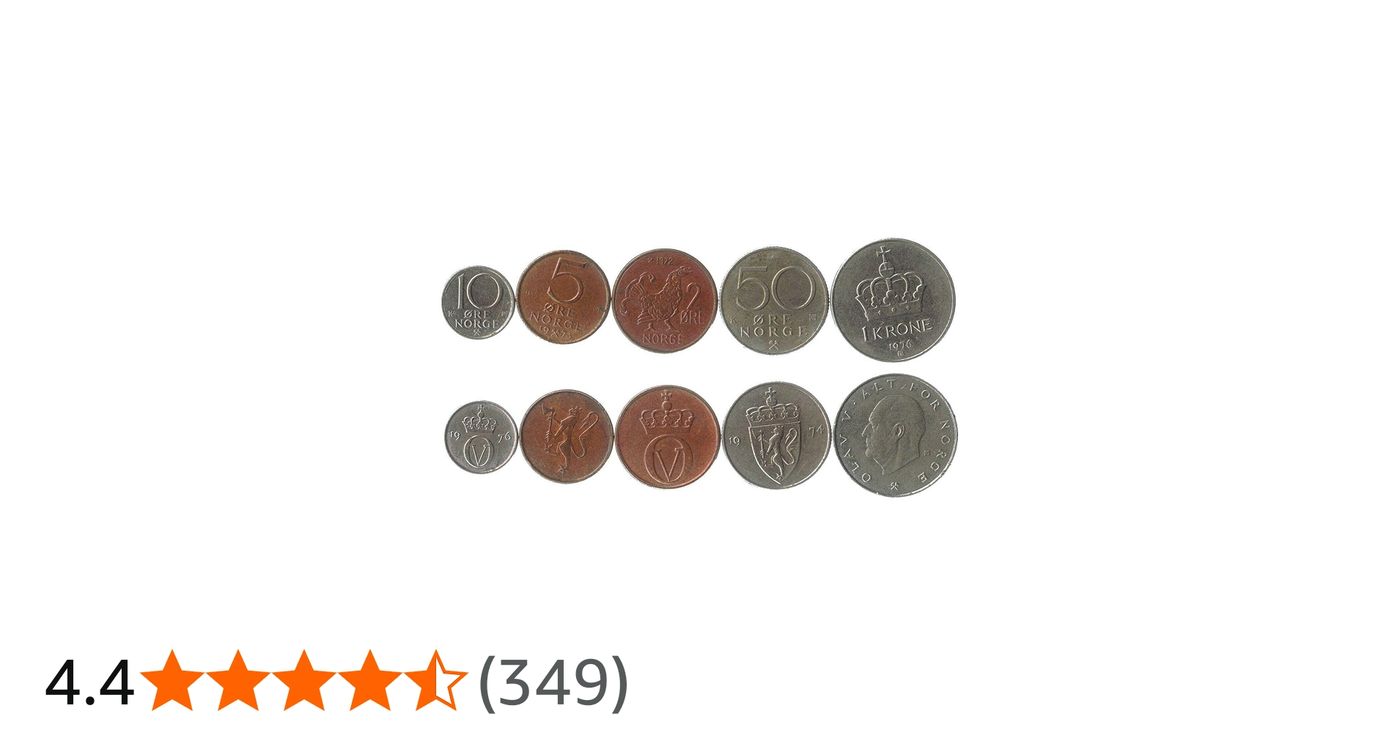
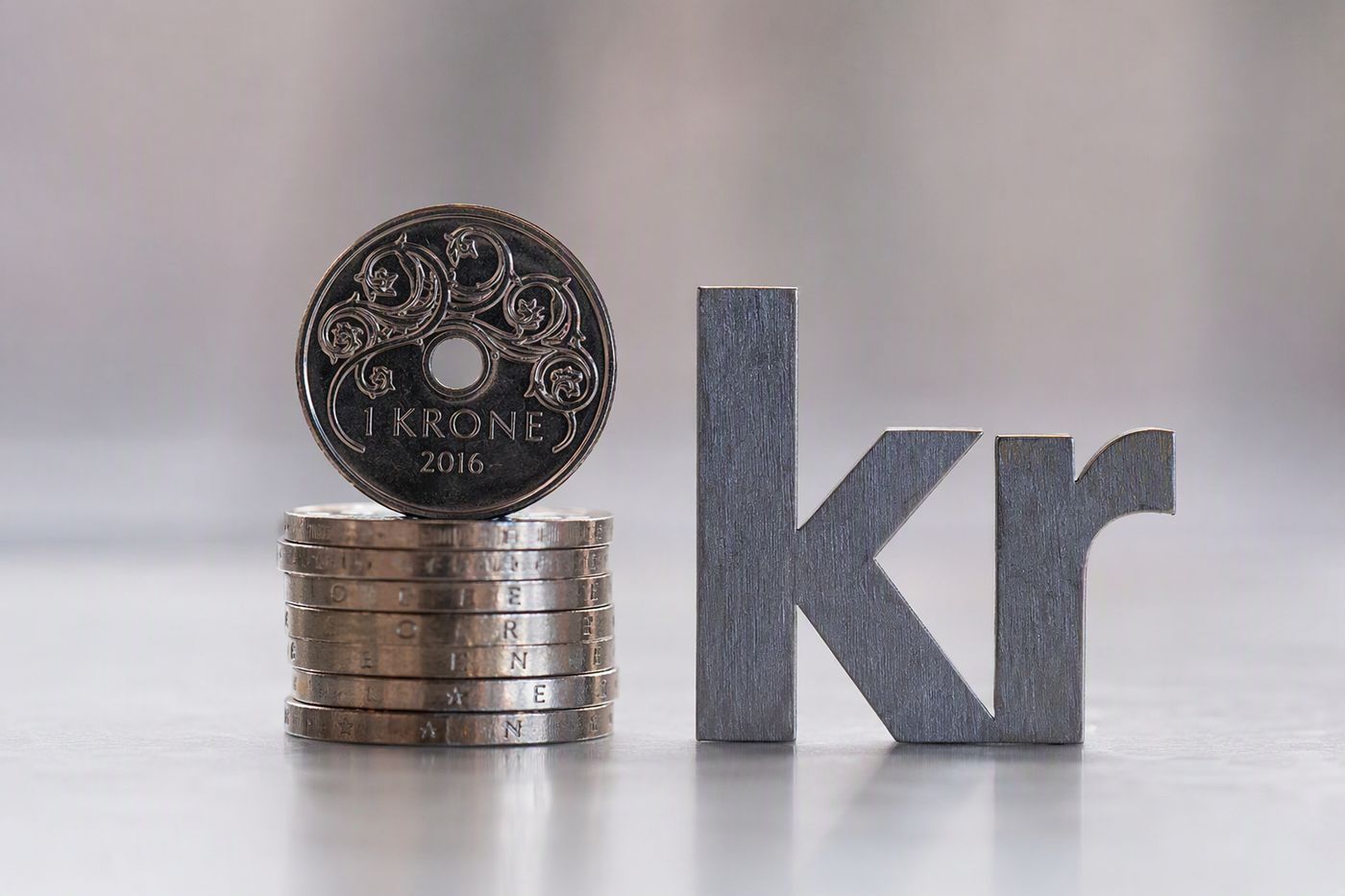
The Norwegian krone is the official currency of Norway and its currency code is NOK. The US dollar is the official currency of the United States and its currency code is USD. Both currencies are freely traded on the global foreign exchange market, making their exchange rate one of the most watched financial metrics. The krone is often influenced by Norway's economic health, particularly its substantial oil and gas exports. The US dollar serves as the world's primary reserve currency and its value is impacted by Federal Reserve policy, US economic data, and global risk sentiment. For Canadians looking at the NOK to USD pair, it is essential to recognize that the rate is a cross-currency calculation that does not directly involve the Canadian dollar. The most popular Norwegian krone exchange rate is the NOK to USD rate, while the most popular Canadian dollar exchange rate is the CAD to USD rate.
How the Exchange Rate is Set and What Moves It
The primary rate quoted is the mid-market rate, which is the midpoint between the global buy and sell prices. This rate is a pure benchmark and is not typically the rate consumers receive from banks or money transfer services. The rate fluctuates constantly due to a variety of economic factors. Key drivers include changes in interest rates set by Norges Bank and the US Federal Reserve, economic growth reports from both countries, and shifts in global commodity prices, especially oil, given Norway's status as a major exporter. Political stability and broader global market sentiment towards risk also play significant roles in moving the NOK/USD rate. Market rates are influenced by several key factors including the relative strength of each economy and international trade flows.
Historical Context and Notable Rate Movements
The historical relationship between the krone and the dollar reflects the evolving economic fortunes of Norway and the United States. For instance, over a recent 90-day period, the NOK to CAD rate saw a high of 0.1501 and a low of 0.1457, indicating a range of volatility. Such movements in the krone against other major currencies often correlate with its behaviour against the US dollar. The krone has historically been sensitive to oil price swings, often strengthening when energy prices rise. Conversely, the US dollar can strengthen during periods of global economic uncertainty as investors seek safe-haven assets. Over a recent 30-day period, the NOK to CAD rate moved between 0.1476 and 0.1500 with an average of 0.1488, showing lower volatility than the 90-day window.
How Canadians Convert Norwegian Kroner to US Dollars
Canadians have several options for converting Norwegian kroner to US dollars, each with different cost structures and convenience levels. The most common methods include using banks, credit or debit cards, and specialized money transfer services. The process typically involves two steps if starting with Canadian dollars: first converting CAD to NOK or USD, and then if necessary, converting between NOK and USD. Many service providers allow direct conversion between NOK and USD. It is crucial for Canadians to compare the total cost, which includes the exchange rate margin applied by the provider plus any fixed transaction fees. Checking live rates and fees before committing to a transaction is a standard best practice to ensure value. You can convert CAD to NOK by entering your amount into a currency converter and selecting the Canadian dollar as the sending currency and US dollar as the receiving currency. From there, you can continue with a money transfer online, through an app, or at an agent location.
Fees and Charges from Banks, Cards, and Transfer Services
Financial institutions apply various fees when converting currency, which can significantly affect the final amount received. The notes highlight that providers like Western Union, Wise, and Xe offer services with different fee models. Banks often add a markup to the mid-market exchange rate, which is a hidden fee, and may also charge a flat transaction fee. Specialized transfer services like Wise advertise using the real mid-market rate with no hidden markups, charging a transparent upfront fee instead. Western Union notes that its fees vary based on the transfer amount, payment method, and destination. The total cost is the sum of the exchange rate margin and any stated fees, so consumers should review both before confirming a transfer. Providers often show an estimated total cost before the transaction is finalized. For example, Western Union advises users to review the exchange rate, transfer fee, and estimated delivery amount to understand the full cost. Xe states it shows all pricing upfront with reliable delivery estimates. The following list outlines common fee components Canadians encounter.
- Exchange rate margin or markup applied to the mid-market rate.
- Fixed transaction fees for processing the transfer.
- Foreign transaction fees on credit and debit card purchases.
- Potential cash advance fees and associated interest charges if using a credit card for a money transfer.
- Fees that vary by transfer amount, payment method, and payout option.
- Service fees from money transfer providers like Western Union.
Understanding these components allows for a more accurate comparison between different service providers. A comparison example from one provider showed potential savings when transferring a large amount like GBP 20,000 to USD compared to leading banks. These savings are calculated by comparing the exchange rate including margins and fees provided by each bank and the provider on the same day. The example given may not include all fees and charges. Different currency exchange amounts, currency types, dates, times, and other individual factors will result in different comparison savings. Therefore, these results may not be indicative of actual savings and should be used only as a guide.
A Comparison of Transfer Service Features
Different money transfer services cater to different needs, with variations in speed, cost, and delivery methods. Canadians should evaluate these features alongside the exchange rate and fees to choose the best option for their specific transfer. Some services specialize in online transfers with digital tracking, while others offer extensive networks for cash pickup. The table below outlines key features and considerations based on information from various providers.
| Provider Type | Key Features | Common Considerations |
|---|---|---|
| Traditional Banks | Familiarity, branch access, account integration. | Often higher exchange rate margins and fees. Slower transfer times. |
| Online Transfer Services (e.g., Wise, Xe) | Mid-market exchange rates, low transparent fees, online tracking. | Transfers are primarily online. Cash pickup options may be limited. |
| Global Money Transfer Networks (e.g., Western Union) | Extensive global agent network for cash pickup, multiple payment methods. | Fees and exchange rate margins can vary widely. In-store service available. |
| Currency Exchange Specialists | Possible better rates for large amounts, dedicated service. | May require advance ordering or have minimum transfer amounts. |
As shown, online services often promote bank-beating rates and no hidden fees. Networks like Western Union offer the convenience of sending money quickly online or starting a transfer and paying in-store. Many services allow you to send money to over 190 countries in more than 130 currencies. This includes sending money to countries like Norway and the United States.
Using Online Tools and Getting the Best Rate
Canadians can use online currency converters to check live mid-market rates for the NOK to USD pair. These tools, offered by many financial websites and transfer services, provide real-time data and often include historical charts. Setting up a rate alert is a useful feature offered by providers like Xe, which notifies the user when a desired exchange rate target is reached. To get the best available rate, it is recommended to compare the total cost from multiple providers. This involves looking beyond the advertised exchange rate to see the applied margin and any additional fees. Services that use the mid-market rate and charge a low, transparent fee can sometimes offer better value than traditional banks, especially for larger transfer amounts. Always confirm the final details, including the delivery time and the exact amount the recipient will receive, before sending money. Interactive charts can track up to five years of historical data, and daily summaries help users stay informed on latest news and rate changes. You can get a live quote on a send money page to see real-time exchange rates, estimated delivery times, and all fees shown upfront.
Security and Tracking for International Transfers
Security is a paramount concern when sending money internationally. Reputable transfer services employ encryption and fraud prevention measures to protect transactions. Providers like Western Union allow users to track transfers in real time using a unique Money Transfer Control Number (MTCN). General safety advice includes only sending money to people you know and trust, carefully checking receiver details, and keeping tracking numbers private. Being aware of common scam warnings is also important for personal financial safety. The security protocols of a service, alongside its cost and speed, are key factors for Canadians to consider when choosing how to convert and send Norwegian kroner to US dollars. Western Union uses security measures designed to help protect international money transfers, whether you send money online, through the app, or at an agent location. For added safety, send money only to people you know and trust, check receiver details carefully, keep your MTCN private, and stay alert for scam or fraud warning signs.
Practical Steps for a Currency Conversion
When ready to convert Norwegian kroner to US dollars, following a clear process can help ensure a smooth transaction. First, use a reliable online currency converter to check the current mid-market rate as a benchmark. Second, research several providers such as your bank, Wise, Xe, or Western Union to compare their total offer, which includes their exchange rate and all fees. Third, if using a transfer service, visit their send money page and enter your transfer details to get a real-time estimate and see the full price upfront. Fourth, review the delivery options, whether it is a bank deposit, cash pickup, or card credit, and choose the one that suits your recipient. Fifth, complete your profile with the provider if necessary, which can sometimes unlock rewards or faster service. Finally, after sending, securely save the tracking number and use it to monitor the transfer's progress until it is successfully delivered. Providers like Western Union offer rewards programs where points can be earned for transfers, which can be redeemed for discounts on future money transfer fees.
Frequently asked questions
What is the Norwegian krone to US dollar exchange rate?
The exchange rate between the Norwegian krone (NOK) and the US dollar (USD) is the value of one krone expressed in US dollars. It is a floating rate determined by global foreign exchange markets based on supply and demand. The rate you see on financial websites is typically the mid-market rate, which is a benchmark. The actual rate you get from a bank or transfer service will include a margin or fee.
How can I convert NOK to USD from Canada?
You can convert Norwegian kroner to US dollars using banks, online money transfer services like Wise or Xe, or providers like Western Union. The process usually involves using an online currency converter tool on the provider's website to get an estimate. You will need to specify the amount and choose the currencies, which would be NOK to USD. You then follow the provider's steps to complete the transfer, selecting a payment and payout method.
What fees are involved in converting currency?
Fees typically include an exchange rate margin, where the provider offers a rate less favourable than the mid-market rate, and may also include a fixed transaction fee. Credit cards might add foreign transaction fees. Transfer services often show the total cost upfront, combining the rate margin and any fees. It's important to review this total cost before confirming any transaction.
Is the rate on Google the same as what I'll get?
No, the exchange rate displayed on Google is usually the mid-market reference rate. Money transfer providers apply their own exchange rate margin, so the rate you are offered will be different. The final rate you receive will depend on the transfer amount and your payment method. It will also depend on the provider's specific fee structure.
Can I set an alert for a specific NOK to USD rate?
Yes, many currency converter websites and apps, such as Xe, allow you to set up a free rate alert. You specify your target NOK to USD exchange rate. The service will notify you via email or app notification when the live market rate reaches that level. This can help you time your currency conversion to get a more favourable rate.
How do I track an international money transfer?
After sending money, the provider will give you a tracking number, such as a Money Transfer Control Number (MTCN) from Western Union. You can use this number on the provider's website to track the status of your transfer. You can also use the provider's mobile app to track the transfer in real time. This tracking follows the transfer from when it is sent to when it is available for pickup or deposit.
Sources and further reading
- Norwegian kroner to Canadian dollars Exchange Rate. ... wise.com
- 1 NOK to CAD, Norwegian Kroner to Canadian Dollars ... xe.com
- CAD to NOK | Convert Canadian Dollar to Norwegian Krone westernunion.com
- Convert Norwegian Krone to Canadian Dollars | NOK to CAD currency.me.uk
This article explains how things work and is not financial, tax or legal advice. Rules, limits and rates change, so check the current figures with the Canada Revenue Agency, your province or your financial institution before you act.