Converting Mexican pesos to US dollars is a common financial transaction for Canadians traveling, doing business, or sending money internationally. The exchange rate between the Mexican peso (MXN) and the US dollar (USD) fluctuates based on global market forces, including interest rates, trade balances, and economic data. Canadians have several options for converting currency, including banks, credit cards, and specialized money transfer services, each with different fees and exchange rate margins. Understanding how the rate is set and the costs involved can help you get more value when you need to make this conversion.
Understanding the Mexican Peso and US Dollar
The Mexican peso is the official currency of Mexico, with the currency code MXN and the symbol $. It is one of the most traded currencies in Latin America. The US dollar is the official currency of the United States, with the code USD and also using the $ symbol, making it the world's primary reserve currency. The exchange rate between the peso and the dollar is a critical economic indicator for both nations, reflecting their relative economic strength and trade relationship. For Canadians, transactions involving these currencies often occur during cross-border commerce, vacation spending in Mexico or the US, or when sending remittances. The performance of the MXN to CAD rate can offer indirect insight into peso-dollar dynamics, as both the Canadian and US dollars are closely watched commodity currencies.
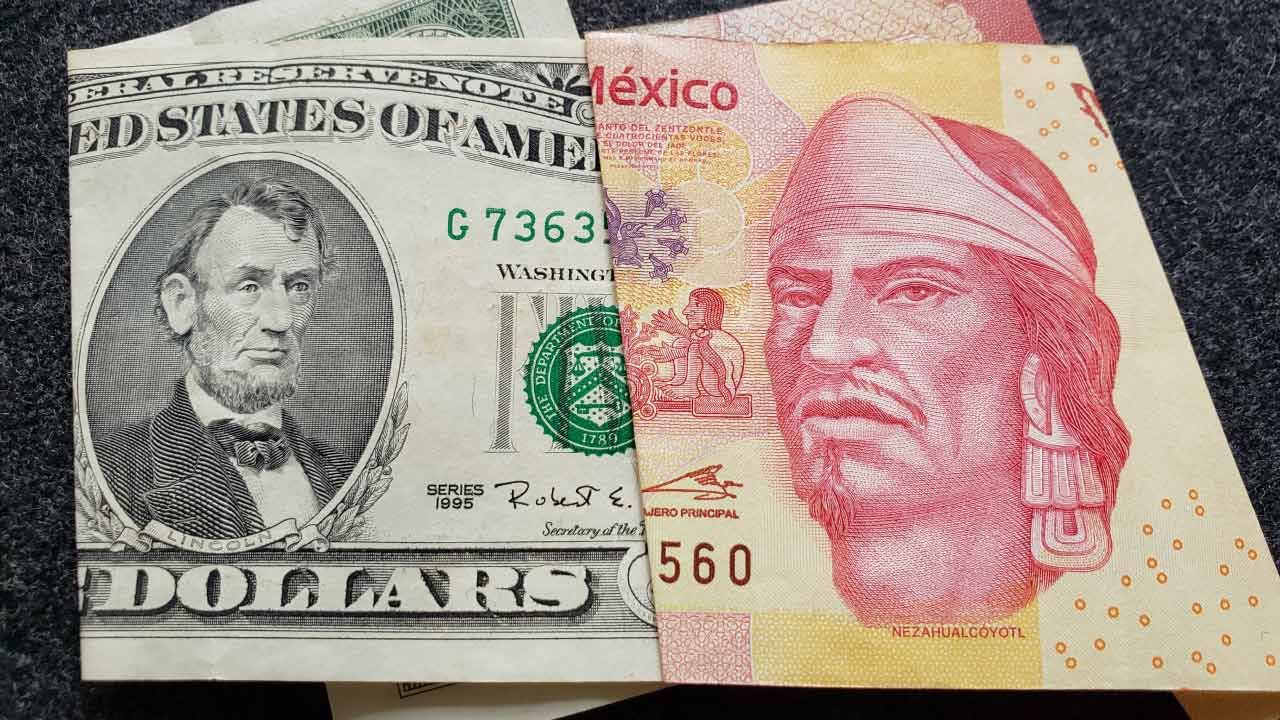
How the MXN to USD Exchange Rate is Determined
This market rate, known as the mid-market rate, is the midpoint between the buy and sell prices offered by major financial institutions. The rate you see on financial data providers or a simple Google search is typically this reference rate. However, the actual rate offered to consumers by banks or transfer services includes a margin, which is how these institutions make money on the conversion. The rate is highly dynamic and can change frequently throughout the trading day as currency values shift with global financial markets.
Several key economic factors cause the MXN/USD rate to move. Differences in interest rates set by the Bank of Mexico and the US Federal Reserve are a primary driver, as they influence investment flows into each country's debt and equity markets. The trade balance between Mexico and the United States also has a significant impact, as the flow of goods and services requires currency conversion. Broader economic data, such as inflation reports, employment figures, and GDP growth, can cause volatility as markets reassess the health of each economy. Political stability and global commodity prices, particularly oil, also influence the peso's value against the dollar. Market rates are influenced by several key factors, including central bank policies, economic indicators, and geopolitical events.
Historical Context and Notable Rate Movements
The history of the Mexican peso against the US dollar has been marked by periods of stability and significant devaluation. Since then, its value has been influenced by Mexico's economic integration with the United States through the North American Free Trade Agreement (NAFTA) and its successor, the USMCA. Conversely, periods of strong economic growth, stable politics, and high commodity prices have supported the peso's value. The rate's long-term trend reflects Mexico's journey as an emerging market economy closely tied to its northern neighbour.
Methods for Canadians to Convert Currency
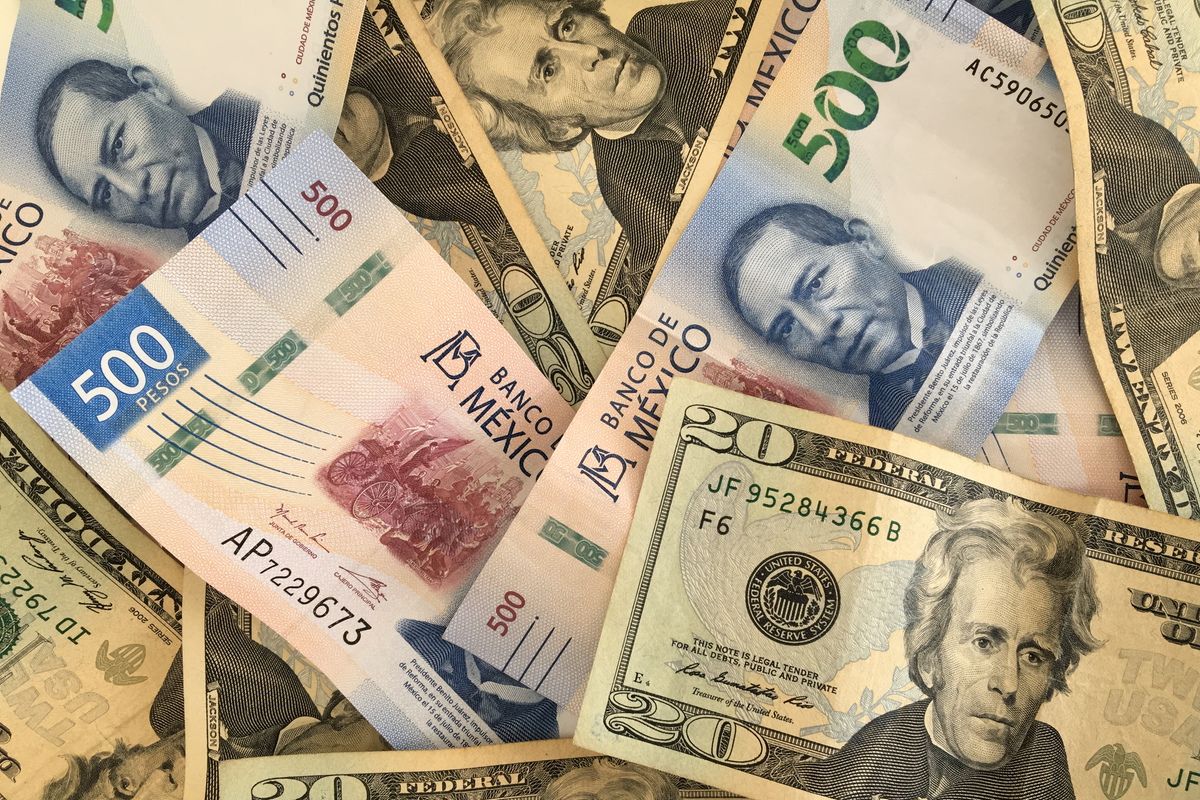
Canadians have multiple avenues to convert Mexican pesos to US dollars, each with distinct cost structures and conveniences. Traditional banks and credit unions offer currency exchange services, both for cash and wire transfers. Credit and debit cards automatically convert foreign transactions, but the rates used often include a markup of two to three percent above the mid-market rate. Specialized money transfer services and online foreign exchange platforms provide another option, frequently advertising better rates and lower fees than traditional banks. These services operate online, through mobile apps, or via in-person agent locations, offering flexibility for different transaction sizes and speeds. You can send money to Mexico the way that’s convenient for you: online, with an app, or in person at an agent location.
The total cost of conversion is typically composed of two parts: an exchange rate margin and a fixed transfer fee. The margin is the difference between the mid-market rate and the rate actually offered to you, which is rarely disclosed transparently. The fixed fee is a separate charge for processing the transaction. Some providers promote using the real mid-market rate but then charge a higher percentage-based fee. It is essential to review the total cost, which includes both the final amount of USD you will receive and any upfront fees, before confirming any transfer. Payment methods also affect cost. Using a credit card for a money transfer may incur cash advance fees and associated interest charges from the card issuer, whereas using a debit card or bank account may avoid these. Western Union fees, for example, can vary depending on the amount you send, your payment method, destination country, payout option, and the exchange rate at the time of transfer.
Fees and Rates: Comparing Provider Types
The cost of converting pesos to dollars varies significantly depending on the type of service provider you use. Online money transfer specialists and multi-currency account providers often promote more competitive rates closer to the mid-market rate, with lower transparent fees. For larger transfers, these platforms can result in substantial savings compared to traditional bank wire transfers. The comparison savings between a provider like Xe and leading banks for a single transfer can be significant, though savings are calculated based on specific examples.
| Provider Type | Typical Cost Components | Key Consideration |
|---|---|---|
| Major Banks | High exchange rate margin, wire transfer fee | Convenient for existing customers, often highest cost |
| Money Transfer Services (e.g., Western Union) | Variable margin + fixed fee, rate lock options | Can be cheaper for larger amounts, multiple payout options including cash pickup |
| FX/Multi-currency Platforms (e.g., Venn, Wise) | Near mid-market rate + low transparent fee | Best for businesses and large transfers, requires account setup. May offer multi-currency accounts |
It is crucial to get a full quote that shows the exchange rate being applied and all associated fees before completing a transaction. Many services now provide real-time estimates online or in their apps. The rate displayed on Google is a mid-market reference and is almost never the rate a consumer will actually receive. Comparing the final delivered amount in US dollars across two or three providers for the same peso amount is the most effective way to identify the best deal. Always compare multiple money transfer services before converting MXN to USD, as banks often charge higher spreads or hidden fees, while specialized FX platforms can offer better mid-market rates. Watch out for platforms that hide fees in the exchange rate and look for services that offer full transparency, showing the actual exchange rate and separate transfer fee upfront.
Security, Regulation, and Tracking Transfers
When sending money internationally from Canada, security and regulatory compliance are important. Reputable providers use encryption and fraud prevention systems to protect transactions. In Canada, money service businesses, including many currency transfer platforms, must be registered with the Financial Transactions and Reports Analysis Centre of Canada (FINTRAC). For instance, Venn Software Inc. is registered as a money service business with FINTRAC under registration number M22941967. This registration helps ensure they comply with anti-money laundering and anti-terrorist financing regulations. For added safety, consumers should only send money to people they know and trust, verify all receiver details carefully, and keep transaction reference numbers like a Money Transfer Control Number (MTCN) private.
Most services offer tracking capabilities so you can monitor your transfer in real time from initiation to payout. You can easily track your transfer online and with apps using the MTCN. Providers like Western Union have encryption and fraud prevention efforts to help protect your money transfers. Furthermore, funds held in certain multi-currency accounts may be eligible for deposit insurance. For example, Venn Account Balances are held at Bank of Montreal, a member of the Canada Deposit Insurance Corporation (CDIC), and are eligible for CDIC deposit insurance up to applicable limits. These layers of security and regulation provide a framework for safe international money transfers from Canada.
Practical Conversion Steps and Tips for Canadians
To convert Mexican pesos to US dollars effectively, follow a clear process to ensure you understand the costs and timing. First, determine the exact amount in pesos you wish to convert. Second, use online comparison tools or get live quotes from several different types of providers, including your bank, a credit card issuer if applicable, and at least one specialized transfer service. Third, carefully review the full quote from each, noting the exchange rate offered, any transfer fees, the estimated delivery time, and the final amount that will be delivered in US dollars. Finally, choose the option that provides the best net value and complete the transaction, ensuring you receive a confirmation and tracking information. You can convert CAD to MXN or other pairs by entering your amount into a provider’s currency converter and selecting the currencies.
- Determine the exact amount in Mexican pesos (MXN) to convert.
- Get live quotes from banks, card providers, and transfer services like Western Union, Wise, or Venn.
- Compare the final USD payout amount after all fees and margins. Review the exchange rate and transfer fee together.
- Check the estimated delivery time for the funds to arrive. Options include cash pickup, bank deposit, or mobile wallet.
- Review the provider's security measures, regulatory status (e.g., FINTRAC registration), and deposit insurance if applicable.
- Complete the transfer, save the confirmation details (like MTCN) for tracking, and monitor the transfer's progress.
For frequent conversions or business needs, consider opening a multi-currency account with a provider that offers local account details in multiple currencies. These accounts can streamline the process, allow you to hold balances in different currencies, and often provide better conversion rates when you choose to exchange. Setting up rate alerts can also be useful if you have flexibility on timing, allowing you to execute a transfer when the market rate moves in your favour. Some apps and platforms allow you to save favourite currencies to check how the exchange rate changes over time and set alerts for your target rate. Businesses can benefit from platforms that support over 180 countries and 36 currencies, offering same-day transfers, instant rate quotes, and real-time payment tracking for paying international suppliers or managing payroll.
Business and High-Value Transfer Considerations
For Canadian businesses or individuals making larger transfers from pesos to dollars, specialized foreign exchange platforms offer tailored solutions. These services focus on transparency, better rates, and integrated financial tools. They often provide business accounts that allow you to open free local accounts in currencies like CAD, USD, GBP, and EUR to send and receive payments easily via EFT, ACH, SEPA, UK Faster Payments, and Interac for free. Converting currencies with the lowest rates and sending local transfers for free can significantly reduce operational costs. These platforms are designed to help businesses move money globally with same-day transfers, instant rate quotes, and real-time payment tracking.
When managing FX risk for business, some platforms offer forward contracts or rate locks to secure an exchange rate for a future date, protecting against adverse market movements. Furthermore, integrating these services with accounting systems can consolidate a business's finance stack, saving both time and money. It's important to note that some advanced platforms are technology companies and not banks themselves, partnering with chartered banks to hold funds. For example, Venn is a technology company and not a bank, with account balances held at a member institution of CDIC. Businesses should verify the specific terms, conditions, and regulatory status of any platform they use, especially noting any provincial restrictions, as some services are currently not available to businesses in Quebec.
Frequently asked questions
What is the current Mexican peso to US dollar exchange rate?
The exchange rate between the Mexican peso and US dollar fluctuates constantly throughout the day on global foreign exchange markets. The rate displayed on financial websites is typically the mid-market rate, which is a benchmark. The actual rate you receive from a bank, credit card, or transfer service will include a margin and may differ. You should check a reliable currency converter or get a quote from your chosen provider for the live rate at the moment of your transaction. The mid-market rate is the midpoint between buy and sell prices in global currency markets.
How can I convert 1000 pesos to US dollars?
To convert 1000 Mexican pesos to US dollars, you can use a bank, a currency exchange kiosk, a credit card for a purchase or withdrawal, or an online money transfer service. The amount of US dollars you receive will depend on the exchange rate offered by that provider and any applicable fees. It is best to compare options to see which service gives you the highest final USD amount after all costs are deducted from your 1000 pesos. You can use a provider's currency converter tool to see an estimated conversion based on the available exchange rate before initiating a transfer.
Are banks or transfer services better for converting pesos to dollars?
Specialized money transfer services and online foreign exchange platforms often offer better exchange rates and lower fees compared to traditional banks for converting pesos to dollars. Banks frequently add a significant margin to the mid-market rate and charge wire transfer fees. For larger amounts, the savings from using a transfer service can be substantial. Always compare the final delivered amount in US dollars from a few different providers before deciding. Competitor rates are based on publicly available information and may not represent real-time pricing, so verify current rates directly with the provider.
What fees should I expect when converting currency?
When converting pesos to dollars, expect two main types of costs: an exchange rate margin and a transaction fee. The margin is the difference between the market rate and the rate you get, which is often not transparently stated. The transaction fee can be a flat wire fee, a percentage of the transfer amount, or both. Always ask for the total cost and the final amount you will receive in US dollars upfront. Western Union fees, for example, vary by amount sent, payment method, destination, and payout option.
Is it safe to send money internationally from Canada?
Yes, it is generally safe to send money internationally from Canada using registered and reputable providers. Legitimate money service businesses in Canada are registered with FINTRAC, which oversees anti-money laundering compliance. These providers use encryption and security protocols to protect your transaction and personal information. For your safety, only send money to people you know, keep your transaction reference number secure, and use the tracking tools provided to monitor your transfer. Providers also employ fraud prevention efforts to help protect your transfers.
Can I lock in an exchange rate for a future transfer?
Many money transfer services and some banks offer a rate lock or forward contract feature. This allows you to secure a specific exchange rate for a future transfer, typically for a period ranging from a few days to several months. This can be useful if you believe the rate may move against you and you want to guarantee the cost of your conversion. There may be a fee or specific terms for this service, so you should inquire with your provider about their options. Some platforms allow you to set a rate alert and receive a notification when your desired rate is reached.
Sources and further reading
- Mexican pesos to Canadian dollars Exchange Rate. ... wise.com
- 1 MXN to CAD, Mexican Pesos to Canadian Dollars ... xe.com
- CAD to MXN | Convert Canadian Dollar to Mexican Peso westernunion.com
- Convert Mexican Peso to US Dollar Today venn.ca
This article explains how things work and is not financial, tax or legal advice. Rules, limits and rates change, so check the current figures with the Canada Revenue Agency, your province or your financial institution before you act.