Converting South Korean won to US dollars is a common financial transaction for Canadians engaged in international travel, business, or investment. The exchange rate between the Korean won (KRW) and the US dollar (USD) fluctuates based on global market forces, impacting the cost of sending money or purchasing goods. Canadians have several options for conversion, including banks, credit cards, and specialized transfer services, each with different fee structures. Understanding how the rate is set and the costs involved can help manage currency exchange effectively.
Understanding the South Korean Won and US Dollar
The South Korean won is the official currency of South Korea, used in all domestic transactions. Its currency code is KRW and its symbol is ₩. The US dollar is the official currency of the United States and a major global reserve currency, with the code USD and symbol $. The most popular exchange rate involving the South Korean won is the KRW to USD pair. This reflects the significant economic and trade relationships between South Korea, the United States, and by extension, Canada. For Canadians, conversions often relate to travel, sending remittances, or conducting business with entities in either country. The value of one currency relative to the other is expressed as an exchange rate.
How the KRW to USD Exchange Rate is Determined
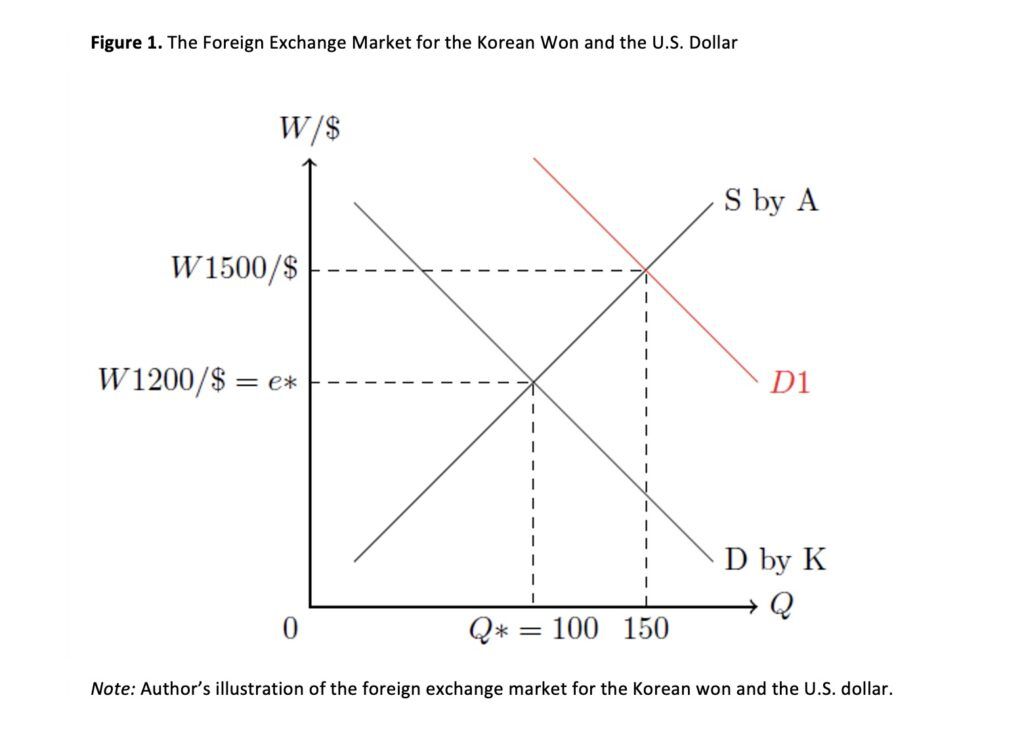
The exchange rate between the South Korean won and the US dollar is a floating rate determined by the foreign exchange market. This means the price is set by the continuous trading between banks, financial institutions, and other participants around the world. The primary benchmark used for informational purposes is the mid-market rate, which is the midpoint between the global buy and sell prices. This rate is purely theoretical for consumers. Financial service providers, such as banks and money transfer companies, apply their own margin or markup to this mid-market rate when offering rates to customers. The rate Canadians see or receive is therefore the mid-market rate plus or minus this provider fee, which is rarely disclosed upfront as a separate charge.
Several key economic factors cause the mid-market rate to move daily. Changes in interest rates set by the Bank of Korea and the US Federal Reserve can attract or repel investment flows, affecting currency demand. Trade balances between South Korea and its partners, including the US and Canada, influence currency supply. Broader market sentiment towards risk and global economic stability also plays a major role, often causing investors to flock to the US dollar as a safe-haven asset. Political events and economic data releases from both countries can lead to short-term volatility. For Canadians monitoring conversions, these factors explain why the rate they checked one day can be different the next.
Methods for Canadians to Convert Currency
Canadians have multiple avenues to convert South Korean won to US dollars, each with distinct cost structures and conveniences. Traditional banks offer currency exchange services at their branches or online. Credit and debit cards automatically convert foreign currency at the point of sale or for online purchases when denominated in won. Specialized international money transfer services operate primarily online and often provide more competitive rates. The choice of method typically involves a trade-off between convenience, speed, and total cost. It is crucial for consumers to look beyond the advertised exchange rate to understand the full cost, which includes any fixed fees, percentage-based margins, and receiving bank charges.
Different providers use various fee structures for currency conversion. Banks typically add a margin to the exchange rate, which acts as a fee. Online transfer services often use the mid-market rate and charge a single, transparent fee. It is essential to compare the total cost from each provider for your specific transaction amount.
| Provider Type | Typical Fee Components |
|---|---|
| Major Canadian Banks | Exchange rate markup (2-4%), possible fixed transaction fee. |
| Online Transfer Services (e.g., Wise) | Small percentage fee, transparent upfront pricing, uses mid-market rate. |
| Currency Exchange Kiosks | High exchange rate markup, often no fixed fee. |
Online transfer services frequently promote that they use the real mid-market rate and charge a single, transparent fee. Some services offer features like rate alerts, which notify users when a target exchange rate is reached. For larger transfers, such as those involving business payments or property purchases, specialized FX providers may offer forward contracts to lock in a rate for a future date. These providers also highlight benefits like money-back guarantees and secure transactions that can complete within minutes to hours.
Calculating Conversions and Common Amounts
To convert an amount from South Korean won to US dollars, you multiply the amount in KRW by the current USD/KRW exchange rate. It is important to use a reliable, live currency converter or the mid-market rate for accurate estimations. Many online tools and financial websites provide this functionality for free. Canadians should remember that the final amount received will be less than this calculation due to service provider fees. When planning a transfer or purchase, checking the specific rate and fees from your chosen provider gives the only accurate result.
- Conversion Formula: Amount in USD = Amount in KRW × (USD/KRW exchange rate).
- Common search example: 1 billion won.
- Tools: Use live currency converters or provider calculators.
- Key Consideration: The quoted rate includes provider margins.
Currency converters allow you to select your preferred currency pair, enter your amount, and view the live mid-market rate instantly. These tools often include charts showing historical data for up to five years, which can help identify trends. Some converters are available as downloadable apps that are free and without ads, providing convenient access to real-time rates. The performance of the KRW to CAD rate, as a related example, has shown volatility with 30-day highs and lows, and similar patterns would be observed in the KRW to USD pair.
Managing Exchange Rate Risk and Timing
Exchange rates between the won and dollar are constantly moving, which introduces risk for anyone needing to convert a specific amount. Canadians can employ several strategies to manage this. One basic method is to monitor rates over time using charts or alerts to identify favourable trends. Some money transfer services allow users to set up rate alerts, sending a notification when the market rate hits a specified target. For larger, planned transactions, a forward contract through a bank or FX specialist locks in an exchange rate for a future date, protecting against adverse moves. This is common for business invoices or property settlements. Simply converting money when you need it is the standard approach for smaller amounts like travel cash, accepting the prevailing rate on that day.
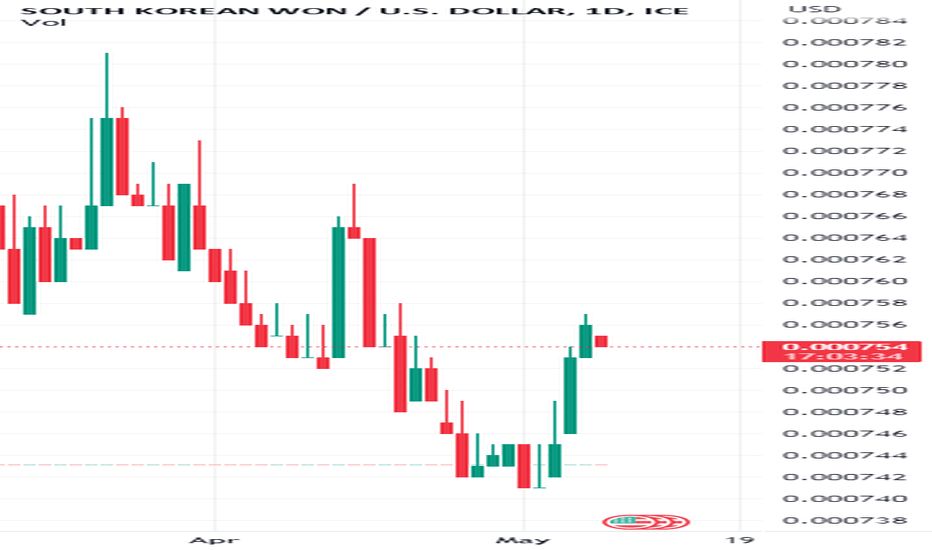
Looking at past exchange rates can guide decision-making and help choose the ideal timing for transfers. Over a 90-day period, exchange rates can move between a high and low point with a certain average and percentage change in value. Setting an alert ensures you never miss the perfect time to send money according to your personal target. Some online platforms offer interactive charts that track real-time mid-market rates and allow you to view historical data, which is a valuable tool for this analysis. These services often operate 24/7 and provide customer support to assist with any needs related to the transfer process.
Specifics of Online Transfer Services
Online international money transfer services have become a popular choice for Canadians due to their advertised cost savings and transparency. These services, such as Wise and OFX, state they use the real mid-market exchange rate with no hidden markups. They present all pricing upfront before a transfer is initiated, including a single fee that is often a small percentage of the transfer amount. Some services promote free transfers on amounts over a certain threshold, like 500 KRW, though this varies by provider. They also highlight security features like a money-back guarantee and fast transaction completion times, often within minutes to hours. The ability to send money to over 190 countries in 130 currencies is a key feature for users with diverse international needs.
These platforms often provide a live currency converter on their websites where you can enter the amount you wish to send and instantly see what the recipient will get in the target currency. The process typically involves choosing a payment method like a bank transfer, Interac e-Transfer, or debit card. After entering the transfer details, you see the exact recipient amount with all charges displayed, eliminating surprises. Comparison savings claims are sometimes made, suggesting these services offer bank-beating rates, though such savings depend on the specific transfer amount, currencies, and timing. These providers also cater to business needs, offering solutions for cross-border payments and foreign exchange risk management.
Using Credit Cards and Bank Services
Using a Canadian credit or debit card for purchases or withdrawals in South Korean won is a form of automatic currency conversion. The card network converts the KRW amount to CAD or USD at its own dynamic exchange rate, which includes a margin. This makes the total cost higher than the mid-market rate. For cash withdrawals from ATMs abroad, additional fees from both the card issuer and the ATM operator may apply. This method is highly convenient for travellers but is generally one of the more expensive ways to access foreign currency for everyday spending.
Canadian banks provide currency exchange services for cash and wire transfers. When ordering foreign currency from your bank, they sell it to you at a rate that includes a significant markup over the mid-market rate. This markup can range from 2 to 4 percent or more. For wire transfers sent in a foreign currency, banks also apply an exchange rate margin in addition to a fixed wire transfer fee. The recipient's bank abroad may also deduct a receiving fee. While banks offer security and familiarity, their total costs for conversion are often less competitive than specialized online services, especially for larger amounts. Some banks have online platforms where you can lock in a rate for a future transfer, similar to a forward contract.
Banks and other providers often compare their rates to the mid-market rate in marketing materials, claiming potential savings on transfers. These comparisons are based on specific examples, such as a single transfer of a set amount on a given date, and may not reflect all possible fees or individual circumstances. The actual savings a Canadian achieves will depend on the amount being converted, the specific currencies involved, and the timing of the transaction. It is therefore important to use these comparisons only as a general guide and to obtain a personalized quote from any service before proceeding with a currency conversion.
Frequently asked questions
What should I know before making a large conversion, like 1 billion won?
For large conversions, small differences in the exchange rate have a significant monetary impact. It is crucial to compare rates and fees from multiple providers, including banks and specialized FX firms. Consider services that offer forward contracts to lock in a rate if the transfer is not immediate. Always ensure the provider is reputable and you understand the total cost before committing.
What is the most popular South Korean won exchange rate?
The most popular South Korean won exchange rate is the KRW to USD rate. This information comes from currency rankings which identify the most frequently sought conversion for the South Korean Won. The currency code for the South Korean Won is KRW, and its symbol is ₩. This popularity influences the availability and features of conversion tools and services for this specific currency pair.
How do I convert South Korean won to US dollars?
To convert South Korean won to US dollars, you can use a currency converter to find the current exchange rate. For an actual transaction, you would use a service like a bank or an online transfer provider. These services will apply their own specific exchange rate and fees to complete the conversion. The process typically involves entering the amount of KRW you wish to convert and viewing the estimated amount in USD you will receive. It is important to check the total cost upfront, as rates and fees can vary significantly between different providers.
What's the difference between the mid-market rate and the rate I get?
The mid-market rate is the benchmark rate from global currency markets. The rate you receive from a provider is the mid-market rate plus a margin or markup. This difference is how providers make money on the transaction. The mid-market rate is the midpoint between the buy and sell prices in the global currency markets. When you use a bank or transfer service, you will not receive this pure mid-market rate. Instead, the provider adds a margin to create the final rate offered to you, which includes their profit.
Are online money transfer services cheaper than banks for converting KRW to USD?
Online transfer services often have lower costs by using the mid-market rate and a transparent fee. Banks typically add a larger margin into the exchange rate. For personal transfers, online services can provide better value, but you should compare the total cost for your specific amount. Comparisons indicate that these services can offer bank-beating rates with no hidden fees. However, the actual savings depend on the transfer amount, the specific currencies involved, and the timing of the transaction.
Can I set an alert for a specific KRW to USD exchange rate?
Yes, many online currency converters and money transfer platforms offer a rate alert feature. You can set a target KRW to USD rate, and the service will notify you when the live market rate reaches that level. This allows you to monitor exchange rate movements without constant manual checking. The alert can be set up on a dedicated rate alerts page or within a provider's mobile application. This tool helps users make informed decisions about the optimal time to conduct their currency conversion or international money transfer.
Sources and further reading
- South Korean wons to Canadian dollars Exchange Rate. ... wise.com
- 1 KRW to CAD, South Korean Won to Canadian Dollars ... xe.com
- South Korean Won (KRW) to Canadian Dollar (CAD) remitbee.com
- Convert South Korean Won to Canadian Dollars currency.me.uk
This article explains how things work and is not financial, tax or legal advice. Rules, limits and rates change, so check the current figures with the Canada Revenue Agency, your province or your financial institution before you act.