Converting Japanese yen to US dollars is a common financial transaction for Canadians travelling abroad or managing international finances. The exchange rate between these two major global currencies is determined by the foreign exchange market and influenced by economic policies and market sentiment. Canadians converting yen to dollars must consider the fees and exchange rate margins applied by banks, credit cards, and money transfer services. Understanding the process and costs helps ensure you get the most value when exchanging these currencies.
Understanding the Japanese Yen and US Dollar
The Japanese yen, denoted by the symbol ¥ and code JPY, is the official currency of Japan and one of the most traded currencies in the world. Its value is heavily influenced by the monetary policy of the Bank of Japan, including long-term periods of low interest rates. The US dollar, with the code USD, is the world's primary reserve currency and the most common medium for international trade and finance. The exchange rate between the yen and the dollar reflects the relative economic strength and monetary policies of Japan and the United States. For Canadians, movements in the JPY/USD rate can impact the cost of goods imported from either country and the value of international investments. The Canadian dollar's own relationship with both currencies means a shift in the JPY/USD cross-rate can indirectly affect the CAD/JPY and CAD/USD rates Canadians see.
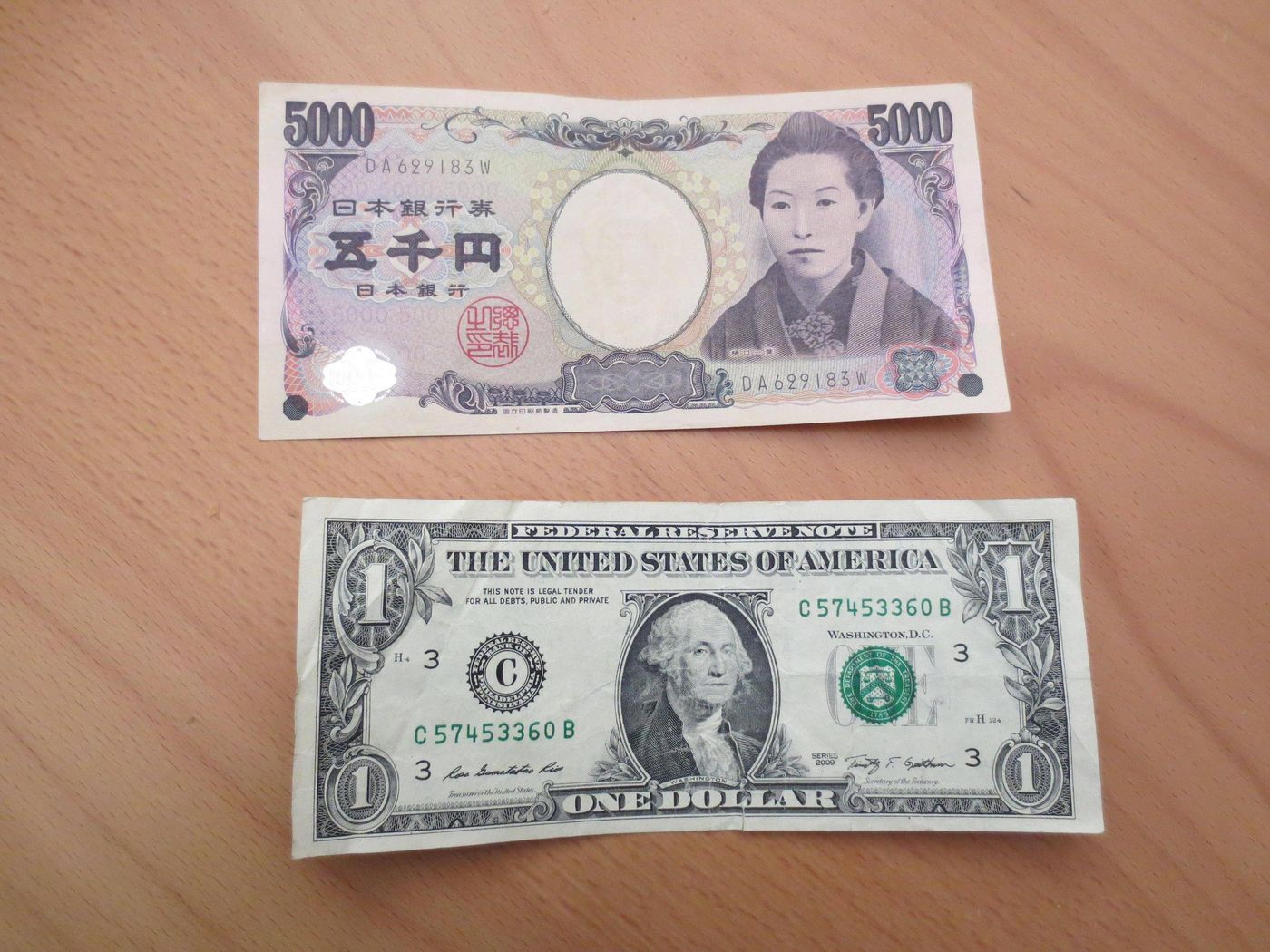
How the JPY to USD Exchange Rate is Set
The exchange rate between the Japanese yen and the US dollar is not fixed by governments but is determined by the global foreign exchange market. The rate constantly fluctuates based on the supply and demand for each currency. The mid-market rate is the midpoint between the global buy and sell prices and serves as a benchmark. However, when individuals or businesses convert currency, they do not receive this pure mid-market rate. Financial institutions apply their own margin, creating a spread between the rate they buy and sell at, which is how they generate revenue from currency conversion. Online converters and financial portals use this mid-market rate for informational purposes, but it is not the rate available for consumer transactions without additional fees.
Factors That Move the Yen-Dollar Rate
Several key economic and market factors cause the JPY/USD exchange rate to move. Interest rate differentials between the Bank of Japan and the US Federal Reserve are a primary driver, as higher US rates can attract investment into dollar-denominated assets, strengthening the USD against the JPY. Economic data releases, such as GDP growth, employment figures, and inflation reports from either country, can cause immediate market reactions. Geopolitical events and overall market risk sentiment also play a major role, with the yen often seen as a safe-haven currency during times of global uncertainty. Trade balances and the flow of capital between the two nations further influence the long-term trajectory of the exchange rate. The performance of the rate over specific periods shows this volatility, with the 90-day range for the related CAD/JPY pair, for example, showing a high of 116.35 and a low of 110.63, driven by these underlying global factors.
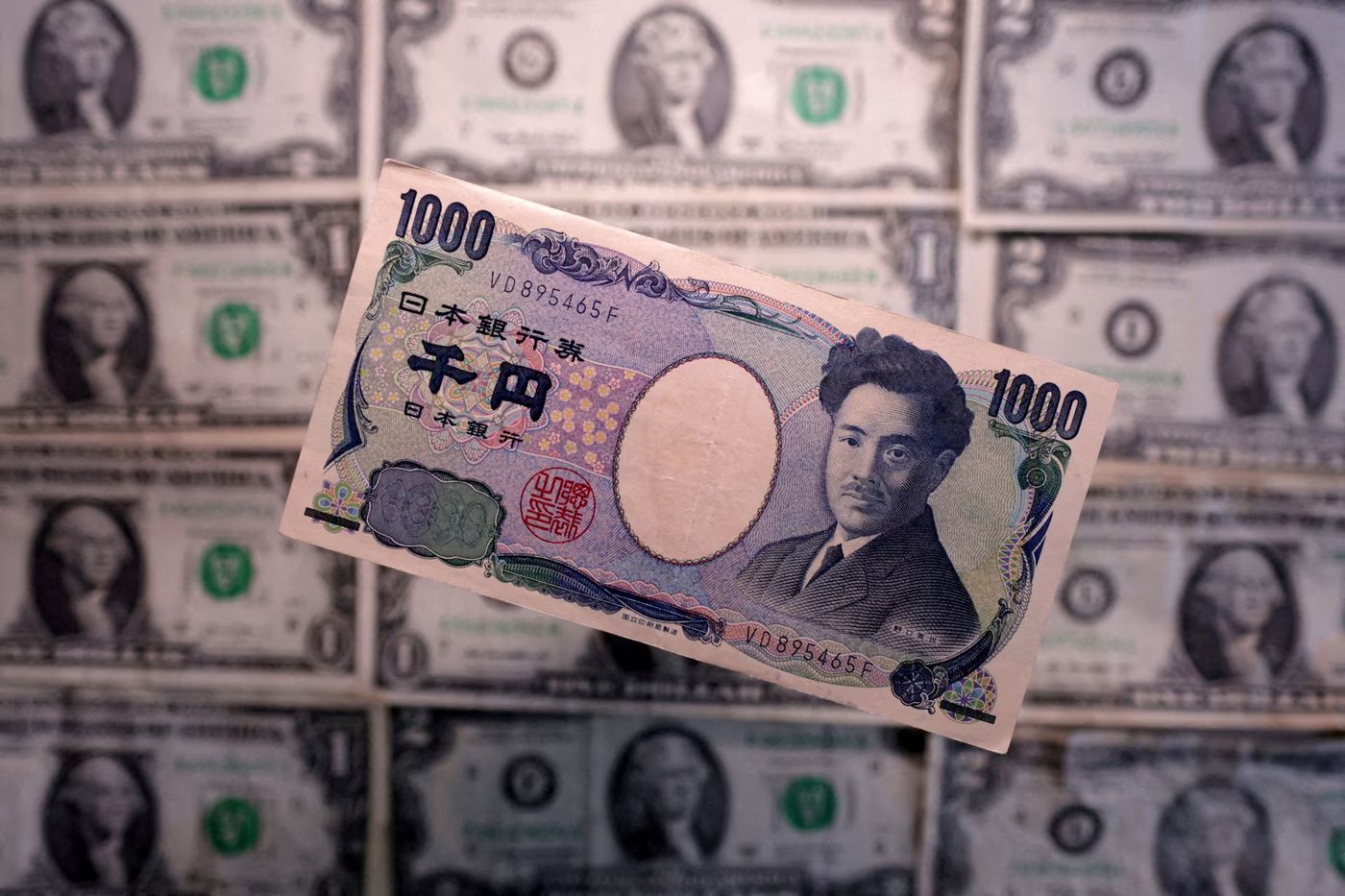
Historical Context and Notable Rate Movements
The history of the JPY/USD exchange rate is marked by significant periods of strength and weakness for the yen. More recently, divergent monetary policies have been a dominant theme. These historical shifts underscore the currency pair's sensitivity to global economic forces. The 52-week range for USD/JPY in 2026, for instance, spanned from 150.4920 to 163.9790, illustrating the substantial movement possible within a single year.
How Canadians Convert Yen to US Dollars
Canadians looking to convert Japanese yen to US dollars have several options, each with different cost structures and conveniences. Major Canadian banks offer currency exchange services at their branches and online platforms, applying an exchange rate margin on top of the market rate. Specialized online money transfer services and multi-currency accounts often advertise using the real mid-market rate but may charge a separate transparent fee for the transfer. The total cost is a combination of the applied exchange rate and any fixed transaction fees. Services like Western Union allow conversions for cash pickup at agent locations or bank deposit, with the process available online, via app, or in person. The final amount received in USD is shown upfront in a live quote before the transfer is confirmed.

Fees and Charges from Canadian Providers
Understanding the full cost of conversion requires looking beyond the advertised exchange rate. Canadian banks build a profit margin directly into the rate they offer customers, which can be several percentage points worse than the mid-market rate. Online transfer services may have lower margins but often charge a fixed fee per transfer, which can be more cost-effective for larger amounts. It is crucial for consumers to review the total cost, including all fees and the final exchange rate applied, before confirming any currency conversion transaction. For example, a provider's fee might be structured as an exchange rate margin plus a transaction fee, and using a credit card could also incur a card-issuer cash advance fee and interest charges if not paid promptly. Common conversion amounts illustrate the final output after fees are applied. Converting 1,000 yen would typically result in about 6.32 US dollars before fees, and converting 500 yen would be about 3.16 dollars. These amounts are useful for travellers budgeting for expenses or receiving funds from Japan, but they are mid-market estimates that do not include the costs added by financial service providers.
A Detailed Comparison of Conversion Services
The cost-effectiveness of converting yen to dollars varies significantly between provider types. A comparison based on a single large transfer example from 2026 showed that online specialist providers could offer savings compared to traditional bank rates. However, the best option depends on the transfer amount, speed required, and payment method. Providers make money from currency exchange by applying a margin to the rate, and some also charge fixed fees.
| Provider Type | Typical Cost Components | Best For | Additional Notes |
|---|---|---|---|
| Major Canadian Banks | High exchange rate margin, possible flat fee | Immediate cash needs, convenience | Rates are less competitive. Fees are often bundled into the exchange rate. |
| Online Transfer Services | Lower margin + transparent transfer fee | Sending larger amounts, planned transfers | Services like Wise and OFX use the mid-market rate but add a service fee. |
| Multi-Currency Accounts | Mid-market rate for conversion, monthly account fees | Frequent conversions and holding multiple currencies | Allow you to hold and convert between currencies like JPY, USD, and CAD within one account. |
| Money Transfer Agents (e.g., Western Union) | Exchange rate margin + transfer fee, varies by payout method | Sending money for cash pickup internationally | Fees depend on amount, payment method, destination, and payout option. Online quotes show the total cost. |
It is advisable to get a live quote showing the exact exchange rate, all fees, and the final amount before proceeding with any service. The exchange rate you see on a provider's platform is an estimate that can change with the market. The final rate is locked in at the moment of transaction completion. You can get real-time exchange rates and all fees shown upfront before you start your transfer. This allows you to understand the total cost before sending money.
Security and Tracking for International Transfers
When converting and sending money internationally, security and the ability to track the transaction are important considerations. Reputable money transfer providers use encryption and fraud prevention measures to help protect transactions. After sending a transfer, you typically receive a Money Transfer Control Number (MTCN) which can be used to track the status of the payment online or through a mobile app. It is recommended to only send money to people you know and trust, and to verify receiver details carefully before confirming. Keeping your MTCN private and being aware of common scam warnings adds a layer of safety to the process. These security practices apply whether you convert and send money online, through an app, or at an in-person agent location for cash pickup. Western Union and other major services highlight these security features as part of their service offering.
Practical Tips for Currency Conversion
When planning to convert Japanese yen to US dollars, a few practical steps can help secure a better rate and avoid unnecessary costs. First, monitor the mid-market rate using a reliable currency converter or financial news source to understand the fair value. Consider setting up a rate alert through a financial app to be notified when the market rate reaches a desired level. For larger transfers, compare total costs from multiple providers, as a slightly better exchange rate can outweigh a fixed fee. Be aware that rates fluctuate throughout the day, so the quote you receive is typically only valid for a short time. Finally, always review the full breakdown of costs, including any receiving bank fees on the US end, before finalizing the transaction. Checking the provider's exchange rate against the live mid-market rate at the time of your quote will give you a clear picture of the margin being charged. You can convert CAD to JPY by entering your amount into a provider's currency converter and selecting the currencies to see an estimated conversion based on the available exchange rate.
Frequently asked questions
What is the current Japanese yen to US dollar exchange rate?
The live mid-market exchange rate for JPY to USD is displayed at the top of this page and updates continuously. This rate is the benchmark used in global currency markets, but the rate you receive from a bank or transfer service will include a margin. It is influenced by factors like interest rates and economic data from Japan and the United States. The 52-week range for this pair can be very wide, as seen in a recent span from 150.4920 to 163.9790.
How much is 1,000 yen in US dollars?
At the prevailing mid-market rate, 1,000 yen converts to roughly 6.32 US dollars. This is a useful reference for small purchases or tipping. Remember that if you use a credit card for a 1,000 yen purchase, the card issuer will convert it at their rate and likely add a foreign transaction fee, increasing the final cost in Canadian dollars. Similar conversions show 500 yen is about 3.16 US dollars.
What's the best way to convert yen to USD in Canada?
The best method depends on the amount and urgency. For large transfers, online money transfer services often offer better rates than banks. For spending while travelling, a credit card with no foreign transaction fee is ideal, but such cards are rare. For immediate cash, a bank or currency exchange kiosk is convenient but usually has the highest margins. Always compare the total cost, which includes the exchange rate margin and any fixed fees from the provider.
Do Canadian banks charge fees to convert yen to USD?
Yes, Canadian banks charge for currency conversion primarily by offering an exchange rate that is less favourable than the mid-market rate. This built-in margin can be significant. They may also charge a flat transaction fee for the service. The total cost is the difference between the market rate and the rate you actually receive. A 2026 comparison example indicated that banks' rates could be beaten by specialized online transfer services for a single large transfer.
Why is the rate I get different from the one on Google?
Google typically displays the mid-market rate, which is a pure benchmark from the forex market. Banks and money transfer services apply a margin to this rate to make a profit, so the rate they offer customers is always worse. The difference covers their costs, risk, and profit, and is a standard practice in the financial industry. Western Union and other providers note that their rate may differ due to the margin, and it can also vary based on transfer amount, payment method, and payout option.
How much is 10,000 yen in US dollars?
It is important to understand that this is the mid market rate, which is the midpoint between global buy and sell prices used for informational purposes. The actual amount received from a bank or money transfer service will be lower due to applied fees and exchange rate margins. For example, services like Western Union or banks use a different rate that includes their costs. Therefore, you should always check the final quoted amount, including all fees, before completing any currency conversion transaction.
Sources and further reading
- Japanese yen to Canadian dollars Exchange Rate. ... wise.com
- 1 CAD to JPY, Convert Canadian Dollars to Japanese Yen xe.com
- CAD to JPY | Convert Canadian Dollar to Japanese Yen westernunion.com
This article explains how things work and is not financial, tax or legal advice. Rules, limits and rates change, so check the current figures with the Canada Revenue Agency, your province or your financial institution before you act.