Converting Japanese yen (JPY) to Philippine pesos (PHP) is a common financial transaction for Canadians involved in travel, remittances, or business between Japan and the Philippines. The exchange rate between these two Asian currencies is determined by global foreign exchange markets and is influenced by economic policies and trade flows. Canadians looking to convert funds can use various services, including banks, credit cards, and specialized money transfer providers, each with different fees and exchange rate margins. Understanding how the rate is set, its historical context, and the costs involved can help individuals make more informed decisions when moving money.
Understanding the Japanese Yen and Philippine Peso
The Japanese yen is the official currency of Japan and is one of the most traded currencies in the world. Its currency code is JPY and its symbol is ¥. The Philippine peso is the official currency of the Philippines, with the code PHP and the symbol ₱. Both currencies are fiat money, meaning their value is not backed by a physical commodity but by the trust in their respective governments and central banks. The yen is known for its low interest rate environment, a policy long maintained by the Bank of Japan. The peso, meanwhile, is influenced by the Philippines' economic growth, remittance inflows from its overseas workforce, and domestic inflation rates. The direct exchange rate between these two currencies shows how many Philippine pesos one Japanese yen can buy.

How the JPY to PHP Exchange Rate is Determined
The exchange rate between the Japanese yen and the Philippine peso is a floating rate, meaning its value is set by the foreign exchange market based on supply and demand. The primary rate quoted in financial markets is the mid-market rate, which is the midpoint between the buy and sell prices of global currency traders. This rate is the most accurate reflection of the currency's value at any given moment. However, the rate individuals receive from banks or money transfer services includes a margin or service fee added to this mid-market rate. The rate fluctuates constantly throughout the trading day as new economic data, geopolitical events, and market sentiment influence trader decisions. Major financial centres in Tokyo, Manila, London, and New York all contribute to the price discovery for this currency pair.
Factors Influencing the Yen and Peso Exchange Rate
Several key economic factors cause the JPY to PHP rate to move. Monetary policy from the Bank of Japan is a primary driver, as decisions on interest rates and quantitative easing directly affect the yen's international value. Economic performance indicators from both countries, such as GDP growth, unemployment rates, and trade balance figures, also shift investor sentiment. For the Philippine peso, the volume of remittances sent home by overseas Filipino workers provides consistent support for the currency. Inflation differentials between Japan and the Philippines can alter the real value of each currency. Furthermore, global risk appetite influences the yen, as it is often considered a safe-haven asset during times of market turmoil, which can cause it to strengthen against emerging market currencies like the peso.
Historical Performance and Notable Rate Movements
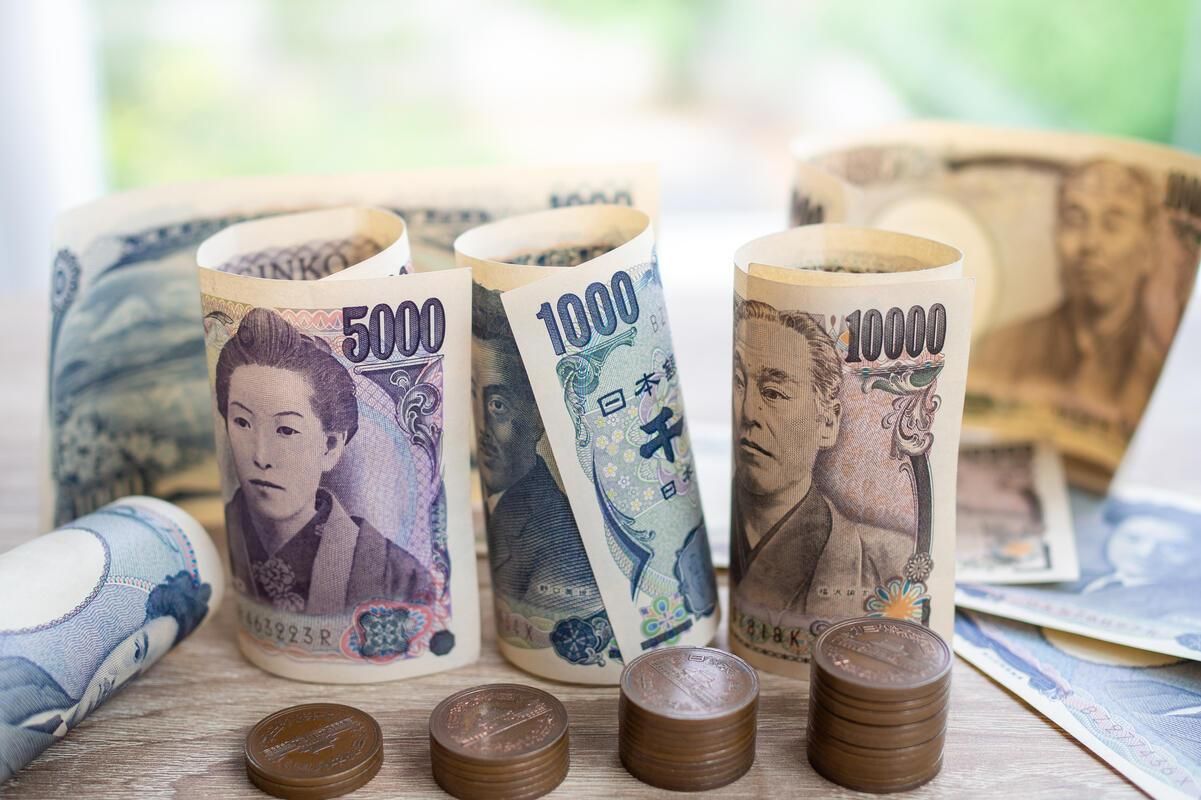
The JPY to PHP exchange rate has experienced volatility over time, reflecting the changing economic fortunes of Japan and the Philippines. Recent short-term data shows notable fluctuations, such as over a 90-day period where the rate moved between a low of 0.3754 and a high of 0.4082 PHP for one yen. The 30-day performance saw a range between 0.3945 and 0.4009 PHP per yen, and the average rate over the last 90 days was 0.3927 with a volatility measure of 0.46 percent. These movements illustrate the dynamic nature of the currency pair and provide useful data for individuals tracking the rate for potential conversion or to inform their transfer timing decisions.
How Canadians Convert JPY to PHP
Canadians have several avenues to convert Japanese yen to Philippine pesos. Traditional banks offer currency exchange services, both for cash and wire transfers, but typically apply a significant markup to the mid-market rate and charge transfer fees. Using a credit or debit card for purchases or ATM withdrawals in the Philippines is another common method, though card issuers often add foreign transaction fees and use their own exchange rates. Specialized international money transfer services like Wise, Western Union, and Xe provide alternatives that can offer more competitive rates and transparent fee structures. These providers allow conversions online or via mobile apps, with options for direct bank deposits or cash pickup in the Philippines. The process generally involves entering the amount, selecting the currencies, reviewing the offered rate and all fees, and then initiating the transfer.
Comparing Transfer Services and Exchange Tools
When choosing a service to convert yen to pesos, Canadians should compare the final delivery amount after all costs. Online currency converters and comparison tools are valuable for this purpose, as many providers offer real-time converters on their websites where users can enter an amount in JPY and see an estimate of the PHP they will receive. These tools use live mid-market rates for display but always note that the final customer rate will differ, and key features to look for include the absence of hidden fees, secure transfer protocols, and customer support availability. Some services offer additional benefits like rate alerts, which notify users when the JPY to PHP rate reaches a desired level, and historical rate charts to inform timing decisions.
Money transfer providers differentiate themselves with various fee structures. These fees can vary depending on the amount sent, the payment method, and the destination country. Transfer limits are another factor that can differ between providers. The exchange rate applied by the provider also contributes to the total cost of the transfer.
- Wise offers transfers using the mid-market rate with a transparent percentage fee.
- Western Union fees vary by transfer amount, payment method, and payout option.
- Xe provides bank-beating rates and shows all fees upfront.
- Banks typically have higher exchange rate margins but are convenient for existing customers.
- Credit cards are useful for spending but incur cash advance fees for withdrawals.
- Debit cards may have lower foreign transaction fees than credit cards.
- Specialized services often provide faster transfer times than traditional bank wires.
- All providers are subject to the fluctuating live exchange rate at the time of transaction.
The choice of a money transfer service ultimately depends on the individual's priority. Some individuals may prioritize the lowest cost, which includes fees and the exchange rate. Others may prioritize the speed of the transfer or the convenience of the service. A combination of these factors often guides the final decision.
Security and Best Practices for Currency Conversion
Security is a paramount concern when converting and transferring money internationally. Reputable providers employ encryption and fraud prevention technologies to protect transactions, and users should only send money to people they know and trust. It is essential to double-check all recipient details, such as bank account numbers or full names for cash pickup, and to keep transaction reference numbers like a Money Transfer Control Number private for legitimate tracking through the provider's official website or app. Being aware of common scams where fraudsters request money transfers under false pretences is also important, and before confirming any transfer, reviewing the exchange rate, all fees, the total amount to be delivered, and the estimated delivery time provides a final check to ensure the transaction meets expectations and safeguards your funds.
Frequently asked questions
What is the current JPY to PHP exchange rate?
The live mid-market exchange rate between the Japanese yen and the Philippine peso fluctuates constantly throughout the trading day. Financial websites and currency converters display this real-time rate, which serves as a benchmark. It is important to remember that the rate you actually receive from a bank or money transfer service will include a margin above this mid-market rate. Therefore, always check the specific rate offered by your chosen provider at the moment you are ready to make a transaction.
How can I send money from Japan to the Philippines from Canada?
From Canada, you can send money from Japanese yen to Philippine pesos using international money transfer services like Wise, Western Union, or Xe. These services allow you to initiate a transfer online or via a mobile app, specifying the amount in JPY and choosing a payout method in PHP, such as bank deposit or cash pickup. You will need the recipient's details in the Philippines. Before sending, the service will show you the applicable exchange rate, any transfer fees, and the total amount in pesos that will be delivered, allowing you to confirm the full cost.
Which is cheaper for converting currency: banks or transfer services?
Specialized international money transfer services are generally cheaper for converting and sending yen to pesos than traditional Canadian banks. Banks typically add a significant exchange rate markup of several percentage points and often charge fixed wire transfer fees. Services like Wise use the real mid-market exchange rate and charge a lower, transparent fee. Western Union and Xe also aim to offer competitive rates and clear upfront pricing. The exact savings depend on the transfer amount, but comparing the final delivery amount from different providers will show the most cost-effective option.
Are there fees for using a credit card to get pesos in the Philippines?
Yes, using a Canadian credit card to withdraw cash or make purchases in the Philippines typically incurs several fees. For cash advances from an ATM, a cash advance fee and immediate interest charges will also apply. Furthermore, the credit card network uses its own exchange rate, which includes a margin. To avoid these fees, using a debit card with lower foreign transaction fees or obtaining pesos through a money transfer service beforehand can be more economical.
What causes the JPY to PHP rate to change?
The exchange rate changes due to supply and demand dynamics in the global foreign exchange market. Key factors include the monetary policies of the Bank of Japan and the Bangko Sentral ng Pilipinas, such as interest rate decisions. Economic data releases from both countries, like inflation reports and employment figures, influence investor sentiment. The flow of remittances into the Philippines provides support for the peso. Additionally, broader market trends, such as shifts in global risk appetite where the yen acts as a safe haven, cause the rate to fluctuate throughout each trading day.
Can I set an alert for a specific JPY to PHP exchange rate?
Yes, many currency converter websites and money transfer apps allow you to set up a free rate alert for the JPY to PHP pair. You can specify your target exchange rate, and the service will send you a notification via email or mobile app when the live mid-market rate reaches that level. This feature helps you monitor the market without constant checking and can inform your timing for a currency conversion or international money transfer. It is a useful tool for individuals who are not in a hurry to send money and wish to wait for a more favourable rate.
Sources and further reading
- CAD to PHP | Convert Canadian Dollar to Philippine Peso westernunion.com
- Canadian dollars to Philippine pesos today wise.com
- 1 JPY to PHP, Convert Japanese Yen to Philippine Pesos xe.com
- CAD to PHP, Convert Canadian Dollar to Philippine Peso remitbee.com
This article explains how things work and is not financial, tax or legal advice. Rules, limits and rates change, so check the current figures with the Canada Revenue Agency, your province or your financial institution before you act.