The Japanese yen (JPY) and the Indian rupee (INR) are two major Asian currencies whose exchange rate is important for international trade, travel, and remittances. For Canadians, understanding this currency pair is relevant for business dealings, sending money to family in India, or planning travel between the two nations. The exchange rate between the yen and rupee fluctuates based on economic policies, trade flows, and global market sentiment. Converting between these currencies involves understanding the fees and exchange rates offered by banks, credit cards, and specialized money transfer services.
Understanding the Japanese Yen and Indian Rupee
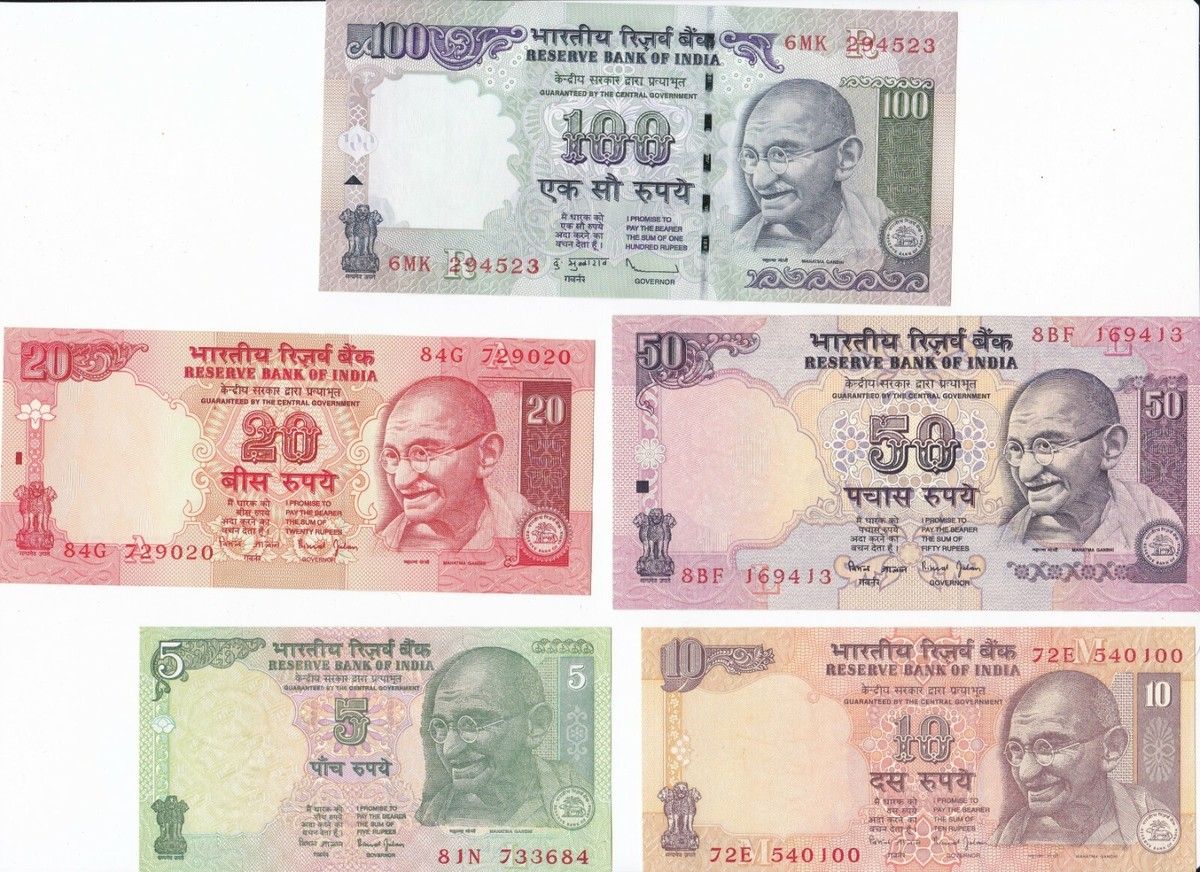
The Japanese yen, issued by the Bank of Japan, is the official currency of Japan and one of the most traded currencies in the world. Its status as a traditional safe-haven asset means its value often rises during periods of global economic uncertainty. The Indian rupee, managed by the Reserve Bank of India, is the currency of the world's fifth-largest economy and is subject to different economic pressures, including domestic inflation and foreign investment flows. The direct exchange rate between the yen and rupee reflects the relative economic strength and monetary policies of Japan and India. For Canadians looking at this pair, it is often viewed through the lens of the Canadian dollar, as conversions may involve CAD as an intermediate step depending on the service used. The Canadian dollar to Indian rupee mid-market rate has shown volatility, moving between 66.7147 and 69.5127 over a recent 90-day period, which can indirectly influence the JPY/INR cross rate through triangular arbitrage.
How the JPY to INR Exchange Rate is Determined
The exchange rate between the Japanese yen and the Indian rupee is primarily set by the global foreign exchange market, where currencies are traded 24 hours a day. The most commonly referenced rate is the mid-market rate, which is the midpoint between the global buy and sell prices. This rate is determined by the continuous flow of supply and demand from international banks, corporations, investors, and governments. Major financial news services and online platforms publish live mid-market rates for informational purposes. However, the rate an individual Canadian receives when converting money will almost always differ from this pure market rate, as financial institutions add a margin or fee for the service. The performance of the Japanese yen against the Canadian dollar in a recent 30-day period saw a high of 0.0090 and a low of 0.0089, illustrating the kind of intra-market volatility that also affects the yen's value against the rupee.
Several key economic factors cause the JPY/INR rate to move. Interest rate decisions by the Bank of Japan and the Reserve Bank of India are primary drivers, as they influence investment flows into each currency. Japan's long-standing low-interest-rate environment has historically pressured the yen lower, while India's growth and inflation dynamics impact rupee valuation. Trade balances between the two countries, broader global risk sentiment, and geopolitical events also cause fluctuations. For instance, when investors seek safety, capital may flow into the yen, potentially strengthening it against the rupee. Exchange rates are highly dynamic and can change frequently throughout the day as currency values shift with global financial markets, influenced by factors including central bank policies, economic data releases, and political stability.
Historical Context and Notable Rate Movements
The historical relationship between the yen and the rupee has evolved with the changing economic landscapes of both nations. For many years, the yen was considered a significantly stronger currency, reflecting Japan's post-war economic boom and its status as a major exporter. In recent decades, as India's economy has grown and integrated globally, the rupee's exchange rate has become more market-driven, leading to greater volatility against major currencies like the yen. For example, the performance of the Japanese yen against the Canadian dollar saw a 90-day high of 0.0090 and a low of 0.0086 within a recent period, indicating the yen's volatility even against other major currencies. Similarly, the Canadian dollar to Indian rupee rate has moved between 66.7147 and 69.5127 over a 90-day window. These ranges illustrate the typical scale of movement that can also affect the direct yen-to-rupee cross rate, influenced by broader dollar strength and regional economic developments. The change for JPY to CAD was 3.39 over a 90-day period, showing a measurable appreciation, while the CAD to INR pair exhibited an average volatility of 0.31 percent over the same timeframe.
How Canadians Can Convert Yen to Rupees
Canadians looking to convert Japanese yen to Indian rupees have several options, each with different costs and conveniences. The most common methods are through banks, online money transfer specialists, and using credit or debit cards while travelling. The process typically involves first converting Canadian dollars to the target currency, though some services may offer direct JPY to INR conversion. It is crucial for individuals to compare the total cost, which includes the exchange rate margin applied by the provider and any fixed transaction fees. The advertised mid-market rate is rarely the rate customers receive, as institutions build a profit margin into the offered rate. You can convert currencies by visiting a currency converter tool, selecting your preferred currency pair, entering your amount, and viewing the live mid-market rate for reference.
Specialist online transfer services like Wise, OFX, and Western Union often provide more competitive rates and lower fees compared to traditional banks. These platforms operate online and through apps, allowing users to initiate transfers, see the exact exchange rate and fees upfront, and track the payment. For instance, some services advertise using the real mid-market rate with no markup, charging only a transparent transfer fee. Others may offer fee-free transfers on amounts over a certain threshold, such as 500 yen. The delivery time can range from minutes to a few business days, with options for bank deposit or cash pickup in India. Western Union, for example, allows you to send money for cash pickup at an agent location near your receiver in India, and you can pay online using your bank account, credit card, or Visa debit card.
To start a conversion, you generally enter the amount you want to send in a currency converter box on the provider's website or app. You then choose a payment option that works for you, such as a bank transfer, Interac e-Transfer, or debit card. The service will show you exactly what your recipient gets in rupees with no hidden charges. Many providers offer customer support 24 hours a day, seven days a week, ready to help with any aspect of the transfer process. You can also look at past JPY to CAD or JPY to INR exchange rates on historical charts to guide your decision on when to send money.
Fees and Charges from Banks, Cards, and Transfer Services
The cost of converting currency is not always obvious, as it combines an exchange rate margin with various fees. Canadian banks typically charge a higher exchange rate margin, often around 2-3% above the mid-market rate, and may add a flat wire transfer fee for sending money internationally. Some premium travel cards may waive these fees, but it is essential to check the cardholder agreement. If you use a credit card to fund a money transfer, a card-issuer cash advance fee and associated interest charges may apply, so using a debit card can help avoid these extra costs.
Online money transfer services structure their costs differently. They often promote bank-beating exchange rates by using or closely matching the mid-market rate. Their revenue comes from a clearly stated transfer fee, which can vary based on the amount sent, the payment method, and the speed of transfer. For example, paying with a credit card might incur a cash advance fee from the card issuer in addition to the transfer service's fee. Western Union notes that its fees can vary depending on the amount you send, your payment method, destination country, payout option, and the exchange rate at the time of transfer. The table below outlines typical cost structures across different provider types, though exact fees vary by institution and transaction details.
| Provider Type | Typical Cost Components |
|---|---|
| Online Transfer Services (e.g., Wise) | Small transparent transfer fee, exchange rate at or near mid-market |
| Money Transfer Operators (e.g., Western Union) | Variable transfer fee, exchange rate includes a margin |
It is always advisable to review the full cost breakdown before confirming any transaction. Reputable services will show the exact amount in rupees the recipient will get, all fees, the exchange rate used, and the estimated delivery time before the user commits to the transfer. Western Union advises that you review the transfer fee, exchange rate, and estimated amount in the receiving currency to understand the total cost before sending money from Canada. Some online specialists guarantee that you will see all pricing upfront, get reliable delivery estimates, and can track every transfer in real time.
Security and Practical Tips for International Transfers
Security is a paramount concern when moving money across borders. Licensed money transfer providers use encryption and fraud prevention systems designed to help protect international money transfers, whether you send money online, through an app, or at an agent location. You can track your transfer using a unique reference number like a Money Transfer Control Number (MTCN) after it has been sent. For added safety, you should only send money to people you know and trust, check receiver details carefully, keep your MTCN private, and stay alert for scam or fraud warning signs. Western Union and similar regulated operators move money from Canada to over 200 countries and territories, operating under strict financial regulations that provide a framework for consumer protection.
When sending money from Japan or Canada to India, several practical and financial factors should be considered beyond just the exchange rate. The purpose of the transfer, such as for family support, business payments, or property investment, may influence the best method. For larger amounts, the savings from using a service with a better exchange rate can be substantial, even if a transfer fee is applied. Using tools like rate alerts can help you time your transfer to get a more favourable rate. Some providers, like Xe, allow you to set up a CAD to INR or JPY to INR rate alert on a rate alerts page or within an app to get a notification when your desired rate is reached.
- Compare total costs: Look at the final amount the recipient receives, not just the exchange rate.
- Check transfer speed: Options range from same-day to several business days.
- Review payout methods: Money can be sent for direct bank deposit or cash pickup at agent locations.
- Understand regulations: Be aware of any reporting requirements or limits on sending funds to India.
- Use tracking features: Reputable services provide a Money Transfer Control Number (MTCN) to track the payment.
- Set rate alerts: Some platforms allow you to set a target exchange rate and receive a notification when it is reached.
- Consider rewards: Some services, like Western Union Rewards, allow you to earn points for transfers, which can be redeemed for discounts on future fees.
Providers implement various security measures, including encryption and fraud monitoring, to protect international transfers. Users should also practice safety by only sending money to people they know and trust. It is important to verify receiver details carefully and keep transfer reference numbers private. The comparison savings between providers can be significant. These savings are calculated based on specific examples and may not include all possible fees and charges for every transaction type and amount.
Using Currency Converter Tools and Live Charts
Online currency converter tools are essential for checking live exchange rates and estimating conversion amounts. These tools typically show the mid-market rate and allow you to input an amount to see its equivalent in another currency. For example, a conversion rate table might show that 1 Japanese yen equals approximately 0.59 Indian rupees, 10 yen equals 5.90 rupees, and 100 yen equals 58.97 rupees. Many converter tools are free to use and provide real-time data, though the rates shown are for informational purposes only. Interactive charts are another valuable feature, allowing you to view historical exchange rate data for pairs like JPY to CAD or CAD to INR over periods ranging from one week to five years.
These charts help visualize trends and volatility. For instance, a live CAD to INR chart can track 12 months of real-time, mid-market rates and show exactly how much your money was worth at any point in time. The performance of JPY to CAD in the last 90 days saw a 90 day high of 0.0090 and a 90 day low of 0.0086, with an average of 0.0089. Observing these patterns can inform your decision on when to convert currency. Daily summaries provided by some services ensure you never miss out on the latest market news that could affect rates. Having access to this data empowers you to make more informed decisions, whether you are planning a transfer or simply monitoring the market. The over the last 7 days, the CAD to INR pair moved between 66.7147 and 67.3407 with an average of 67.0798 and 0.28 percent volatility, demonstrating the kind of short-term movements these tools can capture.
Frequently asked questions
What is the current Japanese yen to Indian rupee exchange rate?
The live mid-market exchange rate for JPY to INR fluctuates constantly throughout the trading day. This rate is the midpoint between global buy and sell prices and serves as a benchmark. For the most accurate and up-to-date rate, you should check a reliable live currency converter or financial data website. The rate you actually receive from a bank or transfer service will include their margin or fees. Common conversion examples show that 100 Japanese yen is approximately equivalent to 58.97 Indian rupees at the mid-market rate.
How can I convert yen to rupees from Canada?
You can convert yen to rupees through several channels. Major Canadian banks offer foreign exchange services, often involving converting CAD to JPY or INR. Online money transfer specialists like Wise, OFX, and Western Union typically provide more competitive rates and allow you to initiate transfers online or via an app. You can also use credit or debit cards abroad, though foreign transaction fees usually apply. Always compare the total cost, including fees and the exchange rate offered, before proceeding. The process usually involves entering the amount in a currency converter, choosing your payment method, and reviewing the final recipient amount.
Why is the rate I get different from the Google exchange rate?
The rate displayed on Google is typically the mid-market rate, a pure benchmark from the interbank market. The rate offered by banks and money transfer services includes a margin, which is how they make money on the currency conversion. This margin, along with any fixed transfer fees, means the final rate you receive for a personal transaction will be less favourable than the mid-market rate. Always review the provider's full quote to see the exact amount your recipient will get. Western Union notes that its rate may differ because money transfer providers can apply an exchange rate margin, and rates may vary by transfer amount, payment method, and timing.
What are the typical fees for sending money to India?
Fees vary significantly by provider and transaction details. Banks often charge an exchange rate margin of 2-3% plus a wire transfer fee. Online transfer services may charge a low, transparent fee while using a better exchange rate near the mid-market. The total cost depends on the amount sent, payment method, payout option, and the specific service provider. Reputable companies show all fees upfront before you confirm the transfer. For example, some services offer free transfers on amounts over 500 yen, charging only the mid-market rate.
Is it safe to send money online to India?
Sending money online to India through licensed and regulated financial service providers is generally safe. Reputable companies use encryption and fraud prevention systems to protect transactions. They also provide tracking numbers, like an MTCN, so you can monitor your transfer. For added security, only send money to people you know, double-check all recipient details, keep your transaction references private, and be aware of common scams. Using well-known, established services adds a layer of consumer protection. Western Union states that its encryption and fraud prevention efforts help protect your money transfers.
Can I set an alert for a specific JPY to INR exchange rate?
Yes, many currency converter websites and money transfer apps offer a rate alert feature. You can set your desired target exchange rate for the Japanese yen to Indian rupee pair. The platform will then notify you via email or app notification when the live market rate reaches your specified level. This tool can help you time your transfer to take advantage of favourable movements in the currency market, though rates can be unpredictable. Services like Xe allow you to set a rate alert on their rate alerts page or within their app to stay on top of currency shifts.
Sources and further reading
- 1 CAD to INR, Convert Canadian Dollars to Indian Rupees xe.com
- CAD to INR | Convert Canadian Dollar to Indian Rupee westernunion.com
- Japanese yen to Canadian dollars Exchange Rate. ... wise.com
- Convert Yen to Canadian Dollars | JPY to CAD currency.me.uk
- Convert 1 JPY to CAD, Exchange Yen to Canadian Dollar remitbee.com
This article explains how things work and is not financial, tax or legal advice. Rules, limits and rates change, so check the current figures with the Canada Revenue Agency, your province or your financial institution before you act.