Converting Japanese yen to Hong Kong dollars is a common transaction for Canadians involved in trade, travel, or sending money between Asia's financial hubs. The exchange rate between the JPY and HKD is a floating rate determined by global foreign exchange markets. Canadians converting currency should understand how banks, credit cards, and transfer services apply fees and markups to the mid-market rate. This article explains the mechanics of the JPY/HKD pair, its historical context, and the practical costs for Canadian consumers.
Understanding the Japanese Yen and Hong Kong Dollar
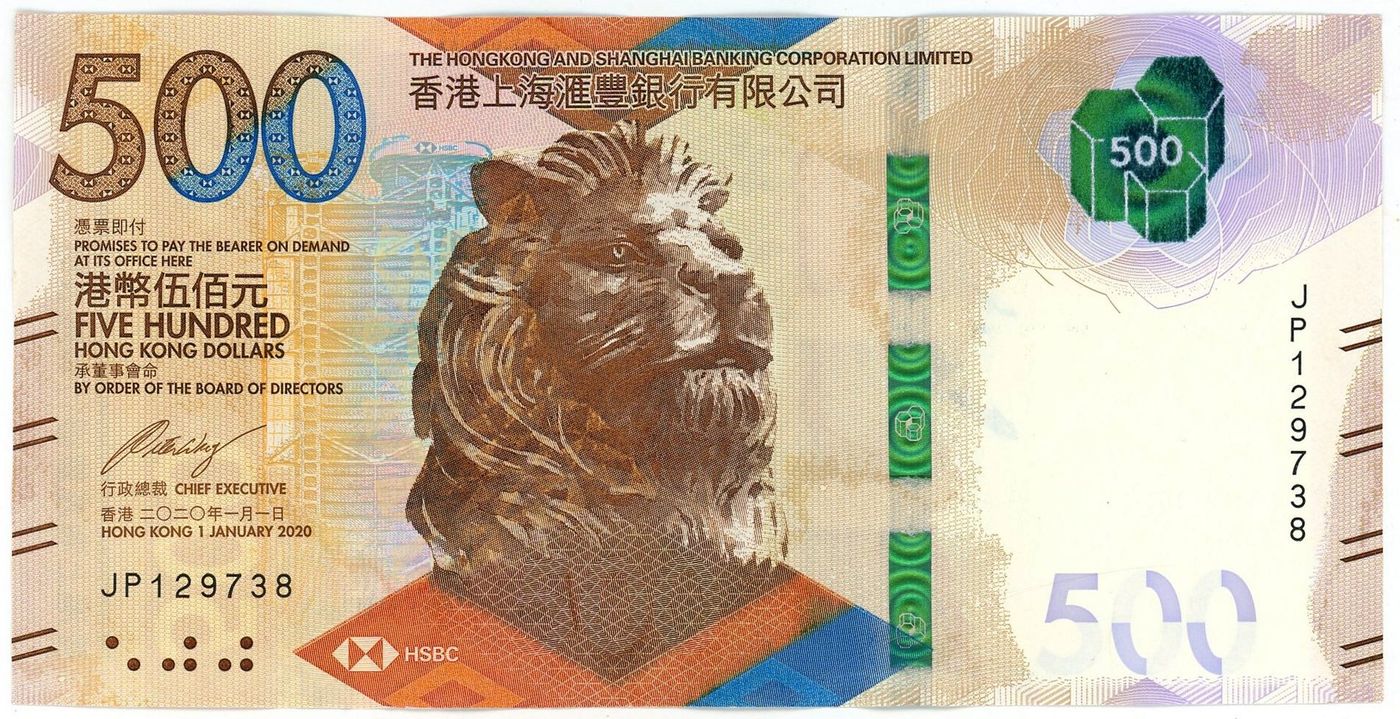
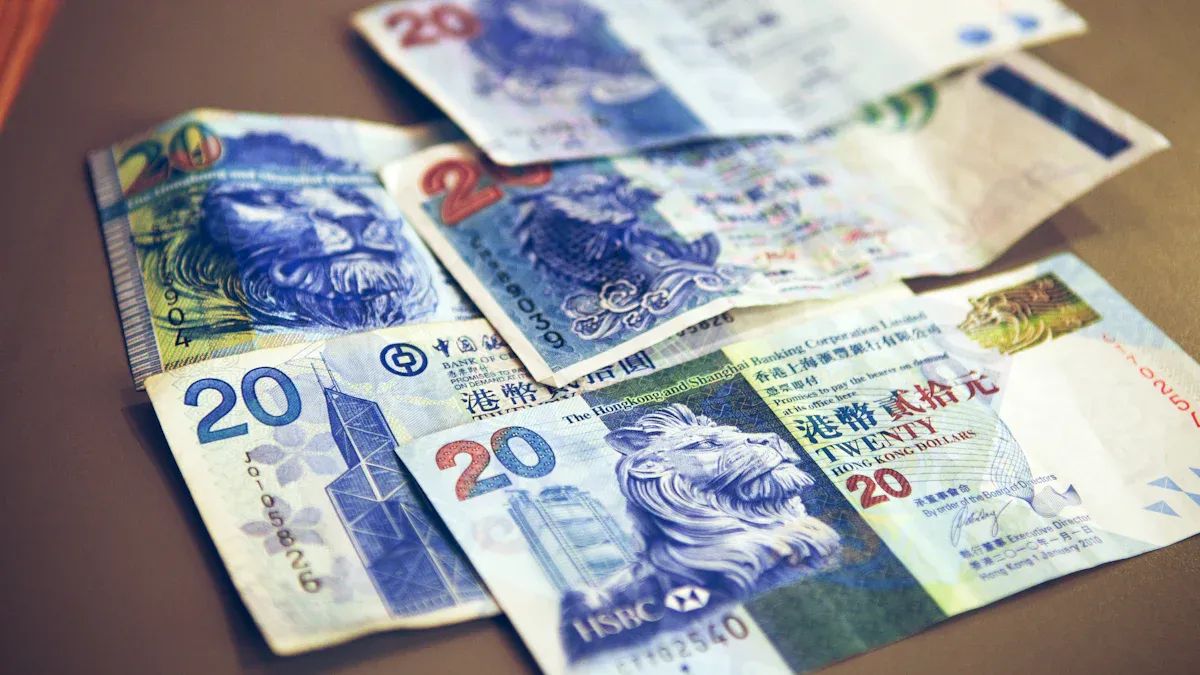
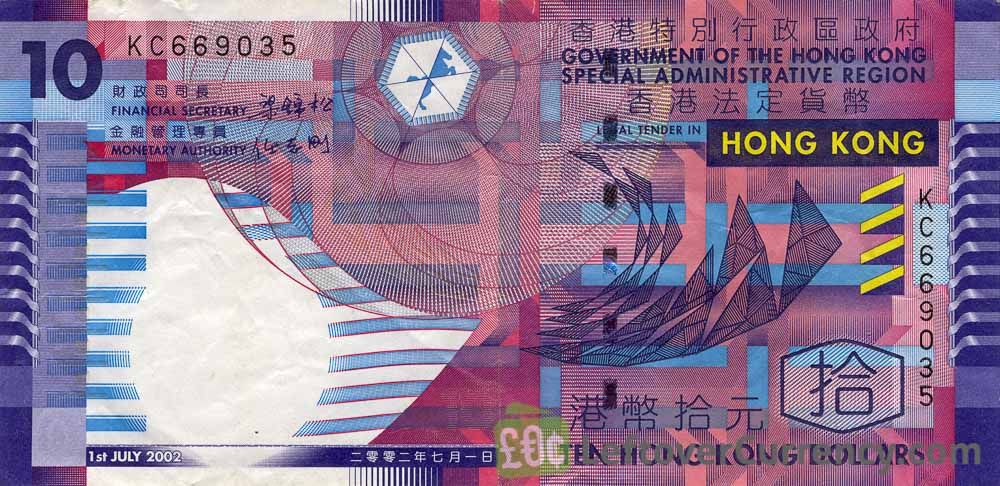
The Japanese yen is the official currency of Japan and is one of the world's most traded currencies. It serves as a global benchmark for international payments and is heavily involved in cross-border trade and investment flows. The Hong Kong dollar is the official currency of the Hong Kong Special Administrative Region and maintains a high degree of liquidity in global markets. Both currencies use the dollar symbol ($), which requires careful attention when identifying transaction details. The most popular exchange involving the Japanese yen is the JPY to HKD pair, reflecting the strong economic and financial links between Japan and Hong Kong. Similarly, the most common exchange for the Hong Kong dollar is the HKD to JPY pair, vital for business, tuition payments, and personal transfers between the two regions.
How the JPY/HKD Exchange Rate is Set
The exchange rate between the Japanese yen and the Hong Kong dollar is a floating rate determined by the global foreign exchange market. The rate commonly quoted for information purposes is the mid-market rate, which is the midpoint between the global buy and sell prices. It is important to note that consumers and businesses do not receive this mid-market rate when conducting transactions. Financial institutions apply their own margins, creating a spread between the rate they buy currency at and the rate they sell it for. This spread, along with any additional fees, constitutes the cost of conversion for the end user.
Factors That Influence the Exchange Rate
The JPY/HKD exchange rate fluctuates based on a complex interplay of macroeconomic factors and market sentiment. Key influences include the relative monetary policies of the Bank of Japan and the Hong Kong Monetary Authority, particularly decisions on interest rates. Differences in economic growth, inflation rates, and trade balances between Japan and Hong Kong also drive currency valuations. Furthermore, the rate is sensitive to broader global risk sentiment, as the yen is often considered a safe-haven currency during times of market stress. Geopolitical events and shifts in commodity prices can cause significant short-term volatility. The performance of the pair over a 90-day period has shown volatility of 0.22%, indicating the typical scale of these movements.
Historical Performance and Notable Ranges
Tracking the historical performance of the JPY/HKD rate helps identify patterns and contextualize current levels. Analysis tools allow users to view historical data for up to the last five years. Over recent 30-day periods, the exchange rate has moved within a defined high and low range, with an average value calculated from these movements. Similarly, 90-day periods show a wider range between the highest and lowest observed rates. These ranges illustrate the natural ebb and flow of the currency market. Setting a rate alert can notify users when the exchange rate reaches a desired target, allowing them to act on favourable movements. Reviewing past performance aids in making more informed currency conversion decisions. Recent data provides specific examples of the pair's trading ranges and volatility over different time frames.
- Over the last 7 days, the HKD to CAD rate moved between 0.1797 and 0.1819.
- The 7-day average was 0.1806 with 0.17% volatility.
- Over the last 30 days, the HKD to CAD rate moved between 0.1783 and 0.1819.
- The 30-day average was 0.1806 with 0.20% volatility.
- Over the last 90 days, the HKD to CAD rate moved between 0.1755 and 0.1819.
- The 90-day average was 0.1786 with 0.22% volatility.
- The performance of CAD to HKD in the last 90 days saw a 90 day high of 5.6948 and a 90 day low of 5.4950.
Over the last 90 days, the HKD to CAD exchange rate moved between 0.1755 and 0.1819. The average rate over that period was 0.1786. The change for HKD to CAD over the last 90 days was negative 0.29. This shows a slight depreciation of the Hong Kong dollar against the Canadian dollar during that period.
How Canadians Convert JPY to HKD
Canadians have several options for converting Japanese yen to Hong Kong dollars, each with different cost structures. The primary methods include using traditional banks, specialist foreign exchange providers, international money transfer services, and credit cards for point-of-sale transactions. Most providers use a process that involves converting Canadian dollars to the target currency, often using the Canadian dollar as an intermediary step. For example, to convert JPY to HKD, a service might first convert yen to Canadian dollars and then convert those Canadian dollars to Hong Kong dollars. It is crucial for users to see the total cost upfront, which includes the exchange rate margin and any fixed fees, before committing to a transaction. Transparency in pricing varies significantly between different types of service providers. Many services allow transfers to over 190 countries in more than 130 currencies, including the USA, UK, Canada, India, and China.
Fees and Charges from Banks, Cards, and Transfer Services
Financial institutions typically generate revenue from currency conversion by adding a markup to the mid-market exchange rate. This markup is often not explicitly stated but is embedded in the less favourable rate offered to the customer. In addition to this spread, banks and transfer services may charge fixed transaction fees or a percentage-based cost. Specialist transfer services frequently advertise using the real mid-market rate with no hidden markup, instead charging a clear, upfront fee. The total cost difference between a bank and a competitive transfer service can be substantial, especially on larger amounts. Consumers are advised to compare the total amount of foreign currency received after all costs to accurately assess the best option. The key cost components and provider claims highlight the differences in how services are priced.
- Traditional banks add margins to the mid-market rate and may charge additional transaction fees.
- Specialist transfer services like Wise promise the mid-market rate with no hidden fees and charge a transparent upfront fee.
- Providers like MTFX claim to offer competitive conversion rates with low margins compared to traditional banks.
- Comparison savings between providers are calculated on specific examples, like a transfer of GBP 20,000 to USD.
- Savings figures are only accurate for the given example and may not include all costs and charges.
- Different currency amounts, types, dates, and times will result in different comparison savings.
It is important to get a personalized quote for any significant transfer. Generalized savings claims may not apply to every situation. A comparison savings calculation is based on a single transfer example. It may not be indicative of actual savings for a JPY to HKD transfer.
Using Currency Converters and Tools
Online currency converters and calculators are essential tools for anyone converting Japanese yen to Hong Kong dollars. These tools display the live mid-market exchange rate, providing a benchmark against which to compare offers from banks or transfer services. A typical converter allows you to enter an amount, select JPY as the currency you are converting from, and HKD as the one you are converting to. The calculator then shows how many Hong Kong dollars you would receive at the current mid-market rate. Many platforms also offer the ability to track historical trends, set rate alerts, and view daily summaries of exchange rate news. Using these tools provides clarity and confidence before initiating a transfer, helping you plan for tuition, travel, business expenses, or sending money to family. The standard steps for using a currency converter to plan a JPY to HKD transaction are straightforward and consistent across most platforms.
- Enter the amount you want to convert in the JPY to HKD exchange rate calculator.
- Select JPY as the currency you are converting from.
- Select HKD as the currency you are converting to.
- The currency calculator shows the live JPY to HKD exchange rate.
- It displays how many Hong Kong dollars you will receive at that rate.
- You can then use this information to compare against offers from your bank or transfer service.
Following these steps ensures you have a clear understanding of the market value of your yen. You can see the live JPY to HKD exchange rate before you commit to a conversion. Some calculators allow you to convert different amounts to see the corresponding HKD value. For example, you can convert 1 JPY, 10 JPY, 20 JPY, 50 JPY, 100 JPY, 500 JPY, or 1,000 JPY.
Key Considerations for Canadian Consumers
When planning a conversion from yen to Hong Kong dollars, Canadians should prioritize understanding the total cost, which is a combination of the exchange rate margin and any additional fees. It is beneficial to use online comparison tools or calculators that show live mid-market rates to benchmark the offer from any provider. Setting up rate alerts can help individuals time their transfers to take advantage of more favourable market movements. For larger transfers, such as for property, tuition, or business payments, securing a rate through a forward contract may be an option to mitigate the risk of adverse rate swings. Always ensure the provider is properly regulated and offers secure transfer methods with tracking capabilities. Finally, confirm the expected delivery time, as speeds can vary from minutes to several business days depending on the service and transfer path. Providers often highlight their ability to manage cross-border payments and FX risk management solutions for business clients.
Frequently asked questions
What is the mid-market exchange rate?
The mid-market rate is the midpoint between the global buy and sell prices in the foreign exchange market. It is a benchmark rate used for information but is not the rate consumers receive from banks or transfer services. Financial institutions apply their own margin to this rate when conducting customer transactions. This margin is a primary source of their revenue from currency conversion.
How do banks make money on currency exchange?
Banks primarily profit from currency exchange by offering customers a rate less favourable than the mid-market rate. The difference between the rate they buy currency at and the rate they sell it for is called the spread or markup. Additionally, they may charge fixed transaction fees or a percentage-based fee for the service. These combined costs make bank conversions often more expensive than using specialist transfer services.
Is it cheaper to use a transfer service instead of a bank?
Specialist international money transfer services often provide better value than traditional banks. They typically use the mid-market exchange rate and charge a low, transparent fee. Comparison savings are calculated on sample transfers. These results may not be indicative of actual savings.
What affects the JPY to HKD exchange rate?
The exchange rate is influenced by factors including the monetary policies and interest rates set by the Bank of Japan and the Hong Kong Monetary Authority. Economic data like growth, inflation, and trade balances from both regions also impact the rate. Furthermore, global risk sentiment plays a role, as the yen is considered a safe-haven currency. These factors combine to create the daily volatility observed in the market.
How can I see the historical JPY/HKD rate?
Many online currency converters offer interactive charts that display historical exchange rates. You can often view data for specific time frames. These charts use real-time mid-market exchange rate data. They allow you to see how the rate has moved over time.
Can I set an alert for the JPY to HKD rate?
Yes, you can set up an alert for the JPY to HKD exchange rate. This feature is available on a rate alerts page or within a dedicated currency app. The alert system will notify you when the live mid market rate reaches your specified target. Setting an alert helps you stay informed about currency shifts and identify favourable moments to convert. This allows you to track the exchange rate over time and plan your transfer with more confidence.
Sources and further reading
- Hong Kong dollars to Canadian dollars Exchange Rate. ... wise.com
- 1 HKD to CAD, Convert Hong Kong Dollars to Canadian ... xe.com
- JPY to HKD Live Currency Converter mtfxgroup.com
This article explains how things work and is not financial, tax or legal advice. Rules, limits and rates change, so check the current figures with the Canada Revenue Agency, your province or your financial institution before you act.