Converting Japanese yen (JPY) to euros (EUR) is a common transaction for Canadians involved in international travel, business, or sending money abroad. The exchange rate between these two major currencies is determined by global foreign exchange markets and fluctuates constantly based on economic factors. Canadians have several options for conversion, including banks, credit cards, and specialized transfer services, each with different fees and exchange rate margins. Understanding how the rate is set, its historical trends, and the cost of conversion can help you manage your international finances more effectively.
Understanding the Japanese Yen and the Euro
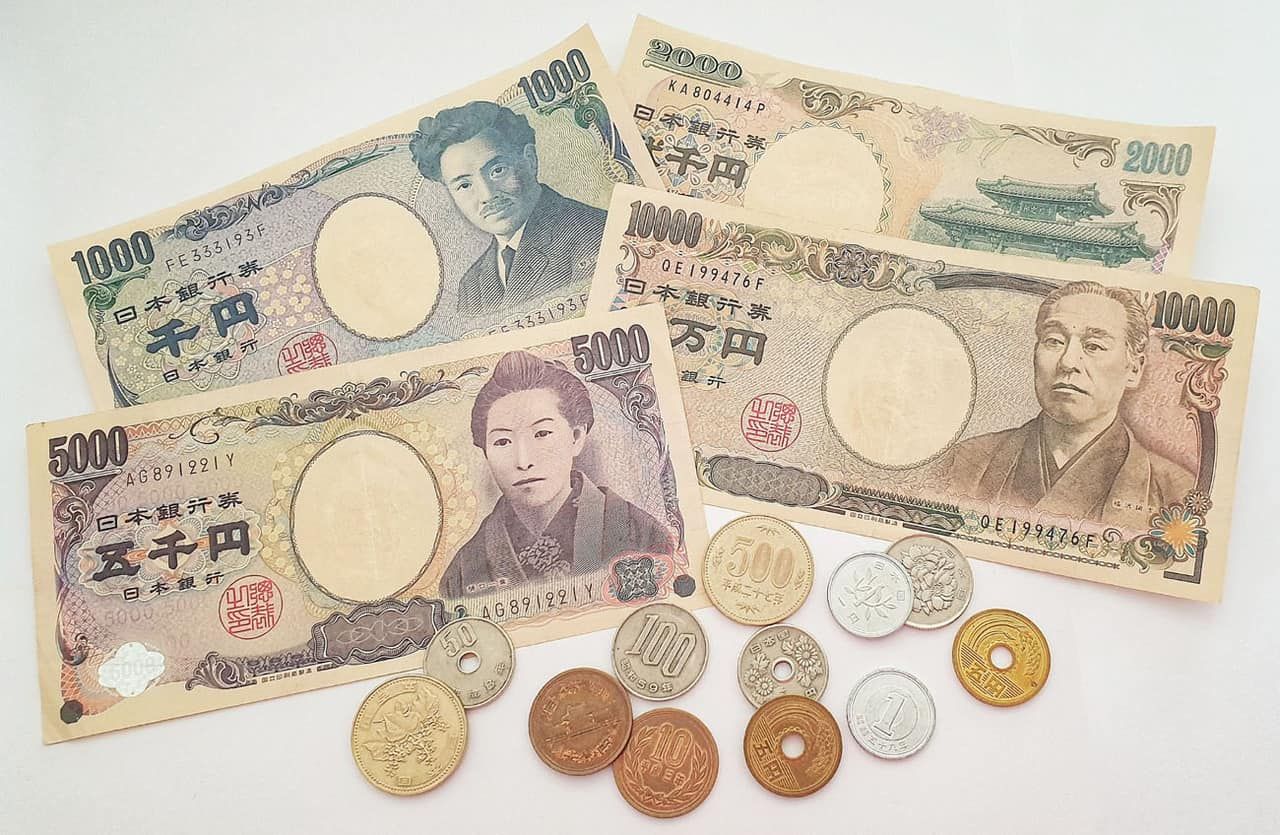
The Japanese yen is the official currency of Japan and is one of the most traded currencies in the world. It serves as a global benchmark for international payments and investments. The euro is the official currency of France and many other European Union member states, forming a leading currency bloc in global markets. The most common exchange involving these currencies is the JPY to EUR pair, which is vital for cross-border trade, tuition payments, and personal transfers between Japan and Europe. The currency code for the Japanese yen is JPY, and its symbol is ¥. The currency code for the euro is EUR, and its symbol is €.
How the JPY to EUR Exchange Rate is Determined
The exchange rate between the Japanese yen and the euro is set by the global foreign exchange market. This is a decentralized marketplace where currencies are traded 24 hours a day. The rate you often see quoted online is the mid-market rate, which is the midpoint between the global buy and sell prices. This rate is a pure benchmark and reflects the real-time value of one currency against the other. The European Central Bank (ECB) publishes a daily euro reference exchange rate for the yen, which is a key official indicator. Financial institutions and money transfer services do not typically offer the mid-market rate to consumers. Instead, they add a margin or markup to this rate, which is how they generate revenue on currency conversion. The rate you receive will also include any applicable service fees, making the total cost different from the pure market rate.
Exchange rates are highly dynamic and can change frequently throughout the day as currency values shift. Market rates are influenced by several key economic factors. Interest rate decisions by the Bank of Japan and the European Central Bank are primary drivers, as they affect investment flows. Economic data releases, such as inflation reports, gross domestic product figures, and employment numbers from Japan and the Eurozone, cause immediate market reactions. Geopolitical events and overall market sentiment towards risk also lead to significant volatility in the JPY/EUR pair. Because rates fluctuate constantly, it is essential to check live data before initiating a money transfer to understand the current valuation.
Historical Performance and Notable Trends
The JPY to EUR exchange rate has experienced considerable variation over time. Reviewing historical trends helps identify patterns and can inform timing decisions for currency conversion. In the short term, the performance of JPY to EUR over a 30-day period has shown a high of 0.0057 and a low of 0.0055, with an average rate of 0.0056. The change over that period was 1.67. Over a 90-day period, the range was wider, with a high of 0.0057 and a low of 0.0053, resulting in an average of 0.0055 and a total change of 5.04. These figures illustrate the typical volatility in the currency pair over quarterly periods.
Longer-term analysis is possible by examining historical data charts, which can track performance over several years. These charts help users spot favourable moments to convert by showing periods of relative strength or weakness for either currency. The euro reference exchange rate published by the ECB provides a consistent long-term data series. Major economic events, such as financial crises or divergent monetary policies between Japan and Europe, have historically created significant highs and lows in the exchange rate. While past performance does not predict future movements, understanding this history provides context for current rate levels.
Methods for Converting Yen to Euros in Canada
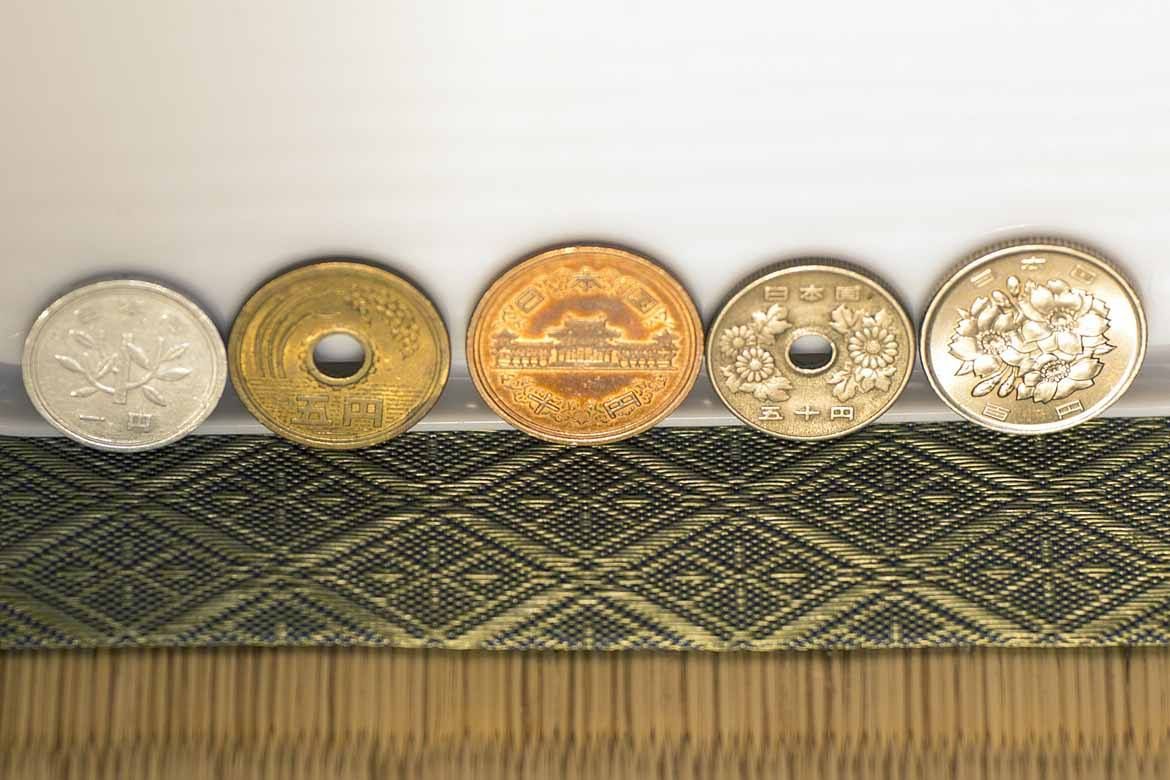
Canadians have multiple avenues to convert Japanese yen to euros, each with distinct cost structures and convenience factors. Traditional banks offer currency exchange services both at branches and online. Banks typically apply a significant markup to the mid-market exchange rate and may also charge a flat transaction fee. Using a credit or debit card for purchases or cash withdrawals in Europe while holding yen is another common method. Using a debit card at an ATM abroad may incur similar foreign transaction fees plus potential ATM operator charges.
Specialized international money transfer services like Xe, Wise, Western Union, and MTFX have become popular alternatives. These services often advertise bank-beating rates and transparent, upfront pricing. They use the mid-market rate for their converters for informational purposes, but the actual rate offered for a transfer will include a small margin. Their fees can vary depending on the transfer amount, payment method, and speed of delivery. For larger transfers, some services offer the ability to set rate alerts or lock in a rate for a future transfer, which can be useful for managing currency risk. It is standard practice for these providers to show the total cost, including the exchange rate and any transfer fee, before the user confirms the transaction.
Fees and Costs Comparison
The total cost of converting yen to euros consists of the exchange rate margin and any additional fees. Different provider types apply these costs in different ways, making direct comparison important. Banks and credit card issuers often bundle their profit into a less favourable exchange rate rather than a separate fee, though they may charge both. International transfer services typically break down the costs more clearly, showing an exchange rate and a separate transfer fee. Western Union notes that its fees can vary depending on the amount you send, your payment method, the destination country, the payout option, and the exchange rate at the time of transfer.
| Provider Type | Typical Cost Components | Key Consideration |
|---|---|---|
| Traditional Banks | Large exchange rate margin, possible flat fee | Rates often less competitive than specialists |
| Online Transfer Services (e.g., Xe, Wise) | Small exchange rate margin, low transparent transfer fee | Often advertise bank-beating rates, show full cost upfront |
| Money Transfer Agents (e.g., Western Union) | Exchange rate margin, variable fee based on transfer specifics | Useful for cash payouts, fees vary by many factors |
It is crucial to review the total amount of euros that will be delivered after all costs, not just the headline exchange rate. Many currency converters and transfer services provide a live quote that includes all fees before you commit. This allows for an accurate comparison between providers. For example, a service might promote a great exchange rate but attach a high fixed fee, making it economical only for larger transfer amounts. Always check the final receiving amount in euros to understand the true cost of your conversion.
Steps for Sending Money from Canada
Converting and sending money from Japanese yen to euros from Canada involves a series of clear steps. First, you must choose a provider, such as a bank, an online transfer service, or an in-person agent. Next, you will need to use their platform to get a live quote. This involves entering the amount of yen you wish to send and selecting euros as the target currency. The provider's system will then show an estimated conversion based on the available exchange rate and list any applicable fees. You should carefully review this total cost and the estimated delivery time before proceeding.
The subsequent steps involve providing sender and receiver information. You will need to input your own details for compliance and payment. You must also provide the recipient's full name and contact information, and for bank transfers, their International Bank Account Number (IBAN). The next step is selecting a payment method. Common options include paying online using a bank account, a credit card, or a Visa debit card. It is important to note that if you use a credit card, a card-issuer cash advance fee and associated interest charges may apply. Finally, you confirm and pay for the transfer. After sending, you will typically receive a tracking number like a Money Transfer Control Number (MTCN) to monitor the transaction's progress online or via a mobile app.
- Choose a money transfer provider (bank, online service, agent).
- Get a live quote by entering the JPY amount and selecting EUR.
- Review the final exchange rate, all fees, and delivery estimate.
- Provide required sender and receiver information accurately.
- Select a payment method (e.g., bank account, debit/credit card).
- Confirm the transfer, make the payment, and obtain a tracking number.
Security and Best Practices for Transfers
Security is a paramount concern when conducting international money transfers. Reputable providers use encryption and fraud prevention systems to help protect transactions. When sending money, it is a fundamental best practice to only send funds to people you know and trust personally. Always double-check the receiver's details, such as their full name and bank account information, before confirming the transfer. After the transfer is sent, keep your tracking number or MTCN private and secure, as it is the key to monitoring the transaction.
Staying alert for potential scams is also critical. Be wary of any unsolicited requests for money transfers, especially those that pressure you to act quickly or ask for payment via unusual methods. Use the tracking features provided by your transfer service to follow the payment's journey. Services like Western Union and others allow you to track your transfer online and with their app using the MTCN. For added safety, familiarize yourself with common fraud warning signs and report any suspicious activity to your transfer provider immediately. These precautions help ensure that your currency conversion and international payment are completed safely and successfully.
Frequently asked questions
What is the difference between the mid-market rate and the rate I get?
The mid-market rate is the benchmark rate set by the global currency markets, representing the midpoint between buy and sell prices. The rate you receive from a bank or transfer service includes a margin or markup added to this mid-market rate, which is how the provider makes money. This final rate will also incorporate any service fees, so the total cost is always higher than the pure mid-market rate. Providers should show you the final rate and all fees upfront before you confirm your transaction.
How can I get the best JPY to EUR exchange rate?
To secure a favourable rate, compare offers from multiple providers, including online transfer services, which often have more competitive rates than traditional banks. Use live currency calculators to see the total euros you will receive after all costs, not just the advertised rate. Consider setting up a rate alert with a service like Xe or MTFX to be notified when the market rate reaches your desired level. For larger transfers, some services allow you to lock in a rate for a future date, which can protect against adverse market movements.
Are there fees for using a credit card to convert currency?
Yes, using a credit card for currency conversion typically incurs costs. Credit card companies usually apply their own exchange rate, which includes a margin. If you use a credit card to fund a money transfer as a cash advance, card-issuer cash advance fees and associated interest charges may also apply immediately. Using a debit card can help avoid these cash advance fees.
How long does a JPY to EUR money transfer take?
Transfer times can vary significantly depending on the provider and the methods chosen. Online transfers through specialized services can sometimes be completed within one business day, while bank-to-bank transfers may take several business days. Transfers set up for cash pickup at an agent location may be available within minutes. The estimated delivery time should be clearly shown when you get a quote for your transfer, allowing you to choose an option that fits your timeline.
Is it safe to convert and send money online?
Reputable money transfer services use strong encryption and fraud prevention measures to protect online transactions. Safety also depends on your actions: only send money to people you know and trust, double-check all recipient details, and keep your transfer tracking number private. Use the provider's official website or app, and be alert to phishing scams or unsolicited requests for money. Tracking your transfer with the provided MTCN adds an extra layer of security and transparency.
Can I convert Japanese yen to euros at any Canadian bank?
Most major Canadian banks offer currency exchange services and can convert Japanese yen to euros. However, they may not hold physical yen or euro notes in all branch locations, especially for less common amounts, so ordering in advance may be required. Banks typically apply a less competitive exchange rate margin compared to specialized transfer services. It is advisable to check the bank's rate and any fees online or by phone before visiting a branch to ensure the transaction meets your needs.
Sources and further reading
- 1 CAD to EUR, Canadian Dollars to Euros Exchange Rate xe.com
- Japanese yen to Euros Exchange Rate. Convert JPY/EUR wise.com
- CAD to EUR | Convert Canadian Dollar to Euro westernunion.com
- Japanese yen (JPY) - European Central Bank ecb.europa.eu
- JPY to EUR Live Currency Converter mtfxgroup.com
This article explains how things work and is not financial, tax or legal advice. Rules, limits and rates change, so check the current figures with the Canada Revenue Agency, your province or your financial institution before you act.