Converting Japanese yen to Canadian dollars is a common need for Canadians travelling to Japan, making investments, or sending money overseas. The exchange rate between these two currencies fluctuates constantly based on global market forces. Understanding how this rate is set, its historical movements, and the costs involved in conversion can help Canadians get better value for their money. This guide covers the fundamentals of the JPY to CAD exchange, including practical conversion methods and typical fees charged by financial institutions.
Understanding the Japanese Yen and Canadian Dollar
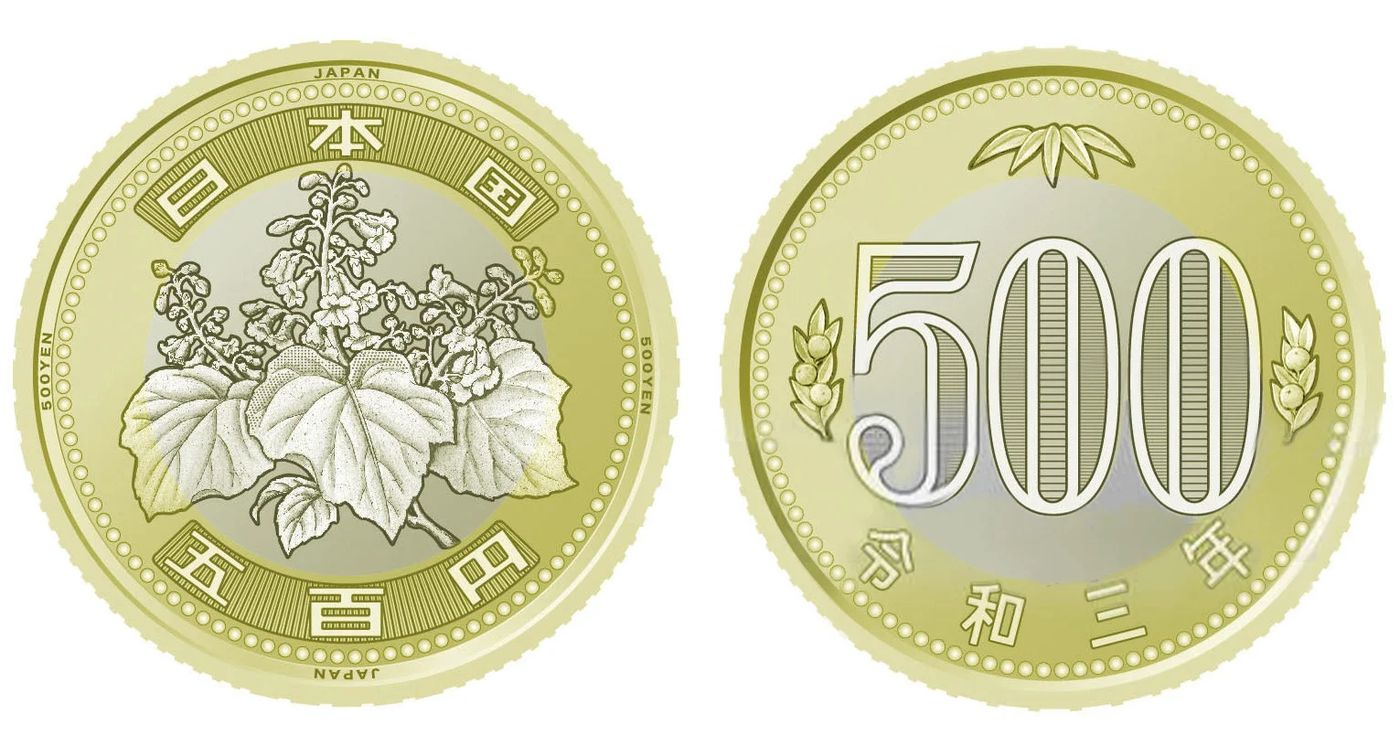
The Japanese yen, denoted by the currency code JPY and symbol ¥, is the official currency of Japan and one of the most traded currencies in the world. Its popularity in global foreign exchange markets is second only to the United States dollar among major Asian currencies. The Canadian dollar, with code CAD and symbol $, is the official currency of Canada and is also a major global reserve currency, heavily influenced by commodity prices, particularly oil. Both currencies are freely floated, meaning their values are determined by supply and demand in the international foreign exchange market rather than being pegged to another currency or asset. The exchange rate between them tells you how many Canadian dollars one Japanese yen will buy, or conversely, how many yen one Canadian dollar will purchase.
How the JPY to CAD Exchange Rate is Determined
The exchange rate between the Japanese yen and the Canadian dollar is set in the global foreign exchange market, where currencies are traded 24 hours a day. The primary rate referenced is the mid-market rate, which is the midpoint between the global buy and sell prices for the currency pair. This rate is purely theoretical and reflects the true market value without any added fees or margins. Individual consumers and businesses do not transact at this pure mid-market rate. Instead, banks, currency exchange services, and transfer providers add a markup or spread to this rate, which is how they generate revenue from currency conversion. The rate you see quoted online or in a bank is typically this marked-up rate, not the raw interbank rate.
Several key economic factors drive movements in the JPY/CAD rate. Differences in interest rates set by the Bank of Japan and the Bank of Canada are a major influence, as higher rates in Canada can attract investment flows into the loonie. The relative strength of each country's economy, measured by indicators like GDP growth and employment data, also plays a significant role. Since Canada is a major commodity exporter, global prices for resources like oil, lumber, and metals can cause the Canadian dollar to appreciate or depreciate against the yen. Conversely, the yen is often seen as a safe-haven currency during periods of global economic uncertainty, which can lead to increased demand. Trade flows and geopolitical events further contribute to the daily volatility observed in the exchange rate.
Historical Performance and Notable Rate Movements
Historical charts show that the JPY to CAD rate has experienced various cycles of strength and weakness over the years. Over a 90-day period, the rate moved between a low of 0.0085 and a high of 0.0090, with an average value of approximately 0.0089. This represents a change of 3.39 percent over that quarter, indicating moderate fluctuation. In the shorter 30-day window, the rate ranged from 0.0088 to 0.0090, with an average of 0.0089 and a change of -0.33 percent, showing relative stability.
Tracking these movements is crucial for anyone planning a significant transfer, as small changes in the rate can lead to meaningful differences in the final amount received. The average monthly exchange rate provides a clearer snapshot of performance over an entire month, smoothing out daily market swings. Many individuals and businesses use these averages to plan ahead, lock in better rates, or time their transfers more strategically. By monitoring trends, one can make smarter decisions and manage conversion costs more effectively. The performance over the last seven days showed the rate moving between 0.0088 and 0.0090, with an average of 0.0089 and a volatility of 0.24 percent.

Methods for Converting Yen to Canadian Dollars
Canadians have several options when they need to convert Japanese yen into Canadian dollars, each with different characteristics in terms of cost, convenience, and speed. The most common methods include using banks, credit cards, airport kiosks, and online money transfer specialists. Banks offer currency conversion services both at branches and through online banking platforms, but they typically apply a significant markup to the mid-market rate and may charge additional transaction fees. Using a credit card for purchases or cash advances in Japan is another method, but card issuers usually apply their own foreign exchange margin on top of the Visa or Mastercard network rate, and cash advances incur immediate interest charges.
Airport and hotel currency kiosks provide convenience but are generally known for offering some of the least favourable exchange rates and high service fees. For larger transfers or getting the best possible value, online international money transfer specialists have become a popular choice. These platforms operate online and often provide exchange rates much closer to the mid-market rate than traditional banks. They are designed for both personal transfers and business payments, such as supplier payments or investments. Transfers through these regulated specialists are typically processed within 24 to 48 hours, depending on banking cut-off times. The process usually involves registering for an account, entering the transfer details to see a live quote with all fees shown upfront, and then completing the transaction.
Fees and Costs: What Canadians Should Expect
The total cost of converting yen to Canadian dollars is rarely just the advertised exchange rate. Providers build their profit into the transaction through a combination of exchange rate markups and fixed fees. The exchange rate markup, or spread, is the difference between the mid-market rate and the rate actually offered to the customer. This is often the largest component of the cost. For example, a specialist service might advertise saving up to 4 percent compared to a bank, which is achieved by offering a tighter margin on the exchange rate. Fixed fees can also be charged per transaction, though some providers promote offers with no fees on the conversion itself.
It is essential for consumers to look at the total cost in advance, which means seeing both the final exchange rate and any additional fees before committing to a transfer. Transparency is key. Hidden spreads or last-minute adjustments can significantly affect the final amount received in Canadian dollars. Banks often charge wider spreads and additional administrative fees. Online specialists typically highlight that they use the real mid-market rate with no sneaky mark-up to hide fees, providing all pricing upfront. The following table illustrates a generalized comparison of the fee structures typically associated with different provider types.
| Provider Type | Typical Cost Components | Transparency |
|---|---|---|
| Major Banks | Wide exchange rate margin, fixed transaction fee | Rates and fees may not be fully clear upfront |
| Airport Kiosks | Very high exchange rate margin, service fee | Rate displayed, but high cost relative to market |
| Online Transfer Specialists | Tighter exchange rate margin, sometimes no transfer fee | Full cost shown in live quote before transfer |
When comparing providers, the savings calculated are often based on specific examples. For instance, a comparison might be based on a single transfer of a certain amount on a specific date. Different currency exchange amounts, dates, times, and other individual factors will result in different comparison savings. These results are therefore not indicative of actual savings and should be used only as a guide. The mid-market rate is for informational purposes only, and you will not receive this rate when sending money.
Tools and Strategies for Better Conversion
Several tools and strategies can help Canadians secure a more favourable rate when converting Japanese yen. Using a live currency converter that displays the mid-market rate provides a benchmark against which to compare offers from banks or transfer services. Many platforms offer real-time charts tracking 12 months of mid-market rates, allowing users to see historical trends and assess the current rate's position. Setting up a rate alert is a highly effective strategy. Users can specify a target exchange rate and receive a notification via email or app when the market reaches that level, removing the need to constantly monitor fluctuations.
Monitoring the average monthly exchange rate can provide a more stable view of the trend, helping to inform whether the rate has been moving in a favourable direction over a longer period. For those not in a rush, waiting for a better rate by setting an alert can lead to significant savings, especially on large transfers. The process for converting with a specialist typically involves selecting JPY as the source currency and CAD as the target in an online converter, entering the amount, and viewing the current exchange value. The platform then allows the user to complete the exchange and send funds internationally from a single dashboard, with efficient processing and dedicated support to avoid delays.
- Use a live currency converter to see the mid-market benchmark.
- Set up rate alerts to be notified when your target rate is hit.
- Track average monthly rates to understand longer-term trends.
- Compare total costs (rate + fees) from multiple providers upfront.
- Consider online specialists for larger transfers due to tighter margins.
- Check for regulatory compliance to ensure funds are handled securely.
Regulatory Security and Transfer Process
When converting and transferring money internationally, the security of the funds and the integrity of the process are paramount. Reputable currency exchange and transfer providers operate within a strict regulatory framework. This ensures that Japanese yen and Canadian dollars are handled securely and properly managed at every stage of the transaction. Regulations are designed to prevent fraud, money laundering, and terrorism financing, providing peace of mind for consumers. Providers must be licensed and comply with the financial regulations in the countries they operate, including Canada and Japan.
The standard transfer process for converting JPY to CAD through a regulated service is designed for clarity and control. After obtaining a live quote and agreeing to the terms, the sender initiates the transfer, often by funding it with a bank debit or wire transfer. The service then converts the yen at the agreed-upon rate and routes the Canadian dollars to the recipient's bank account. Most transfers are processed quickly, often within 24 to 48 hours, depending on the receiving bank's cut-off times and the specific transfer corridors involved. Throughout this process, senders can typically track the transfer in real time, receiving updates on its status until completion.
Frequently asked questions
What is the current Japanese yen to Canadian dollar exchange rate?
The current mid-market exchange rate fluctuates. As of one report, the rate was 1 Japanese Yen equals 0.0088 Canadian dollars. Another source listed the rate as 1 Japanese Yen equals 0.0089 Canadian dollars. You can view the real-time mid-market rate using an interactive chart or currency converter.
What's the best way to send money from Japan to Canada?
Online international money transfer specialists can be a good way to send money. These services often offer competitive exchange rates and transparent pricing. They allow you to send funds to over 190 countries, including Canada, and process transfers within 24 to 48 hours. Using a specialist can help you avoid hidden fees and high transaction fees.
Do banks charge fees to convert yen to Canadian dollars?
Yes, banks charge for currency conversion. They typically apply an exchange rate markup and may add transaction fees. The rate they offer is less favourable than the mid-market rate. It is advisable to compare the total cost with other providers before proceeding.
Can I set an alert for a specific JPY to CAD exchange rate?
Yes, you can set up a rate alert on many currency platforms. You can specify your desired JPY to CAD exchange rate and receive a notification when it is reached. This allows you to monitor the market without watching it constantly. These alerts help you decide when to make a transfer.
Is there a perfect time to convert yen to Canadian dollars?
There is no universally perfect time to convert currencies, as markets are constantly moving. You can monitor real-time rates and use historical data to identify trends. Setting rate alerts can help you decide when conditions may be more favourable. Using tools like a currency converter can assist in timing your conversion.
Sources and further reading
- Japanese yen to Canadian dollars Exchange Rate. ... wise.com
- 1 JPY to CAD, Convert Japanese Yen to Canadian Dollars xe.com
- Convert JPY to CAD, Japanese Yen to Canadian Dollar mtfxgroup.com
This article explains how things work and is not financial, tax or legal advice. Rules, limits and rates change, so check the current figures with the Canada Revenue Agency, your province or your financial institution before you act.