Converting Indian rupees to US dollars involves two major global currencies, the Indian Rupee (INR) and the United States Dollar (USD). The exchange rate between them is a critical figure for international trade, remittances, and travel. For Canadians, understanding this conversion is important for sending money to family in India, conducting business, or managing investments that involve these currencies. The rate fluctuates based on economic factors in both India and the United States, impacting the cost of every transaction.
Understanding the Indian Rupee and US Dollar
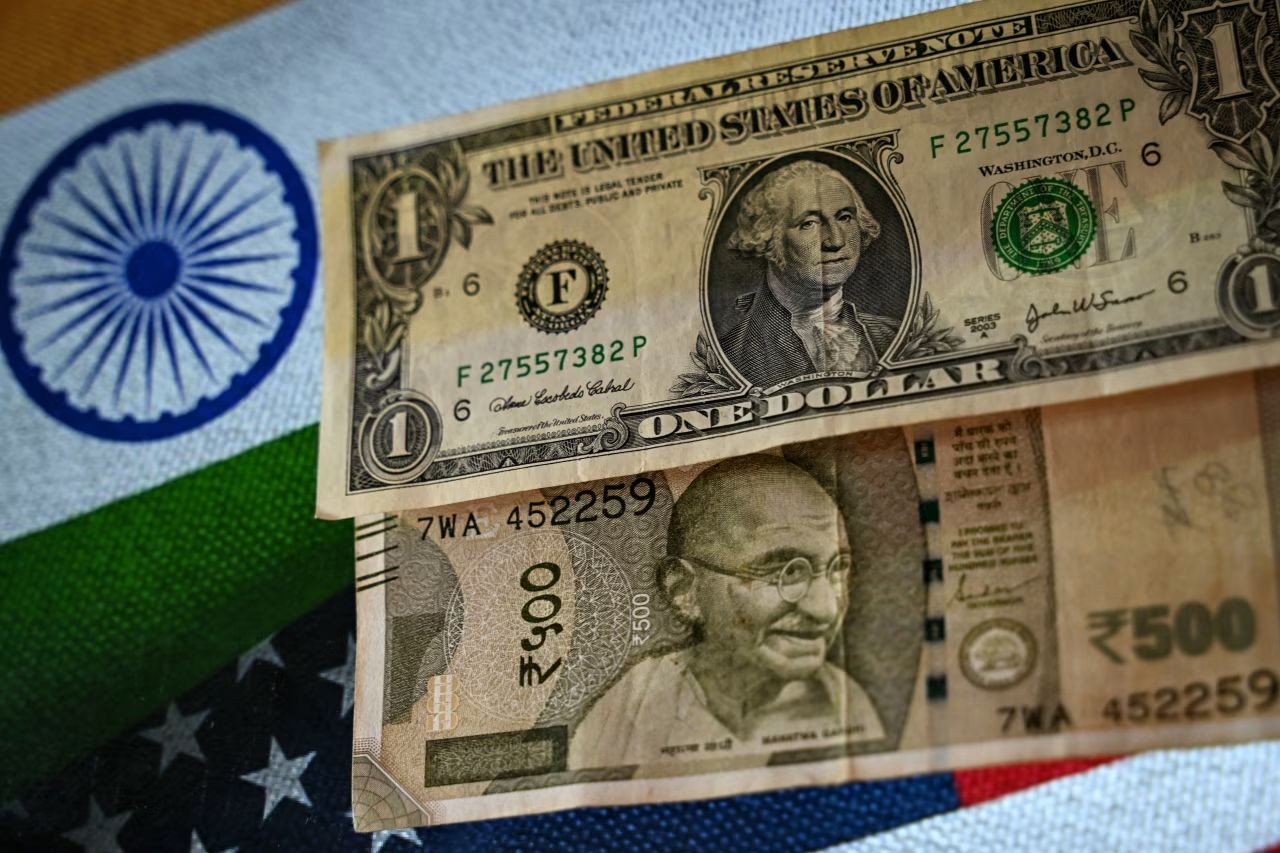
The Indian Rupee, issued by the Reserve Bank of India, is the official currency of India and is represented by the symbol ₹ and the code INR. It is a commonly traded currency in global foreign exchange markets. The United States Dollar, symbolized as $ and coded as USD, is the world's primary reserve currency and is issued by the Federal Reserve System. The exchange rate between the INR and USD indicates how many Indian rupees are needed to purchase one US dollar. This pairing is one of the most watched in Asia due to the scale of trade and capital flows between India and the United States. The rate is quoted as USD/INR, meaning the value of one US dollar in Indian rupees.
For Canadians, interactions with this currency pair often occur when sending remittances to India or when converting US dollars held from travel or business. The performance of the INR against the USD can significantly affect the value of these transfers. When the rupee weakens against the dollar, it takes more rupees to buy each dollar, making conversions from USD to INR more expensive for those holding dollars. Conversely, a stronger rupee means fewer rupees are required per dollar. This dynamic directly impacts the purchasing power of funds sent between countries.
How the INR to USD Exchange Rate is Set
The foundational exchange rate between the Indian rupee and the US dollar is determined in the global interbank foreign exchange market. This is a wholesale market where large financial institutions trade currencies in high volumes, often in lots of millions of dollars. The rate quoted in financial media typically reflects these interbank rates, which are for minimum amounts often around five million US dollars. This wholesale rate acts as the baseline, or mid-market rate, which is the midpoint between the buy and sell prices in these large trades. It is the purest reflection of currency value without any added profit margin.
Individual consumers and businesses do not access this wholesale rate directly. When a Canadian bank or money service business provides a retail exchange rate to a customer, it adds a spread or margin to the interbank rate. This spread accounts for the service provided, covers the cost of handling smaller transaction amounts, and protects the institution from market volatility between the time the rate is quoted and the transaction is settled. The size of this spread can vary significantly between different service providers, which is why the final rate offered to customers differs from the mid-market rate seen on financial websites.
Factors That Influence the INR/USD Rate
The exchange rate between the Indian rupee and the US dollar is in constant flux, driven by a complex mix of economic and geopolitical factors. Key influences include the relative strength of the Indian and American economies, as measured by indicators like GDP growth, employment data, and industrial production. Interest rate decisions by the Reserve Bank of India and the US Federal Reserve are particularly powerful drivers. Higher interest rates in a country can attract foreign investment, increasing demand for that currency and potentially strengthening its value. For example, when the Federal Reserve raises rates, it can lead to a stronger US dollar relative to the rupee.
Other major factors include inflation rates, trade balances, and foreign investment flows. A large trade deficit for India, where imports exceed exports, can put downward pressure on the rupee as more dollars are needed to pay for foreign goods. Political stability, government fiscal policies, and global risk sentiment also play crucial roles. During times of global economic uncertainty, investors often seek the safety of the US dollar, which can cause it to appreciate against many currencies, including the Indian rupee. The daily trading activity of large corporations, institutional investors, and central banks further contributes to the rate's movement.
Historical Performance and Notable Trends
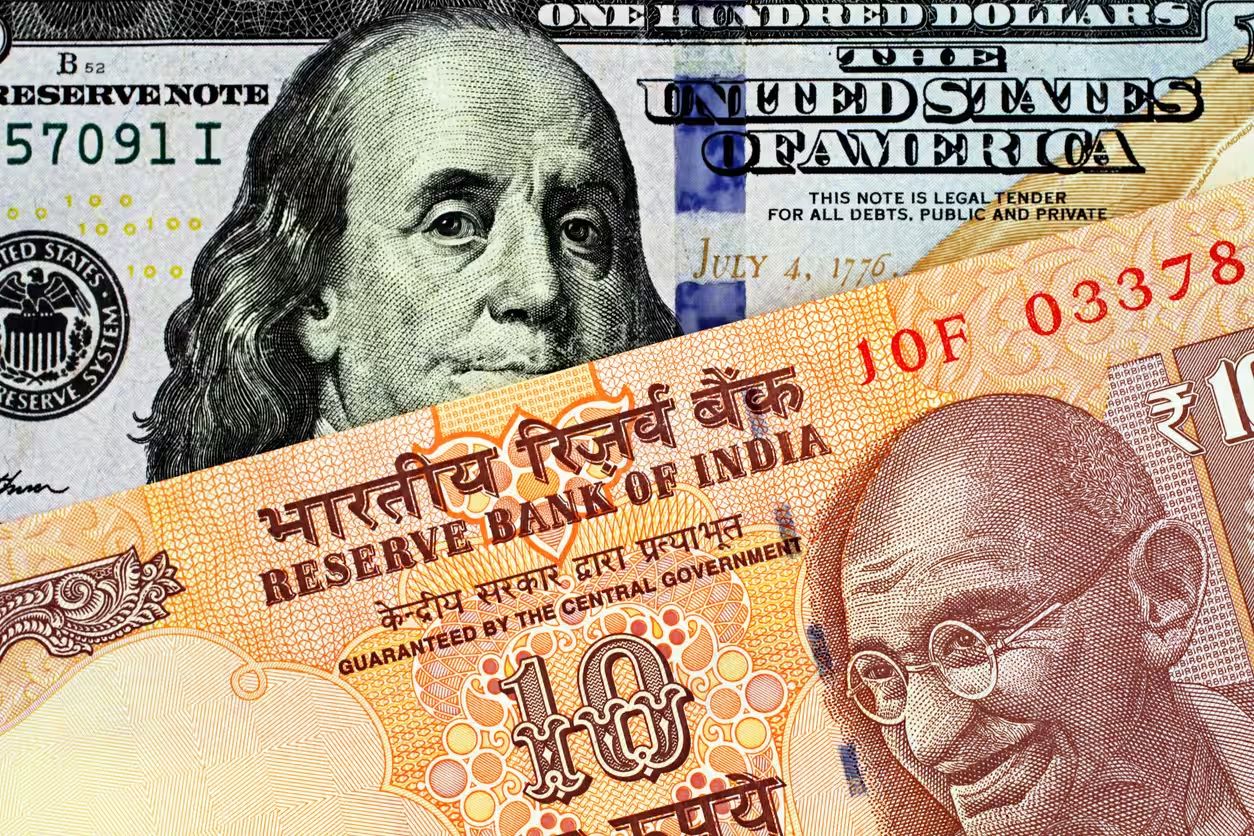
The historical relationship between the Indian rupee and the US dollar has seen periods of both relative stability and significant volatility. Over the long term, the rupee has generally trended weaker against the dollar, influenced by factors such as India's historical current account deficits and periods of higher inflation compared to the United States. These events often lead to rapid capital outflows from emerging markets like India, putting immediate pressure on the rupee's value. Analysing shorter-term volatility provides insight into recent market conditions. For instance, tracking the performance over 30 or 90-day periods shows the range within which the rate has moved and its average level. A 30-day period might show a high and low with an average change of a specific percentage, indicating the level of short-term risk. Similarly, a 90-day analysis captures broader trends and more sustained movements. These periods of higher volatility underscore the importance of timing for individuals and businesses looking to convert large sums, as the rate can shift meaningfully within weeks or even days.
How Canadians Convert Currency and Associated Costs
Canadians have several options for converting Indian rupees to US dollars or vice versa, each with different cost structures. The most common methods include using bank services, specialized money transfer operators, and multi-currency accounts offered by digital financial service providers. Traditional banks allow customers to exchange currency, often through online banking platforms or in-branch services. For example, RBC allows cross-border transfers between Canadian and US accounts for clients with linked accounts, with instant transfers for amounts within set limits. These bank services typically apply an exchange rate margin on top of the interbank rate.
Money transfer services like Western Union and digital platforms such as Wise and Xe specialize in international currency conversion and transfers. They often market themselves as providing more competitive rates and lower fees than traditional banks. These services usually show the total cost upfront, including any transfer fees and the applied exchange rate margin. A key differentiator for some digital services is their use of the real mid-market rate for conversions, with a transparent, separate fee rather than building profit into a less favourable rate. Canadians should compare the total amount of foreign currency received after all fees to identify the most cost-effective option for their needs.
Fees, Limits, and Transaction Details
Understanding the specific fees, limits, and mechanics of currency conversion is essential for managing costs. Financial institutions structure their charges in different ways. Some add a percentage-based margin to the exchange rate, while others charge a flat fee per transaction. Many combine both approaches. For instance, a bank might offer a preferred exchange rate to customers with premium accounts while charging standard rates to others. Digital money transfer services often advertise being free from hidden fees, meaning they use the mid-market rate and charge a single, disclosed percentage fee.
Transaction limits are another critical consideration, especially for larger transfers like business payments or property purchases. Banks typically impose limits on the amount that can be converted or transferred in a single transaction or within a certain period. For example, one major Canadian bank sets a standard online transfer limit of $25,000 per transaction between linked Canadian and US accounts, with higher amounts requiring a phone call to an advisor. Other providers may have different thresholds based on customer verification level, regulatory requirements, or the chosen payment method. These limits ensure security and compliance with anti-money laundering regulations.
- Standard online cross-border transfer limit at RBC: $25,000 CAD or USD per transaction.
- Higher single transfers (up to $100,000) possible via phone with an advisor.
- No limit to the number of transfers between linked checking and savings accounts for RBC Bank US clients.
- Digital transfer services have varying limits based on account type and verification.
- Cash advance limits using a US Visa Debit card at US financial institutions: up to $5,000, varying by institution.
Practical Tips for Managing Currency Conversion
For Canadians regularly dealing with INR and USD conversions, adopting certain practices can lead to better outcomes. One effective strategy is to monitor exchange rates over time to identify favourable trends. Many banking and money transfer apps provide tools to track historical rates and set up rate alerts. A rate alert notifies you when the currency pair reaches a specific target level, allowing you to execute a transfer when the rate is advantageous. This is particularly useful for non-urgent transactions where timing can be flexible, such as funding a future expense or converting saved foreign currency.
Choosing the right financial product can also reduce costs. Holding a US dollar account in Canada or with a US-based bank like RBC Bank allows you to keep funds in USD without immediately converting them to CAD. This lets you convert when rates are favourable rather than at the moment of receipt. Similarly, multi-currency accounts from digital providers let you hold, send, and spend multiple currencies, often with lower conversion fees. For accessing US cash, using a debit card at a network of no-fee ATMs or obtaining cash back with debit card purchases at US retailers can avoid costly ATM withdrawal fees charged by other banks.
Frequently asked questions
What is the difference between the mid-market rate and the rate I get from my bank?
The mid-market rate is the real-time midpoint between the global buy and sell prices for a currency pair, used in wholesale trading between large banks. The rate you receive from your bank or transfer service is a retail rate. It includes a spread or margin added to the mid-market rate to cover the service provider's costs and profit. This is why the rate you are offered is typically less favourable than the pure mid-market rate you see on financial data websites.
How can I send a large amount of money from CAD to USD or INR?
For large transfers, such as those exceeding standard online limits, you typically need to contact your financial institution directly. For example, one major Canadian bank allows instant online transfers up to $25,000 between linked Canadian and US accounts. For single transfers above that limit, up to $100,000, you must call and speak with a bank advisor. They can facilitate the larger transaction and provide a specific exchange rate quote for the amount. Always confirm all fees and the final exchange rate before proceeding.
Are there ways to avoid high fees when converting currency?
Yes, several strategies can help minimize fees. Compare total costs across different providers, including banks, digital transfer services, and money operators, by checking how much foreign currency you will receive after all fees. Some digital services use the mid-market rate and charge a low, transparent percentage fee, which can be cheaper than traditional bank margins. Also, consider using a multi-currency account that allows you to hold foreign currency and convert it only when needed, potentially at a better rate. For cash, use in-network ATMs to avoid withdrawal fees.
Can I open a US bank account as a Canadian resident?
Yes, some US banks offer accounts to Canadian residents. For instance, RBC Bank allows Canadian residents who are 18 or older to open a US account without needing a US address or Social Security Number. This can be done online with a Canadian driver's licence and other identification. Having a US account simplifies holding and converting US dollars and can facilitate cross-border banking, including instant and potentially fee-free transfers between your Canadian and US accounts with the same banking group.
What does volatility in the exchange rate mean for me?
Volatility refers to how much and how quickly the exchange rate changes over a given period. High volatility means the rate can swing significantly in a short time, which increases the risk that the rate will move against you between the time you decide to convert and when the transaction completes. For large transfers, this can mean a difference of hundreds of dollars. Monitoring rate trends and using tools like rate alerts can help you choose a more favourable time to convert, potentially saving money when volatility is high.
Is it better to convert currency at the airport or through my bank?
Converting currency through your bank or a specialized service is generally better than using airport kiosks. The mid-market exchange rate is the real benchmark, such as 1 CAD equalling approximately 67.25 INR, but retail rates include added spreads. Banks and services like Xe or Western Union show rates and fees upfront, allowing for comparison. Airport kiosks, due to convenience, often have less favourable rates and higher fees. Using your bank's online platform or a dedicated transfer service typically provides more transparency and better value for your money.
Sources and further reading
- 1 CAD to INR, Convert Canadian Dollars to Indian Rupees xe.com
- Indian rupees to Canadian dollars Exchange Rate. Convert ... wise.com
- INR to CAD | Convert Indian Rupee to Canadian Dollar westernunion.com
- USD ⇔ CAD Currency Converter, RBC Bank rbcbank.com
This article explains how things work and is not financial, tax or legal advice. Rules, limits and rates change, so check the current figures with the Canada Revenue Agency, your province or your financial institution before you act.