Converting Indian rupees (INR) to Sri Lankan rupees (LKR) involves a cross-rate calculation based on their respective values against major currencies like the Canadian dollar. The exchange rate between these two Asian currencies is influenced by each country's economic policies, trade balances, and geopolitical factors. For Canadians sending money to family, making investments, or handling business transactions in the region, understanding this conversion is essential. Knowing how banks, credit cards, and transfer services apply fees and exchange rate margins can lead to significant savings on international transfers.
Understanding the Indian and Sri Lankan Rupees
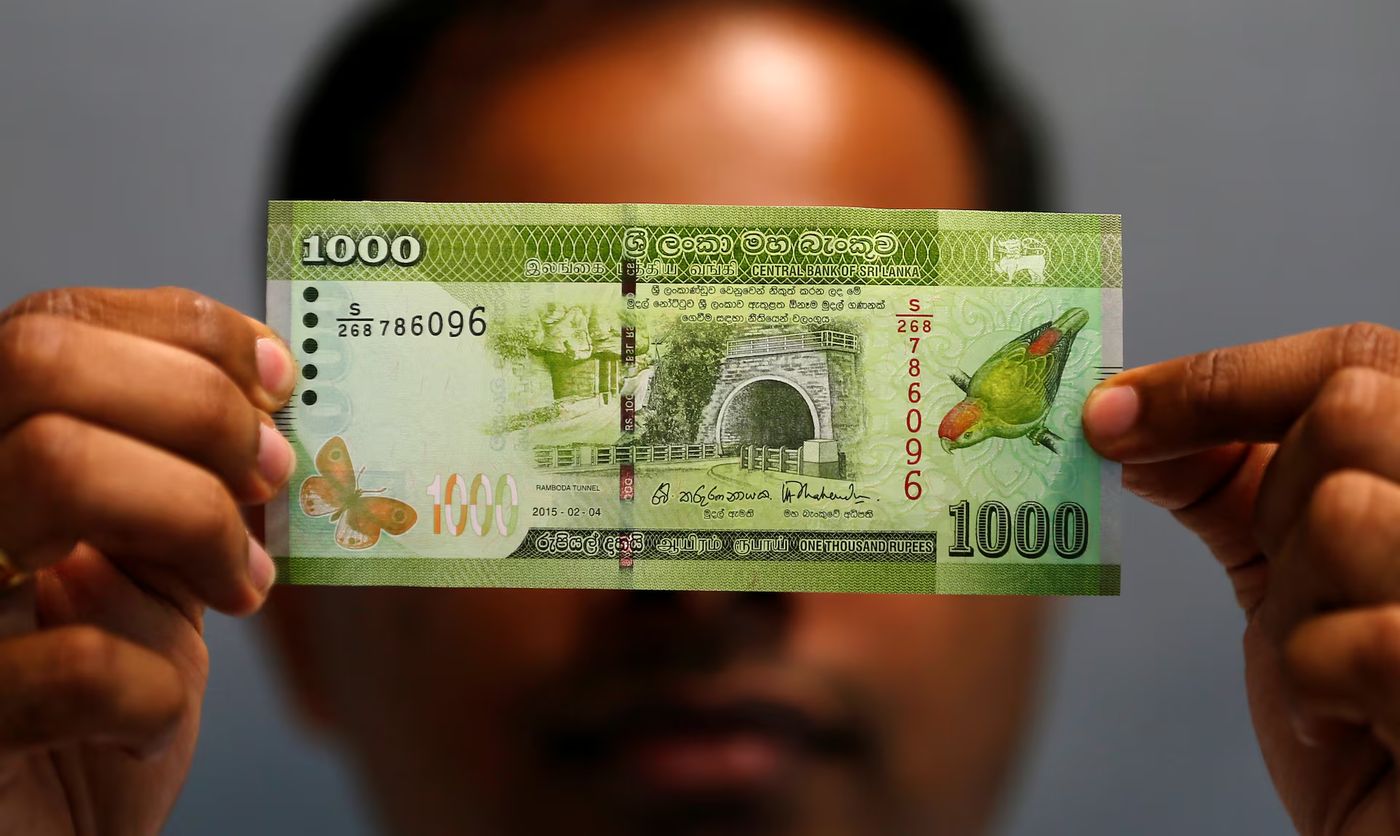
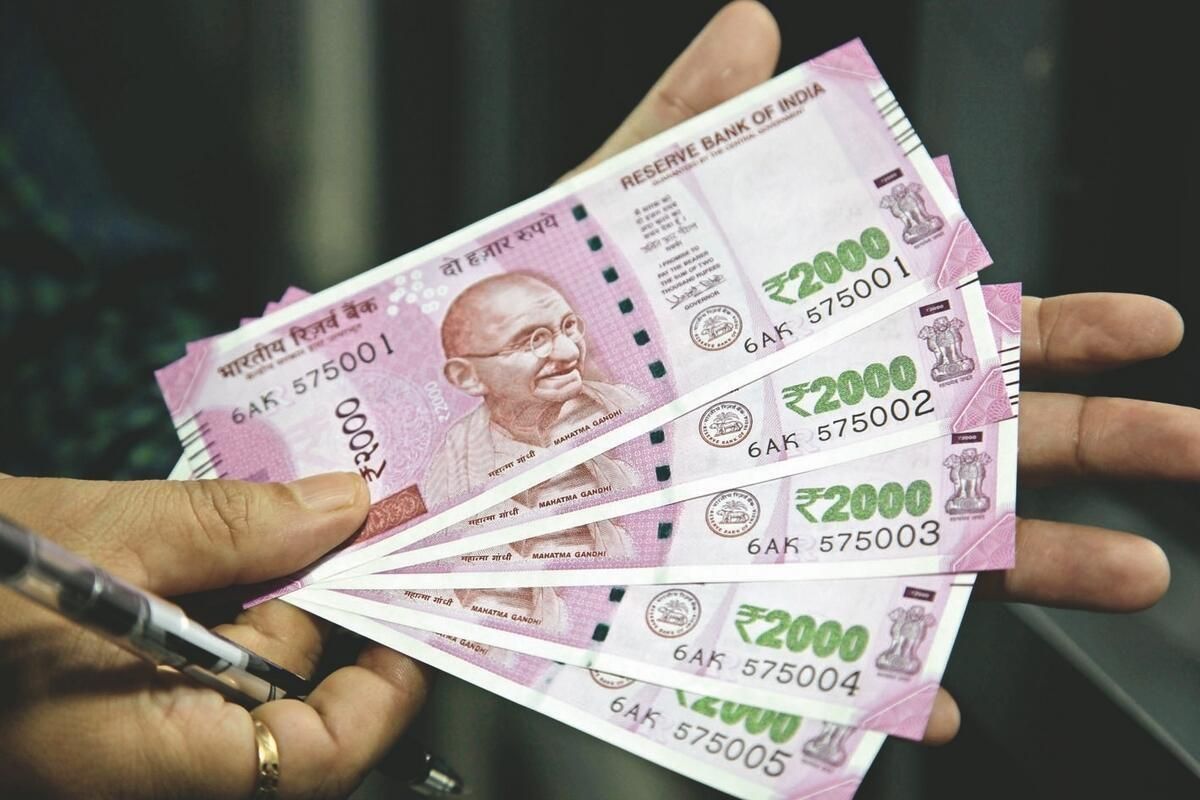
The Indian rupee, with the currency code INR, is the official legal tender of India and is issued by the Reserve Bank of India. The Sri Lankan rupee, coded LKR, is the official currency of Sri Lanka and is issued by the Central Bank of Sri Lanka. Both currencies are used for all daily transactions within their respective countries, from local market purchases to major business contracts. The Indian rupee is a more widely traded currency globally due to the size of India's economy, while the Sri Lankan rupee's value is more sensitive to domestic economic conditions and foreign reserve levels. For Canadians, interactions with these currencies typically occur when sending remittances to family, conducting business, or traveling within South Asia. The direct exchange rate between INR and LKR is not commonly quoted in Canadian financial markets, so conversions usually happen indirectly through a major currency like the US dollar or the Canadian dollar.
How the INR to LKR Exchange Rate is Determined
The exchange rate between the Indian rupee and the Sri Lankan rupee is a cross-rate, meaning it is derived from their individual values against a third, more liquid currency, most often the US dollar. The rate is calculated by dividing the USD/INR rate by the USD/LKR rate. This calculation happens continuously on the global foreign exchange market where banks and large institutions trade currencies. The mid-market rate is the midpoint between the global buy and sell prices for this currency pair and serves as a benchmark. Individual consumers and businesses do not transact at this pure interbank rate. Instead, banks and money transfer services apply a margin or spread above or below the mid-market rate, which constitutes a part of their fee for the currency conversion service. The rate Canadians see when converting money includes this margin along with any stated transaction fees.
Factors That Influence the Exchange Rate
Several key economic and political factors drive the value of both the Indian and Sri Lankan rupees, thereby affecting their cross-rate. Monetary policy decisions by the Reserve Bank of India and the Central Bank of Sri Lanka, particularly changes to interest rates, have a direct impact on currency attractiveness and value. The relative inflation rates in each country are also critical, as higher inflation typically erodes a currency's purchasing power and can lead to depreciation. The trade balance and current account deficit of each nation influence demand for their currencies, as exports generate foreign currency inflows while imports create outflows. Foreign direct investment levels and portfolio investment flows can cause significant appreciation or depreciation based on investor confidence. Geopolitical stability and government debt levels, especially for Sri Lanka, have historically been major drivers of volatility for the LKR. Global commodity prices, particularly for oil which both countries import, also affect their foreign exchange reserves and currency stability.
Historical Context and Notable Rate Movements
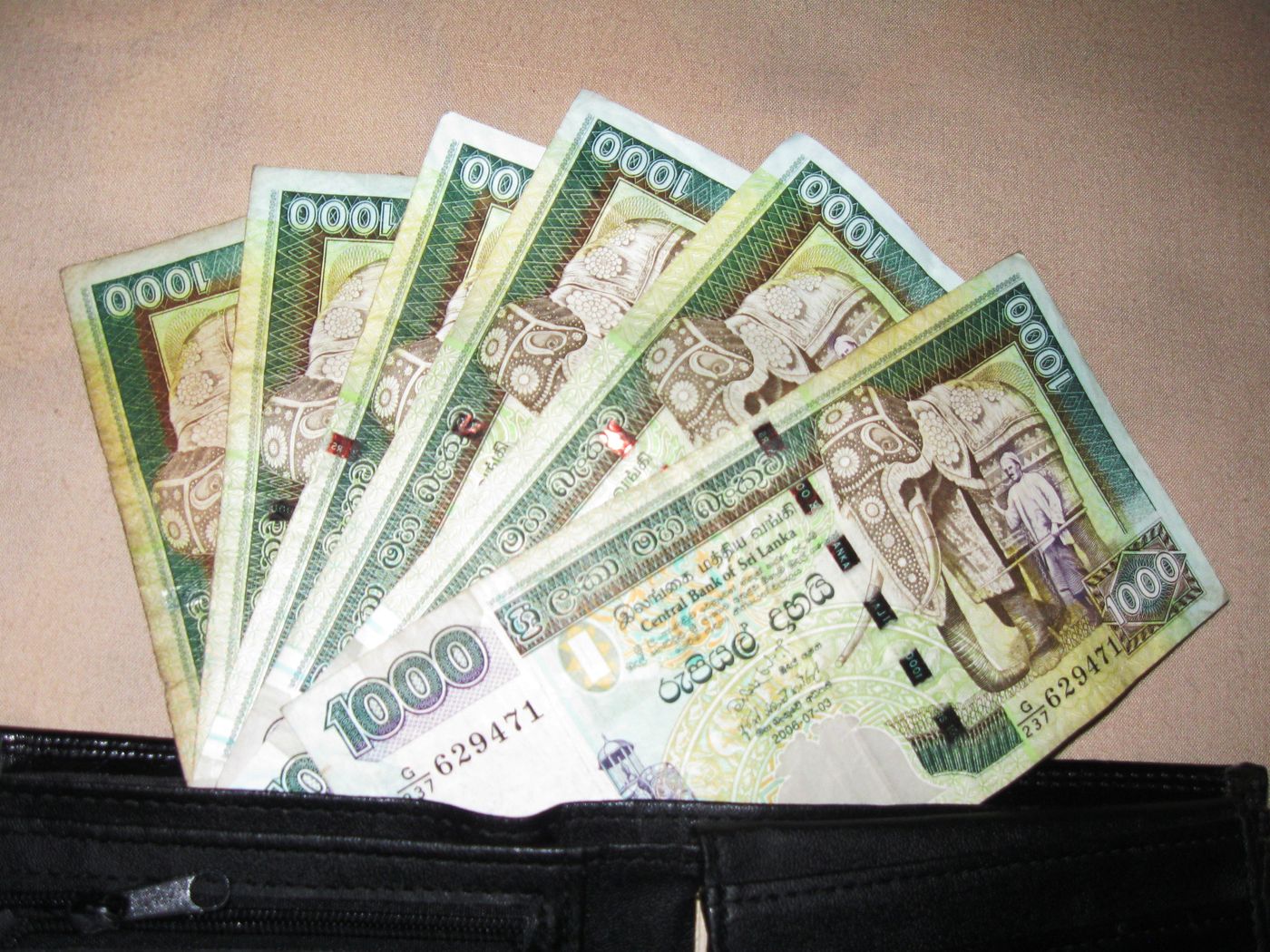
The historical relationship between the Indian and Sri Lankan rupees reflects the broader economic trajectories of the two neighbouring countries. For many years, the Indian rupee maintained a relatively stable and stronger position against the Sri Lankan rupee, with the cross-rate gradually increasing over time. Significant economic events in Sri Lanka, such as periods of political turmoil or balance of payments crises, have led to sharp depreciations of the LKR against most major currencies, including the INR. Conversely, periods of strong economic growth and stability in India have generally supported the INR's value. The cross-rate has experienced notable volatility during times of regional or global financial stress, which often triggers capital outflows from emerging markets.
How Canadians Convert Currency and Associated Costs
Canadians have several options for converting Canadian dollars into Indian or Sri Lankan rupees, each with different cost structures. Traditional Canadian banks and credit unions offer currency exchange services, both for cash and wire transfers. Using a Canadian credit or debit card for purchases or ATM withdrawals in India or Sri Lanka is another common method. Some premium travel cards may waive this fee, but the exchange rate margin still applies. Specialist international money transfer services like Wise, Xe, OFX, and Western Union have become popular alternatives, often advertising use of the real mid-market exchange rate with a lower, transparent fee such as $1.99 for transfers from CAD to LKR.
The total cost is a combination of this fee and any small margin they may add to the rate. Online platforms and apps allow users to lock in rates and track transfers in real time. It is crucial for Canadians to compare the total cost, which is the sum of all fees and the difference from the mid-market rate, not just the advertised fee. The comparison savings are based on a single transfer from one currency to another, and different amounts, currency types, dates, and times will result in different costs.
- Banks & Credit Unions: Apply a 2-5% exchange rate margin plus wire fees.
- Transfer Services (Wise, Xe, etc.): Often use mid-market rate with a low, transparent fee (e.g., $1.99).
- Cash Exchange Kiosks: Offer convenient cash conversion but typically have the widest margins and highest fees.
Comparing Fees and Exchange Rate Margins
To make an informed decision, Canadians should understand how different providers structure their costs. The most important comparison is the total amount of foreign currency received by the recipient after all deductions. A provider offering a 'zero fee' transfer might use a much less favourable exchange rate, making the transfer more expensive overall. The notes indicate that transfer services can offer significant savings compared to traditional banks by using more competitive exchange rates with lower fixed fees. For instance, a provider may charge a flat fee of $1.99 for a CAD to LKR transfer while using a rate very close to the mid-market rate. In contrast, a bank might charge a $30 wire fee and use a rate that is 3% worse than the mid-market rate. The table below illustrates a hypothetical cost comparison for sending $1,000 CAD, though actual rates and fees vary by provider, amount, and timing.
The actual amount received will depend on the live exchange rate at the time of the transfer. Canadians should always use a provider's online calculator or quoter to see the exact final amount before committing to a transfer. You can convert Canadian dollars to Sri Lankan rupees by entering your amount into a currency converter tool. The tool will show an estimated conversion based on the available exchange rate. Before confirming, you should review the exchange rate, transfer fee, and delivery option so you understand the full cost.
Practical Steps for Sending Money from Canada
When a Canadian needs to send money that will ultimately be converted from INR to LKR or directly to LKR, following a clear process ensures efficiency and cost-effectiveness. The first step is to determine the exact amount needed in the final currency and identify the recipient's preferred payout method, such as bank deposit, cash pickup, or mobile wallet. Next, compare several providers by entering the transfer details into their online platforms to receive a real-time quote that shows the exchange rate being applied, all fees, the total cost in CAD, and the estimated delivery time. It is vital to review the total cost and not just the headline fee. Once a provider is selected, the user will need to create an account, verify their identity as required by Canadian regulations, and enter the recipient's details accurately. The payment can typically be made via bank debit, Interac e-Transfer, or credit card, though credit card payments may incur cash advance fees. After sending, the provider will supply a tracking number, like a Money Transfer Control Number (MTCN), to monitor the transfer's progress until the funds are delivered to the recipient.
Frequently asked questions
What is the current exchange rate for Indian rupee to Sri Lankan rupee?
The live exchange rate for INR to LKR fluctuates constantly throughout the trading day. It is a cross-rate derived from each currency's value against major currencies like the US dollar. Canadians can check real-time rates using online currency converters from services like Xe or Wise, which display the mid-market rate. Remember that the rate you actually get from a bank or transfer service will include a margin.
How can I send money from Canada to Sri Lanka or India?
You can send money from Canada using banks or specialized international money transfer services like Western Union or Xe. The process involves setting up an account, specifying the amount and destination, and choosing a payment method. You can send money online, with an app, or in person at an agent location. You can pay online using your bank account, credit or debit card, or cash in-store. You can send money for cash pickup at an agent location near your receiver.
Are online money transfer services cheaper than banks?
Yes, online money transfer services are often significantly cheaper than traditional banks for sending money internationally. Services like Wise and Xe frequently use exchange rates much closer to the mid-market rate and charge lower, more transparent fees. Some advertise flat fees as low as $1.99 for certain currency corridors. It is always best to compare the total amount of foreign currency received from different providers for the same Canadian dollar amount.
Can I lock in an exchange rate for a future transfer?
Many online money transfer services offer a rate alert feature. This allows you to set a target exchange rate, and the service will notify you when the market reaches that rate. You can set up a rate alert on a rate alerts page or within an app. Some providers also allow you to lock in a rate at the time you initiate the transfer. This protects you from market fluctuations during the processing period.
Is it safe to use online platforms for international money transfers?
Reputable online money transfer services use encryption and fraud prevention efforts to help protect your money transfers. They are licensed as money services businesses in Canada and comply with regulatory standards. For added safety, send money only to people you know and trust. You should check receiver details carefully and keep your transfer tracking details private. You can track your transfer online and with an app using a tracking number after it has been sent.
What fees do banks charge for converting CAD to LKR or INR?
Banks and money transfer providers typically charge fees that include an exchange rate margin and a transaction fee. The mid-market rate, which is the midpoint between buy and sell prices on global currency markets, is often used as a reference but is not the rate customers receive. For example, when sending money, providers like Western Union apply an exchange rate margin, and the total fee can vary based on the amount sent, payment method, and destination. Using a credit card for such transfers may also incur additional cash advance fees and interest charges from the card issuer. It is important to review the total cost, including the exchange rate and any transfer fees, before confirming a transaction to understand the full expense.
Sources and further reading
- Sri Lankan rupees to Canadian dollars today wise.com
- CAD to LKR | Convert Canadian Dollar to Sri Lanka Rupee westernunion.com
- 1 LKR to CAD, Sri Lankan Rupees to Canadian Dollars ... xe.com
- Sri Lanka Rupee (LKR) to Canadian Dollar (CAD) remitbee.com
This article explains how things work and is not financial, tax or legal advice. Rules, limits and rates change, so check the current figures with the Canada Revenue Agency, your province or your financial institution before you act.