Converting Hong Kong dollars (HKD) to Chinese yuan (CNY) is a common financial transaction for Canadians engaged in trade, travel, or sending remittances to mainland China. The exchange rate between these two currencies is influenced by economic policies, market demand, and the monetary systems of Hong Kong and China. Canadians have several options for converting money, including banks, credit cards, and specialized transfer services, each with different fee structures that can significantly impact the final amount received. Understanding how the rate is set and the costs involved helps individuals and businesses make informed financial decisions.
The Hong Kong Dollar and Chinese Yuan Currencies
The Hong Kong dollar is the official currency of the Hong Kong Special Administrative Region. It is issued by the Hong Kong Monetary Authority and its currency code is HKD. The Hong Kong dollar is subdivided into 100 cents and its currency symbol is $. The Chinese yuan, also known as the renminbi, is the official currency of the People's Republic of China. It is issued by the People's Bank of China and its currency code is CNY. The yuan is subdivided into 10 jiao or 100 fen. While both currencies are used in Greater China, they operate under distinct monetary systems and regulatory frameworks.
Hong Kong maintains a unique financial system with its own currency, separate from mainland China's. The Hong Kong dollar has a long history and is one of the most traded currencies globally. The Chinese yuan is managed by the People's Bank of China with an emphasis on stability and controlled convertibility. For Canadians, transactions between these currencies often relate to business with Chinese companies, travel to Hong Kong or mainland China, or sending money to family. The Canadian dollar, with currency code CAD and symbol $, is the reference point from which Canadians view these conversions.
How the HKD to CNY Exchange Rate is Determined
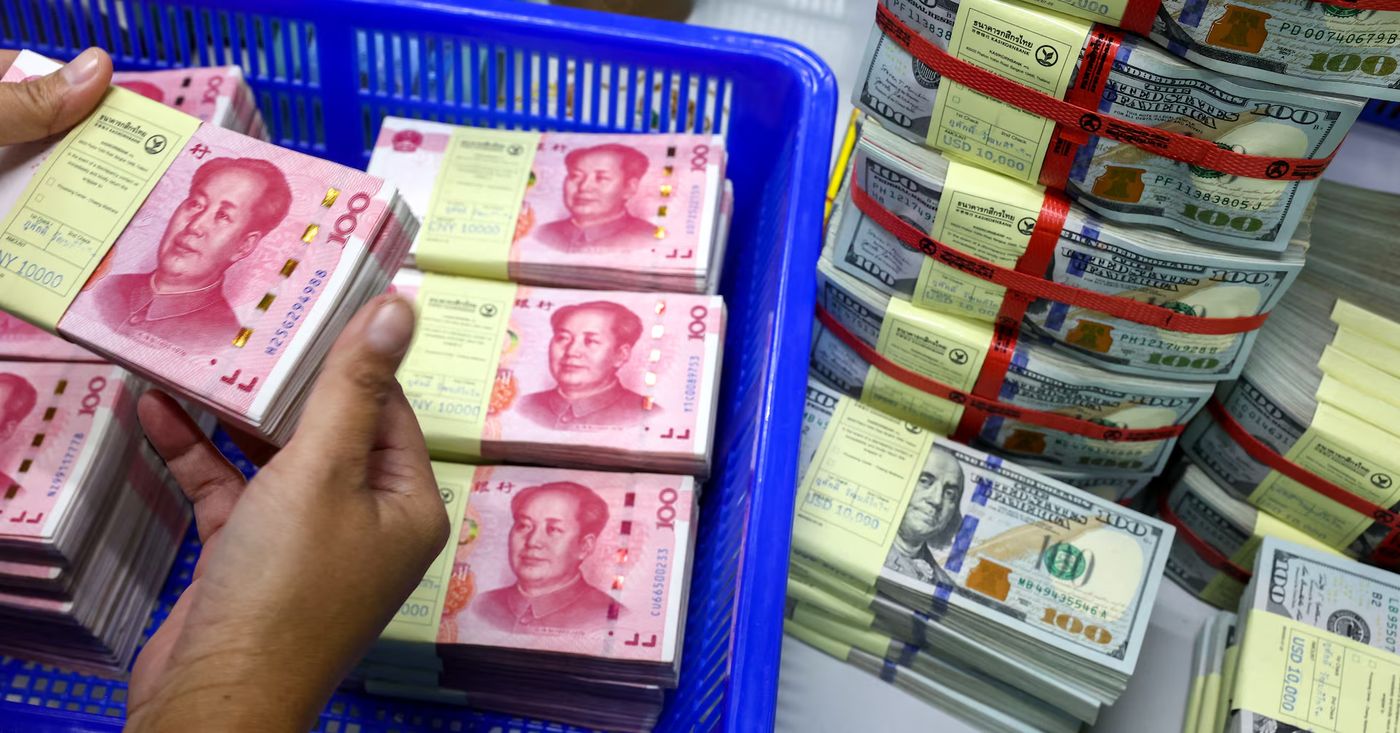
The exchange rate between the Hong Kong dollar and the Chinese yuan is a floating rate determined by the foreign exchange market. It reflects the relative value of one currency against the other based on supply and demand dynamics. The rate Canadians see quoted, such as the mid-market rate, is the midpoint between the global buy and sell prices. This is the benchmark rate used in financial markets, but it is not the rate consumers receive when converting money through banks or other services. Providers apply a markup to this mid-market rate to generate revenue.
Several key factors influence the movement of the HKD to CNY exchange rate. Monetary policy decisions by the Hong Kong Monetary Authority and the People's Bank of China are primary drivers. Economic data releases from both regions, such as trade balances, inflation figures, and growth reports, also cause fluctuations. Market sentiment and global risk appetite can lead to increased volatility, especially during periods of economic uncertainty. The relative strength of the US dollar impacts both currencies, as the Hong Kong dollar is pegged to it while the yuan operates under a managed float. This peg means HKD movements often mirror USD movements against the CNY.
Historical Context and Notable Rate Movements
The historical relationship between the Hong Kong dollar and the Chinese yuan has evolved alongside China's economic reforms and Hong Kong's financial development. The Chinese yuan was historically tightly controlled but has gradually become more market-oriented over recent decades. This shift has led to periods of significant appreciation and depreciation for the yuan against a basket of currencies, including the Hong Kong dollar. Analysing historical data reveals periods of notable highs and lows in the exchange rate.
These movements often correlate with major economic events or policy announcements. For instance, changes in China's foreign exchange reserve requirements or adjustments to the yuan's trading band can cause immediate shifts. Market reactions to Hong Kong's economic performance, such as during periods of political uncertainty, also affect the cross-rate. Long-term trends show the yuan generally strengthening against many currencies during periods of robust Chinese economic growth, though this is not a constant rule. The performance of HKD to CAD over recent months provides a proxy for understanding volatility, with a 90-day high and low showing the range of movement possible in such currency pairs.
How Canadians Convert HKD to CNY
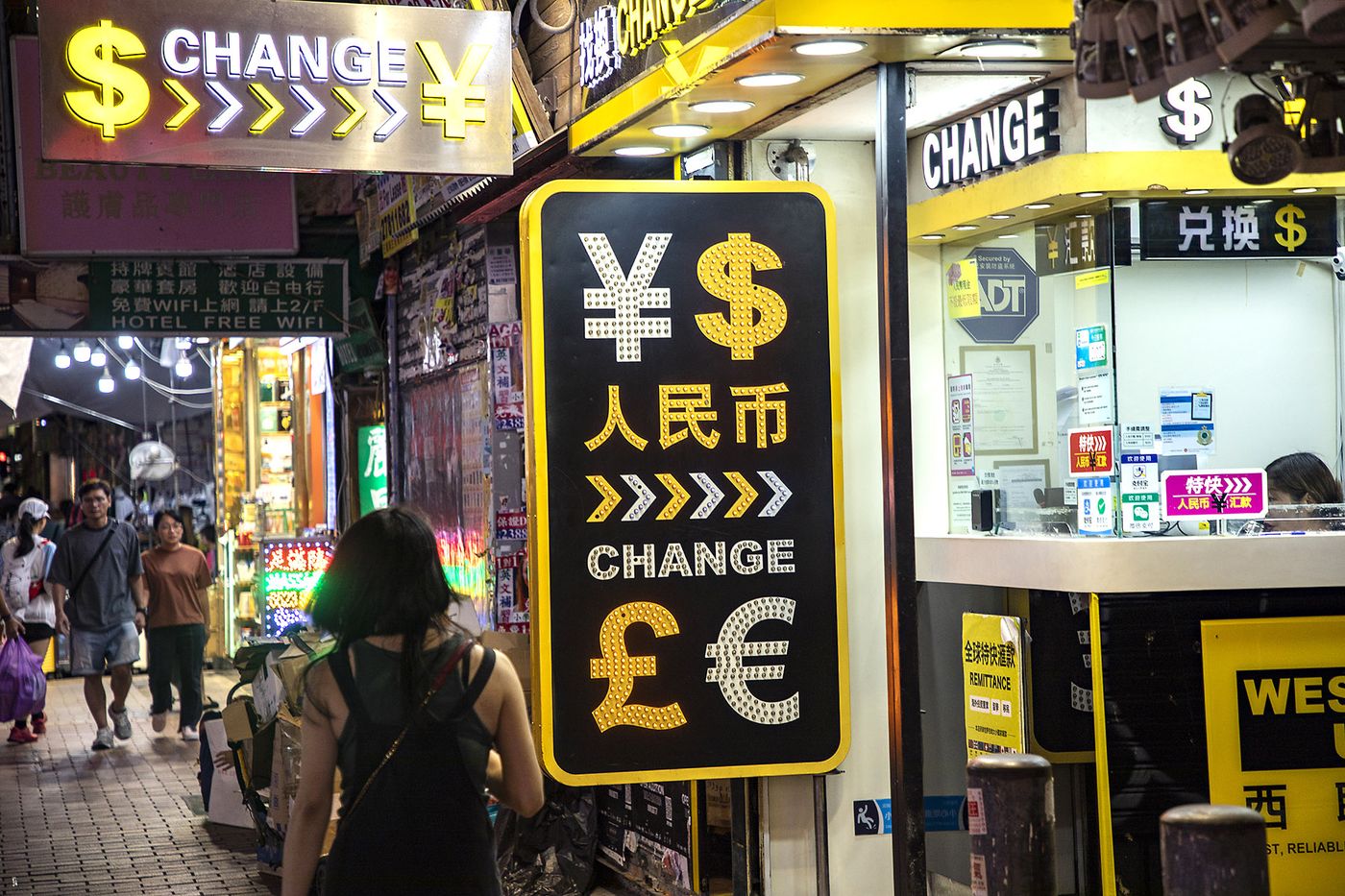
Canadians looking to convert Hong Kong dollars to Chinese yuan have several primary channels available. These include traditional banks, online specialist transfer services, using credit or debit cards abroad, and exchanging cash at physical currency kiosks. Each method offers different trade-offs in terms of exchange rates, fees, convenience, and transfer speed. The choice often depends on the amount being converted, the urgency of the transaction, and the individual's preference for digital or in-person service. Specialist services like MTFX and Wise are designed for personal transfers and international business payments.
The process typically involves specifying the amount in HKD, selecting CNY as the target currency, and agreeing to the offered exchange rate and any associated fees. For larger transfers, such as for business payments or property purchases, individuals often use registered money services businesses that specialize in foreign exchange. These providers typically offer more competitive rates than retail banks. For smaller amounts like travel spending, using a credit card with no foreign transaction fee or withdrawing local currency from an ATM upon arrival may be more practical, though ATM fees still apply. Many providers offer online platforms or apps where you can initiate transfers, track them in real time, and manage multiple currencies from a single account.
- Traditional banks for wire transfers and currency orders.
- Online specialist transfer services like Wise or MTFX.
- Credit and debit cards for point-of-sale purchases or cash withdrawals.
- Physical agent locations for cash pickup services.
- Currency converter tools to check live rates before committing.
- Rate alert functions to notify when a target rate is reached.
Fees and Charges from Banks, Cards, and Transfer Services
Financial institutions and service providers apply various charges when converting currency, which can significantly reduce the amount of yuan received. The total cost is usually a combination of an exchange rate markup and a fixed transaction fee. The exchange rate markup is the difference between the mid-market rate and the rate offered to the customer. This margin is how many providers make their profit on currency conversion. Fixed fees are often charged per transaction, regardless of the amount being sent. Specialist services in 2026 advertise that users can save up to 4 percent compared to bank rates.
Banks typically charge wider spreads on the exchange rate and may add administrative fees for international transfers. Using a Canadian credit or debit card to make purchases or withdraw cash in Hong Kong or China often incurs a foreign transaction fee, usually a percentage of the amount, on top of the bank's exchange rate. Specialist online transfer services frequently advertise savings compared to banks, often by using the mid-market rate and charging a lower, transparent fee. It is crucial for Canadians to compare the total cost, which is the final amount of CNY received after all deductions, not just the advertised exchange rate or upfront fee. Some services show all pricing upfront with no hidden fees or sneaky markups.
| Provider Type | Typical Cost Components | Notes on Speed and Limits |
|---|---|---|
| Major Canadian Banks | Wide exchange rate margin, fixed wire transfer fee, possible receiving bank fee | Transfers can take 3-5 business days, subject to daily online limits. |
| Online Specialist Services | Small margin above mid-market rate, low fixed fee, no receiving fee in some cases | Often 24-48 hours, higher limits suitable for business payments. |
| Physical Currency Exchanges | High markup on cash rates, possible commission fee, convenience premium | Immediate for cash, may have lower maximum amounts. |
When planning a transfer, Canadians should request a full breakdown of all costs before proceeding. Many online services provide a live quote showing the exact exchange rate and all fees, resulting in a guaranteed amount of yuan to be delivered. This transparency allows for accurate comparison between providers. For recurring transfers, some services offer rate alerts and forward contracts to lock in a favourable rate for a future date, which can be useful for budgeting. The comparison savings calculated by providers are based on specific examples, such as a single transfer of GBP 20,000 to USD, and may not be indicative of all transactions.
Regulatory and Practical Considerations for Transfers
Converting currency between HKD and CNY involves the regulatory frameworks of Canada, Hong Kong, and China. In Canada, money transfer services must be registered as money services businesses with the Financial Transactions and Reports Analysis Centre of Canada (FINTRAC). This registration helps combat money laundering and terrorist financing. When sending funds to China, individuals must comply with China's foreign exchange controls, which limit the amount of yuan that can be purchased or transferred for certain purposes. Transfers are handled within a strict regulatory framework to ensure currencies remain secure.
There are practical limits on transaction amounts depending on the conversion method. Banks may have daily or monthly limits for online transfers for security reasons. Credit cards have cash advance and purchase limits set by the issuer. Specialist transfer services often have higher maximum limits suitable for large business payments or property purchases. Canadians should also consider the delivery time, which can range from minutes for some digital wallet transfers to several business days for bank wires. The recipient's location in mainland China and their bank's processing times will also affect when funds become available. Funds can be delayed based on transaction conditions like amount sent, destination country, or identification requirements.
- Providers must be registered with FINTRAC in Canada.
- China has annual limits on foreign currency conversion for individuals.
- Banks and transfer services have per-transaction and daily limits.
- Transfer times vary from same-day to 3-5 business days.
- Recipients in China may need to provide purpose of funds documentation.
- Funds can be received into Chinese bank accounts or picked up as cash at agent locations.
- Additional third-party charges like SMS or account fees may apply for mobile transactions.
- Encryption and fraud prevention efforts are used to protect transfers.
For personal transfers, supplier payments, investments, or recurring obligations, using a flexible process designed to minimize steps is key. Specialist providers support these needs with clear pricing and secure processes. Canadians can send money to over 190 countries in 130 currencies through some platforms. It is possible to start a transfer on an app and pay in-store, or to register online to send and receive money 24/7. Tracking is available online or via mobile apps for most services.
Tools and Strategies for Managing Currency Conversion
Canadians have access to various tools to manage HKD to CNY conversions more effectively. Live currency charts and historical data tools allow users to view exchange rate performance over time, such as the last 30, 90 days, or up to 5 years. These charts use real-time mid-market rates and help assess the timing of a transfer. Setting a rate alert is a common strategy. Users can receive a notification when the exchange rate reaches a desired level, allowing them to act without constantly watching the market. This is particularly useful in volatile conditions.
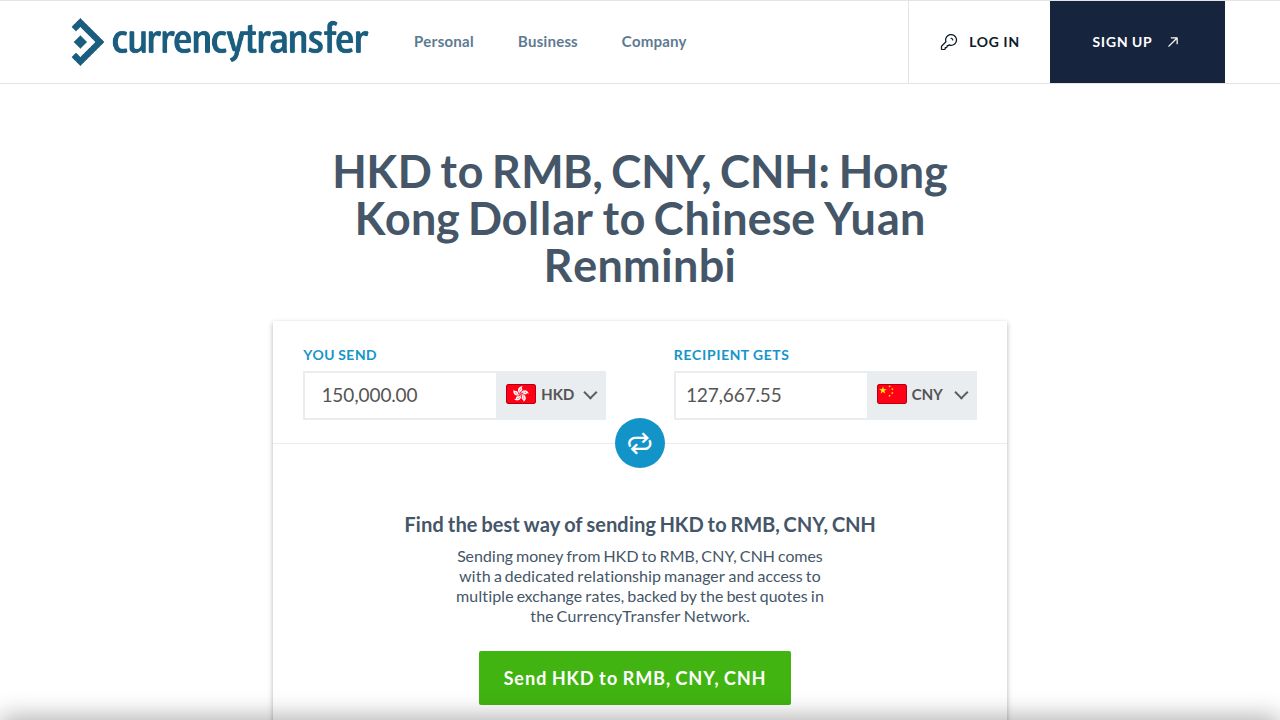
Currency converter calculators are standard on most financial and transfer service websites. Users type the amount they want to convert to see the exchange value instantly based on live rates. These calculators help users assess timing and understand the current exchange value before initiating a formal transfer. Some platforms offer daily market summaries and commentary to help users monitor trends. For businesses or individuals with regular conversion needs, some services provide solutions for cross-border payments and foreign exchange risk management, including the ability to schedule international transfers.
The use of forward contracts allows one to lock in an exchange rate for a future date, providing certainty for budgeting and financial planning. This is distinct from a spot transaction, which is for immediate delivery. Understanding the difference between the mid-market rate for informational purposes and the actual send rate is critical. The send rate includes the provider's margin and is the rate that will be applied to the transaction. Always reviewing the transfer form for any restrictions or special conditions related to the destination country or payment method is a necessary final step before confirming any conversion.
Frequently asked questions
What is the difference between the mid-market rate and the rate I get?
The mid-market rate is the benchmark exchange rate used in global financial markets, calculated as the midpoint between the buy and sell prices. When you convert currency through a bank or service, you receive a retail rate that includes a markup or margin added to the mid-market rate. This margin, along with any fixed fees, is how the provider earns revenue on the transaction, meaning the rate you get is always less favourable than the pure mid-market rate. Specialist services often advertise using the real mid-market rate with no sneaky markups, but they still charge a fee for their service.
Is it cheaper to use a bank or a specialist transfer service?
Specialist transfer services are typically cheaper for converting HKD to CNY. They usually offer exchange rates much closer to the mid-market rate and charge lower, more transparent fees compared to traditional banks. Banks often apply wider spreads on the exchange rate and add fixed wire transfer fees, which can make the total cost significantly higher, especially for larger amounts. In 2026, some specialists claimed savings of up to 4 percent compared to bank rates, though actual savings depend on the transaction details.
Are there limits on how much money I can send to China?
Yes, there are limits imposed by both the service provider and Chinese regulations. Canadian banks and transfer services have their own transaction limits for security and compliance. Additionally, China enforces foreign exchange controls that limit the amount of foreign currency an individual can convert to yuan per year. For larger amounts related to trade or investment, specific documentation and approvals may be required. The transfer amount, destination country, and regulatory issues can all affect availability and may cause delays.
How long does an HKD to CNY transfer usually take?
Transfer times vary by provider and method. Specialist online services often process transfers within 24 to 48 hours, depending on banking cut-off times and verification procedures. Bank wire transfers can take 3 to 5 business days. Some digital wallet or cash pickup services can offer near-instantaneous transfers for cash pickup, but these may have lower limits and different fee structures. The speed also depends on factors like identification requirements and differences in time zones.
Do I pay fees on both ends of the transfer?
You may encounter fees from both the sending and receiving institutions. The Canadian provider will charge their exchange rate margin and any sending fees. The recipient's bank in China might also deduct a fee for receiving an international wire transfer. Some specialist services advertise transfers with no receiving fees, but it is essential to verify this with both the sender and the recipient's bank beforehand. Additional third-party charges may apply for certain mobile wallet transactions.
Can I lock in an exchange rate for a future transfer?
Yes, many specialist currency services and some banks offer forward contracts or rate alerts. A forward contract allows you to lock in a specific exchange rate for a transfer that will occur on a future date, useful for budgeting when you know you will need to send money later. Rate alert tools notify you when the live market rate reaches a level you specify, allowing you to time your transfer opportunistically. These tools are often available on provider websites or within their mobile applications.
Sources and further reading
- Hong Kong dollars to Canadian dollars Exchange Rate. ... wise.com
- 1 HKD to CAD, Convert Hong Kong Dollars to Canadian ... xe.com
- Hong Kong Dollar(HKD) To Canadian Dollar(CAD) hkd.fxexchangerate.com
- HKD to CAD | Convert Hong Kong Dollar to Canadian Dollar westernunion.com
- Convert HKD to CAD, Hong Kong Dollar to Canadian Dollar mtfxgroup.com
This article explains how things work and is not financial, tax or legal advice. Rules, limits and rates change, so check the current figures with the Canada Revenue Agency, your province or your financial institution before you act.