The exchange rate between the British pound (GBP) and the Pakistani rupee (PKR) determines how much money is received when converting sterling into Pakistan's currency. For Canadians sending funds to family, conducting business, or managing investments involving these currencies, understanding this rate is crucial. The GBP/PKR rate is set by global foreign exchange markets and fluctuates based on economic indicators, central bank policies, and geopolitical events. Canadians converting money should be aware of the fees and exchange rate margins applied by banks, credit cards, and international money transfer services, as these can significantly impact the final amount delivered.
The Currencies Involved
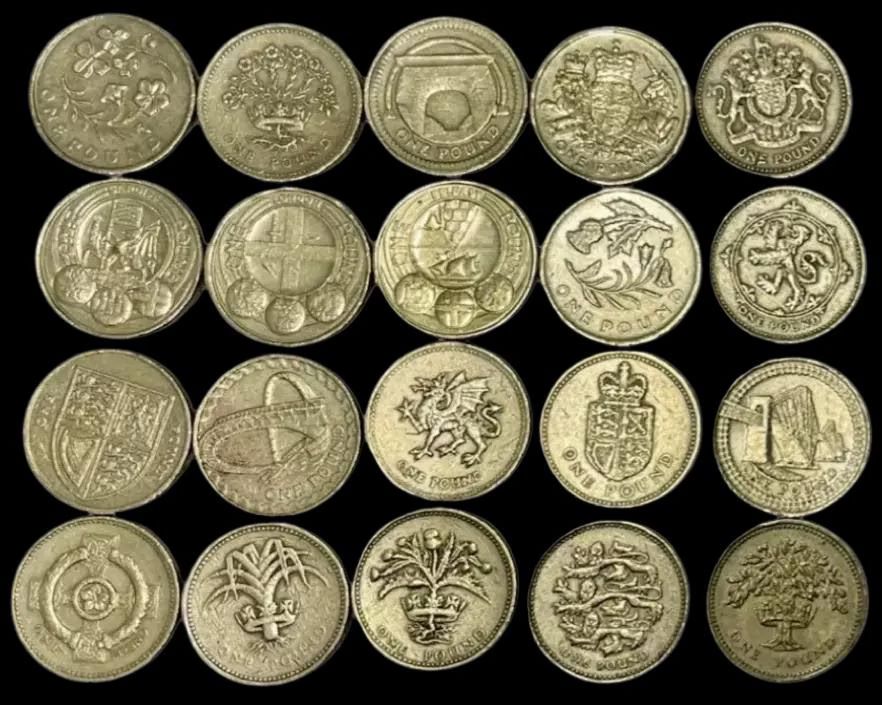
The British pound sterling, denoted by the currency code GBP, is the official currency of the United Kingdom. It is one of the world's oldest currencies still in use and is a major reserve currency globally. The Pakistani rupee, with the code PKR and the symbol ₨, is the official currency of Pakistan. It is subdivided into 100 paisa, though paisa coins are now rarely used due to inflation. For Canadians, interactions with these currencies often occur during international money transfers, particularly to support family or for business purposes in Pakistan. The conversion process involves selling one currency to buy the other at the prevailing exchange rate. The most popular Pakistani Rupee exchange rate internationally is the PKR to USD rate, which often acts as a benchmark. Similarly, the most popular Canadian Dollar exchange rate is the CAD to USD rate, reflecting the importance of the US dollar in global trade and finance.
How the GBP to PKR Exchange Rate is Set
The GBP to PKR exchange rate is primarily determined by the foreign exchange market, a global decentralised marketplace for trading currencies. The most commonly referenced rate is the mid-market rate, which is the midpoint between the buy and sell prices in this wholesale market. This rate fluctuates continuously throughout the trading day as currencies are bought and sold. The rate an individual consumer receives from a bank or money service business is almost always different from this pure mid-market rate. Providers add a margin or spread to the mid-market rate, which is how they generate revenue from currency conversion alongside any stated transfer fees. The mid-market rate is for informational purposes only, and consumers will not receive this rate when sending money through typical channels.
Several fundamental factors drive the supply and demand that move the GBP/PKR rate. Central bank interest rate decisions in the UK and Pakistan are a primary influence. Higher interest rates in one country can attract foreign investment, increasing demand for that currency and potentially strengthening its value. Inflation reports also affect purchasing power and thus currency valuation. Strong economic data, such as reports on employment, growth, and trade, can build market confidence and demand for a currency. Political stability and global events also play a significant role, as investors may shift funds toward currencies perceived as safer during times of uncertainty. Market expectations themselves can move rates, sometimes before official economic data is even released.
Currency conversion is necessary any time money crosses currency borders, such as for travel, online purchases, or sending money internationally. The converted amount is simply the amount being sent multiplied by the current exchange rate. Because rates shift continuously with global market conditions, the timing of a transaction is a key factor in the final outcome. The rate applied is locked in when a transfer is confirmed, and it may differ from an indicative rate shown earlier. This is why many services provide real-time estimates and allow users to set rate alerts to monitor the market for favourable conditions.
Historical Context and Rate Volatility
Exchange rates between major and emerging market currencies like the GBP and PKR have historically experienced significant volatility. The performance of related currency pairs illustrates the kind of short-term volatility common in such markets. For instance, the Canadian dollar to Pakistani rupee rate has seen a 90-day high of 201.5870 and a low of 193.9730 within a three-month period, representing a notable swing. This demonstrates how emerging market currencies can be sensitive to shifts in global risk sentiment and domestic economic news. The average rate over that 90-day period was 198.0513, showing how the midpoint can also shift over time.
The performance of a currency pair over different timeframes shows the constant motion of the forex market. In one observed 30-day period for CAD/PKR, the average rate was 195.3026 with a high of 197.5020 and a low of 193.9730, resulting in a net change. Over a 90-day period, the average was 198.0513 with a high of 201.5870 and a low of 193.9730. These figures underscore that even average rates are moving targets, and the timing of a transaction can materially affect the amount received. For the GBP/PKR pair, similar patterns of fluctuation occur, driven by the economic factors influencing both the British and Pakistani economies. Volatility percentages for CAD/PKR have been recorded at 0.18% over 7 days and 0.24% over both 30 and 90 days, indicating the degree of daily movement.
Tracking historical rates can provide context for current market movements. Some currency converter services offer interactive charts that use real-time mid-market exchange rates and allow users to view historical data for up to the last five years. These tools enable individuals to see how much their money was worth at any point in time and to identify trends. Setting a rate alert can notify a user when the market rate reaches a desired target, helping them act on favourable movements. This is particularly useful for planning larger transfers, where small differences in the rate can translate to significant sums.
How Canadians Convert Currency and Associated Costs
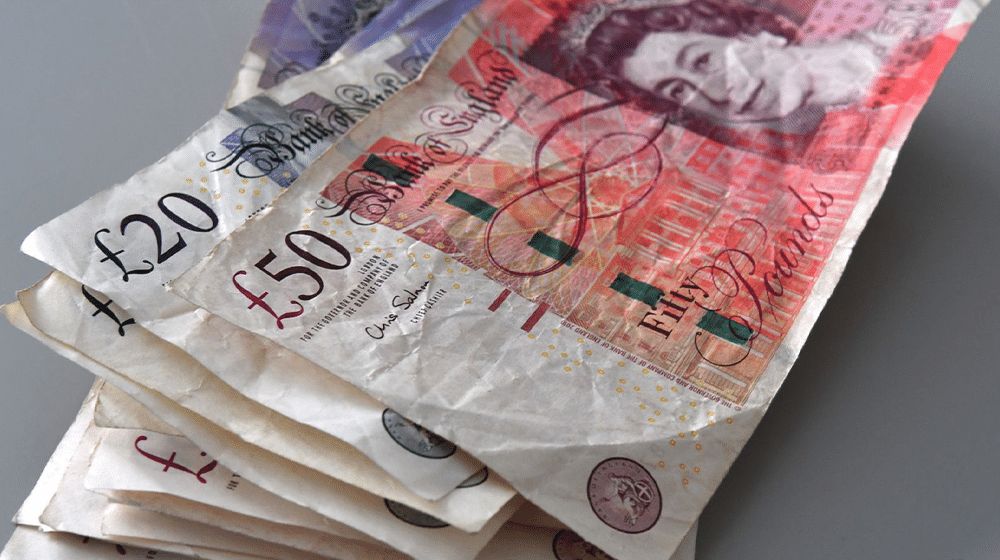
Canadians have several options for converting British pounds to Pakistani rupees, each with different cost structures. The most common methods include using banks, specialist foreign exchange brokers, international money transfer services, and credit or debit cards. It is critical to understand that the advertised exchange rate is only part of the total cost. Providers typically apply a margin to the mid-market rate, and many also charge a separate transfer fee. The final amount the recipient receives in PKR is the original GBP amount multiplied by the provider's applied exchange rate, minus any fees. The exchange rate you see on a general search engine is often the mid-market rate, but a money transfer provider's rate will differ due to the applied margin.
The total cost of conversion can vary dramatically depending on the provider and the transfer method. Payment methods such as using a credit card may incur additional cash advance fees and interest charges from the card issuer, on top of the exchange rate margin. To avoid these fees or for reduced fees, using a debit card or a direct bank account transfer is often recommended. The receive method chosen in Pakistan, such as bank deposit, mobile wallet, cash pickup, or debit card delivery, can also affect the final rate and any additional charges. Providers like Western Union and Xe allow users to see an estimated total cost, including the exchange rate and all fees, before confirming a transaction. This transparency helps Canadians compare options effectively.
Money transfer services move money from Canada to over 200 countries and territories, including Pakistan. To start a transfer, a user enters the CAD or GBP amount to be converted to PKR. The service will show the latest rates and an estimated total. Some providers, like Western Union, also offer rewards programs where users can earn points for transfers, which can be redeemed for discounts on future transfer fees. For example, 500 points might equal up to a 2 CAD discount on a money transfer fee. These programs can provide additional value for frequent senders.
Comparing Fees and Rates Across Service Types
Different types of financial service providers structure their currency conversion pricing in distinct ways. Traditional banks often have higher exchange rate margins and may charge significant transfer fees, especially for smaller amounts. Specialist currency exchange firms and online international money transfer services frequently offer more competitive rates by focusing on narrower margins. Some providers advertise using the real mid-market rate and charge a single, transparent fee instead of building profit into the exchange rate. Comparison savings between a provider like Xe and leading banks can be substantial for large transfers, though savings vary based on the amount, currencies, and timing. A comparison based on a single transfer of GBP 20,000 to USD showed clear savings, but results for other amounts and currency pairs will differ.
The actual cost for a Canadian converting GBP to PKR depends on a combination of factors. These include the transfer amount, the specific provider's pricing model, the chosen payment method, and the selected payout method in Pakistan. For example, a cash pickup might have different associated costs than a direct bank deposit. To illustrate how fees can differ, the following table outlines the general cost components across common provider types. Note that exact figures are variable and subject to change.
| Provider Type | Typical Cost Components |
|---|---|
| Major Banks | Higher exchange rate margin, possible flat transfer fee, possible receiving bank fees. |
| Online Transfer Specialists (e.g., Wise, Xe) | Often use mid-market rate with a percentage-based fee, fees shown upfront. |
| Money Service Businesses (e.g., Western Union) | Exchange rate margin plus a transfer fee that can vary by amount and destination. |
Consumers are advised to review the full breakdown of costs, including the exchange rate to be applied and any transfer fees, before initiating any transaction. Many services provide a real-time estimate online or via their app, allowing for easy comparison. Setting a rate alert can also help individuals time their transfer to take advantage of more favourable market conditions. Western Union notes that its fees can vary depending on the amount sent, payment method, destination country, payout option, and the exchange rate at the time of transfer. Therefore, checking the live estimate for each specific transaction is the only way to know the exact cost.
Steps for Sending Money from Canada to Pakistan
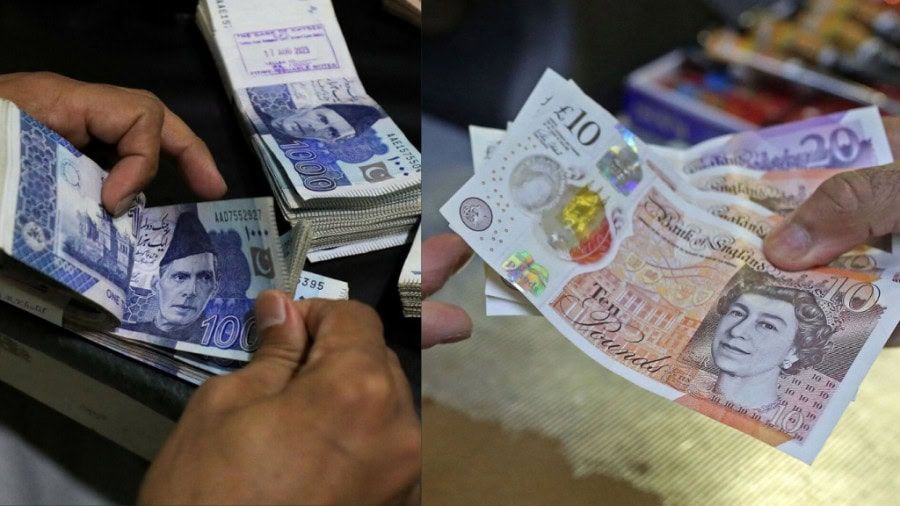
When a Canadian needs to send British pounds to someone in Pakistan, the process typically involves a few clear steps. First, the sender must choose a provider and determine the total amount in GBP they wish to send. They will then use the provider's online tool, mobile app, or visit an agent location to initiate the transfer. The provider will calculate and display the applicable exchange rate, any transfer fees, and the estimated final amount the recipient will get in Pakistani rupees. It is at this point the sender can review the full cost before committing. Some providers allow you to send money quickly or start a transfer and pay in-store at an agent location.
The next steps involve providing recipient details and completing the payment. The sender must input the receiver's information, which usually includes their full name and location in Pakistan. The sender then selects a payout method for the recipient, such as bank deposit, cash pickup, mobile wallet, or debit card. After choosing how to fund the transfer, such as via a Canadian bank account, debit card, or credit card, the sender reviews all details and confirms the transaction. Upon confirmation, the provider locks in the exchange rate and provides a tracking number, like a Money Transfer Control Number (MTCN), which can be used to monitor the transfer's progress. The funds are then converted and delivered according to the chosen method.
Tracking the transfer is an important final step. Using the provided tracking number, both the sender and recipient can monitor the status online or through the provider's mobile app. For cash pickups, the recipient typically needs to present the MTCN and valid identification at an agent location in Pakistan. For bank deposits or mobile wallet transfers, the funds are credited directly. The entire process, from initiation to receipt, can range from minutes for cash pickups to one or two business days for bank transfers, depending on the service used and the timing of the transaction.
Security and Best Practices for Transfers
Security is a paramount concern when sending money internationally. Reputable money transfer providers employ encryption and fraud prevention measures to help protect transactions. Canadians should ensure they are using a licensed and regulated service for their transfers. It is also a critical personal safety practice to only send money to people you know and trust. Always double-check the receiver's details carefully before confirming the payment, as errors can be difficult and slow to rectify. Providers often have fraud prevention efforts in place and encourage users to learn how to be fraud smart.
After sending a transfer, keep the transaction receipt and any tracking number private. Be alert to potential scams where fraudsters may request money transfers under false pretences. Providers like Western Union offer tracking services so senders and receivers can monitor the transfer's status in real time. Following these best practices helps ensure that funds reach the intended recipient safely and securely. Sending money only to known individuals, checking receiver details, keeping the MTCN private, and staying alert for scam warning signs are all recommended safety measures.
Many services are designed to be user friendly. It is easy to sign up and start using money transfer services either online or through mobile apps. These platforms allow users to keep their currencies in one place and convert them in seconds, making international financial management more convenient. The goal of these services is to help make your money go further, no matter the distance, by providing transparent costs and efficient delivery. Choosing a provider that shows all pricing upfront and gives reliable delivery estimates contributes to a secure and predictable transfer experience.
Frequently asked questions
What is the difference between the mid-market rate and the rate I get?
The mid-market rate is the benchmark rate used in global currency markets, representing the midpoint between buy and sell orders. The rate you receive from a bank, card network, or transfer service is almost always different. These providers add a margin or spread to the mid-market rate, which is a primary way they make money on currency conversion. Your final rate may also be affected by transfer fees, payment methods, and payout options. The mid-market rate is for informational purposes, and you will not receive this rate when sending money through consumer channels.
How can I check the live GBP to PKR exchange rate?
Many financial websites and currency converter tools display live mid-market exchange rates. However, for an accurate estimate of what you will actually receive, you should use the live quote tool provided by your chosen money transfer service. These tools show the specific rate they will apply to your transaction, along with any fees, before you commit. Some services also allow you to set up rate alerts to notify you when the market rate reaches a desired level. This can be done on a provider's rate alerts page or within their mobile application.
What affects the GBP to PKR exchange rate?
The exchange rate is influenced by supply and demand in the foreign exchange market. Key factors include the interest rate decisions of the Bank of England and the State Bank of Pakistan, as higher rates can attract investment. Inflation data, economic reports on growth and employment, and political stability in both countries also drive currency values. Global events and market sentiment can cause short-term volatility as investors move funds between currencies. Even market expectations can move rates before official data is released.
Are there hidden fees when converting pounds to rupees?
Fees can be embedded in the exchange rate margin or charged separately. Some providers advertise no transfer fees but apply a wider margin on the exchange rate. Others use the mid-market rate and charge a transparent, upfront fee. It is essential to review the full cost breakdown, which includes both the exchange rate applied and any additional fees, before confirming a transfer. Payment methods like credit cards may also incur separate cash advance fees and interest charges from the card issuer, which are not always shown by the transfer service.
How long does a money transfer from Canada to Pakistan take?
Transfer times can vary depending on the provider, the payout method, and the time of day the transaction is initiated. Some electronic transfers to bank accounts can be completed within one business day, while cash pickup options may be available in minutes. The provider should give an estimated delivery time when you get a quote for your transfer. Factors like banking hours, weekends, and public holidays in both countries can also affect the speed. You can easily track your transfer online or with an app using the provided tracking number.
Can I cancel a transfer after it's been sent?
Cancellation policies depend on the provider and the stage of the transfer. If the transaction has not yet been processed or the funds have not been picked up by the recipient, cancellation may be possible, often for a fee. Once the money has been collected, cancellation is generally not an option. It is important to review the provider's specific terms and conditions regarding cancellations and refunds before sending money. Always ensure all recipient details are correct at the time of sending to avoid complications.
Sources and further reading
- Canadian dollars to Pakistani rupees Exchange Rate. ... wise.com
- CAD to PKR | Convert Canadian Dollar to Pakistan Rupee westernunion.com
- 1 CAD to PKR, Canadian Dollars to Pakistani Rupees ... xe.com
- GBP to PKR Exchange Rate & Converter moneygram.com
This article explains how things work and is not financial, tax or legal advice. Rules, limits and rates change, so check the current figures with the Canada Revenue Agency, your province or your financial institution before you act.