Converting British pounds sterling (GBP) to Canadian dollars (CAD) is a common financial transaction for Canadians. The exchange rate between these two currencies fluctuates constantly. For example, the current mid-market exchange rate is approximately 1 GBP to 1.88 CAD. Understanding the rate's historical context and the costs involved in conversion helps Canadians make informed decisions.
Understanding the GBP and CAD Currencies
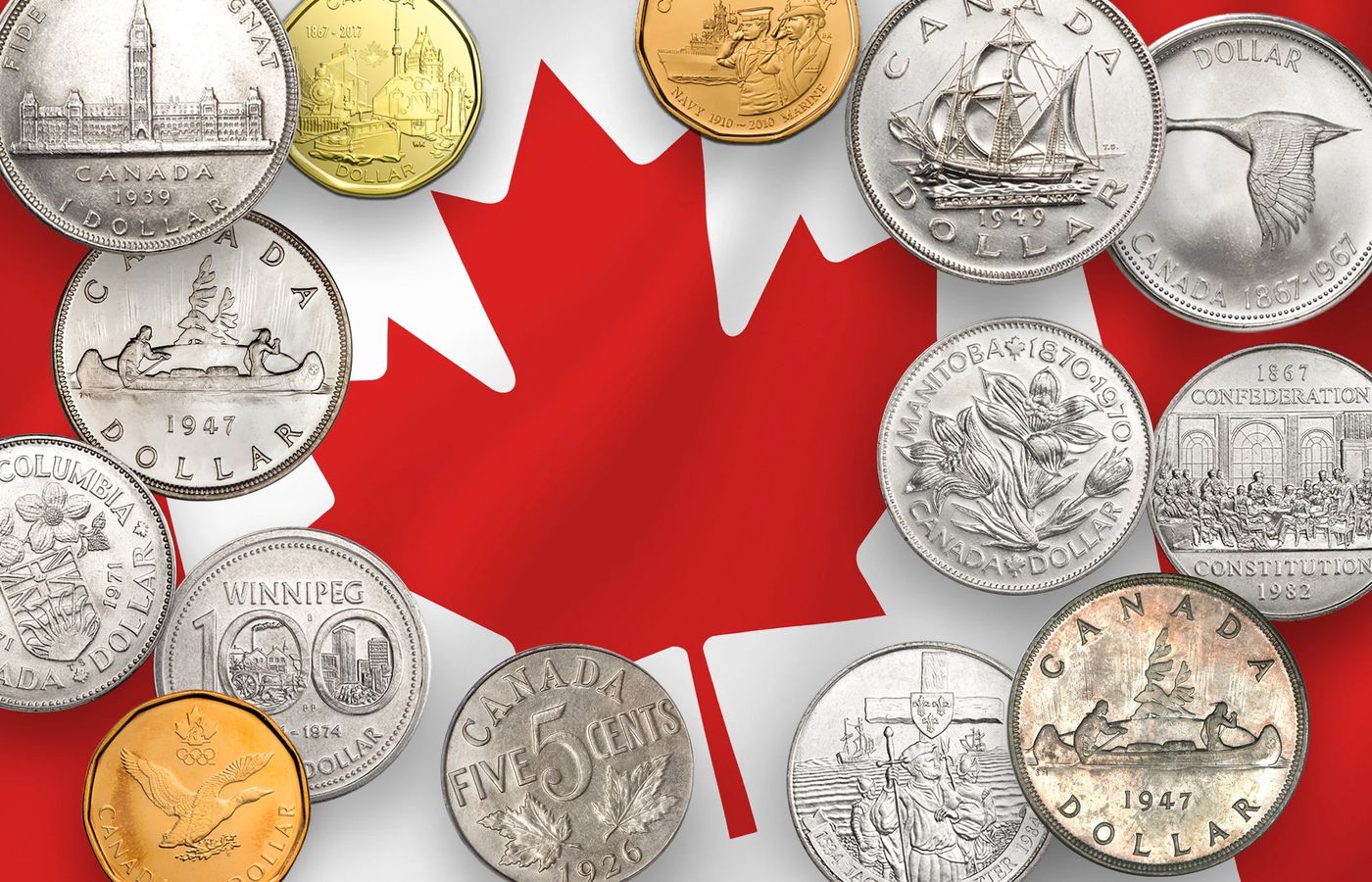
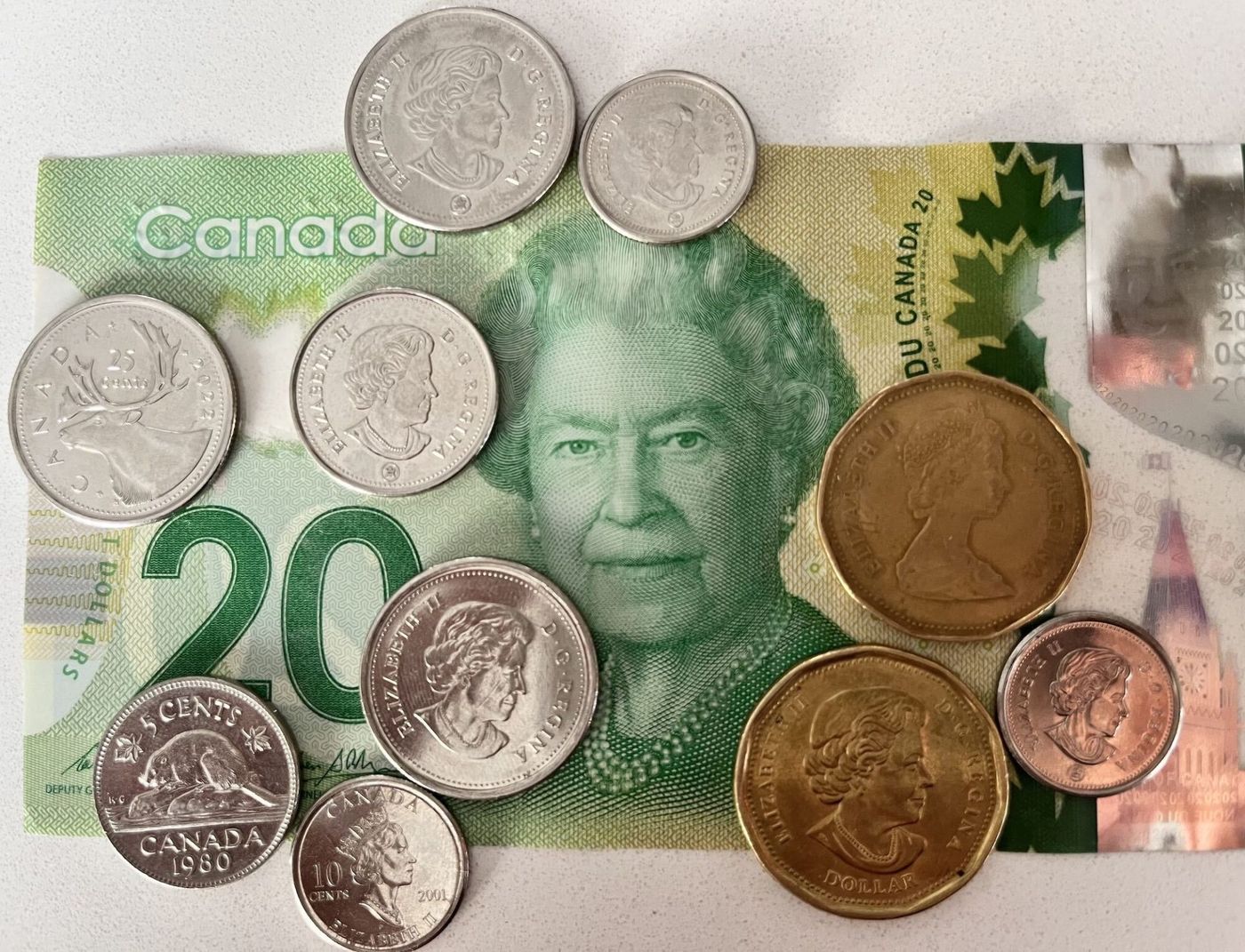
The British pound sterling, often simply called the pound, is one of the world's oldest and most traded currencies. Its currency code is GBP and it uses the symbol £. The Canadian dollar, code CAD and symbol $, is the official currency of Canada and is also known colloquially as the loonie. Canada is the only country that officially uses the Canadian dollar. An interesting unofficial use of the Canadian dollar occurs in the French collectivity of Saint Pierre and Miquelon, located near Newfoundland and Labrador. While the official currency there is the euro, Canadian dollars are commonly accepted. Furthermore, in some American towns near the Canadian border, it is sometimes possible to use Canadian dollars and receive change in US dollars, though often not at a favourable exchange rate.
How the GBP to CAD Exchange Rate is Determined
The exchange rate between the British pound and the Canadian dollar is a floating rate, meaning its value is set by the foreign exchange market based on supply and demand. The rate you see quoted on financial platforms is typically the mid-market rate, which is the midpoint between the buy and sell prices in the global interbank market. This is the pure exchange rate without any fees or margins added. Individual consumers and businesses do not transact at this rate. Instead, banks and currency exchange services apply their own margin or spread on top of the mid-market rate, which is how they make a profit. The rate is influenced by a multitude of factors including relative interest rates set by the Bank of England and the Bank of Canada, economic data releases from both nations, geopolitical events, and broader market sentiment towards risk.
Historical Performance and Notable Trends
The GBP/CAD exchange rate has experienced significant volatility over long periods, reflecting the economic cycles of both the United Kingdom and Canada. Historical charts covering more than 20 years of data are available from various financial services, showing the rate broken down by daily, monthly, and yearly periods. More recent short-term volatility can be observed, for instance, over a recent 90-day period, the GBP/CAD rate moved between a high of 1.8919 and a low of 1.8656, with an average of 1.8794. In a 30-day window, the range was between 1.8885 and 1.8672, with an average of 1.8812. This illustrates the constant, though sometimes small, fluctuations that occur even over brief periods, driven by daily market news and economic indicators. Over a recent seven-day period, the rate moved between 1.8775 and 1.8864, with an average of 1.8832 and a volatility of 0.16 percent.
Methods for Converting Pounds to Canadian Dollars
Canadians have several options when they need to convert British pounds into Canadian dollars, each with different associated costs and conveniences. The most common methods include using traditional banks, specialist currency exchange services, prepaid travel cards, and international money transfer providers. The process typically involves comparing the offered exchange rate and any disclosed fees to understand the total cost. Many providers offer online ordering with options for branch pickup or home delivery, and for larger amounts, such as for property purchases or investments, specialized international transfer services often provide more competitive rates than standard retail bank offerings. It is crucial for individuals to review all pricing upfront before committing to a transaction, and some services allow you to get a live quote showing the real-time exchange rate, estimated delivery times, and all fees before you start your transfer.
Detailed Fee Structures and Comparison
When converting currency, the total cost is comprised of the exchange rate margin and any explicit fees. Banks and traditional exchange services typically offer rates that are less favourable than the mid-market rate, building their profit into this spread, and they may also charge fixed transaction fees or commission. Online international money transfer specialists often advertise using the real mid-market rate and charging a separate, transparent fee, which can be cheaper for larger transfers, and they emphasize having no hidden fees. Prepaid travel money cards allow users to load funds in Canadian dollars, but may have load fees, inactivity fees, or less competitive rates when topping up. To secure a better rate, consumers are often advised to compare options, avoid airport kiosks which have high margins, and consider locking in a rate when it is favourable if they are planning a future transaction.
Key cost components to look for include the exchange rate margin and any transfer fees. It is important to compare the total cost from different providers. Some services advertise using the mid-market rate with no hidden fees. Checking the full price upfront before a transfer is essential.
- The exchange rate margin or spread applied to the mid-market rate.
- Fixed transaction or transfer fees.
- Commission percentages on the amount converted.
- Delivery fees for home delivery of physical cash.
- Any ongoing account maintenance or card fees for prepaid products.
Providers emphasize that comparison savings calculated for one example transfer may not be indicative of all situations. Costs vary by amount, timing, and service type. For example, a comparison for a single transfer of 20,000 GBP to CAD on a specific date showed savings when using a non-bank provider. These results are for guidance only as different amounts and times yield different savings.
Using Travel Money Cards and Services
For travellers, a popular alternative to carrying cash is a prepaid travel money card. These cards, such as those offered by some postal services, can be loaded with Canadian dollars and other currencies before a trip, and they are accepted anywhere the relevant payment network, like Mastercard, is accepted. Users can often manage their card through a mobile app, topping up funds or switching between currencies with ease, and a key advantage is the potential security over cash, as cards can be blocked if lost or stolen. However, it is important to check the associated fees for loading, transactions, and currency conversion on the card itself, as these can differ from the provider's cash exchange rates. Some services also offer a buy-back guarantee for unused foreign cash notes and refunds if a trip is cancelled within 28 days of purchase, and the Travel Money Card is an electronic money product issued by licensed financial services firms, making it crucial to review the specific terms and conditions of the issuer.
Online Ordering and Collection Options
Many currency exchange providers offer convenient online services for purchasing Canadian dollars. Customers can order their currency online, often securing a better rate than walking into a branch, especially if they order by a specific cutoff time like 3 pm for next-working-day collection. The ordered cash can then be picked up from a participating branch network, which for some services includes thousands of locations, or alternatively, many providers offer secure home delivery, bringing the physical currency directly to the customer's door. A significant benefit of online ordering is the ability to lock in an exchange rate at the time of purchase, which can protect against adverse market movements before a trip, and providers note that branch rates will typically differ from online rates, and delivery options and fees can vary based on the order value and currency. Furthermore, buying larger quantities of currency at one time can sometimes result in an even better exchange rate from the provider.
Tools for Tracking and Converting Currency
Several online tools are available to help Canadians monitor and execute currency conversions. Live currency converters show the current mid-market rate and allow users to input any amount to see the equivalent value, and interactive charts track the GBP/CAD rate over time, with some services offering historical data for up to five years or more. A highly useful feature offered by many platforms is the rate alert, where users can set a target exchange rate and receive a notification via email or app when the market reaches that level, allowing them to time their transfer advantageously. These tools provide transparency and help individuals make informed decisions without needing to constantly watch the financial markets, and some platforms also provide daily analysis and forecasts from investment banks, alongside live rate charts, to give users broader market context for their currency decisions. You can also save your favourite currencies within these apps to easily check how the exchange rate changes over time.
Practical Tips for Canadian Consumers
When planning to convert pounds to Canadian dollars, a few practical steps can lead to better outcomes. First, monitor the exchange rate using the tools mentioned and consider setting an alert for a target rate that fits your budget. Second, compare the total cost from multiple providers, including banks, online transfer specialists, and currency exchange kiosks, remembering to account for both the rate and all fees. Third, for travel cash, order online in advance for pickup or delivery to access better rates and avoid last-minute airport exchanges. Fourth, for larger transfers, investigate specialized international money transfer services that often provide bank-beating rates and clear fee structures. Finally, if you frequently travel or send money, consider the benefits of a multi-currency account or prepaid card that allows you to hold and convert funds with greater flexibility and potentially lower costs per transaction.
Frequently asked questions
What is the mid-market exchange rate?
The mid-market rate is the midpoint between the global buy and sell prices for a currency pair in the interbank market. It is the pure exchange rate with no fees or margins added. Financial institutions and currency services use this benchmark but then apply their own spread to create the rate they offer to consumers. When comparing services, it is useful to know how close their offered rate is to this mid-market benchmark.
Where can I get the best GBP to CAD exchange rate?
The best rate often depends on the amount and method. For cash, ordering online from a currency exchange specialist for branch pickup or home delivery frequently provides better rates than walking into a bank or airport kiosk. For larger transfers, online international money transfer services typically offer more competitive rates and lower fees than traditional banks. It is recommended to compare the total cost from multiple providers, as the best advertised rate might come with other hidden charges.
Can I use Canadian dollars in the United States?
In some American towns located near the Canadian border, businesses may unofficially accept Canadian dollars. However, this practice is not universal and the exchange rate applied will likely not be favourable. You will often receive your change in US dollars. For travel to the United States, it is generally advisable to convert your money to US dollars beforehand to avoid poor exchange rates and potential confusion.
What is a travel money card and how does it work?
A travel money card is a prepaid card that you load with a specific currency, like Canadian dollars, before your trip. You can then use it to make purchases or withdraw cash from ATMs abroad, similar to a debit card. It can hold multiple currencies, allowing you to switch between them. The card provides security over cash, but it is essential to understand any associated load fees, transaction fees, and the exchange rates used when topping up or converting between currencies on the card.
How can I track the GBP to CAD exchange rate?
You can track the live GBP to CAD rate using online currency converters. Many sites offer interactive charts showing historical data for up to 20 years or more. You can set a rate alert to receive a notification when a specific target rate is reached. This helps you monitor currency shifts and decide when to convert your money.
Are there fees when converting pounds to Canadian dollars?
Yes, there are almost always fees involved, though they may be presented differently. Banks and exchange services typically build their profit into a less favourable exchange rate, known as a margin or spread. Some providers charge a separate fixed transaction fee or a commission percentage on the amount. Online transfer services often show the mid-market rate plus a clear, upfront fee. Always ask for the total amount in Canadian dollars you will receive after all costs to accurately compare offers.
Sources and further reading
- 1 GBP to CAD, Convert British Pounds to Canadian Dollars xe.com
- British pounds sterling to Canadian dollars today wise.com
- Pounds GBP to Canadian dollars CAD exchange rate postoffice.co.uk
- Convert Pounds to Canadian Dollars | GBP to CAD currency.me.uk
This article explains how things work and is not financial, tax or legal advice. Rules, limits and rates change, so check the current figures with the Canada Revenue Agency, your province or your financial institution before you act.