Foreign exchange rates determine the value of the Canadian dollar relative to other currencies, a fundamental concept for travel, international business, and personal finance. The rate is set by the global foreign exchange market, with the Bank of Canada publishing indicative averages for reference. Canadians convert money through banks, specialized foreign exchange centres, and electronic transfers, each method carrying different fees and exchange rates. Understanding how these rates work and the costs involved is essential for managing money across borders effectively.
How Foreign Exchange Rates Are Set
The value of the Canadian dollar on world markets is determined by the global foreign exchange market, where currencies are traded around the clock. The Bank of Canada does not set this rate but instead publishes indicative exchange rates for information purposes. These published rates are averages of aggregated price quotes obtained from financial institutions. For each foreign currency, the Bank provides daily, monthly, and annual average exchange rates against the Canadian dollar. The Canadian Effective Exchange Rate index, or CEER, is a weighted average of the Canadian dollar's value against the currencies of Canada’s major trading partners. This index replaced the older Canadian-Dollar Effective Exchange Rate index in January 2018. The Bank of Canada very rarely intervenes in foreign exchange markets to support the Canadian dollar's value. The rates published on the Bank's website apply to non-cash transactions up to $9,999 and are updated if and when the Bank intervenes, though such intervention is an exceptional event.
Retail vs. Wholesale Exchange Rates
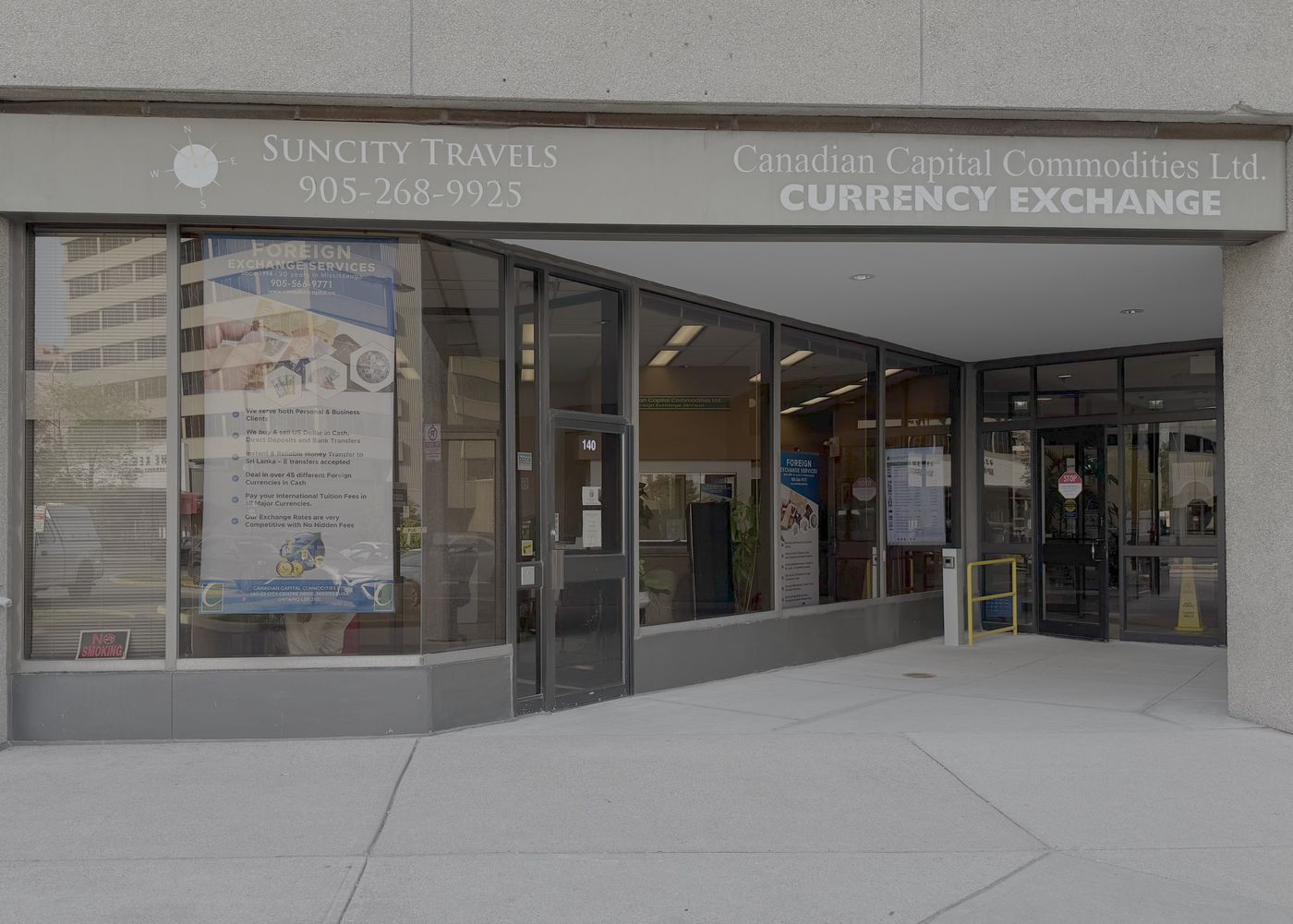
The exchange rates quoted in financial media are typically interbank or wholesale rates, used for large transactions between banks and financial institutions. These wholesale rates often apply to minimum amounts in the millions of dollars, such as US$5,000,000. When individual clients complete a currency transaction, they receive a retail exchange rate. This retail rate includes a spread added to the interbank rate to account for market movement and the processing costs of smaller transactions. Financial institutions differentiate further between cash and non-cash retail rates. Non-cash rates apply to paper instruments like cheques and drafts, as well as electronic transactions such as incoming and outgoing wire payments. Cash transactions involve physical currency and thus incur costs for storage, handling, and shipping. As a result, the exchange rate applied to cash purchases or sales is typically less favourable than the rate for non-cash instruments. The spread added to the interbank rate for retail clients accounts for the time and cost of accumulating smaller client amounts before they can be traded on the wholesale market.
Methods for Converting Currency in Canada
Canadians have several options for converting their money, each with different processes and typical timelines. Major banks like TD, RBC, and Scotiabank offer foreign exchange services both online and in branch. Customers can often place orders for foreign currency cash online through banking apps or websites for pickup at a preferred branch, a process that usually takes three to seven business days. Some banks operate dedicated foreign exchange centres that hold over 50 foreign currencies and precious metals on hand for immediate purchase. For converting money in bank accounts, such as transferring Canadian dollars to US dollars between cross-border accounts, services can be instant. Electronic funds transfers to send money abroad are another common method. It is often more beneficial to convert Canadian dollars to a destination's local currency before leaving Canada, as banks, kiosks, and hotels in other countries may charge commissions or offer less favourable rates.
Canadian financial institutions offer a variety of foreign exchange services. These services include converting over 30 foreign currencies using online currency converters. They also provide options to exchange foreign currency cash, transfer funds internationally, and send money abroad. Many banks allow customers to order foreign currency online for branch pickup within a few business days. Additional services include holding foreign currency deposits and accessing live exchange rate data and historical averages.
- Online currency converters for over 30 foreign currencies.
- Ordering foreign cash for branch pickup within 3-7 business days.
- Instant, cross-border transfers between linked Canadian and US bank accounts.
- Foreign exchange deposit services to hold funds in a chosen currency.
- Access to competitive rates at specialized foreign exchange retailers like ICE Canada.
- Using debit or credit cards abroad for purchases or ATM withdrawals, though different rates and fees apply.
- Placing cash orders by phone, such as by calling TD at 1-866-222-3456.
- Scanning QR codes with a smartphone to place an order for foreign currency cash.
For cash transactions, most services are available only to clients of the respective bank. Limits often apply to transactions, such as a $25,000 maximum for instant online cross-border transfers between specific RBC accounts. US dollars, Euros, and Pounds Sterling are often available for immediate exchange at most TD branches, while other currencies require an order. Commercial and corporate customers have access to distinct platforms like ScotiaFX for live quotes and trade execution, which are separate from retail banking services.
Fees, Limits, and Rate Guarantees
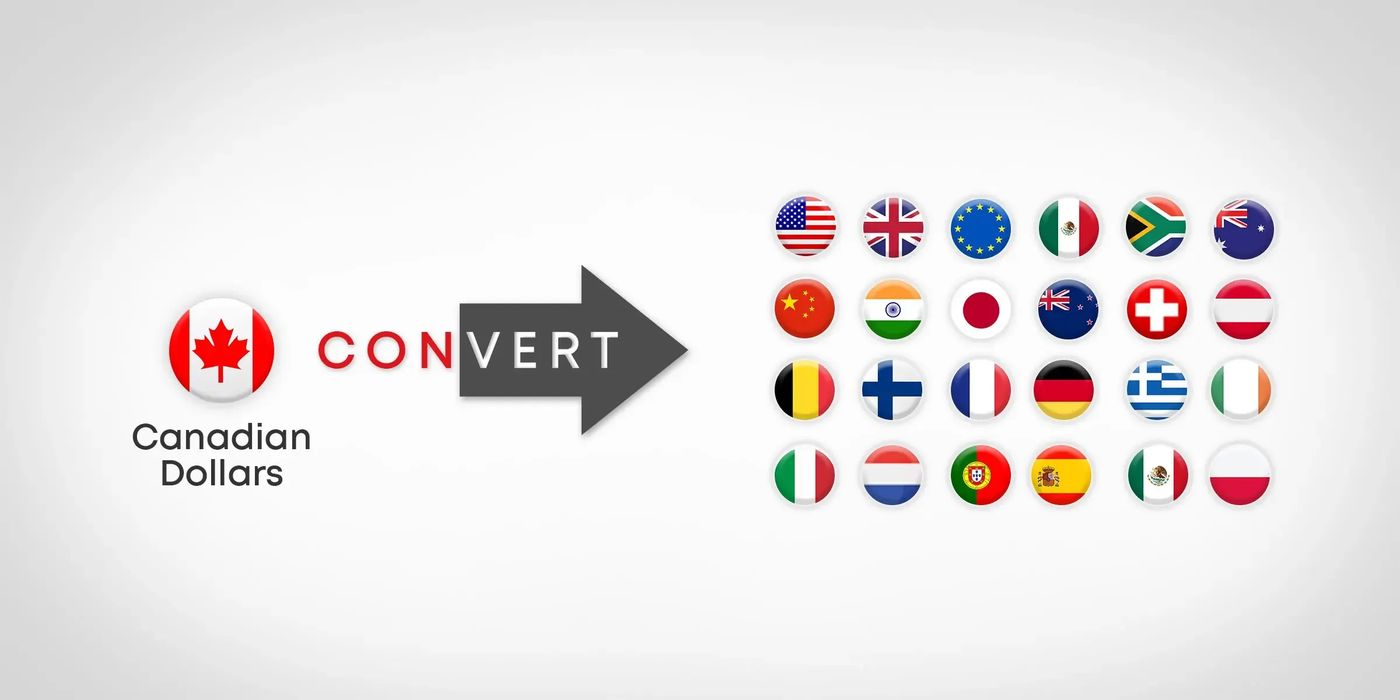
When converting currency, the final amount received is affected by the exchange rate spread and any applicable fees. Banks typically do not charge a separate commission fee for standard currency exchange. Instead, the cost is built into the exchange rate spread between the buy and sell price. However, specific services may have associated costs. For example, cross-border transfers between RBC Royal Bank and RBC Bank accounts are instant and free for clients with an RBC Bank account. Transaction limits are common and vary by institution and service type. Published exchange rates from the Bank of Canada apply to non-cash transactions up to $9,999 for information purposes. For larger transactions, clients must contact their bank directly for a quote. A key point for consumers is that exchange rates are not guaranteed until the moment a transaction is completed. Although up-to-the-minute rates may be obtained by contacting a branch, rates can only be guaranteed at the time the purchase or sale is conducted, as markets fluctuate throughout the day. For transfers exceeding standard limits, such as the $25,000 online limit for RBC, calling the bank can accommodate single transfers up to and including $100,000.
Specific limits and guarantees vary by provider and transaction type. For retail clients, non-cash transactions like wire transfers often apply to amounts up to $9,999, though this limit can differ. Cross-border transfers between linked accounts at some banks may be limited to $25,000 per transaction. Banks state that exchange rates and dollar limits are for information purposes only and can change at any time. Rates for cash transactions are less favorable than non-cash rates due to additional costs like shipping and handling.
| Provider/Service Type | Key Limit or Guarantee Detail |
|---|---|
| Bank of Canada Published Rates | Indicative for non-cash transactions up to $9,999 |
| RBC Online Cross-Border Transfer | $25,000 (CAD or USD) per transaction limit |
| RBC Phone-Assisted Large Transfer | Up to $100,000 per single transfer |
| TD Branch Immediate Currency | USD, EUR, GBP typically available on hand |
| General Rate Guarantee | Rates only guaranteed at time of transaction completion |
| Scotiabank Rate Quote | Rates can only be guaranteed at time of purchase or sale |
Commercial and corporate customers have access to specialized foreign exchange services distinct from retail offerings. Platforms like ScotiaFX provide these clients with live foreign currency exchange quotes and the ability to execute trades. These services also allow corporate customers to browse their transaction history. All quoted rates and any associated dollar limits are provided for information purposes only. Furthermore, these rates and limits are subject to change at any time without prior notice.
Historical Exchange Rate Data and Indexes
Tracking the historical performance of the Canadian dollar is important for understanding long-term trends. The Bank of Canada and other financial data providers maintain extensive historical exchange rate records. The Bank publishes yearly average exchange rates, offering a view of over 20 years of historical data for various currencies. Monthly average rates are typically published on the last business day of each month by 16:30 ET. Daily average exchange rates are published once each business day by 16:30 ET. Annual average rates are published on the last business day of the year by 12:30 ET. Historical data calculated under older methodologies, such as the legacy noon and closing rates, were last updated in April 2017 and are no longer maintained. Similarly, data for the discontinued Canadian-Dollar Effective Exchange Rate index was last updated in January 2018. This historical data allows individuals and businesses to analyze currency trends and volatility over time. The Bank also provides feeds for the latest exchange rate data and downloadable datasets for legacy and CERI information, though these are static after their final update dates.
Using Cards, ATMs, and Cross-Border Banking
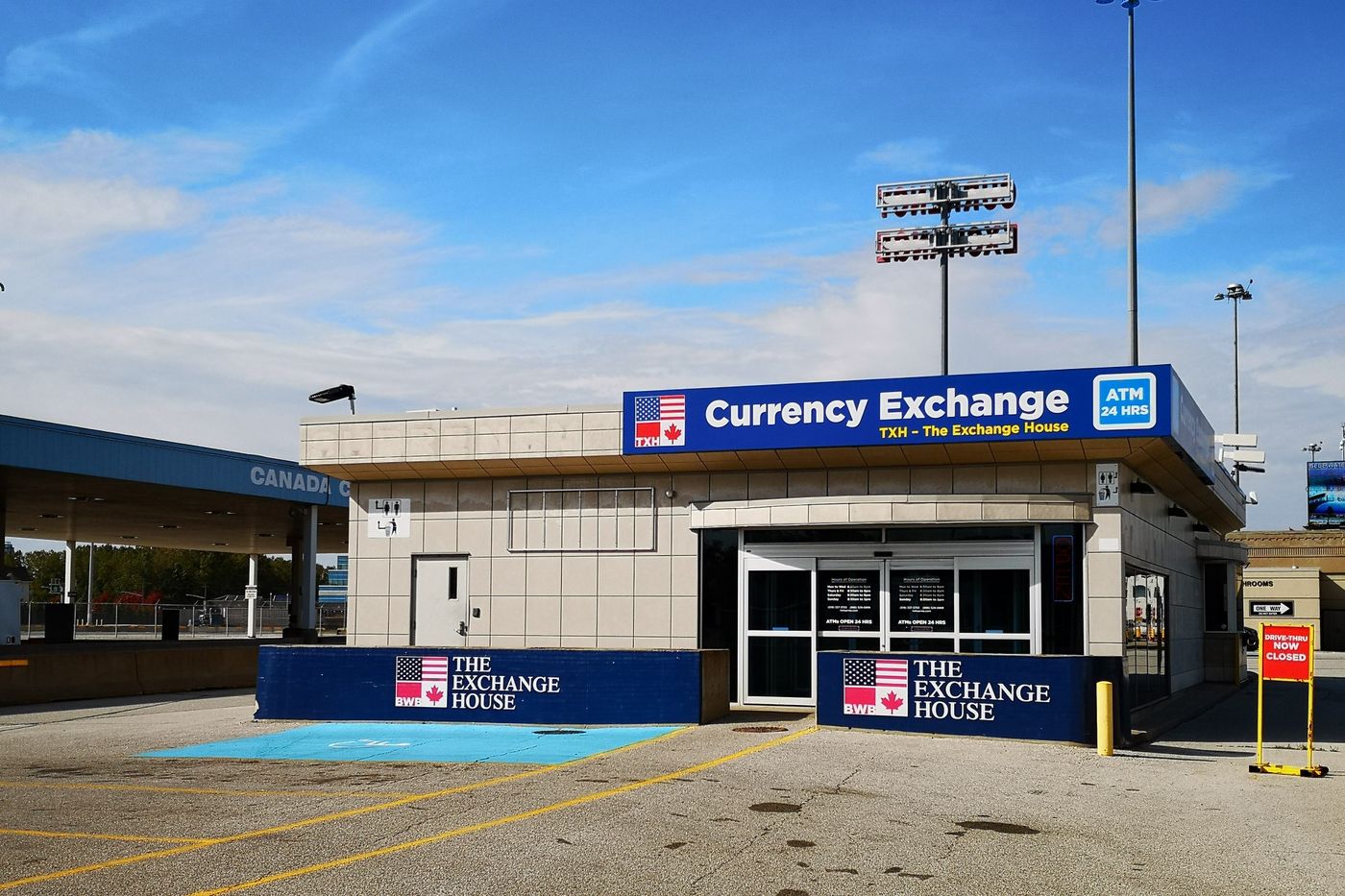
When Canadians use their debit or credit cards outside of Canada, different exchange rate mechanisms apply. For these transactions, the bank does not set the exchange rate used at the point of sale or ATM. Instead, the rate is typically determined by the card network, such as Visa or Mastercard, and includes a spread. Consumers should review the agreements governing their cards to understand the specific fees and rates applied to foreign transactions. Some banks offer networks of no-fee ATMs abroad, such as access to over 50,000 Allpoint and PNC ATMs in the United States. Other methods to access cash in foreign countries include requesting cash back during a debit card purchase at a retailer or obtaining a cash advance from a financial institution using a Visa Debit card, which can allow withdrawals up to $5,000 depending on the institution. These methods provide convenience but may involve different costs compared to converting cash before travel.
Cross-border banking services offer specific advantages for currency conversion. For instance, with RBC Bank Online Banking and the mobile app, clients can exchange and move between Canadian and US dollars instantly and for free between their linked accounts 24/7. To open a US account with RBC Bank, one does not need to be a US resident or have a US address or Social Security Number. They simply need to be 18 or older and live in Canada or the US. Having a US checking or savings account allows individuals to hold US dollars until exchange rates are favourable, providing a strategy to mitigate conversion costs. Some accounts, like RBC's Premium Checking, offer a preferred exchange rate for currency conversions. Furthermore, there is no limit to the number of transfers one can make between checking and savings accounts in a cross-border setup, allowing for frequent conversions based on market movements.
Ordering and Receiving Foreign Cash
The process for obtaining physical foreign currency involves several channels with defined timelines. The most common method is to order online through a bank's digital platform, such as EasyWeb or a TD app, for pickup at a preferred branch within three to seven business days. Upon returning from a trip, unspent foreign currency cash can be exchanged at any branch of the same bank. For immediate needs, dedicated TD Foreign Exchange Centres have over 50 foreign currencies and precious metals available on hand. Orders can also be placed by phone, as with TD's dedicated line. US dollars, Euros, and Pounds Sterling are available for immediate exchange at most TD branches, while other currencies require an advance order. RBC notes that foreign exchange cash transactions are available to RBC clients only, a common policy across major banks. The exchange rates applied to these cash transactions include shipping and handling charges, making them less favourable than non-cash rates. When ordering, one can choose from four ways to get the foreign currency cash needed: online, in branch, at a foreign exchange centre, or by phone.
Frequently asked questions
What is the difference between the cash and non-cash exchange rate?
Financial institutions apply different retail exchange rates for cash versus non-cash transactions. The non-cash rate is used for paper instruments like cheques and drafts, as well as electronic wire transfers and deposits. This rate is more favourable because these instruments do not require physical storage or movement. The cash rate, used for physical currency, is less favourable as it includes costs for shipping, handling, and storage.
How can I get the best exchange rate when traveling?
It is often more beneficial to convert your Canadian dollars to the local currency of your destination before leaving Canada. Many service providers abroad charge commissions or offer less favourable rates. Using your bank's online ordering for branch pickup or visiting a dedicated foreign exchange centre in Canada can provide competitive rates. Additionally, some bank accounts, like premium checking accounts, may offer preferred exchange rates to clients. Holding foreign currency in a dedicated account until rates are favourable is another strategy.
Are the exchange rates on the Bank of Canada website the rates I get at my bank?
No. The Bank of Canada publishes indicative average rates for information purposes, based on aggregates from financial institutions. These are not the rates offered to retail customers. The rate you receive from your bank will be a retail rate, which includes a spread added to the wholesale interbank rate to cover processing costs and market risks. The Bank's rates are specifically for non-cash transactions up to $9,999.
Is there a limit to how much currency I can exchange?
Yes, limits apply and vary by institution and transaction type. Published indicative rates often reference non-cash transactions up to $9,999. For larger amounts, you must contact your bank for a quote. Specific services have their own limits. For instance, instant online cross-border transfers between certain RBC accounts are limited to $25,000 per transaction, though higher amounts up to $100,000 may be arranged by phone. There is no limit to the number of transfers between checking and savings accounts in a cross-border setup.
Can I instantly transfer money between my Canadian and US bank accounts?
Yes, instant cross border transfers are available through specific banking services. For example, RBC clients can transfer Canadian dollars to US dollars and vice versa instantly and free of charge between their linked RBC Royal Bank and RBC Bank accounts via online banking. These transfers are immediate, with the debit or credit appearing in the account right after confirmation. There is a typical transaction limit of $25,000 when signed into online banking. For larger transfers, clients can call to arrange single transfers up to $100,000. This service allows clients to move money when conversion rates are favorable.
What happens when I deposit a foreign currency cheque into my Canadian account?
The bank converts the foreign funds into Canadian dollars using its applicable retail exchange rate at the time the deposit is posted to the account. This process applies to non cash transactions, such as cheques and drafts, which receive a more favorable rate than cash transactions. The rate used is the bank's rate in effect when the deposit is posted, not necessarily when it is received. This conversion occurs automatically for incoming instruments like wire transfers or cheques when the account currency differs. The exchange rate fluctuates throughout the day.
Sources and further reading
- Exchange rates bankofcanada.ca
- Foreign Currency Exchange Rates scotiabank.com
- Currency Converter & Live Exchange Rates td.com
- Foreign Exchange Currency Converter, RBC Royal Bank apps.royalbank.com
- USD ⇔ CAD Currency Converter, RBC Bank rbcbank.com
This article explains how things work and is not financial, tax or legal advice. Rules, limits and rates change, so check the current figures with the Canada Revenue Agency, your province or your financial institution before you act.