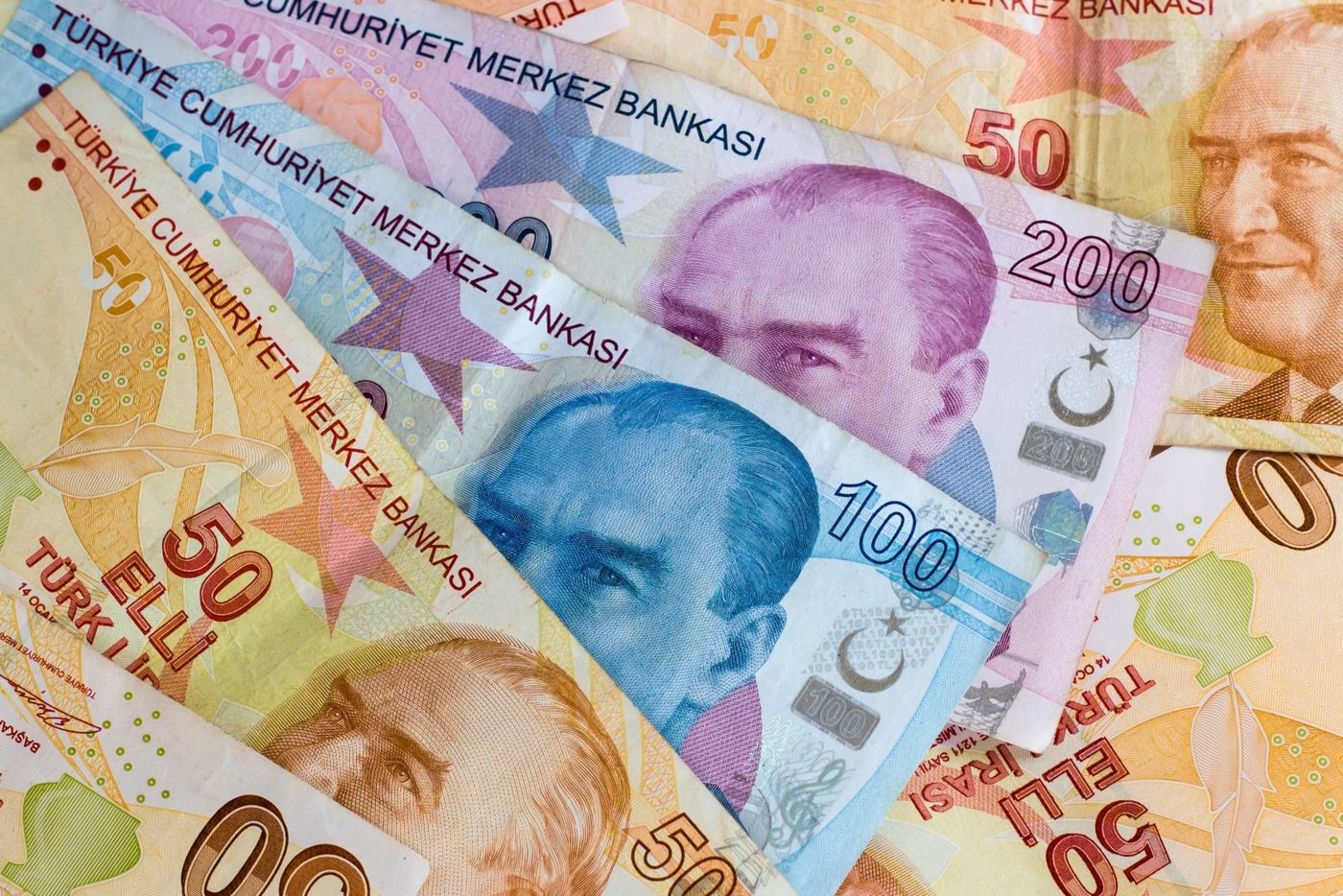
Converting euros to Turkish lira involves exchanging the common currency of the Eurozone for the official currency of Turkey. The exchange rate between these two currencies is determined by global foreign exchange markets and is influenced by factors such as monetary policy, inflation, and geopolitical events. For Canadians planning travel, business, or remittances to Turkey, understanding this conversion is essential for budgeting and managing international transactions. Canadian residents have several options for converting their euros to lira, each with different costs and processes.
Understanding the Euro and Turkish Lira
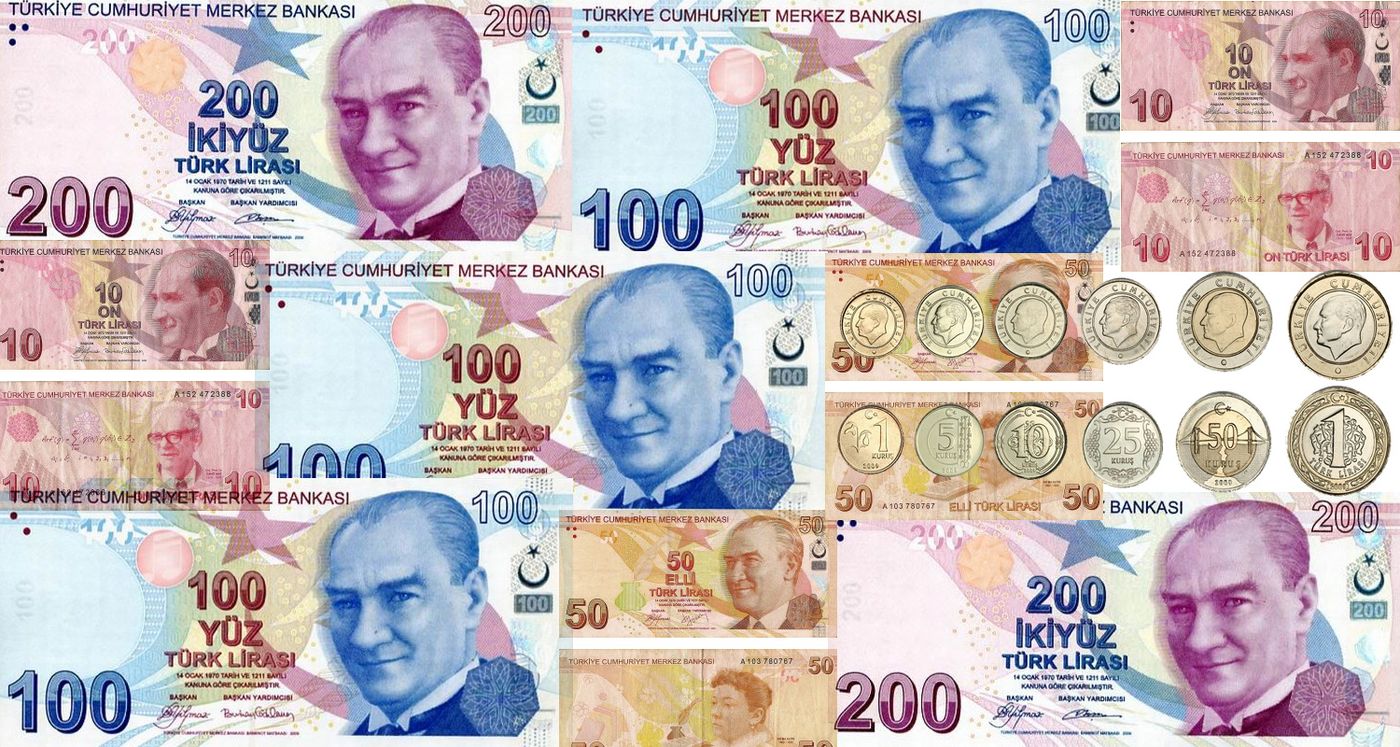
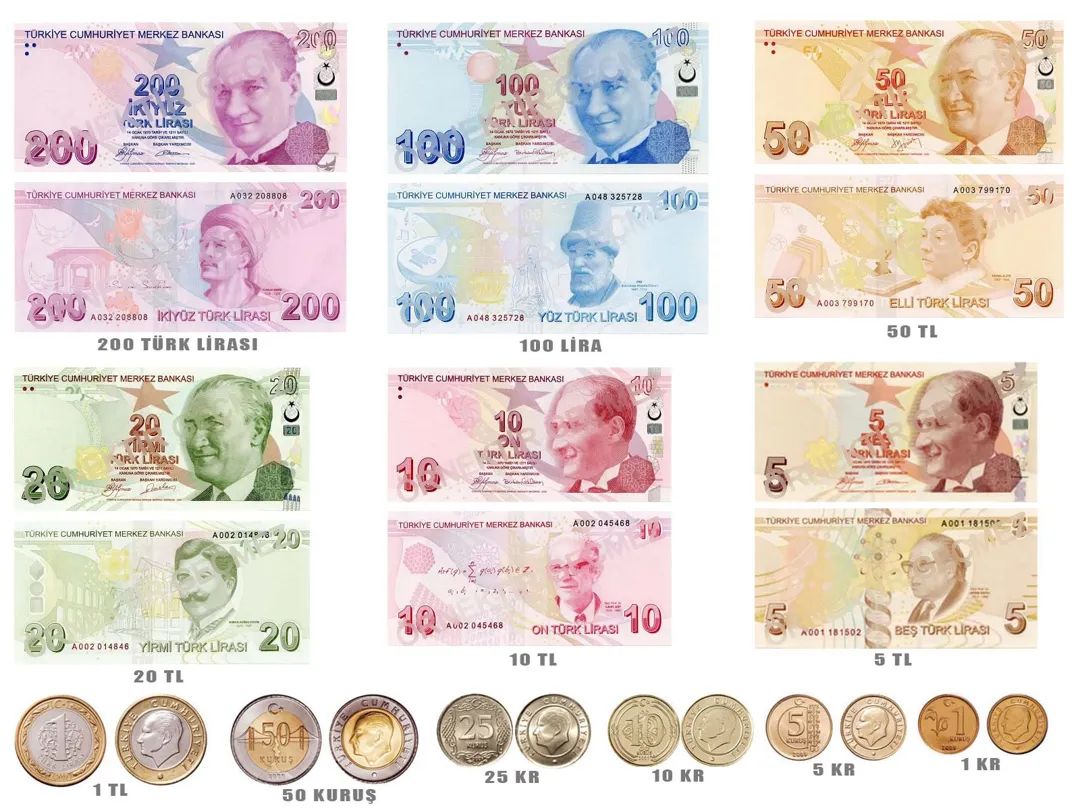
The euro is the official currency of 20 member states of the European Union, collectively known as the Eurozone. It is one of the world's most traded currencies and is managed by the European Central Bank. The Turkish lira is the official currency of Turkey and the Turkish Republic of Northern Cyprus. The euro is symbolized by € and uses the currency code EUR, while the Turkish lira is symbolized by ₺ and uses the code TRY. The exchange rate between them dictates how many lira one euro can purchase at any given moment.
How the EUR to TRY Exchange Rate Is Set
The euro to Turkish lira exchange rate is a floating rate determined by the global foreign exchange market. The primary rate quoted is the mid-market rate, which is the midpoint between the buy and sell prices in the wholesale interbank market. This rate is a pure reflection of supply and demand for the two currencies. Retail exchange rates offered to consumers and businesses, such as those from banks or transfer services, are based on this mid-market rate but include a margin or markup. The rate Canadians see when converting money is almost always a retail rate, which is less favourable than the wholesale mid-market rate.
Several key factors drive changes in the EUR/TRY exchange rate. Monetary policy decisions from the European Central Bank and the Central Bank of the Republic of Turkey have a significant impact. Interest rate changes, quantitative easing, and forward guidance can cause substantial currency movements. Inflation rates are another critical driver, with persistently high inflation in Turkey historically exerting downward pressure on the lira's value. Political stability, economic growth data, and Turkey's current account balance also influence investor sentiment and capital flows. Geopolitical events and global risk appetite can cause volatility, as the lira is often considered an emerging market currency.
Historical Context and Notable Rate Movements
The history of the EUR/TRY exchange rate is marked by significant volatility, largely driven by Turkey's economic cycles and monetary challenges. This reflects periods of high inflation and depreciation of the Turkish currency. Historical data for the pair is available for viewing on various financial platforms, with some allowing users to track rates over the last five years. These charts show the lira's value against the euro fluctuating in response to domestic and international events.
Analysing specific timeframes reveals the pair's volatility. Over a recent 90-day period, the EUR/TRY rate moved between a low of 53.8035 and a high of 56.4187. The 90-day average was 55.4821 with 0.26 percent volatility. In a 30-day window, the range was between 55.0668 and 56.0139, with an average of 55.5152. Over a 7-day period, the rate moved between 55.0668 and 55.7191. These fluctuations underscore the dynamic nature of the currency pair. The data confirms that the rate is subject to continuous change, making timing a consideration for anyone converting large sums.
Methods for Canadians to Convert Euros to Lira
Canadian residents have multiple avenues to exchange euros for Turkish lira. The method chosen will affect the final amount received due to differences in exchange rates and fees. The most common options include using Canadian banks, specialized foreign exchange centres, online money transfer services, and using credit or debit cards while in Turkey. Each service operates with its own business model, which dictates the costs applied to the currency conversion.
Major Canadian banks offer foreign currency exchange services. For example, TD Bank allows customers to order over 50 foreign currencies, including Turkish lira. Orders can be placed online for branch pickup within three to seven business days, by phone, or in person at TD Foreign Exchange Centres where some currencies are available on hand. Banks set a retail exchange rate for these transactions, which includes a margin above the mid-market rate. When funds are deposited into a Canadian account in a foreign currency, such as from an incoming wire transfer, the bank converts them at its applicable retail rate at the time of posting. It is important to note that using a Canadian debit or credit card abroad for ATM withdrawals or purchases involves a different process where the bank does not set the exchange rate directly, and different fees apply.
- Order currency online for branch pickup (3-7 business days).
- Purchase US dollars, euros, and pounds sterling at most branches.
- Visit dedicated Foreign Exchange Centres for on-hand currency.
- Order by phone for later branch pickup.
Online international money transfer services like Wise and Western Union provide alternative conversion channels. These platforms often promote transparency, claiming to use the real mid-market exchange rate and charging a separate, disclosed fee. They allow users to send money abroad which is then paid out in the local currency, effectively performing a conversion. Western Union enables sending money from Canada to Turkey for cash pickup at agent locations or bank deposit, converting CAD to TRY in the process. For those holding euros, they would first need to convert to Canadian dollars or use a service that supports direct EUR to TRY transfers.
Fees and Costs in Currency Conversion
The total cost of converting euros to Turkish lira is not solely the exchange rate. Providers typically add a margin to the mid-market rate and may also charge explicit transaction fees. These costs vary significantly between banks, exchange kiosks, and online transfer services. Banks generally incorporate their profit into the exchange rate spread, meaning the rate they offer will be less favourable than the live mid-market rate shown on financial websites. Some banks may also charge a flat fee for the service of providing foreign cash or executing a wire transfer.
Online transfer services often break down costs differently. For instance, Wise advertises using the mid-market rate and charging a transparent fee. Western Union states it makes money from currency exchange and shows an estimated exchange rate and fee before a transfer is confirmed. Their fees can vary based on the transfer amount, payment method, and payout option. Using credit cards for cash advances or purchases abroad involves additional costs. A card-issuer cash advance fee and interest charges may also apply if using a credit card for a foreign currency withdrawal.
| Provider Type | Primary Cost Mechanism | Additional Notes |
|---|---|---|
| Major Canadian Banks | Margin added to exchange rate. Possible flat service fees. | Rates set as retail exchange rates. Cash available on order. |
| Online Transfer Services (e.g., Wise) | Transparent fee on top of mid-market rate. | Often promoted as having no hidden markup. |
| Online Transfer Services (e.g., Western Union) | Margin on exchange rate. Variable transfer fee. | Fees depend on amount, payment, and payout method. |
Using Online Platforms for Rate Tracking and Conversion
Online currency converters and financial platforms are central tools for Canadians monitoring the EUR/TRY rate. Services like Xe and Wise provide real-time mid-market exchange rates and interactive charts. These charts allow users to view historical data for the pair, with some platforms offering data for the last five years. This historical perspective can show long-term trends, such as the lira's depreciation against the euro over time. Users can also set rate alerts on these platforms to receive notifications when the EUR/TRY rate reaches a specified level, which can be useful for planning larger conversions.
The performance of the Turkish lira against the Canadian dollar also provides indirect insight, as the CAD/TRY and EUR/TRY pairs often move in correlation against global dollar strength. In a recent 30-day period, the TRY to CAD rate saw a high of 0.0290 and a low of 0.0283, with a change of -1.42 percent. Over 90 days, the TRY to CAD range was between 0.0298 and 0.0283, with a change of -4.84 percent. These movements in the cross-rate reflect the same underlying pressures affecting the lira's value against major currencies like the euro. Platforms that offer these comparisons help users see the full picture of the lira's market performance.
Security and Process for International Transfers
When converting euros to lira via an international money transfer, security and process clarity are important considerations. Reputable transfer services employ encryption and fraud prevention measures. Western Union, for example, uses security measures designed to protect international money transfers whether sent online, through an app, or at an agent location. After a transfer is sent, users receive a Money Transfer Control Number (MTCN) to track the transaction. General safety advice includes sending money only to known recipients, checking receiver details carefully, and keeping the MTCN private.
The transfer process itself involves several defined steps. Using an online service, a user typically enters the amount to send, selects the currencies, and provides recipient details. The platform then shows an upfront quote with the applicable exchange rate, any transfer fee, the total cost, and the estimated delivery time. For a cash pickup transfer to Turkey, the recipient can collect the converted lira at a designated agent location. For bank deposits, the funds are converted and deposited into a Turkish account. Payment can be made from a Canadian bank account, a credit card, or a Visa debit card. It is noted that using a credit card may trigger a card-issuer cash advance fee and associated interest charges.
Practical Considerations for Conversion
When planning to convert euros to Turkish lira, Canadians should consider the purpose of the funds. For travel, purchasing lira cash in advance or using a card while in Turkey are common options. Ordering cash from a bank requires advance planning due to the typical three to seven business day lead time. For larger amounts, such as for property purchases or business transactions, international wire transfers are more suitable. In these cases, comparing the total cost, the final amount in lira after all fees and rate margins, across different providers is a necessary step.
Monitoring exchange rates can be beneficial due to the pair's volatility. Many currency converter websites and apps offer rate alert functions, notifying users when the EUR/TRY rate reaches a desired level. Historical charts can provide context on whether the current rate is relatively high or low. It is important to remember that the rate displayed on a Google search or a generic currency converter is usually the mid-market rate, which is not the rate a consumer will receive. The actual rate will be determined by the chosen provider at the time of the transaction. Always review the full cost breakdown, including any transfer fees, before confirming a conversion.
Frequently asked questions
What is the current euro to Turkish lira exchange rate?
The euro to Turkish lira exchange rate fluctuates constantly throughout the trading day. Financial platforms and banks provide live rates, but the rate you see on a converter is typically the mid-market rate, which is a wholesale benchmark. The actual rate you receive when converting money will be a retail rate set by your bank or transfer service, which includes a margin. It is best to check directly with your chosen provider for their current offered rate at the moment of your transaction.
How can I convert euros to Turkish lira in Canada?
Canadians can convert euros to Turkish lira through several methods. Major banks offer foreign currency exchange services where you can order lira for pickup at a branch. Dedicated foreign exchange centres often have a wider selection of currencies on hand. Online international money transfer services allow you to send money to Turkey, which is then paid out in lira. You can also use your debit or credit card to withdraw lira from ATMs in Turkey, though this may incur additional fees. Each method has different associated costs and delivery times.
Do banks charge fees to exchange euros for lira?
Yes, banks charge for currency conversion, but the fee is often built into the exchange rate they offer. This means the rate you get from a bank will be less favourable than the mid-market rate, with the difference representing their margin. Some banks may also apply a flat service fee for providing foreign cash or processing an international wire transfer. It is important to ask for the total amount of lira you will receive for your euros, including all charges, to understand the full cost.
Is it better to exchange money before traveling to Turkey?
The best approach depends on your preferences for convenience, cost, and security. Exchanging some lira in Canada before you travel provides immediate cash upon arrival, which can be convenient for taxis or initial expenses. However, the exchange rate for buying lira cash in Canada may not be as competitive. Using a debit card at Turkish ATMs often provides a rate closer to the mid-market rate, but your bank will charge a foreign withdrawal fee and potentially a currency conversion fee. Carrying large amounts of cash has security risks. A common strategy is to bring a small amount of pre-purchased lira and rely on a card for most expenses.
Why does the exchange rate I get differ from the rate online?
The rate shown on most online currency converters and financial news sites is the mid-market rate, which is the benchmark rate used between large financial institutions. When you exchange money as a consumer, you are given a retail rate. Banks and currency services buy currency at the wholesale rate and sell it to you at a higher retail rate, which includes their profit margin. This difference, along with any additional transaction fees, is why the amount you receive is less than what the online mid-market rate would suggest.
Can I set up an alert for a specific EUR/TRY rate?
Yes. You can set up a euro to Turkish lira rate alert on some currency converter platforms. These alerts notify you when the live mid-market rate reaches your target. This feature is available on certain websites and mobile apps. It can help you monitor the market for a favourable time to exchange currency.
Sources and further reading
- Calculate Canadian Dollar to Turkish Lira exchange rate alanchand.com
- Currency Converter & Live Exchange Rates td.com
- Turkish liras to Canadian dollars Exchange Rate. Convert ... wise.com
- 1 EUR to TRY, Euros to Turkish Lira Exchange Rate xe.com
- CAD to TRY | Convert Canadian Dollar to New Turkish Lira westernunion.com
This article explains how things work and is not financial, tax or legal advice. Rules, limits and rates change, so check the current figures with the Canada Revenue Agency, your province or your financial institution before you act.