The exchange rate between the Euro and the Philippine Peso is a key financial metric for Canadians sending money to family, conducting business, or traveling in the Philippines. This rate fluctuates constantly based on global economic forces, impacting how much value is transferred. Canadians have several options for converting Euros to Pesos, including banks, specialized transfer services, and currency exchange providers, each with different fees and exchange rate margins. Understanding how the rate is set and the costs involved can lead to significant savings on international transactions.
Understanding the Euro and Philippine Peso
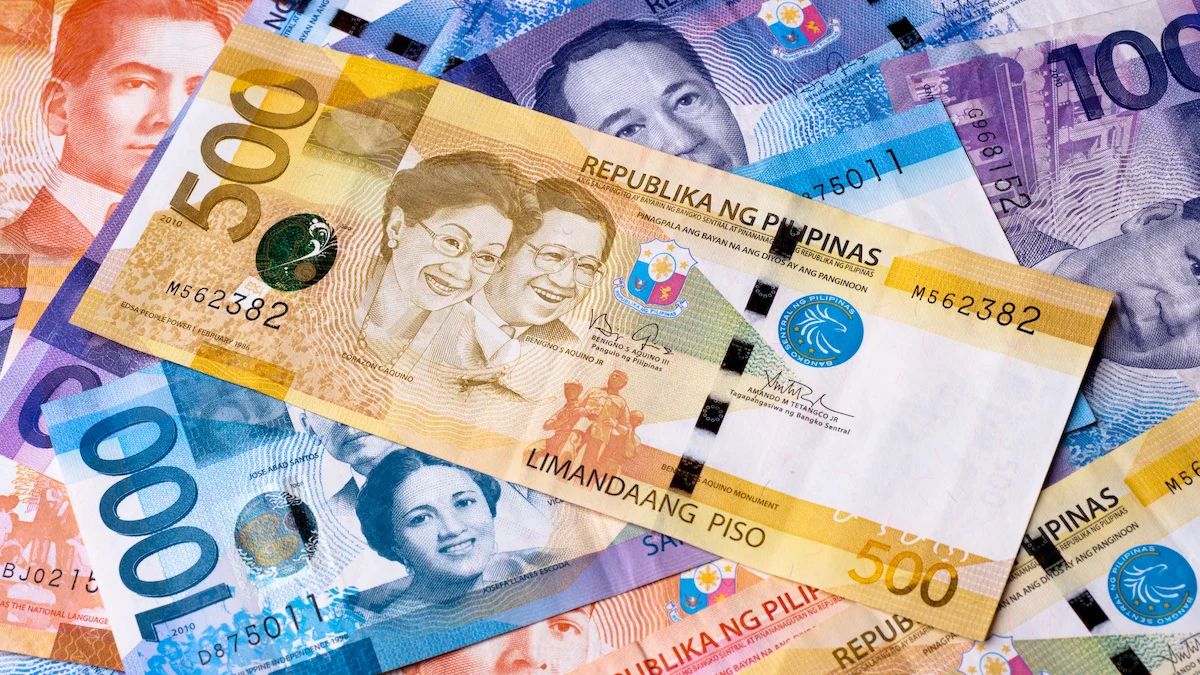
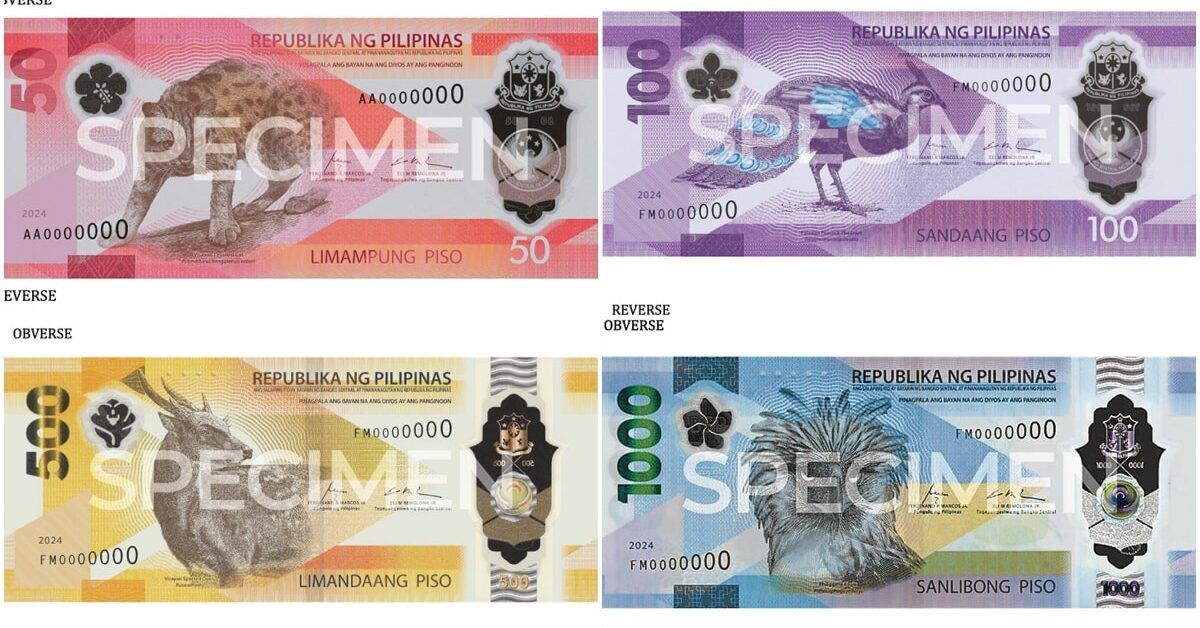
The Euro is the official currency of 20 member states of the European Union, collectively known as the Eurozone. It is one of the world's most traded and reserve currencies, symbolized by €. The Philippine Peso is the official currency of the Republic of the Philippines, symbolized by ₱. Its currency code is PHP. The Peso is subdivided into 100 centavos. For Canadians, transactions between these currencies often involve a two-step process: first converting Canadian dollars to Euros, and then Euros to Philippine Pesos, or using a service that handles the conversion directly. The dynamics of the EUR/PHP exchange rate are therefore influenced by the economic conditions of both the Eurozone and the Philippines, as well as the broader global market sentiment.
How the EUR/PHP Exchange Rate is Determined
The fundamental exchange rate between the Euro and the Philippine Peso is set in the global foreign exchange market. This is a decentralized marketplace where banks, financial institutions, hedge funds, and corporations buy and sell currencies. The price at which these large entities trade forms the mid-market rate, which is the purest reflection of a currency's value at any given moment. Retail customers, including individuals and small businesses in Canada, do not transact at this pure mid-market rate. Instead, service providers apply a margin or spread above or below this rate, which is how they generate revenue from currency conversion. This margin, combined with any fixed transfer fees, constitutes the total cost of conversion.
Several key economic factors cause the mid-market rate for EUR/PHP to move. Changes in interest rates set by the European Central Bank and the Bangko Sentral ng Pilipinas are primary drivers, as they affect investment flows into each currency. Inflation data, gross domestic product reports, and employment figures from both regions provide signals about economic health, influencing trader sentiment. Political stability and fiscal policies within the Eurozone and the Philippines also play a significant role. Furthermore, global risk appetite can impact the rate. In times of uncertainty, investors may flock to perceived safe-haven currencies, which can affect the Peso's value relative to the Euro.
Historical Context and Rate Volatility
The EUR/PHP exchange rate experiences constant fluctuation driven by regional and global events. Analysis of related currency pairs provides insight into typical volatility patterns. For instance, the CAD/PHP pair has shown a 90-day high of 45.3661 and a low of 43.3283, indicating a meaningful range of movement. Over a 30-day period, the same pair exhibited an average volatility of 0.33%. Monitoring services allow users to track these fluctuations over extended periods. Some platforms offer interactive charts that display historical data for up to five years, enabling users to observe long-term trends. These charts use real-time mid-market exchange rates for reference. Users can also set rate alerts to be notified when the exchange rate reaches a desired level, a useful tool for timing larger transfers.
Methods for Converting Euros to Philippine Pesos in Canada
Canadians looking to convert Euros to Philippine Pesos have several avenues available, each with distinct cost structures and conveniences. Traditional banks offer currency exchange services, both for cash and wire transfers. However, banks typically apply a larger margin to the mid-market rate and may charge additional wire transfer fees. Specialized international money transfer services, such as Wise, Western Union, and Xe, often provide more competitive exchange rates by using or closely approximating the mid-market rate and charging a separate, transparent transfer fee. These services usually operate online or via mobile apps, allowing for transfers directly to Philippine bank accounts or for cash pickup at agent locations.
Another option is using dedicated currency exchange companies like Interchange Financial. These providers often sell foreign cash, including Philippine Pesos, for home delivery or in-person pickup. They frequently advertise better exchange rates than banks and credit cards, with no foreign exchange fees, though a delivery charge may apply. Payment is typically made via Interac Online or Interac e-Transfer from a Canadian bank account. For businesses, platforms like Venn offer multi-currency accounts that can hold Euros and facilitate conversions to Pesos, often targeting commercial clients with features like batch payments and accounting software integration.
Detailed Fee Structures and Cost Comparison
The total cost of converting Euros to Philippine Pesos is not just the exchange rate. It includes any fees charged by the service provider. These costs generally fall into two categories: an exchange rate margin and a fixed transfer fee. The margin is the difference between the mid-market rate and the rate actually offered to the customer. A provider might advertise "no fees" but build their profit into this margin. The transfer fee is a separate charge for processing the transaction. For example, Western Union states its fees vary based on the transfer amount, payment method, destination, and payout option. Credit cards used for international money transfers may incur additional cash advance fees and interest charges from the card issuer.
To find the best deal, Canadians must compare the total amount of Philippine Pesos that will be received after all costs. Transparency is key. Reputable providers show the exchange rate, any margin, and the transfer fee upfront before the transaction is confirmed. Banks often charge higher spreads, while specialized platforms can offer better mid-market rates. The following table illustrates a hypothetical cost comparison, though actual rates and fees vary by provider.
| Provider Type | Exchange Rate Margin | Transfer Fee | Notes |
|---|---|---|---|
| Traditional Bank | Typically higher | Yes, often significant | May include wire fees. Less competitive rates. |
| Online Transfer Service | Low, near mid-market | Yes, transparent | Total cost often lower for most amounts. |
| Currency Exchange Company | Competitive | Possible delivery fee | Best for obtaining physical cash. |
| Multi-currency Business Platform | Competitive, transparent | Often low or none | Aimed at business transactions. |
It is crucial to review all details before confirming a transfer. Providers like Wise emphasize they use the real mid-market rate with no hidden mark-up, charging a clear fee instead. Others may promote a "best rate guarantee" for cash orders. Canadians should always check the final recipient amount in Philippine Pesos.
Security and Practical Considerations
When sending money internationally, security is a paramount concern. Reputable transfer services employ encryption and fraud prevention measures to protect transactions. For instance, Western Union highlights its encryption efforts and the ability to track transfers using a Money Transfer Control Number. It is advisable to only send money to people you know and trust, verify receiver details carefully, and keep tracking information private. Regulated providers in Canada are registered as money service businesses with the Financial Transactions and Reports Analysis Centre of Canada, which provides a layer of oversight. For example, Venn Software Inc. is registered as a money service business with FINTRAC under registration number M22941967.
From a practical standpoint, Canadians should consider the delivery speed and payout options. Electronic transfers to a Philippine bank account are common and can take from same-day to several business days. Cash pickup services allow the recipient to collect funds from an agent location, which is useful if they do not have a bank account. The sender needs to provide accurate recipient information, including full name and location. For larger or regular transfers, such as for family support or business payments, setting up an account with a provider that offers favorable rates for recurring transactions can simplify the process.
Step-by-Step Guide to Sending Money
For Canadians new to sending Euros to the Philippines, following a structured process can ensure a smooth transaction. The first step is to choose a provider by comparing the total cost across several services for your specific transfer amount. Use online comparison tools or get live quotes directly from provider websites. The second step is to gather all necessary information, which includes your own identification details, the recipient's full name as it appears on their official ID, and their bank account details or the address of a preferred cash pickup location.
The third step is to initiate the transfer online, via a mobile app, or in person at an agent location. You will enter the amount in Euros you wish to send, select Philippine Peso as the receiving currency, and input the recipient's details. The fourth and most critical step is to review the full transaction summary. This summary must clearly show the exchange rate being applied, any transfer fee, the estimated delivery time, and the final amount the recipient will get in Pesos. Only proceed once you are satisfied with these terms. The final step is to make your payment using a secure method such as a bank account debit, Interac e-Transfer, or a debit card.
- Step 1: Compare providers for total cost.
- Step 2: Gather sender and recipient information.
- Step 3: Initiate the transfer on your chosen platform.
- Step 4: Review the exchange rate, fees, and final amount.
- Step 5: Make payment securely and save the transaction receipt.
- Step 6: Use the provided tracking number to monitor the transfer.
After sending, you will typically receive a confirmation email and a Money Transfer Control Number. You can use this MTCN to track your transfer online or with the provider's app. It is important to keep all documentation related to the transaction. You should retain this until you have confirmation from the recipient that the funds have been successfully received.
Regulatory Framework and Consumer Protections
Money transfer services operating in Canada are subject to federal regulations designed to protect consumers and prevent financial crimes. The primary regulator for money service businesses is the Financial Transactions and Reports Analysis Centre of Canada. FINTRAC requires these businesses to register, maintain compliance programs, and report certain transactions. This registration provides a level of assurance that the company adheres to anti-money laundering and anti-terrorist financing laws. Another layer of protection involves deposit insurance for funds held in certain multi-currency accounts. Some business platforms hold customer balances in partner banks that are members of the Canada Deposit Insurance Corporation. For instance, Venn Account Balances are held at the Bank of Montreal, making them eligible for CDIC deposit insurance up to applicable limits.
It is important to note that this insurance covers the deposit of funds held in the account. It does not cover fluctuations in currency value or losses from fraud. Consumers should look for providers that use secure and encrypted connections for online transactions. These providers should also have clear policies for dispute resolution and error correction. Providers that are transparent about their regulatory status and security measures generally offer a more secure environment for international money transfers.
Business-Specific Tools and Multi-Currency Accounts
For Canadian businesses that regularly need to convert Euros to Philippine Pesos, such as those paying suppliers or remote employees, specialized financial technology platforms offer tailored solutions. Services like Venn and Vault provide multi-currency accounts that allow businesses to hold, send, and receive funds in multiple currencies, including Euros and Philippine Pesos, from a single dashboard. These platforms often integrate with accounting software, streamlining bookkeeping and reconciliation processes. They typically offer business-grade exchange rates that are closer to the mid-market rate than retail banking services, which can lead to substantial savings on large or frequent transfers.
These business tools come with features designed for commercial use. They may support batch payments for payroll, allow for the creation of virtual accounts for different projects or departments, and provide detailed reporting for financial analysis. Some platforms enable businesses to open local accounts in currencies like CAD, USD, GBP, and EUR to send and receive payments easily via local networks like EFT, ACH, SEPA, and Interac, often for free. When converting currencies, they emphasize transparency, showing the actual exchange rate and any fees upfront. The goal is to give businesses more control over international cash flow and reduce the administrative burden and cost associated with traditional cross-border banking.
Frequently asked questions
What is the best way to convert Euros to Philippine Pesos from Canada?
There is no single best way, as it depends on the amount, urgency, and preference for cash or electronic transfer. Generally, online international money transfer services often offer more competitive exchange rates and lower total costs compared to traditional banks. For obtaining physical cash, dedicated currency exchange companies can provide good rates with delivery or pickup options. Always compare the total amount in Pesos you will receive after all fees and exchange rate margins.
Why does the exchange rate I get differ from the rate I see online?
The rate you see on financial websites or search engines is typically the mid-market rate, which is a benchmark for the global currency markets. Service providers apply a margin to this rate to cover their costs and profit. This margin, along with any fixed transfer fees, means the rate you are offered for a personal transaction will be different. Always check the final offered rate and all associated fees from your chosen provider before proceeding.
Are there hidden fees when sending money to the Philippines?
Some providers may include their profit in the exchange rate margin rather than charging a separate fee. This practice can be less transparent. Reputable services will show you the exchange rate being applied and any transfer fee upfront before you confirm the transaction. To avoid surprises, you should look for providers that promise transparency. These providers will clearly separate the exchange rate from the transfer fee.
Can I set an alert for a specific EUR to PHP exchange rate?
Yes, many currency converter platforms and money transfer apps offer a rate alert feature. You can set your desired Euro to Philippine Peso exchange rate. The service will then notify you via email or app notification when the market rate reaches that level. This is a useful tool for planning larger transfers. It can help you try to time the market for your transaction.
How long does a money transfer from Canada to the Philippines take?
Transfer times vary by provider and method. Electronic bank-to-bank transfers can take several business days. Specialized online transfer services often offer faster options, with some transfers completing within the same day or next business day. Transfers for cash pickup at an agent location can also be very fast, sometimes within minutes. The provider will usually give an estimated delivery time before you confirm the transfer.
Is it safe to send money online to the Philippines?
Sending money through regulated and reputable services is generally safe. Look for providers that use strong encryption for transactions, are registered with Canadian regulatory bodies like FINTRAC, and have clear security policies. Always use secure internet connections, keep your login details private, and only send money to recipients you know. Most services also provide tracking so you can follow your transfer's progress.
Sources and further reading
- Canadian dollars to Philippine pesos today wise.com
- CAD to PHP | Convert Canadian Dollar to Philippine Peso westernunion.com
- 1 CAD to PHP, Canadian Dollars to Philippine Pesos ... xe.com
- Buy Philippine peso PHP, Convert Canadian Dollar ... interchangefinancial.com
- Euro to Philippine Peso Exchange Rate, Convert Instantly ... venn.ca
This article explains how things work and is not financial, tax or legal advice. Rules, limits and rates change, so check the current figures with the Canada Revenue Agency, your province or your financial institution before you act.