The exchange rate between the euro and the Mexican peso is a crucial figure for Canadians involved in international business, travel, or sending money to Mexico. The euro, the official currency of the European Union, and the peso, Mexico's currency, trade on the global foreign exchange market, where their relative value is set by supply and demand. For Canadians, understanding this rate involves a two-step conversion, typically from Canadian dollars to euros and then to pesos, with each step incurring potential fees and exchange rate margins. Knowing how the rate is determined, its historical movements, and the costs associated with conversion can help Canadians make more informed financial decisions when dealing with these currencies.
Understanding the Euro and Mexican Peso
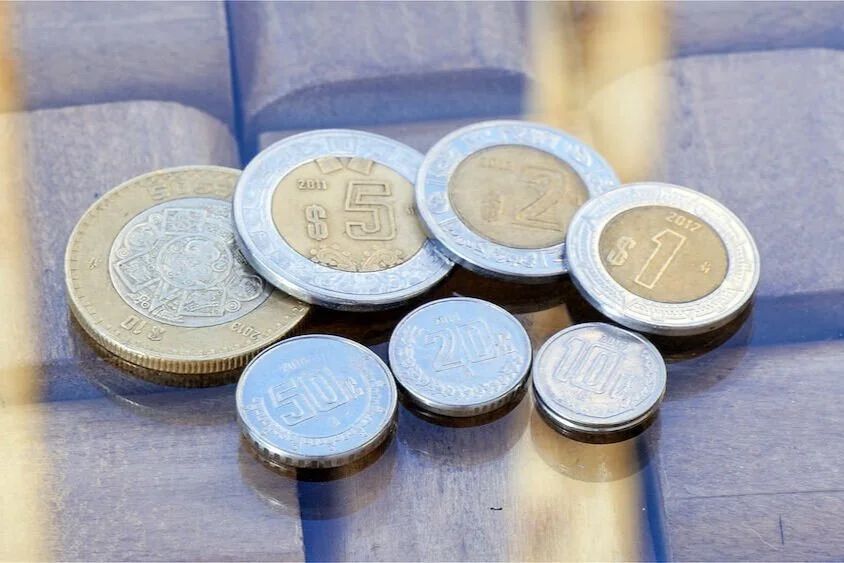
The euro is the official currency of the European Union and is used by 20 of its member states, making it one of the world's most traded currencies. Its currency code is EUR and its symbol is €. The Mexican peso is the official currency of Mexico, with the currency code MXN and the symbols $ or Mex$ to distinguish it from other dollar-denominated currencies. For Canadians, direct transactions between these two currencies are less common than those involving the Canadian dollar. Most conversions from euros to pesos by Canadians will involve an intermediate step through Canadian dollars or US dollars. The most popular exchange rate for the Canadian dollar is CAD to USD, while for the Mexican peso it is MXN to USD, highlighting the US dollar's central role in global forex markets.
How the Euro to Peso Exchange Rate is Set
The primary reference point is the mid-market rate, which is the midpoint between the buy and sell prices for the currency pair in the wholesale market. This rate is purely informational and reflects the real-time balance of supply and demand. Individual consumers and businesses do not receive this wholesale rate when converting money. Instead, banks and money transfer services apply a margin or spread to the mid-market rate, which is how they generate revenue from currency exchange. The rate you are offered will also include any stated service fees, making the total cost of conversion higher than the pure mid-market rate.
Several key economic factors cause the EUR/MXN rate to fluctuate constantly. Changes in interest rates set by the European Central Bank and the Bank of Mexico can attract or repel foreign investment, impacting currency demand. Relative inflation rates between the Eurozone and Mexico affect purchasing power parity. Political stability, economic growth data, and global commodity prices, especially oil, also drive volatility. For Canadians, these global movements are filtered through the CAD/EUR and CAD/MXN relationships, adding another layer of complexity. Services like Xe and Wise use real-time mid-market rates for their converters and charts, allowing users to track these movements over periods ranging from a week to five years.
Historical Context and Notable Rate Movements
The euro to peso exchange rate has experienced significant volatility over the years, influenced by economic crises, monetary policy shifts, and global market sentiment. For instance, over a recent 90-day period, the CAD/MXN rate moved between a high of 13.2524 and a low of 12.2054, representing a change of 6.57. In a 30-day window, the movement was even more pronounced, with a high of 13.2524, a low of 12.2731, and a total change of 7.98. These swings underscore the peso's sensitivity to market forces.
The euro, as a major reserve currency, also exhibits volatility based on Eurozone economic conditions. Canadians looking at historical trends should note that past performance does not predict future movements. Modern tools allow for detailed retrospective analysis. Interactive charts from providers like Xe use real-time mid-market exchange rates and allow users to view historical data up to the last five years. This can help identify long-term trends, seasonal patterns, or the impact of specific economic events on the currency pair. Setting a rate alert is a practical way to monitor these fluctuations. Users can set up a notification for when a desired EUR/MXN or CAD/MXN rate is reached through apps or online platforms. This feature helps individuals and businesses time their transfers to potentially get more favourable terms, though predicting the market's direction remains challenging.
- The CAD/MXN rate had a 30-day high of 13.2524 and a low of 12.2731.
- The CAD/MXN rate had a 90-day high of 13.2524 and a low of 12.2054.
- Historical currency data is available for analysis up to the last five years.
- The average CAD/MXN rate over a recent 30 days was 12.7674.
- The average CAD/MXN rate over a recent 90 days was 12.4496.
How Canadians Convert Currency and Associated Costs
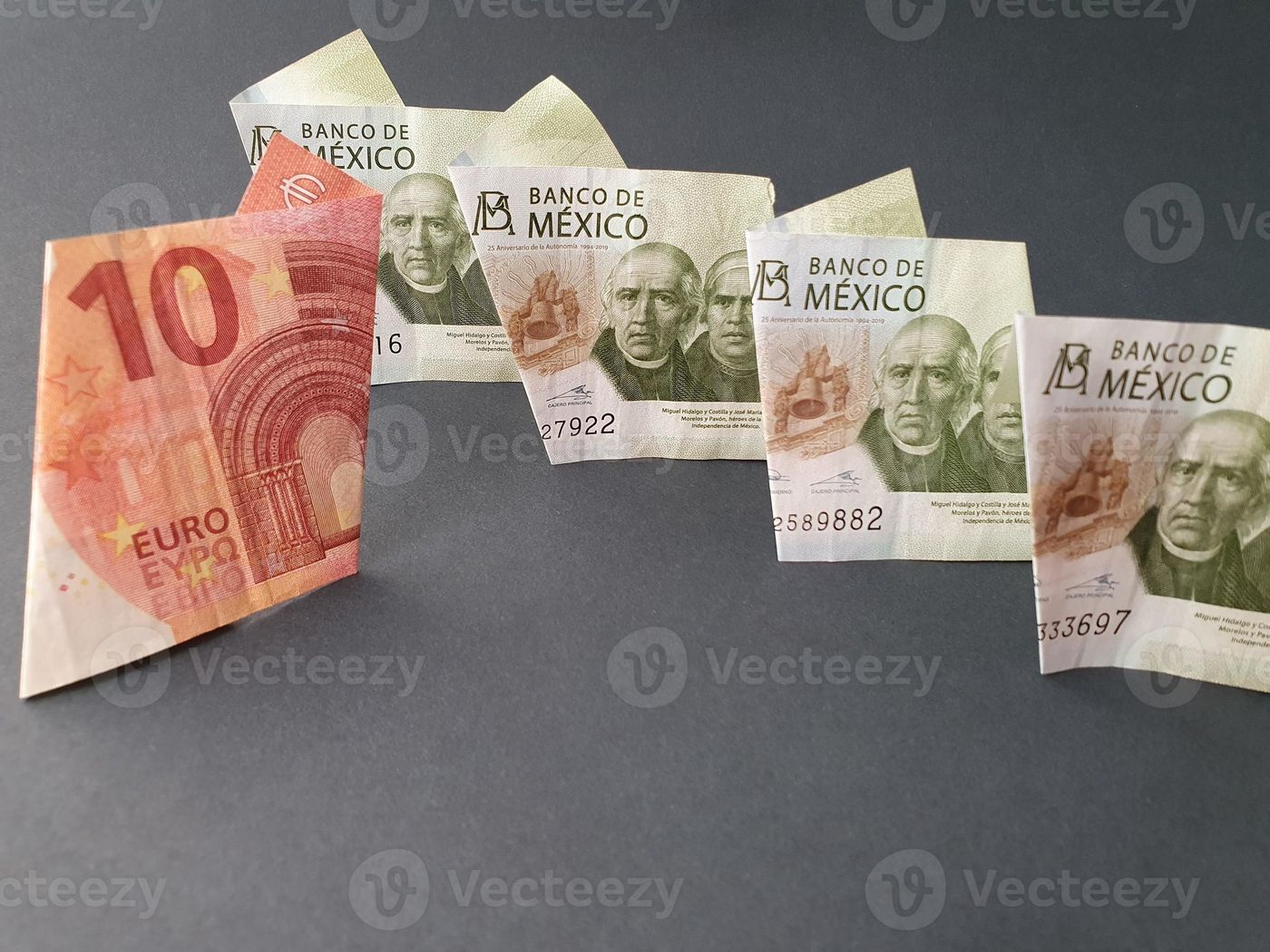
Canadians have multiple avenues to convert euros to Mexican pesos, each with different cost structures and conveniences. The most common methods include using traditional banks, specialized foreign exchange companies, online money transfer services, and multi-currency accounts. It is critical to understand that the advertised mid-market rate is not the rate you will receive. Providers make money by adding a margin to this rate or by charging separate fees, and often both. A fundamental rule for Canadians is to always compare the total cost, the final amount of pesos received after all fees and rate margins, across multiple services before committing to a transfer.
Banks are a familiar option but are frequently the most expensive. They typically offer less competitive exchange rates and may charge significant transfer fees. Specialized foreign exchange companies like CanAm Currency Exchange or OFX often promote bank-beating rates, sometimes guaranteeing rates up to 3% better than banks. These companies, such as one registered with FINTRAC under number M22941967, often have no transaction fees but profit from the exchange rate margin. Online transfer giants like Western Union and Wise provide digital convenience. Western Union allows transfers online, via app, or in person, with fees varying by payment method and transfer amount. Wise prominently advertises using the real mid-market rate with no hidden markups, charging a transparent, upfront fee instead.
| Provider Type | Typical Cost Model | Key Feature for Canadians |
|---|---|---|
| Traditional Banks | Wide exchange rate margin + transfer fees | Familiarity and branch access |
| Specialized FX Firms (e.g., CanAm) | Competitive rate margin, often no transfer fee | Guarantees to beat bank rates |
| Online Transfer Services (e.g., Wise) | Mid-market rate + transparent upfront fee | Full cost transparency upfront |
| Multi-Currency Platforms (e.g., Revolut, Venn) | In-app exchange, often at good rates | Ability to hold and manage multiple currencies |
Newer fintech solutions offer integrated multi-currency accounts. Services like Revolut, Wise, and Venn allow users to hold balances in euros, pesos, Canadian dollars, and other currencies. These platforms enable conversions within the account, often at favourable rates, and facilitate international payments. Venn, for example, offers free local accounts in CAD, USD, GBP, and EUR to send and receive payments. The key for Canadians is to scrutinize the total cost. As noted, banks have complex infrastructures and charge hidden fees to cover their costs, whereas volume-based FX providers buy in bulk and may pass on savings.
Fees, Limits, and Security in Currency Conversion
The final amount received from a currency conversion is eroded by various fees and limits. Common fees include a flat transfer fee, a percentage-based fee on the amount sent, and the hidden cost of an uncompetitive exchange rate margin. For instance, Western Union states its fees vary depending on the amount sent, payment method, destination, and payout option. Payment method matters significantly using a credit card for a transfer may incur cash advance fees and interest from the card issuer, whereas debit cards or bank transfers might avoid these. Providers like Wise show the exchange rate and separate transfer fee upfront before the user confirms the transaction, which is a model of good transparency.
Minimum transfer amounts are another consideration. Some specialized FX companies have an online minimum, such as 800 CAD per transaction, while in-store transactions may have no hard minimum. Maximum limits may also apply depending on the service and regulatory requirements. Security is paramount when moving money internationally. Reputable providers are registered as money service businesses with FINTRAC, a Canadian government agency. Client funds should be held in segregated accounts at major Canadian financial institutions, separate from the company's operating funds. Services employ encryption and fraud prevention measures. Customers should always keep their transfer tracking number private and only send money to people they know and trust. Before finalizing any transfer, Canadians should use the live quote tools provided by most services. These tools require you to enter the amount, currencies, and payment method to generate a real-time estimate of the exchange rate, all fees, and the final payout amount. This step is the only way to accurately compare the true cost between different providers, as promotional claims about beating bank rates can vary based on transaction specifics.
- Credit card payments may incur cash advance fees and interest charges.
- Some FX providers have an online minimum transfer of 800 CAD.
- Providers are regulated by FINTRAC in Canada.
- Client funds are held in segregated accounts at major banks.
- Transfers can be tracked using a Money Transfer Control Number.
Practical Tools for Monitoring and Converting
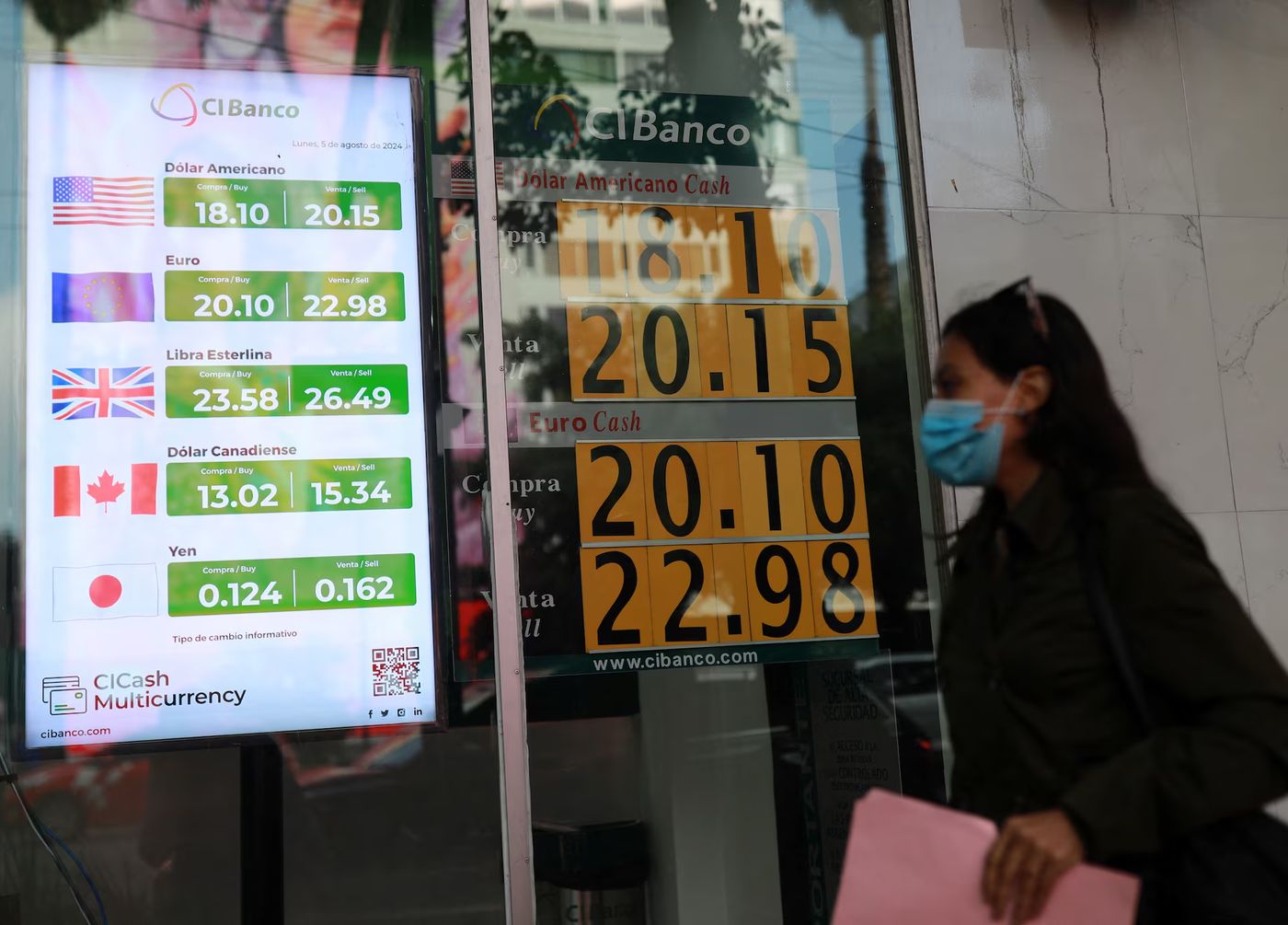
Canadians have access to sophisticated digital tools to manage euro to peso conversions effectively. Real-time currency converters are ubiquitous, with providers like Xe, Wise, and Western Union offering them on their websites and apps. These tools use the live mid-market rate for informational purposes and often allow you to select your specific currencies and amount to see an estimated consumer rate. Historical charting tools are equally valuable. Interactive charts that track mid-market rates over customizable timeframes help users visualize trends and volatility. For example, you can view how the CAD/MXN pair has performed over the last 7, 30, or 90 days, or look back over five years of data.
The most proactive tool is the rate alert. Users can set a target exchange rate for a currency pair, such as EUR/MXN, and receive a notification via email or app when the market rate reaches that level. This helps in planning transfers without needing to constantly watch the markets. For business users, platforms like Venn and Vault offer more integrated solutions. These provide multi-currency accounts, business payment tracking, and sometimes integration with accounting software. They emphasize transparent, competitive FX rates for business transactions, which can include converting euro revenues to pesos for expenses or vice versa. The core principle across all tools is transparency. Savvy Canadians should look for services that clearly show the actual exchange rate being applied and any separate fees before the transaction is completed.
Frequently asked questions
What is the mid-market exchange rate?
The mid-market rate is the midpoint between the global buy and sell prices for a currency pair on the wholesale foreign exchange market. It is the most accurate reflection of a currency's value at any given moment and is used as a benchmark. However, individuals and businesses cannot access this rate directly. Banks and money transfer services apply a margin to this rate, and may add separate fees, to provide their retail exchange rate. The rate you see on Google or on many currency converter websites is typically this mid-market rate for informational purposes.
How can I get the best euro to peso exchange rate from Canada?
To secure a favourable rate, you should compare offers from multiple types of providers, including banks, specialized foreign exchange companies, and online transfer services. Look at the total cost, which is the final amount of pesos you will receive after all fees and exchange rate margins. Specialized FX firms often advertise rates up to 3% better than banks. Services like Wise use the real mid-market rate and charge a transparent, upfront fee. Using a provider's live quote tool before transferring gives you a real-time estimate of the total cost, allowing for an accurate comparison.
Are there hidden fees when converting currency?
Yes, hidden costs are common and often take the form of a poor exchange rate margin. A provider may advertise 'no transfer fee' but offer an exchange rate that is significantly worse than the mid-market rate, which is how they make their profit. Other hidden fees can include cash advance fees and interest if you use a credit card to fund the transfer. To avoid surprises, use services that provide full cost transparency upfront, showing you the exact exchange rate they will apply and any separate fees before you confirm the transaction.
Is it safe to convert money with online services?
It is safe to use reputable online money transfer services. In Canada, legitimate providers are registered as Money Service Businesses with FINTRAC, a government regulatory agency. They employ security measures like encryption and fraud monitoring. Client funds are often held in segregated trust accounts at major Canadian financial institutions, separate from the company's own operating funds. Always ensure you are using the official website or app of the service, keep your transfer tracking number secure, and only send money to people you know and trust.
Can I set up an alert for a specific euro to peso rate?
Yes, most major currency and transfer platforms offer a rate alert feature. You can typically set a target exchange rate for the EUR/MXN pair (or CAD/MXN if that is your reference) through their website or mobile app. When the live market rate reaches your specified level, you will receive a notification via email or push notification. This allows you to monitor the market without constant checking and can help you time your transfer for a more desirable rate, though it does not guarantee future market movements.
What is the difference between a currency converter and a money transfer?
A currency converter is a tool that calculates the equivalent value of one currency in another using a specific exchange rate, often the mid-market rate for information. A money transfer service is a transaction where you actually send funds from one country to another, converting the currency in the process. The key difference is the rate applied. The converter shows a theoretical rate, while the transfer service applies its own commercial rate, which includes a margin, and may add transfer fees. The live quote on a transfer service's website shows the actual rate and fees you would pay for a specific transaction.
Sources and further reading
- 1 CAD to MXN, Canadian Dollars to Mexican Pesos ... xe.com
- Canadian dollars to Mexican pesos today wise.com
- CAD to MXN | Convert Canadian Dollar to Mexican Peso westernunion.com
- 4777 EUR to MXN, Convert Euro to Mexican Peso canamcurrencyexchange.com
- Euro to Mexican Peso Exchange Rate, Convert Instantly At ... venn.ca
This article explains how things work and is not financial, tax or legal advice. Rules, limits and rates change, so check the current figures with the Canada Revenue Agency, your province or your financial institution before you act.