The exchange rate between the euro and the Indian rupee is a key metric for Canadians sending money to family, investing, or conducting business in India. The rate determines how many rupees one euro will buy and fluctuates constantly due to global economic forces. Canadians have several options for converting currency, each with different costs and exchange rate margins. Understanding the factors that move the rate and the fees involved can help in planning international transfers more effectively.
Understanding the Euro and Indian Rupee
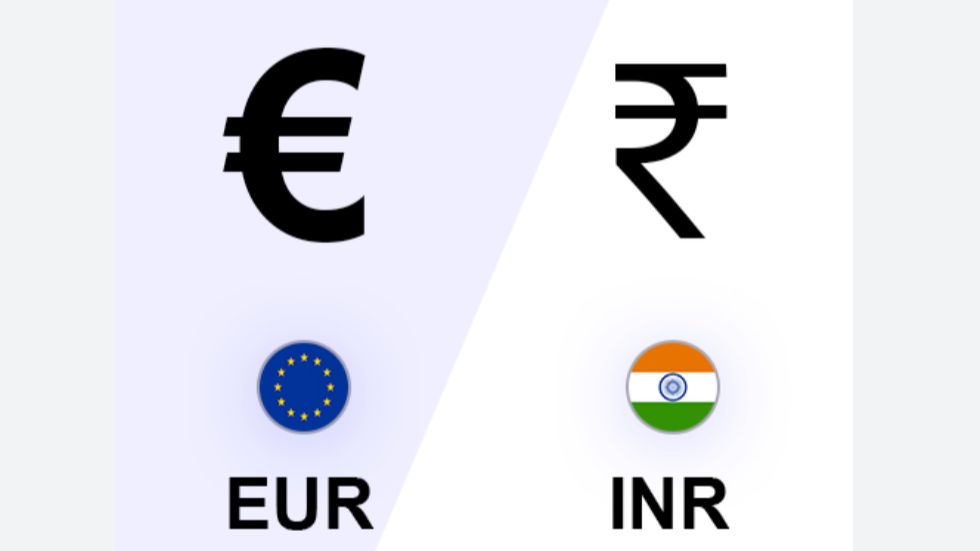
The euro is the official currency of the Eurozone, a monetary union of 20 European Union member states. Its currency code is EUR and its symbol is €. The Indian rupee is the official currency of India, with the code INR and the symbol ₹. Both currencies are among the most traded in the world, with the euro being a major global reserve currency and the rupee being a key currency in South Asia. The exchange rate between them is quoted as the number of Indian rupees needed to purchase one euro, which is vital for cross-border transactions between Europe and India and serves as a reference for Canadians converting funds through multiple currency pairs.

How the EUR to INR Exchange Rate is Determined
The primary exchange rate seen on financial platforms is the mid-market rate, which is the midpoint between the global buy and sell prices for the currency pair. This rate is determined by the continuous trading of euros and rupees on the foreign exchange market by banks, institutions, and governments. The European Central Bank publishes a daily euro reference exchange rate for the Indian rupee, which is a key benchmark. It is crucial to understand that the mid-market rate is a wholesale reference rate, and individuals and businesses do not typically receive this exact rate when converting money through banks or transfer services, as providers add a margin or fee to the rate they offer customers. Exchange rates are highly dynamic and can change frequently throughout the day as currency values shift with global financial markets, and the rate you see for a personal transfer will include a small margin or service fee from the provider.
Major factors that influence the movement of the EUR/INR rate include relative interest rates set by the European Central Bank and the Reserve Bank of India. Inflation differences between the Eurozone and India also impact the rate. The trade and capital flows between the two economies are another key factor. Geopolitical events and overall market sentiment cause daily fluctuations. Monitoring live data before sending money is helpful because rates are highly dynamic. Providers like Western Union show an estimated rate before you confirm your transfer so you can see the total cost.
Historical Volatility and Recent Trends
The EUR to INR exchange rate has experienced significant volatility over time, reflecting the changing economic conditions in both regions. Over a 90-day period, the rate moved between a high of 111.90 INR and a low of 106.18 INR per euro. The average rate over those 90 days was 109.64 with a volatility measure of 0.31 percent, indicating that the value of the euro relative to the rupee can shift by several rupees over a quarter. Looking at a shorter 30-day window, the range was between 110.23 INR and 106.18 INR, with an average of 108.27 and a volatility of 0.33 percent.
The EUR to INR exchange rate is seldom static. Over the last 7 days, EUR to INR moved between 106.18 and 106.87. The average was 106.61 with 0.26 percent volatility. Over the last 30 days, EUR to INR moved between 106.18 and 110.23. Monitoring these trends is important for anyone timing a currency conversion. Many services allow you to set up a rate alert to be notified when your desired rate is reached.

How Canadians Convert Currency and Associated Costs
Canadians looking to convert euros to Indian rupees have several primary channels, each with different cost structures. The main options include traditional banks, specialized online money transfer services, and global operators like Western Union. It is standard for these providers to use an exchange rate that is less favourable than the live mid-market rate, applying a margin on top of it. They may also charge a separate transfer fee, and the total cost of a transfer is the combination of this exchange rate margin and any stated fees. Providers like Western Union make money from currency exchange and their fees can vary depending on the amount sent, the payment method used, the destination country, and the chosen payout option.
For example, paying with a credit card may trigger additional cash advance fees and interest charges from the card issuer, whereas using a debit card or bank account might avoid these. It is recommended to review the full cost, including the exchange rate and transfer fee, before confirming any transaction. Online platforms often promote bank-beating rates and no hidden fees, but it is essential to get a live quote to see the exact terms upfront for your specific transfer amount and circumstances. Before sending money, you can use online currency converters to get an estimated conversion based on available exchange rates, but the final rate applied to your transfer will be set by the service provider at the time the transaction is processed.
- Traditional Banks: Often have higher margins and fees for currency conversion and international wires.
- Online Transfer Services (e.g., Xe, Wise): Typically offer rates closer to the mid-market rate with transparent, upfront fees.
- Global Money Transfer Operators (e.g., Western Union): Provide convenience for cash pickup in India, with costs varying by transfer method and speed.
- Credit/Debit Cards: Using a card abroad or for online purchases incurs dynamic currency conversion fees set by the card network and issuer.
Many services allow you to track the transfer in real time using a unique tracking number like an MTCN. They use security measures designed to help protect international money transfers. These measures include encryption and fraud prevention efforts. You can send money online, through an app, or at an agent location. This tracking provides peace of mind and transparency from send to receipt.
Comparing Transfer Services and Fees
The cost of sending money from euros to rupees varies significantly between provider types. While specific fee tables are not provided, the general structure involves a trade-off between the exchange rate margin and any flat or percentage-based fees. Online services frequently advertise that they use the real mid-market rate with no sneaky mark-up, though they still charge a service fee. Traditional banks and some transfer operators build their profit into a less competitive exchange rate. A comparison savings example from 2026 noted that savings are calculated by comparing the exchange rate including margins and fees provided by each bank and a service like Xe on the same day, though results vary based on amount, currency, and timing, and therefore may not be indicative of actual savings for every transaction.
| Provider Type | Typical Cost Components | Key Considerations |
|---|---|---|
| Banks | High exchange rate margin, wire transfer fee | Convenient for existing customers, often most expensive |
| Online Specialists | Lower margin near mid-market rate, transparent fee | Often best value, requires online setup and bank transfer |
| Global Operators | Variable margin, transfer fee based on payout method | Fast cash pickup options, fees vary widely |
It is important to get a real-time estimate from any service before committing. This estimate should show the exact exchange rate that will be applied. It should also show any transfer fee and the final amount the recipient will receive. Reputable providers use encryption and fraud prevention measures to help protect transfers. You should only send money to people you know and trust. You should also check receiver details carefully.
Practical Tips for Sending Money to India
When planning to send euros to India, a few practical steps can help ensure a smoother and more cost-effective transaction. First, monitor the EUR to INR exchange rate using a live chart or by setting up a rate alert through a financial website or app, which allows you to be notified when the rate moves in your favour. Second, always compare the total cost from multiple providers, not just the advertised exchange rate, as the total cost is the combination of the rate margin and any fees. Third, consider the payment method carefully, as using a credit card may incur cash advance fees, while a debit card or direct bank transfer might be cheaper and more efficient for larger amounts.
Fourth, be precise with recipient details in India to avoid delays and ensure the money reaches the correct person. Fifth, understand the payout options, such as direct bank deposit or cash pickup at an agent location, as this can affect both the speed of the transfer and the fee. Finally, only send money to people you know and trust, keep your transfer tracking number private, and stay alert for potential scams. Reputable services allow you to track your transfer online or via a mobile app using a unique number like an MTCN from the moment it is sent until it is collected, providing peace of mind throughout the process.
Frequently asked questions
What is the euro to Indian rupee exchange rate?
The exchange rate specifies how many Indian rupees (INR) you receive for one euro (EUR). It is a floating rate determined by the foreign exchange market. The European Central Bank publishes a daily reference rate, but the rate you get from a bank or transfer service will include a margin. The rate fluctuates constantly based on economic factors.
How can I convert euros to Indian rupees from Canada?
You can convert euros to rupees through several channels. These include Canadian banks and online international money transfer services like Xe or Wise. Global operators like Western Union also provide this service. The process typically involves selecting the currencies and entering the amount. You will then receive a quote showing the applicable exchange rate and any fees before you confirm.
Why is the rate I get different from the rate on Google?
Google often displays the mid-market rate, which is a wholesale benchmark between banks. Money transfer providers apply an exchange rate margin to this rate. Your final rate depends on the provider, the transfer amount, and the payment method. It will differ from the reference rate you see online because providers may also charge a separate fee.
What fees are involved in sending money to India?
Fees typically consist of an exchange rate margin. This is where the provider offers a rate worse than the mid-market rate. There is often a separate transfer fee as well. The total cost varies by provider, amount sent, and payment method. Some online services advertise low margins and transparent fees. Banks and cash transfer operators may have different fee structures.
How long does a money transfer to India take?
Transfer times vary by provider and payout method. Transfers to a bank account can take one to several business days. Cash pickup services at agent locations can often be completed within minutes or hours. The service you choose will provide an estimated delivery time when you initiate the transfer, and you can usually track its progress in real time.
Is it safe to send money online to India?
Reputable money transfer services use security measures like encryption and fraud prevention systems. It is important to use a licensed provider. You should send money only to people you know. You should also keep your transfer reference number private. Verifying all recipient details is crucial. Most services offer tracking so you can follow your transfer from send to receipt.
Sources and further reading
- 1 EUR to INR, Euros to Indian Rupees Exchange Rate xe.com
- Canadian dollars to Indian rupees Exchange Rate. Convert ... wise.com
- CAD to INR | Convert Canadian Dollar to Indian Rupee westernunion.com
- Indian rupee (INR) - European Central Bank ecb.europa.eu
- Currency Converter: Exchange Rate Calculator EUR ... iban.com
This article explains how things work and is not financial, tax or legal advice. Rules, limits and rates change, so check the current figures with the Canada Revenue Agency, your province or your financial institution before you act.