The euro to Canadian dollar exchange rate determines how much one currency is worth in the other, a key figure for travel, trade, and sending money between Europe and Canada. This rate fluctuates constantly based on global market forces, including interest rates, commodity prices, and economic sentiment. For Canadians, understanding this rate is essential for budgeting trips to the Eurozone, paying for European goods online, or receiving funds from family abroad. Knowing how to convert euros efficiently can save significant amounts compared to standard bank exchange services.
Understanding the Euro and Canadian Dollar
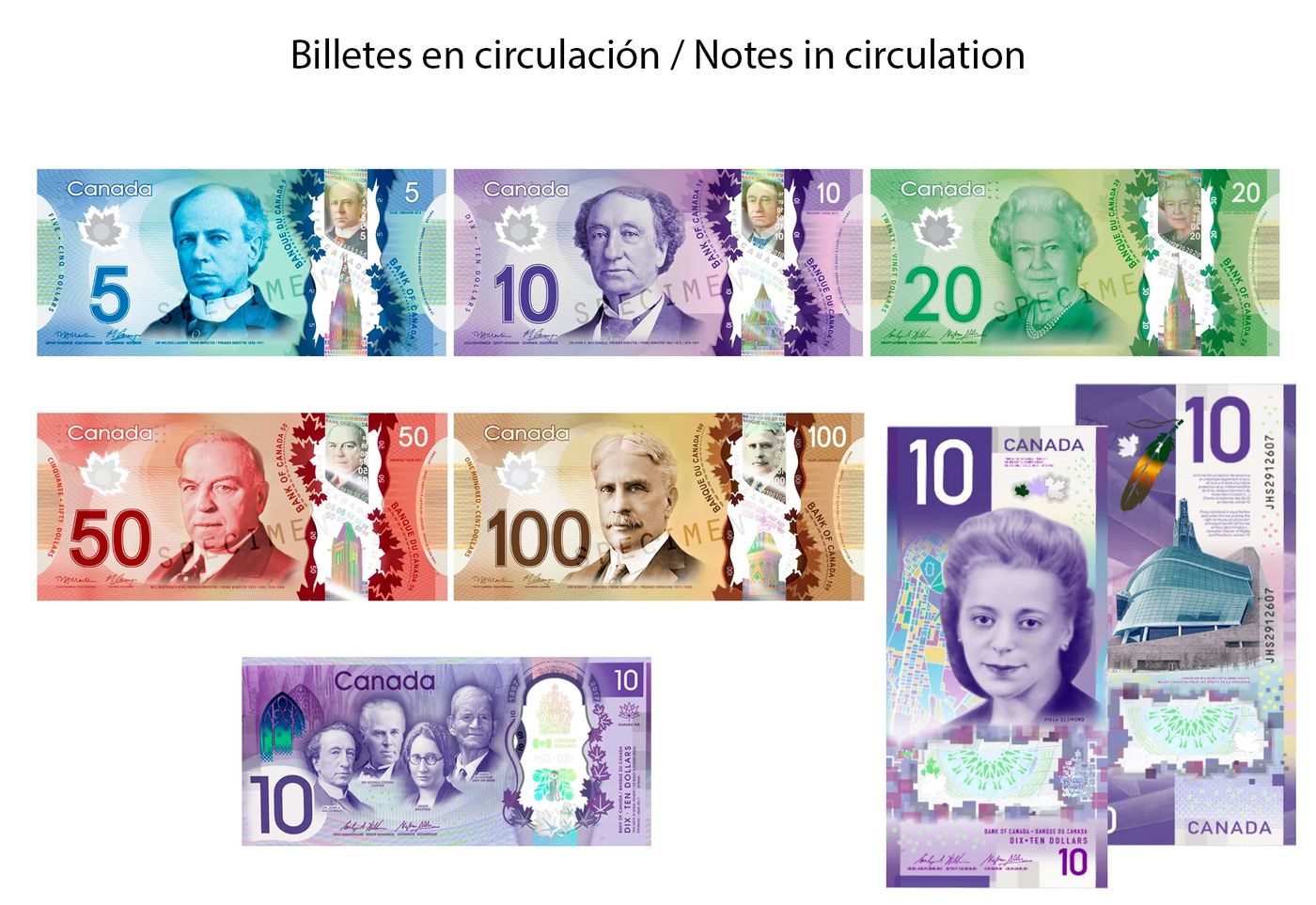
The euro is the official currency of 19 member states of the European Union, known collectively as the eurozone. These countries include Austria, Belgium, Cyprus, Estonia, Finland, France, Germany, Greece, Ireland, Italy, Latvia, Lithuania, Luxembourg, Malta, the Netherlands, Portugal, Slovakia, Slovenia, and Spain. Its value is influenced by the economic policies and performance of the entire eurozone bloc, making it a barometer for European economic health. The Canadian dollar is the official currency of Canada and was first introduced in 1858. It is classified as a commodity currency because its value is often correlated with the prices of Canada's major natural resource exports, such as oil, lumber, and minerals. The Canadian dollar is the sixth most traded currency in the world, reflecting Canada's stable economy and its deep integration into global financial markets. The Bank of Canada is responsible for monetary policy and issues the banknotes, which feature distinct Canadian symbols and historical figures.
How the EUR/CAD Exchange Rate Is Determined
The exchange rate between the euro and the Canadian dollar is a floating rate, meaning its value is set by the foreign exchange market based on supply and demand. The primary benchmark used by financial institutions and currency converters is the mid-market rate. This rate is the midpoint between the global buy and sell prices for the currency pair and represents the pure exchange rate without any fees or margins added. It is calculated using data from many market data contributors and is updated continuously throughout the trading day.
Several key economic factors drive the movement of the EUR/CAD rate. Differences in interest rates set by the European Central Bank and the Bank of Canada are a major influence, as higher rates in one region can attract investment flows and strengthen that currency. The price of commodities, particularly oil, significantly impacts the Canadian dollar. When oil prices rise, the CAD often strengthens against the euro. Broader economic indicators like GDP growth, inflation, and employment data from both regions also cause fluctuations, as do geopolitical events and overall market risk sentiment.
Historical Performance and Notable Trends
Over long periods, the EUR/CAD rate has experienced substantial swings driven by diverging economic cycles between Europe and Canada. Recent market data illustrates typical volatility, with the rate moving within ranges of several percentage points over monthly and quarterly periods. For example, over a 30-day period, the rate has moved between a high of 1.6127 and a low of 1.5782, with an average around 1.5995. In a 90-day window, the range widens, with a high near 1.6222 and a low of 1.5782, averaging approximately 1.6059. These movements, often a percentage point or two, represent meaningful differences when converting large sums. Tracking these highs and lows helps users identify favourable windows for currency conversion, and many services offer historical charts showing data from the last five years for deeper analysis.
Methods for Converting Euros to Canadian Dollars
Canadians have several options when they need to convert euros into Canadian dollars, each with different costs and convenience. Traditional banks and credit unions offer currency exchange services, both for cash at branches and for converting funds in bank accounts. However, these institutions typically do not use the mid-market rate. Instead, they add a margin or markup to the rate, which can be 2-5% or more. They may also charge a flat transaction fee on top of the poor exchange rate, making this one of the more expensive methods for conversion.
Specialist foreign exchange providers and online transfer services often provide better value. Companies like Wise, Xe, and Western Union operate online platforms where users can convert and transfer money. These services frequently advertise using the real mid-market rate and charging a transparent, upfront fee that is often lower than traditional banks. For larger transfers, such as 20,000 euros, the savings compared to a bank can be substantial. These platforms also allow users to set up rate alerts to be notified when the EUR/CAD rate reaches a desired level.
- Traditional Banks: Use marked-up exchange rates and often charge additional fees.
- Online FX Specialists (Wise, Xe): Use mid-market rates with transparent, lower fees.
- Money Transfer Operators (Western Union): Offer in-person, online, and app-based conversion.
- Prepaid Travel Cards: Allow loading of euros or CAD, but watch for load and conversion fees.
Physical euro banknotes can be converted at currency exchange kiosks, airports, or some bank branches. These cash exchanges typically involve the least favourable rates and the highest fees. This is due to the handling and security costs associated with physical currency. It is generally advisable to convert only small amounts for immediate travel needs using cash. For larger sums, using electronic transfers is recommended to benefit from better rates and lower overall costs.
Fees and Charges for Currency Conversion
The total cost of converting euros to Canadian dollars is composed of two main parts: the exchange rate margin and any fixed fees. The exchange rate margin is the difference between the mid-market rate and the rate actually offered to the customer. This margin is how many institutions make their profit on currency exchange, and it can vary significantly between providers. On top of the margin, many providers charge additional fixed fees. Online transfer services usually promote a single, transparent fee that covers their service, which can be a percentage of the amount sent or a fixed cost, and they often show this cost clearly before the transaction is finalized. Comparing the final amount received is the best way to evaluate true cost.
| Provider Type | Typical Cost Components |
|---|---|
| Major Canadian Banks | Marked-up exchange rate (2-5% margin) + wire transfer fee |
| Online FX Services | Small margin or mid-market rate + transparent upfront fee |
| Cash Exchange Kiosks | Highest exchange rate margin + possible service fee |
To accurately compare costs, Canadians should look at the final amount of Canadian dollars they will receive after all fees and rates are applied. A provider with a slightly worse exchange rate but no fees might be cheaper than one with a better rate but high fixed charges. This is especially true for smaller conversion amounts. Most online calculators allow users to input the amount in euros. These tools will then show the estimated Canadian dollars received and all applicable fees, enabling an informed decision.
Using Cards and Digital Accounts Abroad
When travelling in Europe, Canadians often use their debit or credit cards for purchases and cash withdrawals. This triggers an automatic conversion from euros to Canadian dollars at the rate set by the card network (like Visa or Mastercard) plus the bank's foreign transaction fee. Some premium travel credit cards offer a benefit of no foreign transaction fees, which can lead to significant savings for frequent travellers spending abroad. It is important to check your card's terms before travelling to understand the exact costs you will incur.
Digital multi-currency accounts, offered by fintech companies, provide an alternative for managing foreign currency. These accounts allow users to hold a balance in both euros and Canadian dollars within the same app. When spending euros, the account uses the euro balance directly, avoiding conversion fees. If the euro balance is low, the app can convert CAD to EUR at the point of spending, often using the mid-market rate with a small, disclosed fee. This method gives users more control and can be more cost-effective than traditional banking products for international spending and receiving payments in foreign currencies.
Sending Money from Europe to Canada
For receiving larger sums from Europe, such as an inheritance, a property sale, or regular support from family, choosing the right transfer method is crucial. Bank wire transfers are a common but costly channel. The sending European bank will convert the euros to CAD at their rate and charge an outgoing fee, while the receiving Canadian bank may also deduct an incoming wire fee and potentially give a poor exchange rate. The entire process can take several business days and the total costs are often opaque until the funds arrive, making it difficult to budget accurately.
International money transfer specialists streamline this process. Services like Wise, Western Union, and Xe allow the sender in Europe to initiate a transfer online or via an app, often funding it with a euro bank account. The receiver in Canada can get the funds deposited directly into their Canadian bank account, sometimes even in minutes, though standard transfers may take one to two business days. These services clearly show the exchange rate being used, all fees, the transfer timeline, and the exact amount in CAD that will be deposited before the transaction is confirmed, providing full transparency.
- Initiate Transfer: Sender in Europe provides recipient's Canadian banking details online.
- Choose Funding: Pay with euro bank account, debit card, or credit card (fees vary).
- Review Terms: See the guaranteed exchange rate, all fees, and delivery time upfront.
- Track Transfer: Use a tracking number to follow the payment in real time.
- Receive Funds: Money arrives in the recipient's CAD account via direct deposit.
These specialist services offer features like rate alerts and the ability to lock in an exchange rate for a future transfer. These features can be valuable for managing expectations and securing a favourable rate when the market moves in the desired direction. Many providers, such as Western Union, have extensive networks. These networks allow for cash pickup at agent locations as an alternative to a bank deposit.
Frequently asked questions
What is the euro to Canadian dollar exchange rate?
The exchange rate tells you how many Canadian dollars one euro is worth. It is a floating rate determined by the global foreign exchange market, constantly changing based on supply and demand. The benchmark rate used by financial markets is the mid-market rate, which is the midpoint between the global buy and sell prices. The rate you actually get from a bank or currency service will be different, as they add a margin or fee to this mid-market rate.
How can I convert euros to Canadian dollars?
You can convert euros through several channels. Banks and credit unions offer conversion services for cash and account transfers, but they typically apply a marked-up exchange rate. Online foreign exchange specialists like Wise or Xe often use the mid-market rate and charge a lower, transparent fee. Money transfer operators like Western Union provide conversion online, via app, or in person at agent locations. For cash, you can visit currency exchange kiosks, though these usually offer the least favourable rates.
What's the cheapest way to convert euros to CAD?
For most individuals, online currency transfer services that use the mid-market rate and charge a low, upfront fee are generally the cheapest method, especially for amounts over a few hundred dollars. These services clearly show the total cost before you commit. Using a credit card with no foreign transaction fee for purchases in Europe can also be cost-effective, as it uses the network's competitive exchange rate. Converting large sums of cash is almost always the most expensive option due to high margins.
Why does the EUR/CAD rate change?
The rate changes due to dynamic economic factors. Key influences include the interest rate policies of the European Central Bank and the Bank of Canada, where higher rates can attract investment and strengthen a currency. Commodity prices, especially oil, strongly affect the Canadian dollar. Economic data releases on growth, employment, and inflation in both regions cause immediate market reactions. Geopolitical events and overall global market risk sentiment also drive daily fluctuations in the exchange rate.
Can I set an alert for a specific EUR to CAD rate?
Yes, you can set up a rate alert for a specific euro to Canadian dollar exchange rate. Many online currency converters and transfer services offer this feature. You can specify your desired rate and receive a notification via email or app when the live market rate reaches that level. This is a useful tool for planning a large transfer and helps you time your currency conversion without constantly monitoring the markets.
Sources and further reading
- 1 EUR to CAD, Euros to Canadian Dollars Exchange Rate xe.com
- Euros to Canadian dollars Exchange Rate. Convert EUR ... wise.com
- Currency Converter: Exchange Rate Calculator EUR ... iban.com
- EUR to CAD | Convert Euro to Canadian Dollar westernunion.com
- 1 EUR to CAD oanda.com
This article explains how things work and is not financial, tax or legal advice. Rules, limits and rates change, so check the current figures with the Canada Revenue Agency, your province or your financial institution before you act.