Converting euros to Australian dollars is a common need for Canadian travellers, investors, and businesses engaged with Europe and Australia. The EUR/AUD exchange rate is determined by global foreign exchange markets and influenced by economic factors in the Eurozone and Australia. Canadians have several options for converting their money, including banks, credit cards, and specialized transfer services, each with different fees and exchange rate margins. Understanding how the rate is set and the costs involved can help secure better value when moving funds between these currencies.
The Euro and Australian Dollar Currencies
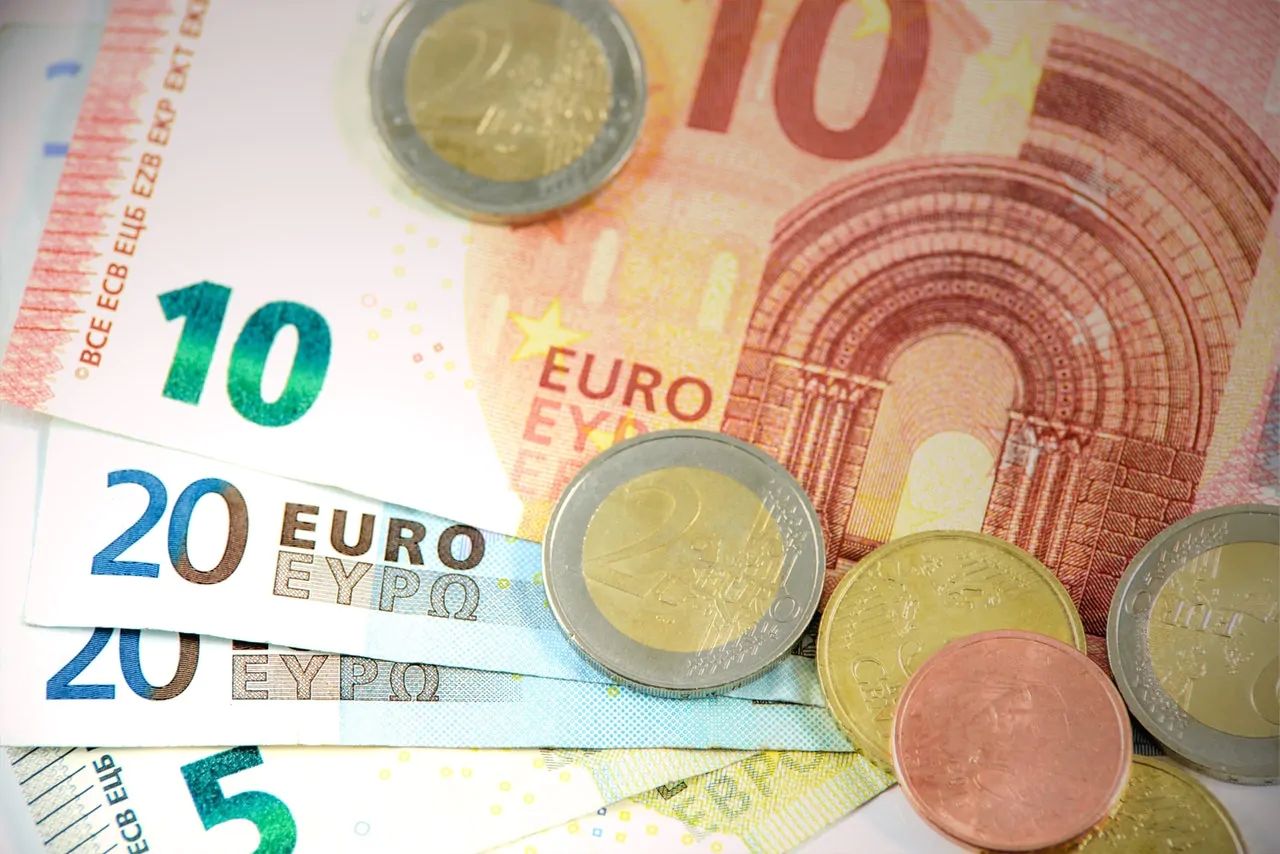
The euro is the official currency of the Eurozone, a monetary union of 20 European Union member states. Its currency code is EUR and its symbol is €. The Australian dollar is the official currency of Australia, including its external territories. Its currency code is AUD. Both currencies are among the most traded in the world, with the euro being the second-most held reserve currency and a major global benchmark. The Australian dollar is known as a commodity currency due to Australia's significant exports of natural resources like iron ore and coal. For Canadians, transactions involving these currencies often occur during international travel, online shopping from European or Australian retailers, business payments, or investment activities. The most popular exchange rate for the euro globally is the EUR to USD pair, while for the Canadian dollar it is the CAD to USD pair.
How the EUR/AUD Exchange Rate Is Determined
The primary rate quoted is the mid-market rate, which is the midpoint between the buy and sell prices in these wholesale markets. This rate is determined by the continuous flow of supply and demand from banks, financial institutions, governments, corporations, and speculators. The rate you see on financial data providers or a simple Google search is typically this mid-market rate. However, when individuals or businesses convert money through a bank or transfer service, they do not receive this pure mid-market rate. Instead, providers add a margin or spread to the rate, which is how they make money on the transaction alongside any stated fees. The final rate offered to a customer can vary based on the provider, the amount being converted, the payment method, and the timing of the transaction.
Factors That Influence the EUR/AUD Rate
Several key economic and geopolitical factors cause the EUR/AUD exchange rate to fluctuate. Interest rate decisions by the European Central Bank and the Reserve Bank of Australia are primary drivers, as higher interest rates in a region can attract foreign capital and strengthen its currency. Relative economic performance and growth forecasts for the Eurozone versus Australia also play a major role. Inflation data and central bank policy outlooks are closely watched by traders. Since Australia is a major exporter of commodities, global prices for resources like iron ore, coal, and natural gas significantly impact the Australian dollar's value. Political stability within the Eurozone and international trade dynamics can also cause movements. For the euro, broader economic sentiment in Europe and the policies of the European Central Bank are constant influences. These factors combine to create the volatility observed in the currency pair on a daily basis.

Historical Context and Notable Rate Movements
The EUR/AUD pair has a history of significant fluctuations reflecting the differing economic cycles of Europe and Australia. Access to over 20 years of historical exchange rate data is available, broken down by daily, monthly, and yearly periods. This long-term data allows analysts to observe trends such as periods where the euro strengthened considerably against the Australian dollar during European economic recoveries or when the Australian dollar rallied during commodity price booms. Volatility is a constant feature, underscoring the importance of monitoring rates if timing a transfer is flexible. Canadians looking to convert large sums may study these historical patterns to understand potential future ranges, though past performance is never a guarantee of future movements.
How Canadians Convert Euros to Australian Dollars
Canadians have multiple channels to convert euros to Australian dollars, each with distinct cost structures and processes. The most common methods include using banks, credit or debit cards, online money transfer specialists, and in-person currency exchange bureaus. The process typically involves selecting the euro as the currency you are converting from and the Australian dollar as the currency you are converting to, then entering the amount. Online platforms and apps provide real-time exchange rate quotes and instant calculations before you commit to a transaction. It is crucial to review the total cost upfront, which includes any transfer fee and the applied exchange rate margin. Many services allow you to send money for cash pickup at an agent location in Australia or via direct deposit into a bank account. Security measures, such as encryption and fraud prevention, are standard among regulated providers. Canadians should ensure they are using a service registered as a money service business with FINTRAC, a Government of Canada agency, for security and recourse.
- Banks and credit unions for branch or online transfers.
- Credit and debit cards for purchases or ATM withdrawals abroad.
- Online money transfer specialists like Xe or Wise.
- Services like Western Union for online, app, or in-person agent transfers.
- Specialized foreign exchange companies with online platforms.
- In-person currency exchange bureaus in major cities.
Different currency exchange services vary in their speed, convenience, and total cost. The total cost includes the exchange rate applied and any associated transfer fees. It is important to compare these factors before initiating a transfer. Checking the live exchange rate and all fees upfront is a recommended practice. This comparison helps you understand the full cost of converting your money.
Fees, Rates, and Charges from Canadian Providers
The total cost of converting currency is rarely just the advertised exchange rate. Canadian financial institutions and transfer services typically generate revenue through a combination of fees and exchange rate margins. Banks often charge a wire transfer fee for international sends and apply a markup to the mid-market exchange rate, which can be several percentage points. Online money transfer specialists frequently promote bank-beating rates and no hidden fees, with some guaranteeing to beat a competitor's verifiable rate. They may charge a low, transparent transfer fee or incorporate costs into a slightly adjusted rate. For example, a service may advertise no transaction fees but use an exchange rate slightly less favourable than the pure mid-market rate. Minimum transfer amounts can apply, such as a CAD 800 minimum for online transactions with some specialists. It is standard practice for providers to show the exchange rate, any transfer fee, and the total amount to be delivered upfront before the customer confirms the transaction.
| Provider Type | Common Cost Components |
|---|---|
| Major Banks | Wire transfer fee, exchange rate margin |
| Online Transfer Specialists | Low flat fee, competitive exchange rate near mid-market |
| In-Person Bureaus | Commission fee, marked-up exchange rate |
Practical Tips for Converting Currency
To get the best value when converting euros to Australian dollars, Canadians should adopt a few key practices. First, always compare the total cost from multiple providers, not just the exchange rate shown. Use online comparison tools or get live quotes from two or three services to see the final amount that will be delivered in AUD. Second, consider timing your transfer if you have flexibility, as exchange rates move constantly. Setting up a rate alert with a financial app or service can notify you when the EUR/AUD rate reaches a desired level. Third, understand the payment and payout methods, as these can affect both cost and speed. Paying via a bank transfer is often cheaper than using a credit card, which may incur cash advance fees and interest. Fourth, for larger amounts, investigate specialized foreign exchange firms that cater to businesses and high-value transfers, as they often offer more competitive rates due to high volume. Finally, always use regulated providers that hold client funds in segregated accounts at major Canadian financial institutions for security. Reading independent reviews and checking a company's registration with FINTRAC are prudent steps before transferring significant sums.
Security and Regulation in Currency Transfers
Security is a paramount concern when converting and transferring money internationally. In Canada, reputable currency exchange and money transfer businesses are registered as Money Services Businesses (MSBs) with the Financial Transactions and Reports Analysis Centre of Canada (FINTRAC). This government agency regulates the sector for anti-money laundering and anti-terrorist financing. These regulated firms often hold client funds in segregated accounts at major Canadian financial institutions, separate from their own operating funds. When sending money, providers use encryption and fraud prevention systems to protect transactions. Customers receive a tracking number, such as an MTCN (Money Transfer Control Number), to monitor the transfer's progress online or via an app. It is important for senders to only transfer money to people they know and trust, verify all receiver details carefully, and keep their transfer reference numbers confidential. Being aware of common scams and fraud warning signs adds an essential layer of personal security to the technical protections offered by the service provider.
Frequently asked questions
What is the difference between the mid-market rate and the rate I get?
The mid-market rate is the benchmark rate set between global banks on the foreign exchange market. It is the midpoint between the buy and sell prices. When you convert money through a bank, card, or transfer service, you will not receive this exact rate. Providers add a margin or spread to the mid-market rate, which is how they make a profit on the currency conversion. This margin, along with any stated transaction fees, determines the final rate and total cost you pay.
How can I send money from Canada to Australia?
You can send money from Canada to Australia using several methods. These include initiating an international wire transfer through your bank, using an online money transfer specialist like Western Union or Xe, or visiting an in-person agent location. The process involves converting your Canadian dollars to Australian dollars at the service's offered exchange rate. You can typically send money online, through a mobile app, or in person, with options for the recipient to receive funds in their bank account or as cash pickup at an agent location in Australia.
What is a rate alert and how does it work?
A rate alert is a notification service offered by many currency converter websites and apps. You can set a target exchange rate for a currency pair, such as EUR/AUD. The service then monitors the live market rates and sends you an email or app notification when the rate reaches your specified level. This allows you to time your currency conversion or transfer for a more favourable rate if your schedule is flexible, helping you potentially get more Australian dollars for your euros.
Is it safe to use online money transfer services?
Using regulated online money transfer services is generally safe. In Canada, look for services that are registered as a Money Services Business with FINTRAC, the federal financial intelligence unit. Reputable companies use strong encryption to protect your data and transactions. They also often hold client funds in segregated trust accounts at major banks. To further ensure safety, only send money to people you know, keep your transfer reference numbers private, and use the tracking tools provided to follow your payment's progress.
Why does the exchange rate I see on Google differ from a provider's rate?
Google typically displays the real-time mid-market exchange rate, which is a reference rate from the wholesale currency market. Money transfer providers apply a margin to this mid-market rate to cover their costs and generate profit. Therefore, the rate you are offered for an actual transaction will be different. The final rate can also vary between providers based on the transfer amount, your payment method, the chosen payout option, and the specific timing of your transaction.
Are there fees for using a credit card to convert currency?
Yes, using a credit card for foreign currency transactions usually incurs costs. Additionally, the credit card network uses its own exchange rate for the conversion, which includes a margin above the mid-market rate. If you use a credit card to fund a money transfer, the provider may treat it as a cash advance, triggering additional fees and immediate interest charges from your card issuer. To avoid these fees or for reduced fees, it is recommended to use a debit card or check other payment methods. The mid-market rate is the most accurate reflection of a currency's value, but the rate you receive for a personal transaction will differ.
Sources and further reading
- 1 EUR to CAD, Euros to Canadian Dollars Exchange Rate xe.com
- Euros to Canadian dollars Exchange Rate. Convert EUR ... wise.com
- CAD to AUD | Convert Canadian Dollar to Australian Dollar westernunion.com
- 180 EUR to AUD, Convert Euro to Australian Dollar canamcurrencyexchange.com
- 1 EUR to AUD, Convert Euro to Australian Dollar dukascopy.com
This article explains how things work and is not financial, tax or legal advice. Rules, limits and rates change, so check the current figures with the Canada Revenue Agency, your province or your financial institution before you act.