Converting Danish kroner to Canadian dollars is a common transaction for travellers, investors, and businesses with ties between Denmark and Canada. The exchange rate between the two currencies fluctuates based on global market forces, including economic data and interest rate decisions. Canadians have several options for converting money, each with different costs and convenience levels. Understanding how the rate is set and the fees involved can help ensure you get the best possible value when exchanging DKK for CAD.
The Danish Krone and Canadian Dollar
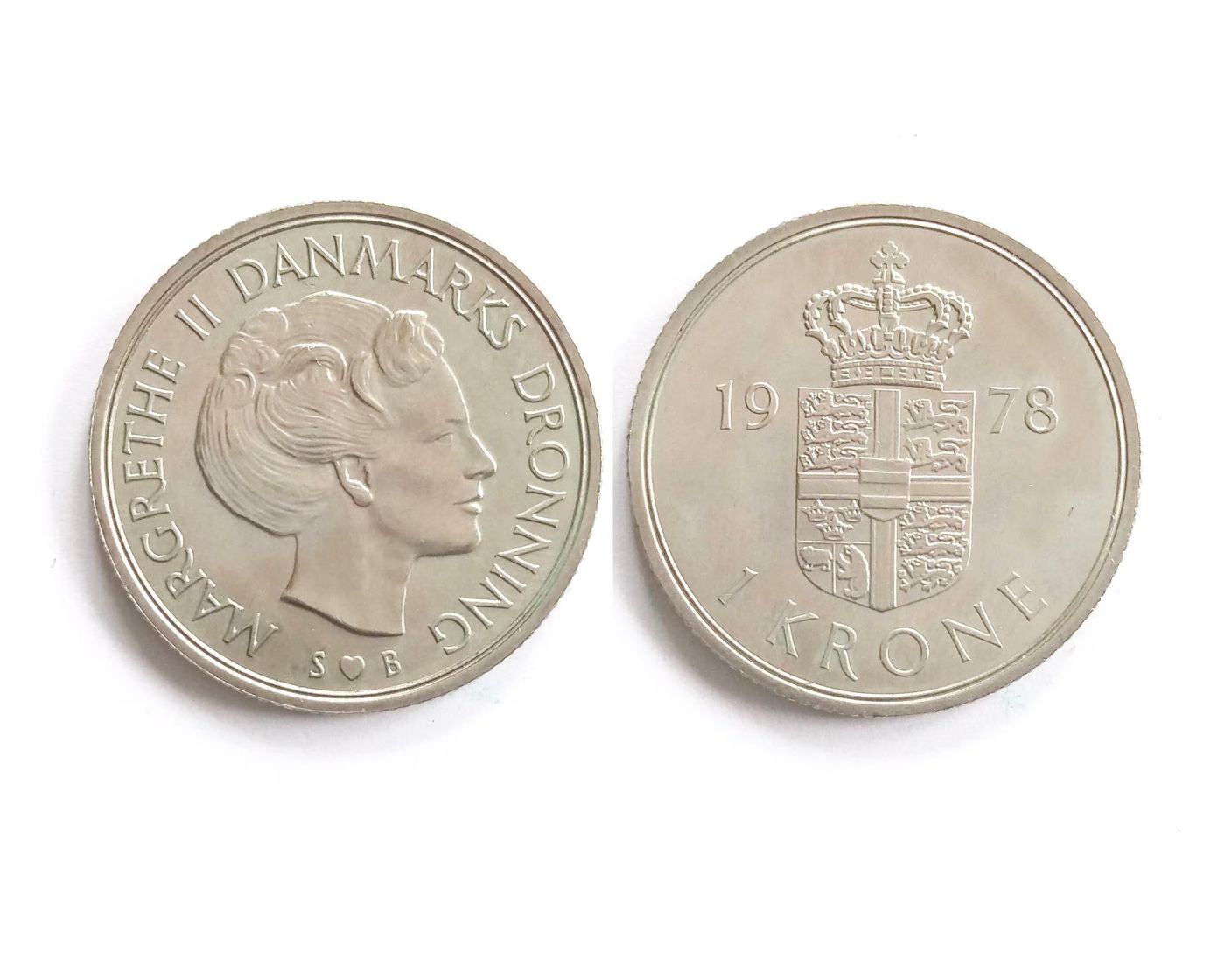
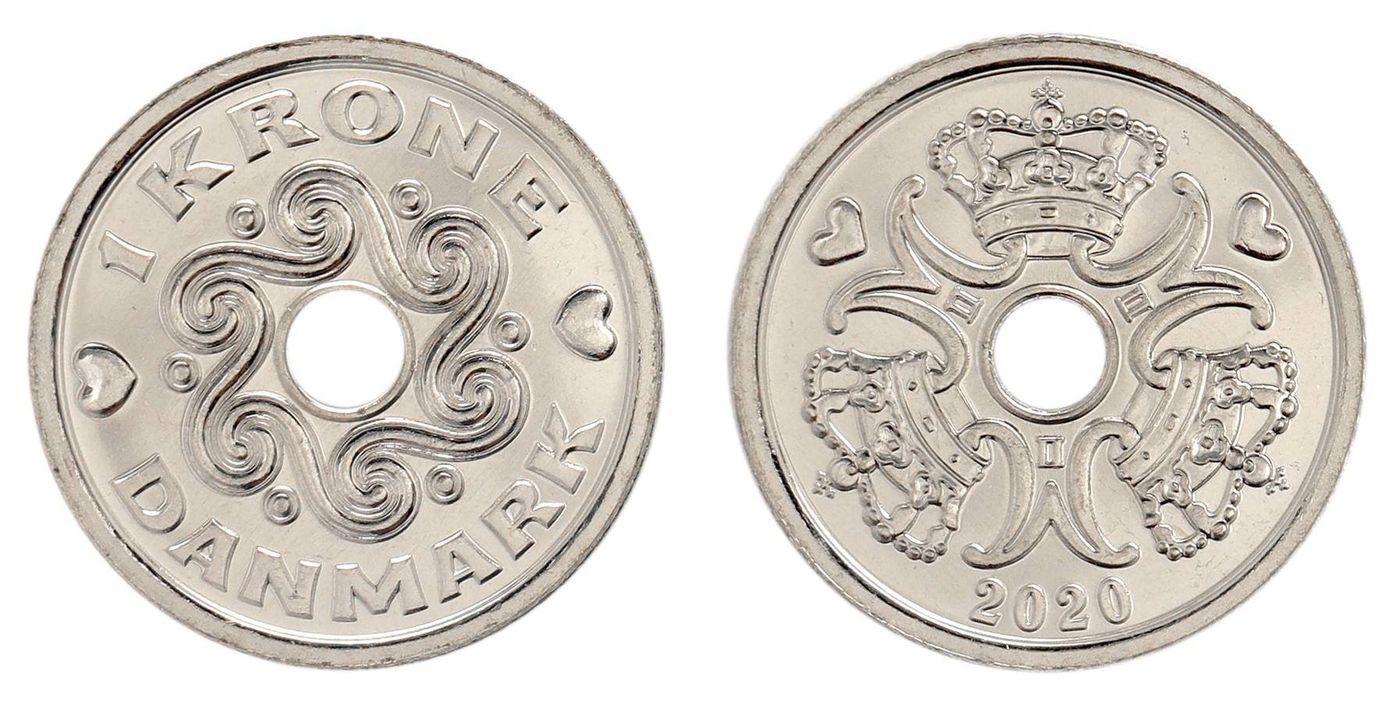
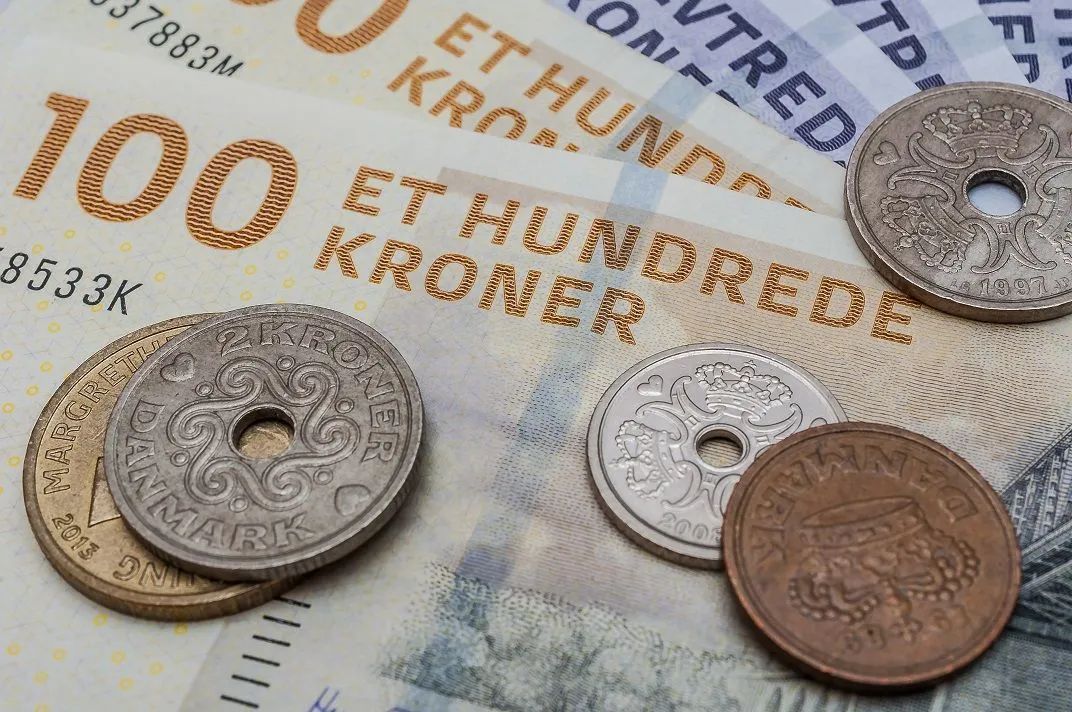
The Danish krone is the official currency of Denmark, Greenland, and the Faroe Islands. Its currency code is DKK and it is subdivided into 100 øre. The symbol for the krone is kr. The Canadian dollar is the official currency of Canada with the code CAD and is symbolized by the dollar sign $. Both currencies are freely traded on the global foreign exchange market. The Canadian dollar is a major world currency and a popular reserve asset, while the Danish krone is a European currency with a long history. The exchange rate between them shows how many Canadian dollars one Danish krone can buy. The most popular exchange rate for the Danish krone is DKK to USD, and for the Canadian dollar it is CAD to USD.
How the DKK to CAD Exchange Rate is Set
The DKK to CAD exchange rate is determined by the global foreign exchange market, where currencies are traded around the clock. The price you see quoted is typically the mid-market rate, which is the midpoint between the buy and sell prices in these wholesale markets. This is the rate used for reference by financial institutions and currency data providers. The rate Canadians actually receive when converting money is different from this mid-market rate. Banks and currency services apply a margin or fee on top of the mid-market rate, which is how they make a profit on the transaction. Several key factors influence the movement of the DKK to CAD rate. Changes in interest rates set by the Bank of Canada and Denmark's central bank can attract or repel investment flows, affecting currency demand. Economic data releases, such as GDP growth, employment figures, and inflation reports from both countries, also cause the rate to move. Broader market sentiment and global risk appetite can drive investors towards or away from currencies like the Canadian dollar, which is often linked to commodity prices. Political events and trade dynamics between Europe and North America also play a role in the exchange rate's daily fluctuations. The rate is also influenced by the relative strength of the US dollar, as both DKK and CAD are commonly traded against it.
Recent Performance and Volatility
The DKK to CAD exchange rate experiences constant movement, with its value changing by the minute. Over recent periods, the rate has moved within a relatively narrow band, reflecting typical market volatility. In the short term, the rate can be influenced by daily news and trading activity. Looking at longer timeframes provides a clearer picture of the trend and average value between the two currencies. Volatility, a measure of how much the rate fluctuates, has been observed at different levels over various periods. Examining specific time periods reveals the range of movement and volatility for the DKK to CAD pair.
- Over the last 7 days, the rate moved between 0.2116 and 0.2131, with an average of 0.2126 and volatility of 0.10%.
- Over the last 30 days, the rate reached a high of 0.2157 and a low of 0.2116, with an average of 0.2141 and volatility of 0.20%.
- Over the last 90 days, the rate showed a high of 0.2170 and a low of 0.2116, averaging 0.2148 with volatility of 0.17%.
- The change in value for DKK to CAD over the last 30 days was a decrease of 1.98%.
- The change in value over the last 90 days was a decrease of 1.58%.
This data illustrates that while the rate fluctuates, it often centres around a particular level for extended periods. The performance of DKK to CAD in the last 30 days saw a 30 day high of 0.2157 and a 30 day low of 0.2110. This means the 30 day average was 0.2140. The performance over the last 90 days saw a 90 day high of 0.2170 and a 90 day low of 0.2110. This means the 90 day average was 0.2148. The change for DKK to CAD was negative 1.98 percent over 30 days and negative 1.58 percent over 90 days.
Methods for Converting DKK to CAD in Canada
Canadians have several avenues for converting Danish kroner into Canadian dollars. The most common methods include using banks, credit cards, specialized currency exchange kiosks, and online money transfer services. Each option has a different cost structure and level of convenience. It is important to compare the total cost, which includes the exchange rate margin and any fixed fees, before making a transaction. The advertised rate is rarely the rate you receive, as providers add a markup. Banks are a traditional choice for currency exchange, offering the security of a regulated institution. They typically apply a significant markup to the mid-market rate, which can be several percentage points. Many banks also charge a flat transaction fee for currency conversion services. Prepaid travel cards can be loaded with Danish kroner, but they may have loading fees and poor exchange rates. Online money transfer services and specialized currency converters have become popular alternatives. These digital platforms often advertise using the real mid-market rate and charging a low, transparent fee. They can be a cost-effective option for larger transfers, as the fee structure is usually clearer than that of traditional banks. Some services allow you to set up rate alerts to notify you when the DKK to CAD rate reaches a desired level. For immediate cash needs, airport and hotel exchange kiosks are convenient but typically offer the worst rates and highest fees.
Fee Structures and Provider Comparisons
The total cost of converting currency is not always obvious, as it combines the exchange rate margin with any additional fees. The mid-market rate is the benchmark, but no consumer service offers this rate directly. Providers make money by selling you Canadian dollars at a higher rate than they buy them for, or by charging explicit fees. A good practice is to ask for the total amount of CAD you will receive for a specific amount of DKK after all costs, and then compare that outcome across different providers. Online comparison tools can illustrate the potential savings from using different services. Savings are calculated by comparing the exchange rate including margins and fees provided by different providers on the same day. For example, a comparison based on a single transfer of a large amount showed that using a specialized transfer service could provide savings compared to a traditional bank. The actual savings depend on the transfer amount, the specific currencies, and the timing of the transaction. It is crucial to review all pricing upfront before committing to a transfer, as hidden fees can erode the value. Many digital services now provide real-time exchange rates, estimated delivery times, and a full fee breakdown before you confirm a transaction. These services operate in over 190 countries and support transfers in over 130 currencies.
Tools and Features for Savvy Converters
Modern currency conversion services offer a variety of tools to help users make informed decisions and potentially save money. These features are designed to provide transparency, control, and convenience for individuals and businesses alike. Utilizing these tools can help you time your currency conversion better and understand the full cost involved. Many of these tools are available for free through online platforms and mobile applications. Key features offered by leading currency converters and transfer services include:
- Live currency converters that show the mid-market rate and allow you to calculate conversions instantly.
- Historical data charts that track mid-market rates over time, some allowing you to view data for up to the last 5 years.
- Rate alert systems that notify you via email or app when your desired DKK to CAD exchange rate is reached.
- Daily summaries and news updates to keep you informed about market movements.
- Interactive DKK to CAD charts that use real-time mid-market exchange rates.
- Upfront pricing displays that show all fees and the final amount you will receive before you confirm a transfer.
- The ability to save favourite currency pairs for easy checking and comparison.
These tools empower users to monitor the market and execute conversions when it is most advantageous for them. Users can view historical data up to the last 5 years to understand long term trends. Rate alerts notify users when a desired exchange rate is reached. Some services also offer the ability to make cross border payments and provide FX risk management solutions for more complex financial needs. They allow users to schedule international transfers across 130 currencies in over 190 countries.
Key Considerations for Currency Conversion
When planning to convert Danish kroner to Canadian dollars, timing and method are important factors. Exchange rates are volatile, so the amount you receive can vary from day to day. If you are not in a hurry, you can monitor the rate and execute the conversion when it is favourable. Some services offer rate alert tools to help with this. For large amounts, even a small difference in the rate or fee can translate into a significant sum of money. It is also vital to consider the purpose of the conversion. For travel spending, a mix of methods might be optimal, such as using a credit card with no foreign transaction fee for purchases and withdrawing a small amount of local currency from an ATM. For business payments or large personal transfers, an online money transfer service specializing in foreign exchange may provide better rates and lower costs than a standard bank wire. Always verify the security and regulatory compliance of any service you use, especially for online transactions. Many services highlight that they are free from hidden fees and always use the mid-market exchange rate for their calculations, though a separate service fee usually applies.
Common Conversion Amounts
When planning a conversion, it is helpful to understand what common amounts translate to between the two currencies. These conversions are based on a standard exchange rate and provide a general reference point for budgeting and planning. The actual amount you receive will depend on the live rate and the fees applied by your chosen provider. The following table shows approximate conversions from Canadian dollars to Danish kroner based on a common rate.
| Canadian Dollars (CAD) | Danish Kroner (DKK) |
|---|---|
| 1 CAD | 4.73 DKK |
| 5 CAD | 23.65 DKK |
| 10 CAD | 47.30 DKK |
| 20 CAD | 94.61 DKK |
These figures illustrate the inverse relationship between the two currencies. For converting from DKK to CAD, a common approximation is that 1 Danish krone equals about 0.21 Canadian dollars. These conversions are useful for quick mental calculations, but for precise amounts, always use a live currency converter that reflects the current mid-market rate. You can convert currencies by visiting a currency converter, selecting your preferred currency pair, entering your amount, and viewing the live mid-market rate.
Frequently asked questions
What is the current DKK to CAD exchange rate?
The DKK to CAD exchange rate changes constantly throughout the trading day. The live mid-market rate, which is the benchmark rate between banks, is displayed on currency converter tools. The rate you actually get from a bank or exchange service will be different, as they add a margin for their service. You can check the current mid-market rate using online converters or financial data websites. As of a recent update, the mid-market rate was kr1 = $0.2109, but this is subject to change at any moment.
How can I convert Danish kroner to Canadian dollars?
You can convert DKK to CAD through banks, currency exchange kiosks, online money transfer services, or by using credit or debit cards. Each method has different fees and exchange rate margins. Online converters and transfer services often provide real-time quotes and transparent fee structures before you complete a transaction. Some services allow you to send money to over 190 countries in 130 different currencies. To convert, you typically visit a currency converter, select DKK to CAD, enter your amount, and view the live rate.
Are there fees to convert DKK to CAD?
Yes, there are almost always fees involved. Banks and exchange services typically add a markup to the mid-market exchange rate, which is a hidden fee. They may also charge a separate flat transaction fee. Some online services advertise no additional exchange fees or hidden fees, but they may charge a separate service fee. It is important to see all pricing upfront before starting a transfer.
Can I set an alert for a specific DKK to CAD rate?
Yes, many online currency converter platforms and money transfer services offer a rate alert feature. You can set your desired DKK to CAD exchange rate, and the service will notify you via email or app notification when the market rate reaches that level. This tool is useful if you are waiting for a more favourable rate before making a large conversion or transfer. You can set an alert on a rate alerts page or within a dedicated currency application.
What is the difference between the mid-market rate and the rate I get?
The mid-market rate is the real-time benchmark rate used in trading between financial institutions. The rate you are offered by a bank or currency service is the retail rate, which includes a profit margin for the provider. This margin is how these services make money on currency conversion, so the rate you receive is always less favourable than the mid-market rate. The difference can be several percentage points. You won't receive the mid-market rate when sending money through consumer channels.
Is it better to exchange currency in Canada or in Denmark?
Exchanging currency at airport kiosks or hotels in either country typically offers poor rates and high fees. Generally, using a debit card at a local ATM in Denmark for cash or using a credit card with no foreign transaction fee for purchases can provide competitive rates. For larger amounts, comparing rates from online transfer services before your trip is advisable. These services often offer bank-beating rates and transparent pricing for international transfers, which can be arranged from Canada before you travel.
Sources and further reading
- Danish kroner to Canadian dollars Exchange Rate. ... wise.com
- 1 DKK to CAD, Danish Kroner to Canadian Dollars ... xe.com
This article explains how things work and is not financial, tax or legal advice. Rules, limits and rates change, so check the current figures with the Canada Revenue Agency, your province or your financial institution before you act.