Converting Swiss francs (CHF) to US dollars (USD) is a common transaction for Canadians engaged in international trade, travel, or investment. The exchange rate between these two major currencies fluctuates constantly based on global market forces. Understanding how this rate is set, its historical context, and the costs involved in conversion helps Canadians make informed financial decisions. This guide covers the mechanics of the CHF/USD pair and the practical aspects of currency exchange from a Canadian perspective.
Understanding the Swiss Franc and US Dollar
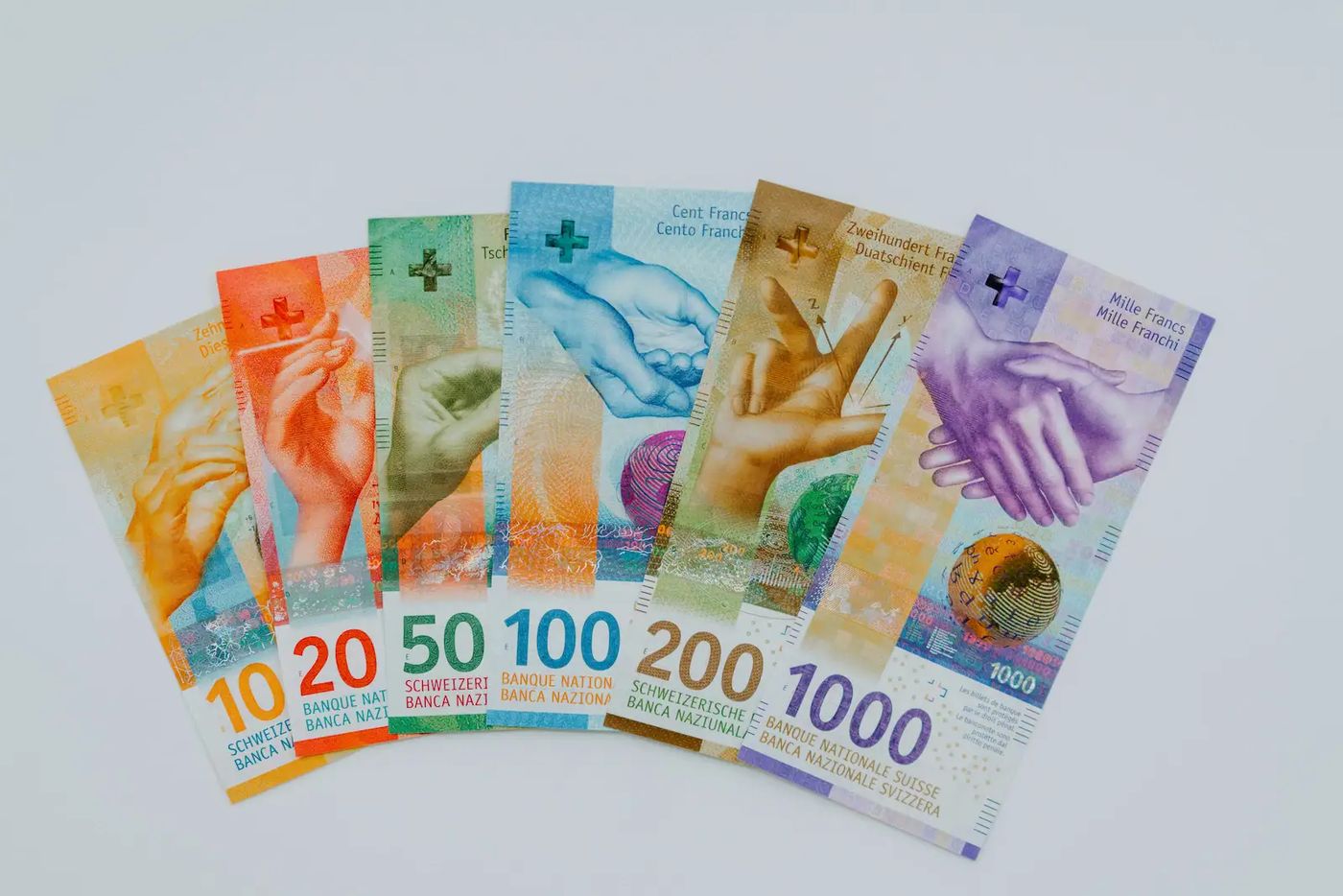
The Swiss franc, denoted by the currency code CHF, is the official currency of Switzerland and Liechtenstein. It is widely regarded as a safe haven currency due to Switzerland's political stability, strong banking system, and conservative monetary policies. During periods of global economic uncertainty or market volatility, investors often buy Swiss francs as a reliable store of value. The US dollar, with the code USD, is the world's primary reserve currency and the most traded currency globally. The exchange rate between the franc and the dollar is among the most watched currency pairs in the world, reflecting flows between a major safe haven and the world's dominant fiat currency. The most popular Swiss Franc exchange rate is the CHF to USD rate, and the most popular US Dollar exchange rate is the USD to USD rate.
How the CHF/USD Exchange Rate is Determined
The mid-market rate is the wholesale exchange rate used between large financial institutions when trading significant volumes of currency. This rate represents the midpoint between the buy and sell prices and is free of any markup or fees. Individual consumers and smaller traders do not have direct access to this wholesale rate. Instead, they are offered a customer rate, which includes a markup above the market rate. This markup covers transaction costs, risk, and profit for the service provider, such as a bank or currency exchange platform. The difference between the buy and sell price offered to customers is known as the spread, and its size can vary significantly between different providers. For informational purposes, conversions are based on Bank of Canada exchange rates, which are published each business day by 16:30 ET. This mid-market rate is the one you see quoted in live charts and converters.
Factors Influencing the Exchange Rate
Several key factors cause the CHF/USD rate to move. Monetary policy decisions from the Swiss National Bank and the US Federal Reserve are primary drivers, as changes in interest rates affect capital flows and currency attractiveness. Economic data releases, such as GDP growth, employment figures, and inflation rates in both countries, also create volatility. The Swiss franc's safe haven status means the pair is particularly sensitive to global geopolitical tensions and financial market stress. During such times, demand for CHF typically increases, which can cause it to appreciate against the USD. Conversely, during periods of robust global growth and risk appetite, the US dollar may strengthen relative to the franc. Market sentiment and speculative trading based on these and other factors contribute to the daily fluctuations observed in the exchange rate. The performance of related pairs, like the Canadian dollar to Swiss franc, can also offer indirect signals about broader market trends. For example, the CAD to CHF pair saw a 90-day high of 0.5901 and a low of 0.5751, with an average of 0.5833.
Historical Context and Notable Movements
The relationship between the Swiss franc and the US dollar has seen significant shifts over time, influenced by major economic events. The Swiss franc has historically been considered a strong and stable currency. Its safe haven characteristic was prominently displayed during the European debt crisis and other periods of global uncertainty, when it appreciated sharply. Recent volatility data offers insight into typical movements for the CHF/USD pair. Over a 90-day period, the CHF to USD rate moved between 1.1966 and 1.2533, with an average of 1.2240 and a volatility of 0.35 percent. Over a 30-day period, the range was between 1.1966 and 1.2182, with an average of 1.2066 and 0.27 percent volatility. These figures illustrate the dynamic nature of the currency pair even in relatively short timeframes. The performance over the last 7 days showed a range between 1.1988 and 1.2138 with an average of 1.2074.
Key recent performance metrics for the CHF/USD pair are based on mid-market exchange rates. Over the last 7 days, the CHF to USD rate moved between 1.1988 and 1.2138, with an average of 1.2074. Over the last 30 days, the rate moved between 1.1966 and 1.2182, with an average of 1.2066. Over the last 90 days, the CHF to USD rate moved between 1.1966 and 1.2533, with an average of 1.2240.
- 7-day high: 1.2138
- 7-day low: 1.1988
- 7-day average: 1.2074
- 7-day volatility: 0.28%
- 30-day high: 1.2182
- 30-day low: 1.1966
- 90-day high: 1.2533
- 90-day low: 1.1966
These metrics show that while the pair can experience wider swings over three months, shorter-term movements are often contained within a narrower band. Tracking these ranges can help Canadians understand the potential scale of rate changes when planning a currency conversion. The 30-day average was 1.2066, and the 90-day average was 1.2240, indicating a general level around which the rate has traded. The volatility over the last 90 days was 0.35 percent, which is higher than the 0.27 percent volatility seen over the last 30 days.
Methods for Converting Currency in Canada
Canadians have several options when they need to convert Swiss francs to US dollars. Traditional methods include using banks, which offer currency exchange services at their branches. Credit and debit cards can also be used for conversions during international transactions, though often with added fees. Online money transfer specialists and digital currency converters provide modern alternatives. These platforms typically allow users to initiate transfers, track them in real time, and receive funds in over 190 countries across more than 130 currencies. The process for using an online converter involves selecting the currency pair, entering the amount, and viewing the live mid-market rate. It is important to note that the mid-market rate is for informational purposes only, and the actual rate received when sending money will include a markup. Some services allow you to save your favourite currencies to check how the exchange rate changes over time. Registration for these online accounts is often free and can be completed quickly.
The main steps for converting currency using an online platform involve a few key actions. First, you select your preferred currency pair, such as CHF to USD. Next, you enter the amount you wish to convert. Then, you view the live mid-market rate and all applicable fees shown upfront before you commit. Finally, you can complete the transaction, which often includes tracking the transfer in real time.
- Visit the currency converter tool on the provider's website or app.
- Select Swiss Franc (CHF) as the 'From' currency and US Dollar (USD) as the 'To' currency.
- Enter the amount of Swiss francs you wish to convert.
- View the live mid-market rate and the estimated amount in US dollars.
- If sending money, proceed to a transfer page to see the final customer rate, all fees, and delivery estimates upfront.
- Provide recipient details and authorize the transfer, which can then be tracked in real time.
This process provides more transparency and control compared to walking into a bank branch, as all costs are displayed before you commit to the transaction. Many platforms also offer the ability to set up rate alerts for future conversions. These services are accessible via computer, tablet, or phone, providing convenience and autonomy for users managing their international finances. Some platforms allow you to save favourite currencies to check how the exchange rate changes over time.
Fees and Charges from Financial Institutions
The cost of converting CHF to USD in Canada involves more than just the exchange rate. Banks and other providers typically add a markup to the mid-market rate, which is their profit margin. This can be presented as a wider spread between the buy and sell rates or as a direct commission fee. Some services advertise being free from hidden fees and offering the mid-market rate, but it is crucial to see the full price upfront before initiating a transfer. The actual savings from using one service over another depend on the transfer amount, currency types, and timing. For example, comparison savings calculated for a single large transfer on a specific date may not be indicative of savings for all transactions. Canadians should always compare the total cost, including all margins and fees, across multiple providers before making a decision. Some providers claim savings of 30% to 80% compared to traditional bank rates by eliminating transaction fees and using better exchange rates. These savings are calculated by comparing the exchange rate including margins and fees provided by each bank and a service like Xe on the same day.
Tools and Strategies for Savvy Conversion
Several tools can help Canadians manage currency conversion more effectively. Live currency charts that track mid-market rates over the last 5 years allow users to view historical trends and make informed timing decisions. Setting a rate alert is a common strategy. Users can specify a desired CHF/USD rate and receive a notification when the market reaches that level. This helps avoid constantly monitoring the markets. Interactive currency converters use real-time mid-market rates and provide handy conversion tables for common amounts. When planning a conversion, it is advisable to monitor live exchange rates, compare conversion fees across different services, and understand the broader trends in the currency markets. These steps can lead to more favourable outcomes when exchanging Swiss francs for US dollars. Some platforms offer daily summaries of market news to ensure users never miss out on the latest developments affecting exchange rates. The goal is to make your money go further, no matter the distance, by avoiding exchange rate markups and high transaction fees.
Useful features offered by modern currency conversion services include several key tools. One feature is the ability to set up rate alerts for specific currency pairs. Another is providing real-time mid-market exchange rates and historical data. Services also often allow you to track every transfer in real time and see estimated delivery times. Furthermore, some platforms offer interactive charts to view historical data and daily summaries of market news.
- Interactive charts showing historical data for up to 5 years.
- Rate alert notifications when a target exchange rate is reached.
- Daily market news summaries.
- Real-time tracking of every transfer.
- Upfront display of all fees and the final customer rate.
- Ability to send money to over 190 countries.
- Support for transactions in over 130 currencies.
- Mobile apps for managing conversions on the go.
Leveraging these tools empowers Canadians to take control of their international finances. By setting alerts and studying historical charts, one can identify favourable trends and avoid converting money during periods of high volatility or unfavourable rates. The key is to use the available data to make an informed decision rather than reacting to the market at the last minute. These services are designed to keep your currencies to hand in one place and convert them in seconds, providing all you need in one account whenever you need it.
Comparing Conversion Costs Across Providers
The total cost of converting Swiss francs to US dollars can vary dramatically depending on the service provider. Banks generally offer convenience but often have higher markups on the exchange rate and may charge additional transaction fees. Online money transfer specialists frequently promote bank-beating rates and no hidden fees, which can result in significant savings, especially on larger amounts. It is important to understand that the advertised mid-market rate is rarely the rate you receive. The customer rate is what determines your final cost. A fair comparison requires looking at the total amount of US dollars that would be delivered after all fees and margins are applied. Some providers calculate comparison savings based on a single large transfer example, but these results may not apply to all transaction sizes or dates. For instance, a comparison might be based on a transfer of GBP 20,000 to USD on a specific date like 10/20/2026.
| Provider Type | Typical Cost Characteristics | Key Considerations |
|---|---|---|
| Major Canadian Banks | Higher exchange rate markups, possible flat transaction fees. | Convenient for in-branch service, but often the most expensive option. |
| Online Transfer Specialists | Lower margins, often no transfer fees on larger amounts. | Requires online setup, but offers better rates and transparency. |
| Currency Converter Apps | Show mid-market rate for information. Actual rate depends on linked service. | Great for tracking rates and calculating estimates, but not for execution. |
As the table illustrates, the choice of provider has a direct impact on cost. For a one-time tourist converting a few hundred francs, the difference might be minimal. For a business making regular large payments or an individual transferring savings, the savings from using a competitive online service can be substantial. Always request a live quote that shows the final deliverable amount before committing to any currency conversion service. This quote will include the specific customer rate for your transaction, not just the generic mid-market rate.
Frequently asked questions
What is the mid-market exchange rate?
The mid-market rate is the wholesale exchange rate used between large banks and financial institutions when trading significant volumes of currency. It represents the midpoint between the global buy and sell prices and has no markup or fees added. This rate is published daily by the Bank of Canada by 16:30 ET. Individuals rarely receive this exact rate when converting money, as service providers apply a customer rate that includes a markup for profit and costs.
Why is the Swiss franc considered a safe haven currency?
The Swiss franc is widely considered a safe haven currency during times of global economic uncertainty or market volatility. Its reputation stems from Switzerland's political stability, strong banking system, and conservative monetary policies. These factors make investors view the franc as a reliable store of value when other currencies fluctuate. As a result, during periods of geopolitical tension or financial crisis, investors often buy Swiss francs to protect their wealth.
How can I check the live CHF to USD exchange rate?
You can check the live rate using online currency converters or financial portals that provide real-time mid-market rates. These tools allow you to select the CHF/USD currency pair, enter an amount, and see the current conversion value. Many services also offer interactive charts that track the rate over the last 12 months or longer. It is important to remember that the live mid-market rate you see is for information, and the rate you actually get when sending money will be different.
What are the main ways to convert CHF to USD from Canada?
The main methods include using a Canadian bank's foreign exchange service, converting through a credit or debit card during a transaction, or utilizing an online money transfer specialist. Banks offer this service at branches but typically have higher markups. Online platforms allow you to initiate transfers to over 190 countries in many currencies, often with real-time tracking and upfront pricing. Comparing the total cost across these options is essential.
Are there fees when converting currency with a bank?
Yes, banks charge fees when converting currency. They do not offer the pure mid-market rate to retail customers. Instead, they apply a markup, which is their profit margin, resulting in a customer rate. This can be in the form of a wider spread between their buy and sell prices or a direct transaction fee. The total cost can vary between institutions, so it is important to ask for the complete rate including all margins and fees before proceeding with a conversion.
Can I set an alert for a specific CHF/USD exchange rate?
Yes, you can set up a CHF to USD rate alert on some online currency services or within their apps. You specify your desired target rate, and the service will send you a notification when the live mid-market rate reaches that level. This tool helps you avoid constantly watching the markets and allows you to act when the rate moves in your favour. However, setting an alert does not guarantee the same rate will be available when you initiate a transfer.
Sources and further reading
- Canadian dollars to Swiss francs Exchange Rate. Convert ... wise.com
- 1 CHF to USD, Swiss Francs to US Dollars Exchange Rate xe.com
- 1 CHF to CAD, Convert Swiss Franc to Canadian Dollar dukascopy.com
- Convert Swiss Francs to Canadian Dollars | CHF to CAD currency.me.uk
- Swiss Franc to Canadian Dollar Converter (CHF/CAD) telexoo.com
This article explains how things work and is not financial, tax or legal advice. Rules, limits and rates change, so check the current figures with the Canada Revenue Agency, your province or your financial institution before you act.