The exchange rate between the Swiss franc and the Canadian dollar is a key financial metric for Canadians involved in international travel, business, or investment. The Swiss franc is considered a safe-haven currency, while the Canadian dollar is closely tied to commodity prices like oil. Understanding how the CHF to CAD rate is set, what influences its movements, and how to convert money efficiently can help Canadians make informed financial decisions. This guide covers the mechanics of the exchange rate, its historical context, and practical conversion methods.
Understanding the Swiss Franc and Canadian Dollar
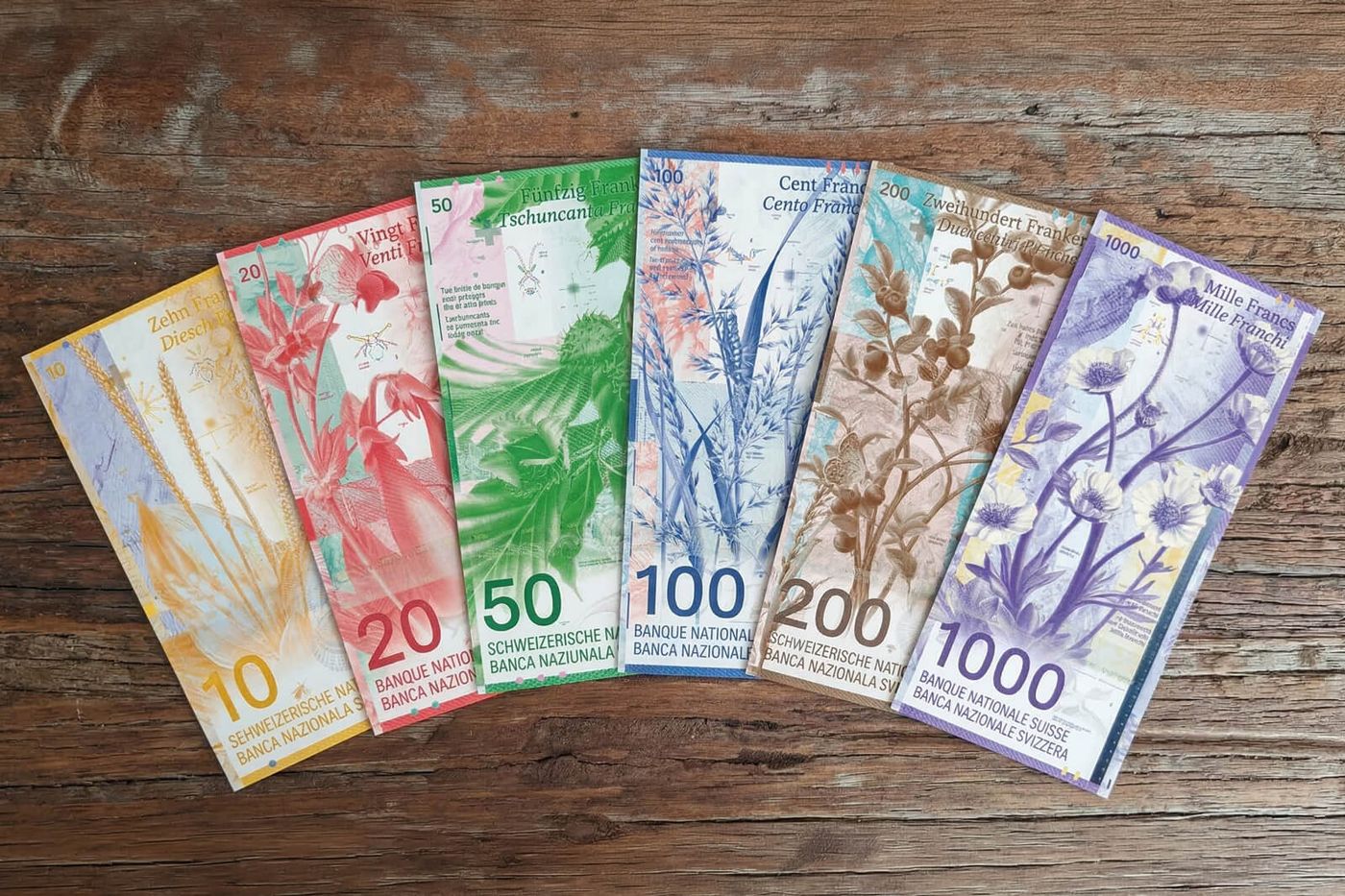
The Swiss franc is the official currency of Switzerland and Liechtenstein, issued by the Swiss National Bank. It is globally recognized as a safe-haven currency due to Switzerland's long-standing political neutrality, economic stability, and strong banking sector. Investors often turn to the franc during periods of global economic uncertainty or market volatility, viewing it as a reliable store of value. The currency code for the Swiss franc is CHF, and its symbol is Fr. or CHF.
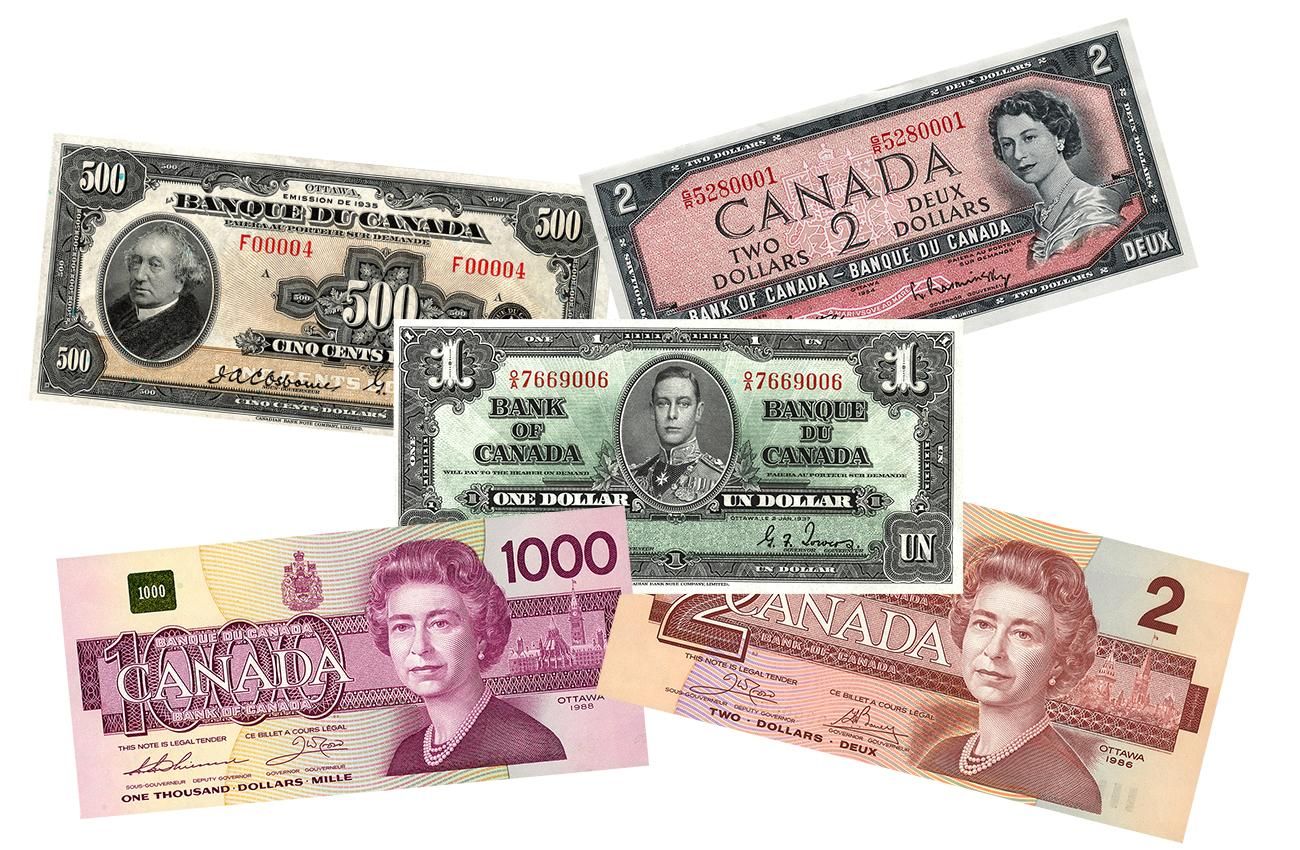
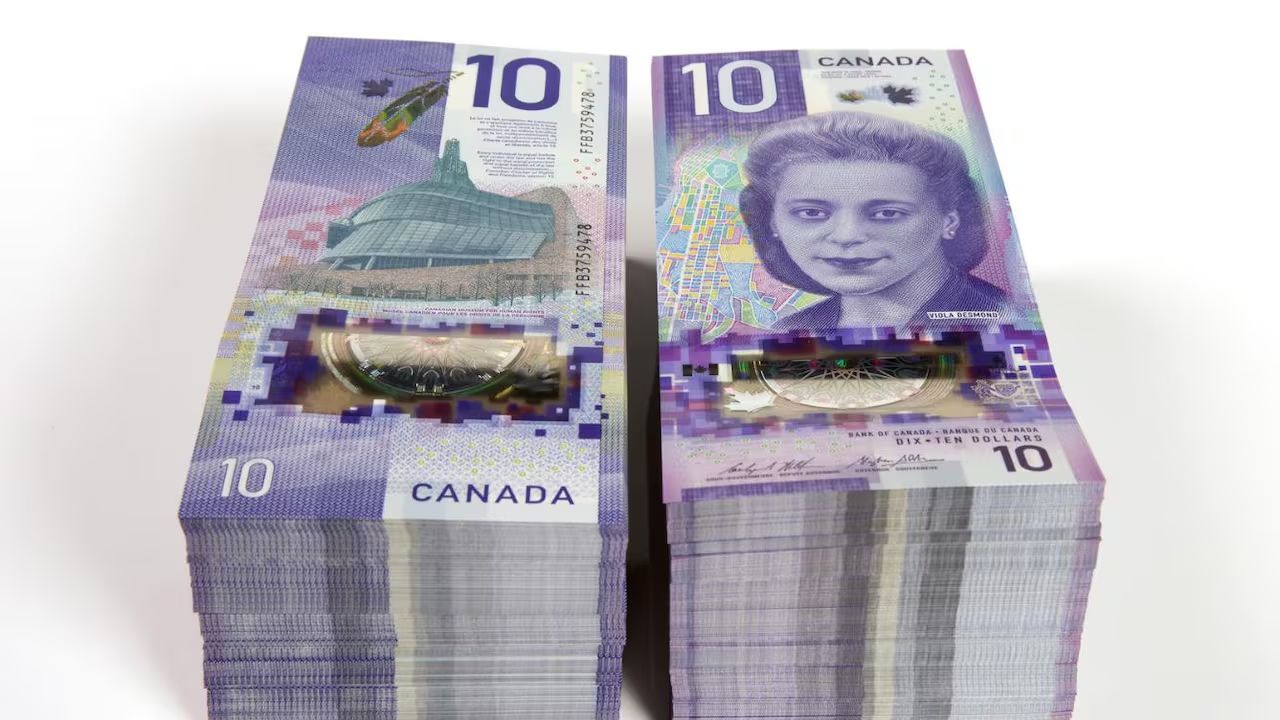
The Canadian dollar is the official currency of Canada, issued by the Bank of Canada. Its value is heavily influenced by the country's status as a major exporter of natural resources, particularly crude oil. As a result, the Canadian dollar often tracks global commodity prices and the economic performance of its largest trading partner, the United States. The currency code for the Canadian dollar is CAD, and its symbol is $. The Canadian dollar is one of the world's major reserve currencies.
The Swiss franc and the Canadian dollar operate under a floating exchange rate regime. Their values are determined by supply and demand in the global foreign exchange market. The Swiss National Bank manages the Swiss franc. The Bank of Canada manages the Canadian dollar. The exchange rate between CHF and CAD fluctuates based on supply and demand.
How the CHF to CAD Exchange Rate is Determined
The CHF to CAD exchange rate is set in the global foreign exchange market, the largest financial market in the world with a daily trading volume exceeding six trillion dollars. The rate represents how many Canadian dollars are needed to purchase one Swiss franc, and it fluctuates continuously based on real-time trading activity between banks, institutions, and other participants. The mid-market rate is the benchmark figure derived from this wholesale trading. Currencies are quoted with two prices: the bid price, which is what buyers are willing to pay, and the ask price, which is what sellers are willing to accept. The difference between these two prices is known as the spread. The mid-market rate, which is the figure typically displayed on financial portals and currency converters, is the midpoint between the bid and ask prices. This rate represents the wholesale exchange rate used between large financial institutions and does not include any retail markups or fees.
For individual customers, the rate offered by banks or currency exchange services is known as the customer rate. This rate includes a markup above the mid-market rate, which covers the provider's transaction costs, risk, and profit margin. For example, if the mid-market rate for CHF/CAD is 1.1200, a customer selling francs might receive a rate of 1.1150, while a customer buying francs might be quoted 1.1250. The size of this markup varies significantly between different service providers, and comparing these customer rates is essential for finding the best deal.
Key Factors Influencing the Exchange Rate
The exchange rate between the Swiss franc and the Canadian dollar is influenced by a complex interplay of economic, financial, and geopolitical factors. These forces create the constant fluctuations observed in the market. Understanding these drivers can help Canadians anticipate potential movements in the rate. The primary influences include central bank policy, commodity prices, and global risk sentiment.
Interest rate decisions by the Swiss National Bank and the Bank of Canada are primary drivers of the exchange rate. Investors seek higher returns in assets denominated in the currency with more attractive yields. This leads to capital flows that can strengthen one currency against the other. Economic data releases and central bank announcements can cause significant movements in the rate.
Economic Data and Commodity Prices: The Canadian dollar is particularly sensitive to changes in the price of crude oil, a major export. A rise in oil prices often strengthens the loonie. Conversely, the Swiss franc reacts to Swiss economic indicators like inflation, GDP growth, and trade balances, as well as global risk sentiment due to its safe-haven status. Strong Swiss data can bolster the franc, while weak Canadian economic reports can weigh on the CAD.
The Swiss franc is considered a safe haven currency during times of global economic uncertainty or market volatility. Increased demand for the franc during geopolitical tensions can cause it to appreciate against the Canadian dollar. The Canadian dollar is heavily influenced by oil prices as Canada is a major oil exporter. Traders monitor news and data releases from both countries for signals about economic health.
Historical Performance and Notable Trends
The CHF/CAD exchange rate experiences cycles of strength and weakness. The rate's behaviour can be analyzed over shorter periods to understand its volatility and trends. For example, over the last 30 days, the rate moved between 1.7009 and 1.7212. Over the last 90 days, the rate moved between 1.6947 and 1.7388.
Over a 90-day period, the CHF/CAD rate moved between a high of 1.7389 and a low of 1.6947, with an average of 1.7144. This represents a change of -1.27 percent over that quarter, indicating a period where the Swiss franc weakened slightly against the Canadian dollar. The volatility, a measure of how much the rate varied, was 0.26 percent during this time, which is a typical range for a major currency pair. These movements are driven by the daily flow of economic news and trading activity.
In a 30-day window, the rate traded between 1.7212 and 1.7012, averaging 1.7112 with a change of -0.42 percent. Over a seven-day period, the range was tighter, between 1.7161 and 1.7058, with an average of 1.7117 and a volatility of 0.26 percent. These shorter-term fluctuations highlight how economic data releases, central bank commentary, and daily market sentiment can impact the rate. The franc's safe-haven characteristic often leads to strengthening during broader market downturns, while the Canadian dollar may gain during periods of rising commodity prices and global economic optimism. Monitoring these trends can inform timing decisions for currency conversion.
Methods for Converting Swiss Francs to Canadian Dollars
Canadians have several options when they need to convert Swiss francs to Canadian dollars, each with different costs, speed, and convenience. The method chosen often depends on the amount being converted, the urgency of the transfer, and the individual's tolerance for fees. The primary avenues are traditional banks, specialized currency transfer services, and using credit or debit cards while travelling. Each channel applies different markups and fee structures to the underlying mid-market exchange rate.
Traditional banks and credit unions offer currency exchange services at their branches or through online banking platforms. They provide security and convenience, especially for customers who already hold accounts with them. However, banks typically apply a significant markup to the mid-market rate, often ranging from 2 to 5 percent, which is embedded in the customer rate they quote. They may also charge fixed transaction fees on top of this spread, making them a more expensive option, particularly for larger amounts where the percentage-based markup results in a substantial cost.
Specialized international money transfer services and online currency exchange platforms often provide more competitive rates. These FCA-regulated providers connect customers with wholesale market rates and typically charge lower, more transparent fees. For larger transfers, such as those for property purchases or business payments, these services can offer dedicated relationship managers and the ability to lock in an exchange rate for a future date, a service known as a forward contract. Transfer times for CHF to CAD typically range from one to two business days, with priority SWIFT transfers potentially arriving on the same day if submitted before specific banking cut-off times. Using credit or debit cards abroad or for online purchases in Swiss francs is another common method. Canadian card issuers automatically convert the charged amount from CHF to CAD using their own exchange rate, which includes a markup. Some premium travel cards may waive foreign transaction fees, but the built-in exchange rate markup from the card network usually still applies, adding to the total cost of spending in a foreign currency.
Costs and Fees in Currency Conversion
When converting currency, the total cost is rarely just the advertised exchange rate. Several fees and margins are often layered on top, which can significantly reduce the amount of Canadian dollars received. Understanding these costs is crucial for comparing providers and getting the best value. The primary components are the exchange rate spread, fixed transaction fees, and any additional service charges. These costs vary widely between banks, online services, and card networks.
The exchange rate spread, or markup, is the difference between the mid-market rate and the rate offered to the customer. This is the main way banks and many exchange services profit. The size of this spread is not always disclosed upfront and can vary dramatically. Online transfer specialists often advertise using the real mid-market rate and instead charge a separate, transparent percentage fee, which can be lower for larger transfer amounts, potentially saving customers money compared to traditional bank spreads.
Many providers also charge fixed fees. Banks may levy a flat fee per transaction, such as $10 or $20, regardless of the amount being converted. Online services might have a minimum fee structure. Some credit cards charge foreign transaction fees, typically a percentage of the purchase amount, on top of the currency conversion. It is essential to ask for the total cost upfront, including all fees and the final exchange rate that will be applied, before committing to a transaction. Reputable services will provide this information clearly before you confirm the transfer.
| Cost Component | Typical Charger | Nature of Cost |
|---|---|---|
| Exchange Rate Markup | Banks, Card Networks | Hidden within the customer rate. Can be 2-5%. |
| Transparent Percentage Fee | Online Transfer Specialists | Disclosed upfront, often lower for large amounts. |
The difference of a few basis points on the exchange rate can translate to hundreds of dollars. Some services offer better rates for high-value transfers and provide tools like rate alerts, which notify the customer when the market rate reaches a desired level. Always compare the total amount of Canadian dollars that will be received after all costs, not just the headline exchange rate. This final net amount is the true measure of value when converting Swiss francs to Canadian dollars.
Practical Steps for Converting Currency
To convert Swiss francs to Canadian dollars effectively, following a systematic approach can help secure a better rate and avoid unnecessary costs. The process involves research, comparison, timing, and execution. Whether converting cash, making a bank transfer, or spending with a card, these steps apply. Being prepared and informed is the best way to ensure you get good value for your money in the foreign exchange market.
First, determine the current mid-market rate to establish a benchmark. This can be done using reliable online currency converters or financial data portals. This rate represents the fair market value without any markup. Next, gather quotes from several different providers, including your bank, online currency specialists, and any local currency exchange bureaus if converting cash. Be sure to ask for the total cost, including all fees, and the exact amount in Canadian dollars you will receive. This allows for a true apples-to-apples comparison.
Consider the timing of your conversion. Exchange rates fluctuate constantly, and rates can be more volatile during weekends or outside of core trading hours when liquidity is lower. Some services allow you to set up rate alerts, sending a notification when the CHF/CAD rate reaches a level you specify. For large, non-urgent transfers, this can be a valuable tool. Once you have compared options and are satisfied with a quote, you can proceed with the transaction. For online transfers, this typically involves creating an account, verifying your identity, and initiating the transfer, which usually completes within one to two business days.
- Check the live mid-market rate as a benchmark.
- Get quotes from multiple providers (banks, online services).
- Ask for the total cost, including all fees and the final exchange rate.
- Consider timing and use rate alerts for non-urgent, large transfers.
- Review transfer speed estimates and any identity verification requirements.
- Complete the transaction with the chosen provider and retain confirmation.
Understanding the costs involved helps you make an informed decision when converting Swiss francs to Canadian dollars. Comparing exchange rates is essential as rate differences can significantly impact how much CAD you receive. For larger transfers, securing competitive rates can provide better value. It is important to see all fees and the exact exchange rate upfront before confirming a transfer.
Frequently asked questions
What is the difference between the mid-market rate and the rate I get from my bank?
The mid-market rate is the real-time, wholesale exchange rate used between large financial institutions in the global forex market. It is the midpoint between the buy and sell prices. The rate you receive from your bank or currency service is the customer rate, which includes a markup added to the mid-market rate. This markup covers the provider's costs, risk, and profit. The difference between these two rates represents the primary cost of your currency conversion.
Why is the Swiss franc considered a safe-haven currency?
The Swiss franc is considered a safe haven currency due to Switzerland's political stability and strong banking system. Its reputation stems from Switzerland's political neutrality and conservative monetary policies. During periods of geopolitical tension or financial crisis, investors often buy Swiss francs to protect their wealth. This makes the franc a reliable store of value when other currencies fluctuate.
How long does an international transfer from CHF to CAD usually take?
Transfer times for converting Swiss francs to Canadian dollars typically range from one to two business days. The exact timing depends on the provider, the payment method used, and banking hours in both countries. Some services offer priority SWIFT transfers that can arrive on the same day if the transaction is submitted before a specific cut-off time, often around 14:00 GMT. It is important to note that these are general estimates and actual delivery times can vary based on verification processes and intermediary banks.
Are there any hidden fees when converting currency?
Fees can be hidden within the exchange rate markup, which is not always clearly disclosed. Some providers advertise no transaction fees but compensate by offering a less favourable exchange rate. Other common charges include fixed wire transfer fees, receiving fees from intermediary banks, and foreign transaction fees on card payments. Reputable online transfer services emphasize transparent pricing, showing all fees and the exact exchange rate upfront before you confirm the transaction to eliminate surprises.
What should I look for when comparing currency exchange services?
When comparing services, you should look at the total amount of Canadian dollars you will receive after all costs. Compare the final exchange rate offered against the live mid-market rate to understand the markup. Check for any fixed transaction fees, minimum or maximum transfer limits, and the estimated delivery time. Also, consider the provider's regulatory status, customer support availability, and whether they offer tools like rate alerts or forward contracts for locking in a rate for future transactions.
Can I lock in an exchange rate for a future date?
Yes, many currency exchange services offer forward contracts. This tool allows you to lock in a specific exchange rate for a future date. It can be useful for budgeting and protecting against adverse movements in the CHF/CAD rate. This provides certainty on costs for future payments.
Sources and further reading
- Swiss francs to Canadian dollars Exchange Rate. Convert ... wise.com
- 1 CHF to CAD, Convert Swiss Francs to Canadian Dollars xe.com
- CHF to CAD: Convert Swiss Franc to Canadian Dollar currencytransfer.com
- 1 CHF to CAD, Convert Swiss Franc to Canadian Dollar dukascopy.com
- Swiss francs to Canadian dollars today | CHF/CAD allratestoday.com
This article explains how things work and is not financial, tax or legal advice. Rules, limits and rates change, so check the current figures with the Canada Revenue Agency, your province or your financial institution before you act.