The exchange rate between the Canadian dollar and foreign currencies, especially the US dollar, is a daily concern for Canadians travelling, shopping online, or managing cross-border finances. The rate determines how much foreign currency you receive for your Canadian dollars and is set by the global foreign exchange market. Canadians convert money through banks, credit cards, and specialized transfer services, each applying different rates and fees. Understanding how these rates work and what influences their movement can help in planning conversions and managing costs.
How the CAD Exchange Rate is Determined
The value of the Canadian dollar is determined by the global foreign exchange market, where currencies are traded around the clock. The Bank of Canada publishes indicative exchange rates each business day, which are averages of aggregated price quotes from financial institutions. These published rates serve as a benchmark but are not the rates consumers receive. The rates quoted in media reports are typically interbank exchange rates, used for wholesale transactions often involving a minimum of US$5,000,000. When individual clients conduct a transaction for a smaller amount, financial institutions apply a retail rate. This retail rate includes a spread added to the interbank rate to account for market movement and the cost of processing smaller transactions. The Bank of Canada very rarely intervenes in foreign exchange markets to support the Canadian dollar's value.
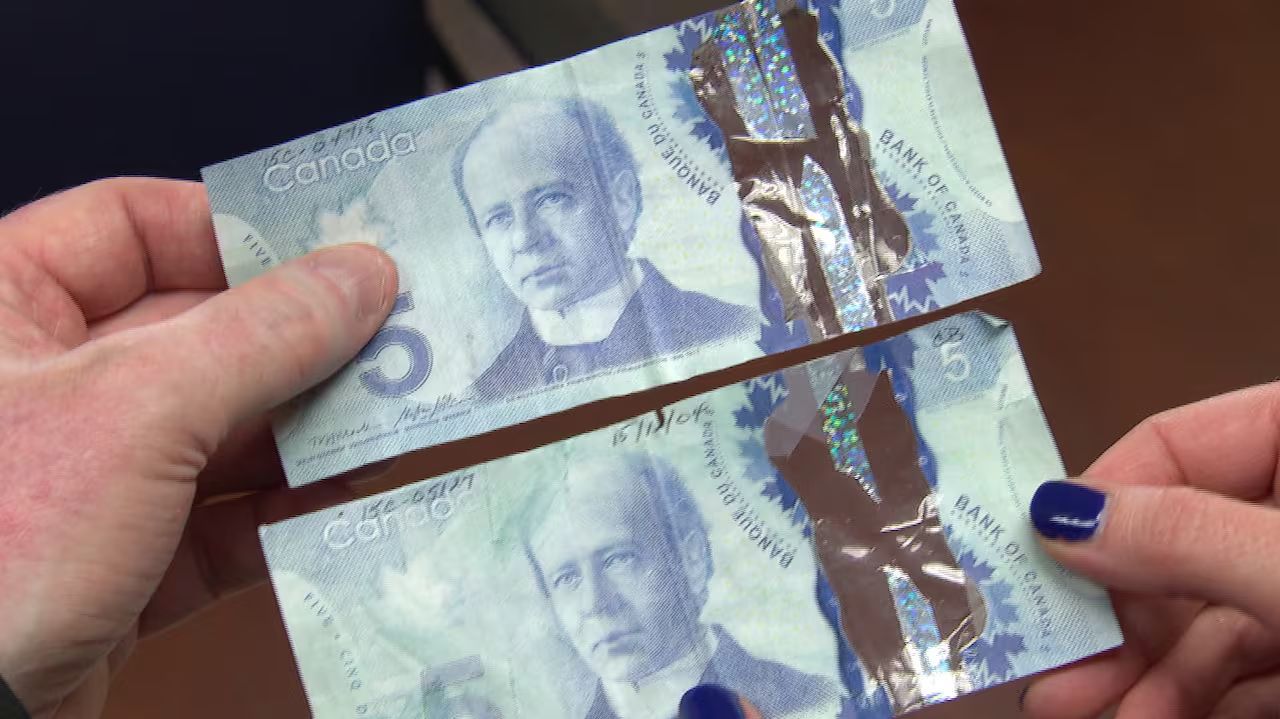
Factors That Influence Exchange Rate Movements
Several economic and market factors cause the Canadian dollar's exchange rate to fluctuate against other currencies. Relative interest rates between Canada and other countries, particularly the United States, are a primary driver, as they influence investment flows. Commodity prices, especially for oil and natural resources which are major Canadian exports, significantly impact the dollar's value. Broader economic indicators such as inflation rates, employment data, and gross domestic product growth also affect investor sentiment and currency demand. Political stability and global economic events can create volatility, leading to rapid shifts in the exchange rate. The Canadian Effective Exchange Rate index, a weighted average against major trading partners' currencies, measures the dollar's overall strength. Market speculation and the daily balance of currency buys and sells ultimately set the price visible to consumers.
Retail Exchange Rates and Consumer Costs
When Canadians convert currency, they do not receive the pure interbank or mid-market rate. Financial institutions and currency services apply a retail rate that includes a markup or spread. This spread accounts for the service, covers the risk of market movement between the transaction time and when the bank can trade the accumulated funds, and generates profit. The rate applied also depends heavily on the form of the transaction. Cash transactions incur the least favourable rates because they include costs for handling, storage, and shipping physical banknotes. Non-cash transactions, such as wire transfers, cheques, drafts, and electronic account conversions, receive more favourable rates as they involve less physical processing. For example, one bank explicitly states that its published rates for non-cash transactions apply to amounts up to $9,999. It is often more beneficial to convert Canadian dollars to a foreign currency before leaving Canada, as banks and kiosks abroad often charge higher rates and additional commissions.
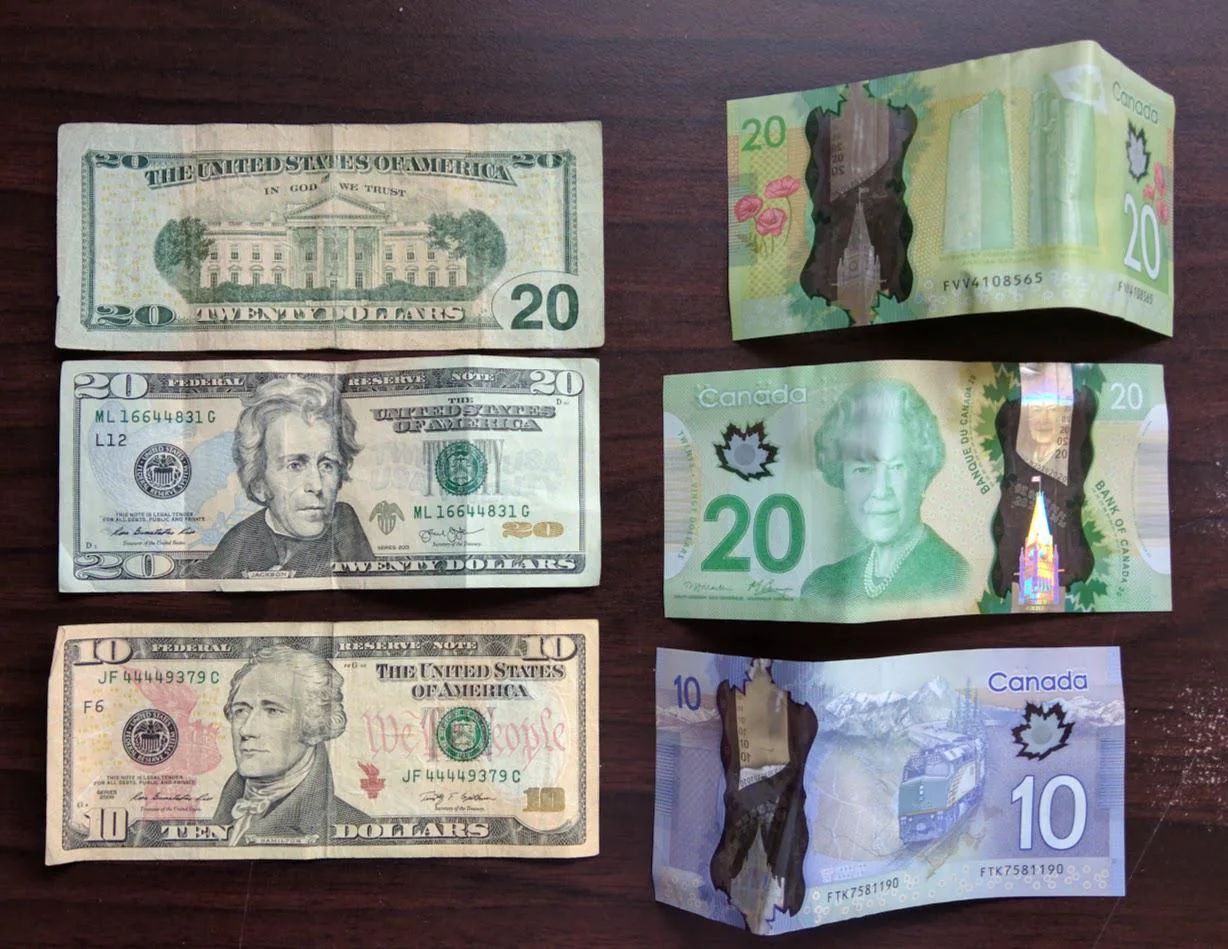
Common Methods for Converting Currency
Canadians have several options for converting between Canadian dollars and foreign currencies, each with distinct processes and cost structures. Using a bank is the most traditional method, either at a branch, through online banking, or via a linked cross-border account system. For instance, RBC allows clients to exchange up to $25,000 at a time between linked Canadian and US accounts through online banking, with instant transfers. Using a credit or debit card abroad is another common method, where the card network's exchange rate is applied at the point of sale, often with an additional foreign transaction fee. Specialized foreign exchange services and online money transfer providers often advertise bank-beating rates and transparent fees, using the mid-market rate as a baseline before applying their margin. For obtaining foreign cash, options include bank branches, airport kiosks, using a debit card at an international ATM, or even getting cash back with a debit card purchase at certain retailers, though fees and rates vary widely.
Key considerations when choosing a conversion method include the total cost combining the exchange rate margin and any fixed fees. You should also consider convenience and speed, such as instant online transfers versus branch visits. Transaction limits are another factor, like the $25,000 per transaction limit for some online bank transfers. Other factors are whether you need physical cash or can use a digital or card-based method. Some services also offer the ability to set rate alerts to act when a desired rate is reached. It is important to note that rates can only be guaranteed at the exact moment a purchase or sale is conducted.
Fees and Limits on Currency Conversion
Beyond the exchange rate spread, additional fees are commonly charged for currency conversion services. Banks may charge a flat fee for wire transfers or currency exchange transactions, especially for cash. ATM fees abroad usually involve a charge from the ATM operator plus a potential fee from your home bank for using an out-of-network machine. Some premium bank accounts offer preferred exchange rates as a benefit, potentially reducing the cost. Transaction limits also apply, which can vary by institution and method. For example, one bank sets a cross-border transfer limit of $25,000 per transaction through online banking, though an advisor can accommodate single transfers up to $100,000. There is often no limit to the number of transfers you can make between linked accounts.
The table below outlines typical fee structures across different conversion methods. These structures can include spreads added to the interbank rate for retail transactions. They may also involve service charges or commissions for certain methods. The fee structures apply to both cash and non-cash transactions.
| Conversion Method | Typical Fee Structure | Common Limits |
|---|---|---|
| Bank Branch (Cash) | Less favourable exchange rate spread | Varies by branch. May require ordering |
| Online Bank Transfer | Spread on rate. Possible wire fee | e.g., $25,000 per transaction |
| ATM Withdrawal Abroad | ATM operator fee + possible bank fee | Daily withdrawal limit |
| Online Transfer Service | Transparent margin on mid-market rate + possible fixed fee | High limits, often $50,000+ |
Always check the full price upfront, including all margins and fees, before committing to a transaction. The advertised mid-market rate is for informational purposes only. You will not receive that rate when sending money. Financial institutions apply their own spreads and fees to the mid-market rate.
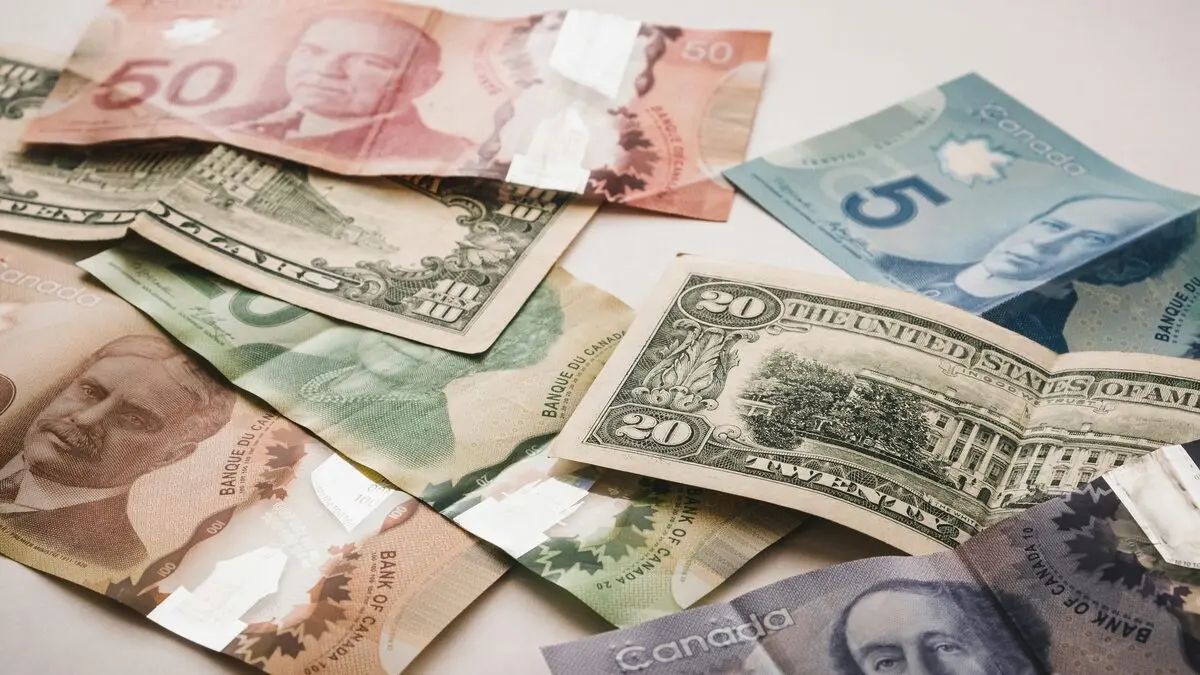
Historical Context and Rate Tracking
The Bank of Canada provides extensive historical exchange rate data, which is valuable for understanding long-term trends. This data is published as daily, monthly, and annual average exchange rates. The daily averages are published each business day by 16:30 ET, monthly averages are typically published on the last business day of the month by 16:30 ET, and annual averages are published on the last business day of the year by 12:30 ET. Historically, the Canadian dollar has experienced significant volatility against the US dollar, influenced by events like oil price shocks and interest rate differentials. The Canadian-Dollar Effective Exchange Rate index was replaced by the Canadian Effective Exchange Rate index in January 2018 to better reflect trade patterns. For recent tracking, some services show that over a 90-day period, the USD to CAD rate moved between 1.3763 and 1.4280, with an average of 1.4011. Canadians can track rates using live charts offered by various financial websites and apps, which show real-time mid-market rates and historical performance over selected periods, and they can subscribe to data feeds for the latest information.
Strategies for Managing Currency Conversion
There are practical strategies Canadians can use to manage the cost and timing of currency conversions. One approach is to use linked cross-border banking accounts, which allow for instant and often fee-free transfers between Canadian and US dollar accounts, enabling you to convert money when rates are favourable. Holding foreign currency in a dedicated account lets you wait for a better exchange rate rather than converting immediately, and with some banks you can transfer money as many times as you want for free between linked accounts. Setting up rate alerts through financial apps or services can notify you when a target exchange rate is reached, helping you stay on top of currency shifts. For regular transfers or payments, some services offer a guaranteed rate for 24 hours, locking in the price. When travelling, using a credit card with no foreign transaction fee for purchases can be more cost-effective than converting large amounts of cash at unfavourable rates. Always compare the total cost, including all fees and the applied exchange rate margin, across different providers before completing a significant transaction.
Frequently asked questions
Are there limits on how much currency I can convert?
Yes, limits are common and vary by institution and method. For example, one major bank allows you to exchange up to $25,000 at a time between linked Canadian and US accounts through online banking. For amounts over that, you may need to call the bank. ATM withdrawals and debit card purchases also have daily limits set by your bank or the card network.
What is the difference between the interbank rate and the rate I get?
The interbank rate is the wholesale rate used by banks and other participants for large transactions, typically for a minimum of US$5,000,000. The rate you receive as a client is a retail rate. This retail rate includes a spread added to the interbank rate to account for the costs and market risk of processing smaller client amounts. Therefore, the retail rate you are offered is less favourable than the pure interbank rate quoted in the media.
Why is the rate for cash different from the rate for a transfer?
Exchange rates applied to cash transactions include costs for shipping, handling, and physical storage, making the cash rate less favourable. Non cash rates are applied to instruments like cheques, drafts, wire payments, and other electronic transactions. These non cash instruments do not require physical movement and incur less processing time and cost for the financial institution. Therefore, a more favourable exchange rate is applied to non cash transactions compared to cash.
How often do exchange rates update?
Exchange rates in the foreign exchange market determine the value of the Canadian dollar and fluctuate constantly. The Bank of Canada publishes indicative average exchange rates once each business day by 16:30 ET. Financial institutions update their retail rates continuously based on market data. The rate you receive is fixed at the moment your specific transaction is processed by the institution.
Where does the Bank of Canada get its exchange rates?
Bank of Canada exchange rates are indicative rates obtained from averages of aggregated price quotes from financial institutions. These rates are published each business day by 16:30 ET. They serve as a daily average and are used as a reference for many currency converters. The Bank notes that these are indicative rates only and that the foreign exchange market ultimately determines the Canadian dollar's value, with the Bank very rarely intervening.
How can I see historical exchange rates for the Canadian dollar?
You can view historical exchange rates, including daily, monthly, and annual averages, from the Bank of Canada. For example, historical CAD to USD rates show an average of 0.71976, with specific rates for dates like November 30, 2025, at 0.711725. The Bank publishes monthly averages typically on the last business day of the month by 16:30 ET and annual averages on the last business day of the year by 12:30 ET. Historical data is available for download, though some legacy datasets like the CERI were last updated in January 2018.
Sources and further reading
- Exchange rates bankofcanada.ca
- USD ⇔ CAD Currency Converter, RBC Bank rbcbank.com
- Foreign Exchange Currency Converter, RBC Royal Bank apps.royalbank.com
- Foreign Currency Exchange Rates scotiabank.com
- 1 USD to CAD, US Dollars to Canadian Dollars Exchange ... xe.com
This article explains how things work and is not financial, tax or legal advice. Rules, limits and rates change, so check the current figures with the Canada Revenue Agency, your province or your financial institution before you act.