Converting Canadian dollars (CAD) to Vietnamese dong (VND) is a common financial transaction for Canadians sending money to family, travelling to Vietnam, or conducting business. The exchange rate between these two currencies fluctuates constantly based on global market forces. Canadians have several options for converting their money, each with different associated costs and exchange rate margins. Understanding how the rate is set and the fees involved can help ensure you get the best value when you need to make this conversion.
Understanding the Canadian and Vietnamese Currencies
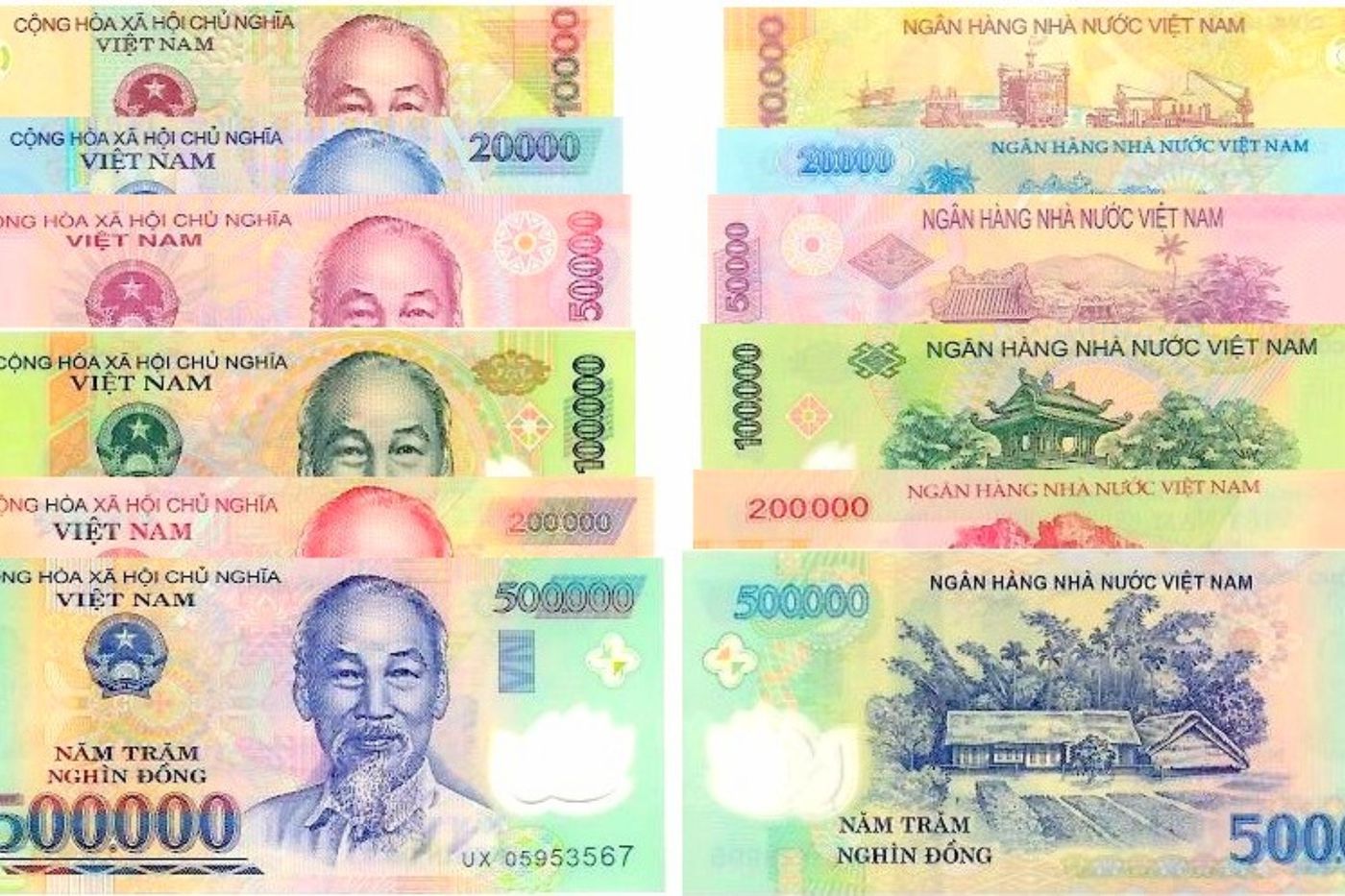
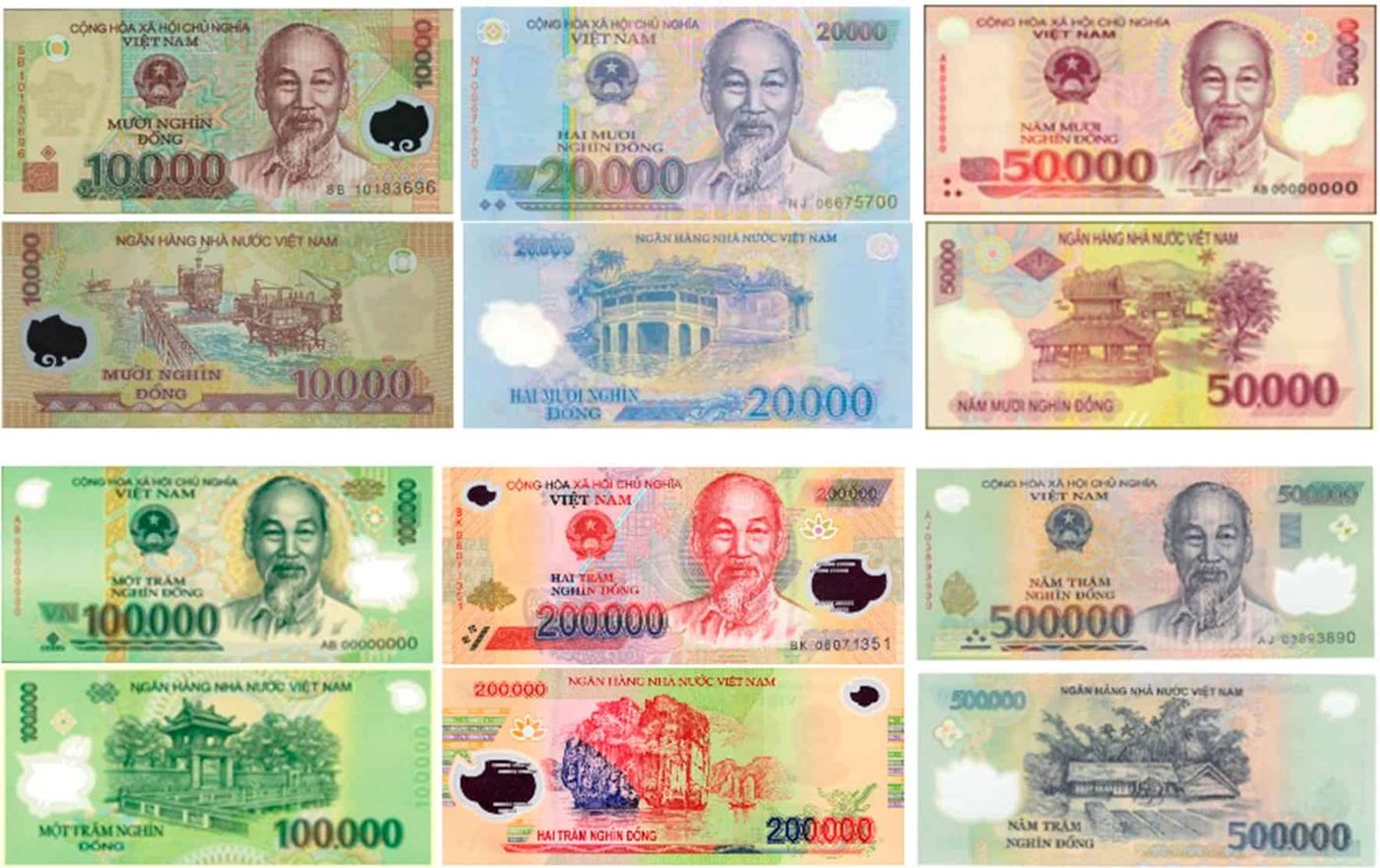
The Canadian dollar is the official currency of Canada, issued by the Bank of Canada. Its currency code is CAD and it is commonly symbolized by the dollar sign ($). The Vietnamese dong is the official currency of Vietnam, issued by the State Bank of Vietnam. Its currency code is VND and its symbol is ₫. The dong is a non-convertible currency, meaning it is not freely traded on international forex markets and its exchange rate is managed by the Vietnamese government. The Canadian dollar, in contrast, is a freely floating currency whose value is determined by the foreign exchange market. The vast difference in the nominal value of the two currencies means one Canadian dollar is worth many thousands of Vietnamese dong.
How the CAD to VND Exchange Rate is Determined
The exchange rate between the Canadian dollar and the Vietnamese dong is not a single fixed price. The core reference point is the mid-market rate, which is the midpoint between the global buy and sell prices for the currency pair. This rate is used in interbank trading and is the most accurate reflection of the currency's value at any given moment. However, the dong's value is actively managed by the State Bank of Vietnam, which sets a daily central reference rate and allows the currency to trade within a permitted band around that rate. This means the official VND rate is influenced by both market forces and central bank policy. For individuals, the rate they receive from banks or money transfer services will differ from the mid-market rate. Providers apply a margin or markup to the mid-market rate, which is how they make money on currency conversion alongside any stated fees. The rate you are offered can vary based on the provider, the amount you are converting, your payment method, and the timing of the transaction.
Historical Performance and Notable Fluctuations
The CAD to VND exchange rate experiences ongoing fluctuations driven by economic factors in both countries and broader global trends. While the Vietnamese dong is generally managed to maintain stability, it has gradually depreciated against major currencies like the US dollar over the long term, which influences its cross-rate with the Canadian dollar. The Canadian dollar's value is highly sensitive to commodity prices, particularly oil, as well as interest rate decisions by the Bank of Canada and overall investor sentiment. Short-term volatility can be observed in recent market data. These movements highlight the dynamic nature of the currency pair even within managed parameters.
Analysing the performance over different periods reveals specific highs and lows. The following list outlines key data points from recent market observations. This data shows that the rate can move by hundreds of dong per Canadian dollar over a quarter, which can significantly impact the amount received in a large transfer. Tracking these trends can be useful for timing a currency conversion.
- The 30-day high for CAD/VND was 18,542.5000.
- The 30-day low for CAD/VND was 18,155.3000.
- The average rate over the last 30 days was 18,291.6433.
- The 90-day high for CAD/VND was 18,976.2000.
- The 90-day low for CAD/VND was 18,155.3000.
- The average rate over the last 90 days was 18,611.6433.
Methods for Converting CAD to VND and Associated Costs
Canadians have several primary avenues for converting their dollars into Vietnamese dong, each with distinct cost structures. The most common methods include using banks, credit or debit cards, specialized online money transfer services, and currency exchange kiosks. Banks typically offer currency conversion for account holders, but their exchange rates often include a significant markup over the mid-market rate, and they may charge additional transaction or wire transfer fees. Using a Canadian credit or debit card for purchases or ATM withdrawals in Vietnam is convenient, but card issuers usually apply their own foreign exchange margin and may charge cash advance fees or foreign transaction fees. Online money transfer services like Western Union, Wise, and WorldRemit have become popular alternatives. These services advertise competitive exchange rates and transparent fee structures, though they also make money from the exchange rate margin. For example, Remitly may offer a promotional rate on a first transfer, such as 18,628.78 VND to 1 CAD. It is crucial to review the total cost, which is the combination of the offered exchange rate and any stated transfer fee, before completing any transaction.
The specific costs and features of each conversion method vary widely. Providers may apply an exchange rate margin, and rates may vary by transfer amount, payment method, payout option, destination, and timing. It is important to review the CAD to VND rate and transfer fee together before confirming your transfer. You should compare the final delivery amount in Vietnamese dong rather than just the advertised exchange rate or fee.
- Banks often charge wire transfer fees and apply a marked-up exchange rate.
- Credit card use may incur cash advance fees and interest charges from the card issuer.
- Debit cards may have lower fees than credit cards for foreign transactions.
- Online transfer services like Western Union show an estimated rate and fee before you confirm.
- Services like Wise advertise using the real mid-market rate with no hidden markups.
- Promotional offers, like a first-transfer bonus rate, are sometimes available from services like Remitly.
- All providers ultimately generate revenue from either an exchange rate margin, a service fee, or both.
Fee Structures and What to Compare
When choosing a service to convert CAD to VND, understanding the total cost requires looking at both the exchange rate margin and any upfront fees. Providers rarely charge zero fees. Instead, they generate revenue either through a marked-up exchange rate, a separate service fee, or a combination of both. A service advertising 'no fees' is typically applying a larger margin to the mid-market rate. The actual cost for a consumer can vary based on multiple factors. The transfer amount often influences the fee, with some providers offering lower percentage fees for larger amounts. Your payment method also matters. Paying with a credit card may trigger cash advance fees and associated interest charges from your card issuer, whereas using a bank account or debit card might avoid those extra costs. The chosen payout method in Vietnam, such as bank deposit, cash pickup, or mobile wallet, can also affect the final rate and fee. To make an informed decision, you should get a real-time estimate from a few different providers, which will show you the exact VND amount your recipient will receive after all costs are deducted.
The factors that determine your final cost are interconnected. The table below outlines how different variables can impact the total amount paid and received. By considering each of these factors, you can systematically compare offers. Always request a full breakdown that shows the exchange rate applied, the transfer fee in CAD, and the total VND to be delivered.
| Factor | Impact on Cost |
|---|---|
| Transfer Amount | Larger amounts may qualify for a better exchange rate or a lower fee percentage. |
| Payment Method | Credit cards can add cash advance fees. Bank accounts or debit cards often have lower costs. |
| Payout Option | Cash pickup might have different fees than a bank deposit or mobile wallet credit. |
| Provider Type | Banks, card networks, and online transfer services all have different pricing models. |
| Timing of Transfer | Exchange rates fluctuate, so the rate at the moment of conversion affects the final VND amount. |
| Promotional Offers | First-time user promotions can provide a temporarily more favourable exchange rate. |
Security and Practical Tips for Money Transfers
Security is a paramount concern when sending money internationally. Reputable transfer services employ encryption and fraud prevention measures to protect transactions. When using a service like Western Union, you receive a Money Transfer Control Number (MTCN) to track your payment. General safety practices include only sending money to people you know and trust, double-checking all recipient details, and keeping your MTCN or any reference numbers private. For practical conversion, it is helpful to monitor live exchange rates using online tools or rate alert functions, as rates change throughout the day. Setting a rate alert can notify you when the market rate reaches a desired level. Remember that the rate shown on a general search engine like Google is usually the mid-market rate for informational purposes, and the rate you are offered by a provider will be different. Finally, always review the full transaction summary before confirming, ensuring you understand the exchange rate applied, the transfer fee, the total amount you are paying in CAD, and the final amount to be delivered in VND.
To ensure a smooth and secure transfer process, following a set of best practices is recommended. You should send money only to people you know and trust and check receiver details carefully. It is advised to keep your Money Transfer Control Number private and stay alert for scam or fraud warning signs. These steps help protect your money and ensure it reaches the intended recipient in Vietnam.
- Compare real-time estimates from multiple providers to see the total VND delivery amount.
- Review the final transaction summary for the exact exchange rate and all fees before confirming.
- Use secure payment methods like a bank account or debit card to avoid credit card cash advance fees.
- Keep your Money Transfer Control Number (MTCN) private and use it to track your transfer.
- Send money only to individuals you know and trust, and verify their receiving details carefully.
- Set up exchange rate alerts to be notified when the market rate hits a target you find acceptable.
- Be aware that the mid-market rate shown on Google is a benchmark, not the rate you will receive.
Frequently asked questions
What is the current CAD to VND exchange rate?
The exchange rate between the Canadian dollar and Vietnamese dong changes constantly throughout the day based on live market activity. The most accurate reference is the mid-market rate, which is the midpoint between global buy and sell orders. For a personal transaction, the rate you receive will include a margin set by your bank or money transfer service. You can check live rates using online currency converters provided by financial institutions or transfer services to see an estimate for your specific transfer amount.
How can I send money from Canada to Vietnam?
You can send money from Canada to Vietnam through several channels. Major banks offer international wire transfers to Vietnamese bank accounts. Specialized money transfer services like Western Union, Wise, and WorldRemit allow you to send money online or via their mobile apps for cash pickup or bank deposit in Vietnam. You can also use credit or debit cards for transactions in Vietnam, though fees may apply. Each method has different speeds, costs, and exchange rates, so it is important to compare options based on the amount you are sending.
Are there fees for converting CAD to VND?
Yes, there are almost always fees associated with converting currency. These costs can be structured as a direct transfer fee, a margin on the exchange rate, or both. Banks often charge wire transfer fees and offer less competitive exchange rates. Card issuers may charge foreign transaction fees or cash advance fees. Online transfer services typically show a clear breakdown of their fee and the exchange rate being applied. The total cost depends on the provider, the transfer amount, and your payment method.
Why is the rate I get different from Google's rate?
Google typically displays the mid-market exchange rate, which is a benchmark rate used in financial markets between large institutions. The rate offered to consumers by banks, card networks, or transfer services includes an added margin or markup. This margin is how these service providers generate revenue from currency conversion. Therefore, the actual rate you receive for a personal transfer or purchase will always be less favourable than the pure mid-market rate shown on Google for informational purposes.
What affects the CAD to VND exchange rate?
The CAD/VND rate is influenced by factors affecting both economies. The value of the Canadian dollar is swayed by commodity prices (like oil), Bank of Canada interest rate decisions, and overall economic health. The Vietnamese dong's value is managed by the State Bank of Vietnam, which sets a reference rate and allows trading within a band. Its value is influenced by Vietnam's trade balance, inflation, and foreign investment flows. Global market sentiment and the strength of the US dollar also indirectly affect the cross-rate between the two currencies.
Is it safe to send money online to Vietnam?
Sending money online to Vietnam through established, licensed money transfer services is generally safe. Reputable companies use encryption and security protocols to protect your financial data and transactions. They also provide tracking numbers, like a Money Transfer Control Number (MTCN), so you can monitor your transfer. To enhance safety, only send money to people you know, verify recipient details carefully, and be aware of common scams. Using well-known services with clear policies and customer support adds a layer of security to your international money transfer.
Sources and further reading
- Canadian dollars to Vietnamese dongs Exchange Rate. ... wise.com
- CAD to VND | Convert Canadian Dollar to Vietnamese Dong westernunion.com
- Canadian Dollar to Vietnamese Dong Exchange Rate Chart xe.com
This article explains how things work and is not financial, tax or legal advice. Rules, limits and rates change, so check the current figures with the Canada Revenue Agency, your province or your financial institution before you act.