The Canadian dollar to Thai baht exchange rate determines how much spending power Canadians have in Thailand, a popular destination for tourism and retirement. The rate fluctuates daily based on global market forces, economic data, and central bank policies. Canadians convert money through banks, currency exchange kiosks, credit cards, and specialized money transfer services, each with different fees and exchange rate margins. Understanding how the CAD to THB rate works helps travellers and senders get better value when converting their funds.
Understanding the Canadian Dollar and Thai Baht
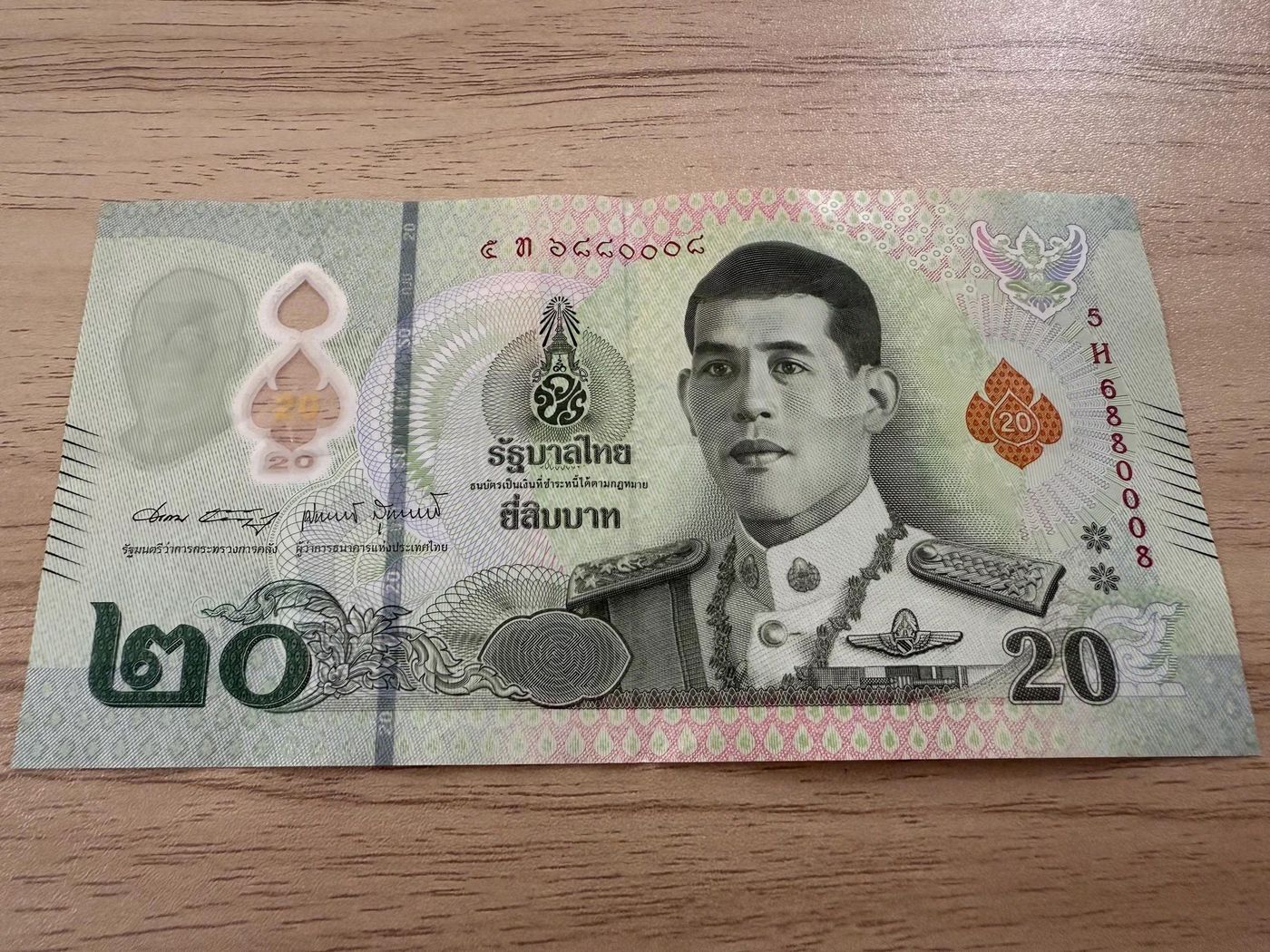
The Canadian dollar, denoted as CAD and symbolized by $, is the official currency of Canada. It is a freely floating currency whose value is influenced by commodity prices, particularly oil, as well as the monetary policy of the Bank of Canada. The Thai baht, with the code THB and symbol ฿, is the official currency of Thailand. The baht is subdivided into 100 satang. The Bank of Thailand manages the baht, and its value is influenced by the country's tourism sector, export economy, and regional financial flows. For Canadians, the exchange rate between these two currencies dictates the cost of goods, services, and accommodation while in Thailand, as well as the amount received when sending money to friends or family there.
How the CAD to THB Exchange Rate is Set
The primary reference rate for converting Canadian dollars to Thai baht is the mid-market exchange rate. This rate is the midpoint between the global buy and sell prices on the international currency markets. It is considered the fairest and most accurate reflection of the currency pair's value at any given moment. However, individuals and businesses cannot typically access this pure mid-market rate for their transactions. Financial institutions and money transfer services apply a margin or markup to this rate, which is how they generate revenue from currency conversion. The actual rate offered to a customer is therefore the mid-market rate plus or minus this margin. This final rate can vary significantly between providers.
Factors That Influence the Exchange Rate
The CAD/THB rate is highly dynamic, changing throughout each trading day. Several key economic and market factors drive these fluctuations. Central bank policies from the Bank of Canada and the Bank of Thailand, such as changes to interest rates, directly impact currency demand and value. Economic data releases, including inflation reports, employment figures, and gross domestic product growth from both countries, cause traders to reassess currency strength. Global commodity prices, especially for oil and natural resources which are crucial to Canada's economy, affect the Canadian dollar's purchasing power. Geopolitical events and market sentiment towards risk can cause capital to flow into or out of emerging market currencies like the Thai baht. The performance of the pair over recent periods illustrates this volatility. Over a 30-day period, the rate saw a high of 23.9280 and a low of 23.5139, with an average of 23.6305. Over 90 days, the range was wider, from a high of 24.0222 to a low of 23.5139.
Methods for Converting CAD to THB
Canadians have several options when they need to convert their dollars to Thai baht. The method chosen often depends on the amount, urgency, and desire for convenience versus cost efficiency. Major Canadian banks and credit unions offer currency exchange services, both for cash and for transfers to Thai bank accounts. Specialized currency exchange kiosks, often found in airports and tourist areas, provide cash conversion, though their rates are frequently less favourable. Using Canadian credit or debit cards for purchases and ATM withdrawals in Thailand is a common and convenient method, though foreign transaction fees usually apply. Online international money transfer specialists have become popular for sending larger amounts due to their competitive exchange rates and lower fees compared to traditional banks. These services allow transfers online, via a mobile app, or in person at an agent location, with funds delivered for cash pickup or directly to a Thai bank account.
Fees and Costs Associated with Conversion
The total cost of converting currency involves more than just the advertised exchange rate. Providers typically earn through a combination of an exchange rate margin and a separate transfer fee. The exchange rate margin is the difference between the mid-market rate and the rate actually offered to the customer. A transfer fee is a fixed or percentage-based charge added to the transaction. For credit card purchases and ATM withdrawals abroad, card issuers often charge a foreign transaction fee, which is usually a percentage of the amount converted. Some providers may also charge a cash advance fee and interest if a credit card is used to fund a money transfer. It is crucial for consumers to review the total cost, which includes both the final exchange rate and all applicable fees, before confirming any transaction. Providers like Western Union and others show an estimated total cost upfront before the transfer is completed.
Historical Context and Rate Volatility
The relationship between the Canadian dollar and the Thai baht has seen periods of significant movement driven by divergent economic cycles. The Canadian dollar is often viewed as a commodity-linked currency, meaning its value can rise and fall with global prices for resources like oil, lumber, and metals. The Thai baht, while also influenced by commodities, is more sensitive to regional economic growth, tourism flows, and the monetary policy of the Bank of Thailand. Historical data shows the pair can experience notable swings. For instance, over a recent 90-day window, the CAD/THB rate moved between 23.5160 and 24.0237. Monitoring tools like rate alerts can help individuals track these changes. Many money transfer services allow users to set up notifications for when the exchange rate reaches a desired level, enabling them to time their conversions more advantageously.
Key Considerations When Sending Money
When planning to send money from Canada to Thailand, several practical factors should be evaluated beyond just the exchange rate. The speed of delivery is important, as some services offer transfers within minutes for a premium, while standard bank transfers may take several business days. The payout method must be convenient for the recipient, whether it is cash pickup at a local agent location or a deposit into a Thai bank account. Security is paramount. Reputable providers use encryption and fraud prevention measures. Customers should protect their transfer details, such as the Money Transfer Control Number (MTCN), and only send money to people they know and trust. Finally, tracking capability provides peace of mind. Most modern transfer services provide online and app-based tracking using the MTCN so the sender and receiver can monitor the transaction's progress.
Comparing Service Providers
The cost and efficiency of converting CAD to THB can vary dramatically depending on the service provider chosen. To make an informed decision, Canadians should compare the total cost, the exchange rate margin plus any fees, across different options. The following table outlines typical provider types and their general characteristics. Online comparison tools can calculate the exact amount of Thai baht the recipient would get from different services for the same Canadian dollar amount. This head-to-head comparison reveals the true cost difference. Some online specialists promote bank-beating rates and no hidden fees, aiming to provide more value on every transfer. The actual savings depend on the transfer amount, the specific currencies, and the timing of the transaction.
| Provider Type | Typical Use Case | Cost Structure |
|---|---|---|
| Major Banks | Convenience, existing customers | Higher exchange rate margins, possible wire fees |
| Airport Kiosks | Last-minute cash for travel | Highest margins, often no separate fee |
| Credit/Debit Cards | Spending abroad, ATM withdrawals | Foreign transaction fee (2-3%), possible ATM fee |
| Online Transfer Specialists | Sending larger amounts, better value | Lower margins, transparent upfront fees |
Frequently asked questions
What is the mid-market exchange rate?
The mid-market rate is the midpoint between the global buy and sell prices for a currency pair. It is the purest reflection of the exchange rate at any moment, calculated from trading data on the international forex market. However, this is a wholesale reference rate. When individuals or businesses convert money through a bank or transfer service, they are offered a retail rate that includes a margin above or below this mid-market point. This margin is how financial institutions earn revenue on currency conversion services.
How can I check the live CAD to THB rate?
Many financial websites and currency converter tools display live mid-market exchange rates. These rates update continuously during global market hours. It is important to remember that the rate you see in a converter is typically the mid-market rate for informational purposes. To find the actual rate you will receive for a transaction, you must use the quoter tool on a bank or money transfer service's website. This tool will show you the specific exchange rate being offered for your transfer amount, along with any fees, providing a total cost estimate before you commit.
What is the safest way to send money to Thailand?
Using a reputable, regulated money transfer service is a safe method. Look for providers that use strong encryption for online transactions and have clear fraud prevention policies. Always send money only to people you know and trust. During the transfer process, you will receive a tracking number, often called an MTCN. Keep this number private and use it to monitor the transfer's progress online or via a mobile app. Be cautious of any unsolicited requests for money transfers and verify the recipient's details carefully before sending.
Can I set an alert for a specific exchange rate?
Yes, many currency converter websites and mobile apps offer a rate alert feature. You can set a target CAD to THB exchange rate, and the service will send you a notification via email or app alert when the live mid-market rate reaches your specified level. This allows you to monitor the market and time your currency conversion or money transfer for a moment when the rate is more favourable. This tool is useful for planning larger transfers where a small change in the rate can make a significant difference in the amount received.
How long does a money transfer to Thailand take?
Transfer times can vary significantly depending on the service and payout method chosen. Some online money transfer specialists can complete transactions for cash pickup in Thailand within minutes, especially if funded by a debit card or credit card. Transfers sent directly to a Thai bank account may take one to three business days. Traditional bank wire transfers can sometimes take longer, potentially up to five business days. The transfer speed is usually indicated during the quoting process before you confirm the transaction.
Are there fees for using my credit card in Thailand?
Yes, using a Canadian credit card in Thailand typically incurs fees. Furthermore, using your credit card for an ATM withdrawal or to fund a money transfer is usually classified as a cash advance. This action triggers an immediate cash advance fee from the card issuer and begins accruing interest at a higher rate immediately, with no grace period. These fees are in addition to any exchange rate margin applied during the currency conversion from Canadian dollars to Thai baht. To avoid these charges, consider using a debit card or checking other payment methods for your transactions.
Sources and further reading
- Canadian dollars to Thai bahts Exchange Rate. Convert ... wise.com
- CAD to THB | Convert Canadian Dollar to Thai Baht westernunion.com
- 1 CAD to THB, Canadian Dollars to Thai Baht Exchange ... xe.com
This article explains how things work and is not financial, tax or legal advice. Rules, limits and rates change, so check the current figures with the Canada Revenue Agency, your province or your financial institution before you act.