Converting Canadian dollars to New Zealand dollars is a common transaction for Canadians sending money to family, paying for travel, or handling expenses in New Zealand. The exchange rate between these two currencies fluctuates daily based on global financial markets, economic data, and trade flows. Understanding how the rate is set and the costs involved can help Canadians get better value when converting their funds. This guide covers the details of both currencies, the factors influencing their exchange rate, and the practical methods for conversion.
Understanding the Canadian and New Zealand Dollars
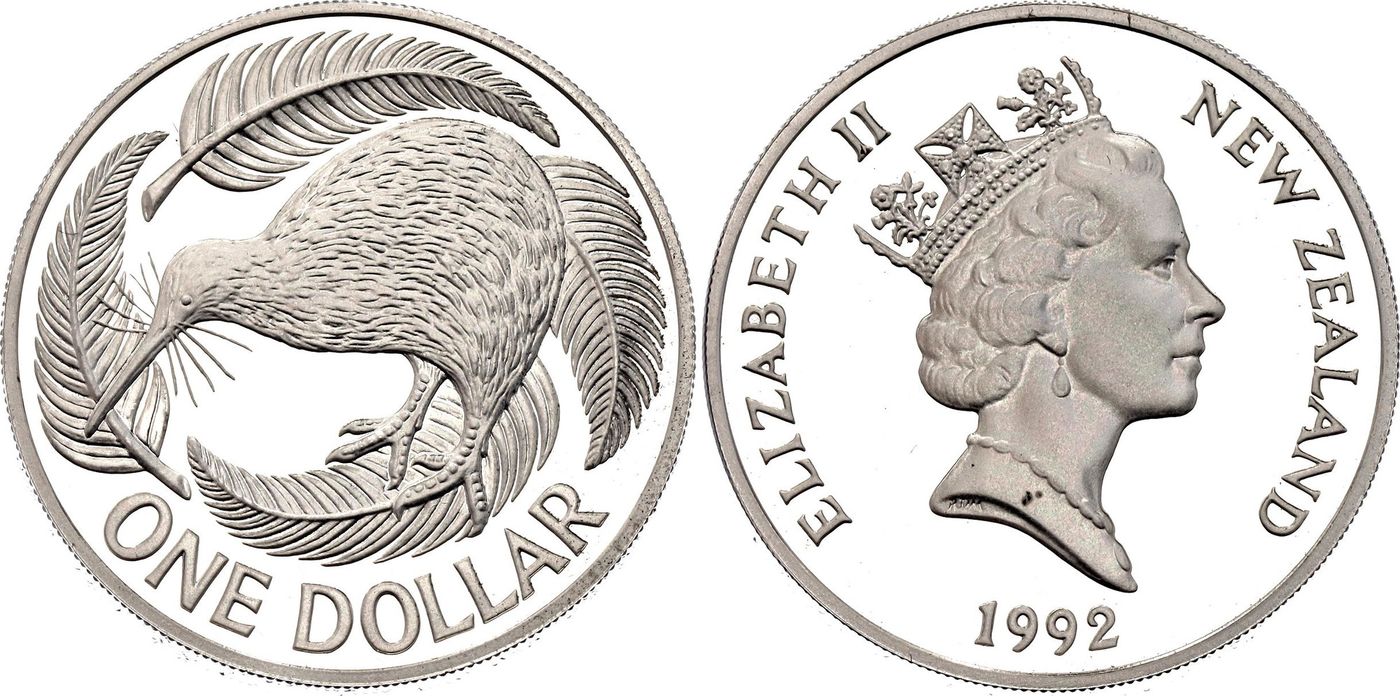
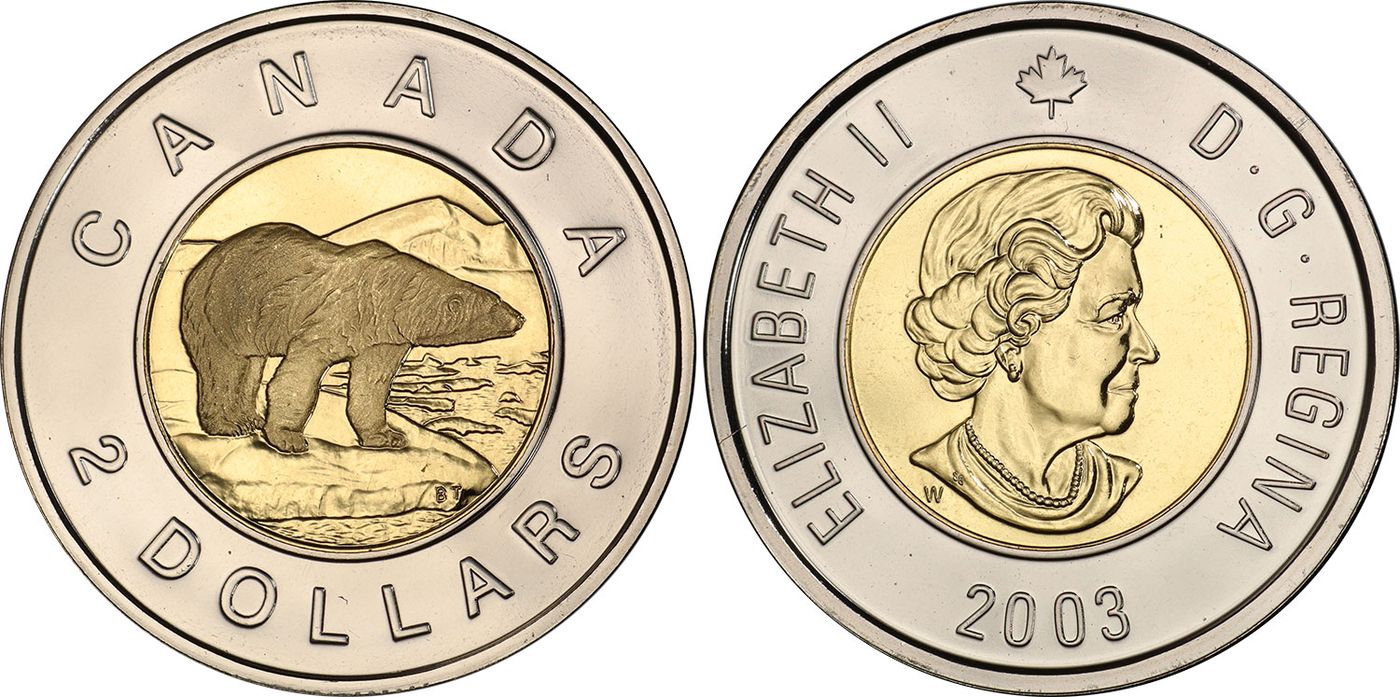
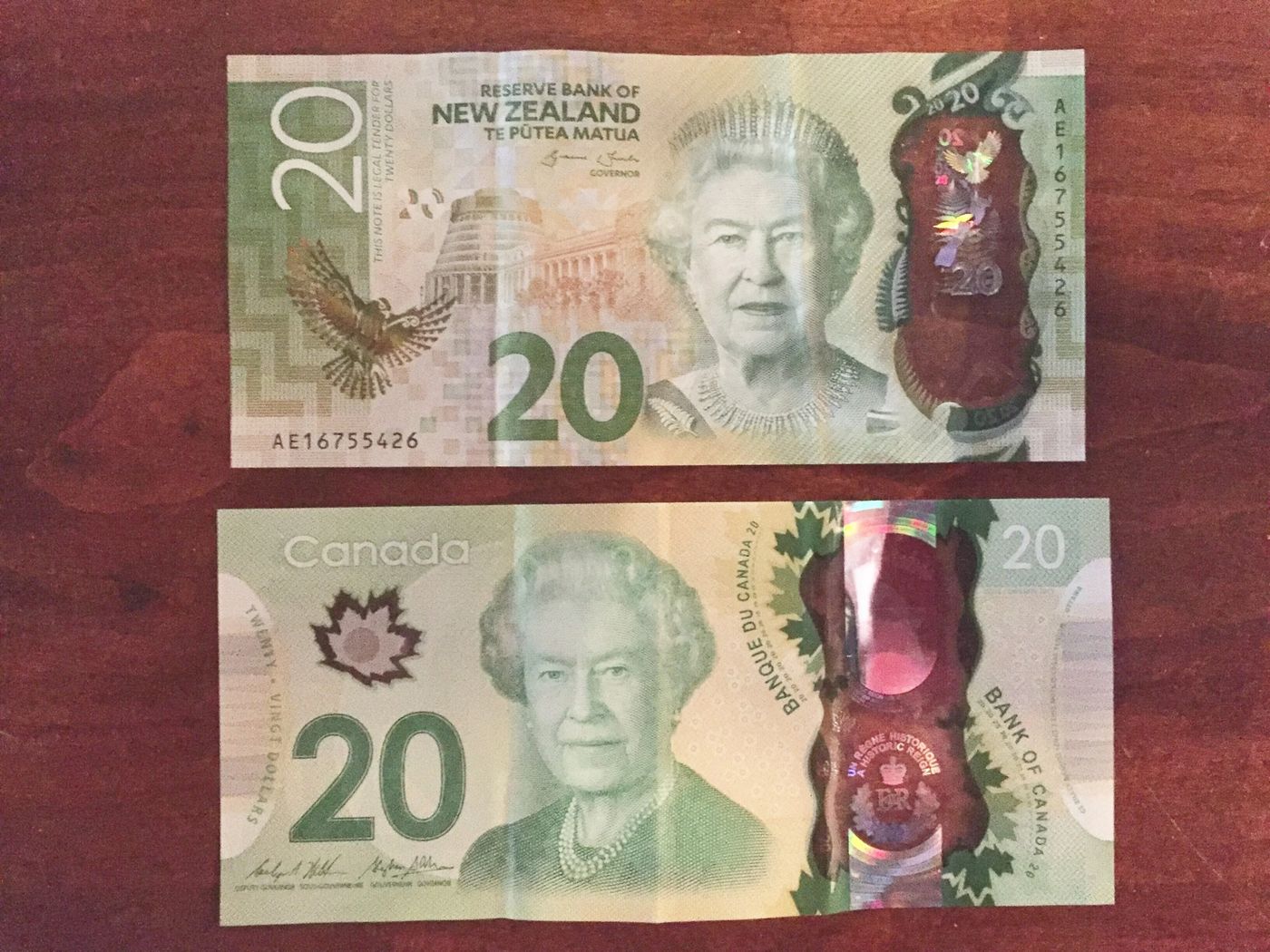
The Canadian dollar, with the currency code CAD, is the official legal tender of Canada. It is commonly referred to as the loonie and is used in all domestic transactions. The New Zealand dollar, coded NZD, is the official currency of New Zealand and is often called the kiwi dollar. Both currencies share the same dollar symbol ($), which requires clarity when specifying amounts. The Canadian dollar is a major global currency, heavily influenced by commodity prices and the policies of the Bank of Canada. The New Zealand dollar is a commodity currency as well, sensitive to agricultural export prices and the decisions of the Reserve Bank of New Zealand. Their values are constantly measured against each other on the foreign exchange market, creating the CAD/NZD pair.
How the CAD to NZD Exchange Rate is Determined
The exchange rate between the Canadian dollar and the New Zealand dollar is primarily set by the global foreign exchange market. This is a decentralized marketplace where banks, financial institutions, corporations, and governments trade currencies. The rate you see quoted as the mid-market rate is the midpoint between the highest price a buyer is willing to pay and the lowest price a seller is willing to accept at that moment. This rate is a pure reflection of supply and demand dynamics in the interbank market. It serves as a benchmark, but consumers and businesses rarely access this exact rate directly. Instead, banks and money transfer services apply a margin or markup to this rate, which becomes the retail exchange rate offered to customers. The rate fluctuates continuously during market hours from Sunday evening to Friday afternoon Eastern Time.
Several key economic factors drive the daily movements in the CAD/NZD exchange rate. Interest rate decisions by the Bank of Canada and the Reserve Bank of New Zealand are paramount. If the Bank of Canada raises interest rates relative to New Zealand, it can make Canadian dollar-denominated assets more attractive, increasing demand for CAD and potentially strengthening it against the NZD. Economic data releases, such as gross domestic product growth, employment figures, inflation reports, and trade balance statistics from both countries, cause immediate market reactions. Stronger economic performance in Canada compared to New Zealand typically supports a higher CAD/NZD rate. Global commodity prices also play a significant role, as both economies are major exporters of raw materials and agricultural products.
Historical Performance and Notable Trends
The CAD/NZD exchange rate has experienced periods of significant volatility, driven by diverging economic cycles and global events. While the live chart on this page shows the most recent data, looking at historical patterns can provide context. The rate has moved within a range, with notable highs and lows occurring in response to specific economic shocks or policy shifts. For example, data shows that over a recent 90-day period, the rate reached a high of 1.2554 and a low of 1.2095, illustrating a considerable swing. Such movements underscore the importance of timing for larger transfers. The average rate over that period was 1.2338. Monitoring these trends helps Canadians understand the currency pair's behaviour. The performance over a 30-day window showed less volatility, with a high of 1.2554, a low of 1.2421, and an average of 1.2504. These figures highlight how the rate can consolidate or trend within shorter timeframes.
Analysing historical data reveals that the CAD/NZD pair is influenced by seasonal patterns and specific sectoral performances. Periods of strong global demand for Canada's key exports, such as oil and lumber, can provide support for the Canadian dollar. Conversely, high prices for New Zealand's dairy exports can bolster the New Zealand dollar. Political events, changes in trade policies, and broader global risk sentiment also cause fluctuations. Canadians looking to convert money can use historical charts, available through many currency services, to identify potential support and resistance levels. Setting rate alerts is a practical tool that notifies you when the market reaches a specific level you consider favourable. This allows you to act without constantly monitoring the markets.
Recent performance data provides concrete examples of the CAD to NZD exchange rate's movement. Over a specific 90-day period, the rate saw a high of 1.2554 and a low of 1.2095. The average rate for that 90-day period was 1.2338. The total change for CAD to NZD over that timeframe was 1.84.
- The 90-day high was 1.2554.
- The 90-day low was 1.2095.
- The 90-day average was 1.2338.
- The change over the 90 days was 1.84.
- The 30-day high was 1.2554.
- The 30-day low was 1.2421.
- The 30-day average was 1.2504.
- The change over the 30 days was 0.36.
These figures demonstrate the range within which the CAD to NZD rate operated. The scale of change over different periods, such as 0.36 over 30 days, highlights market volatility. Understanding these metrics, including highs, lows, and averages, can inform decisions about when to initiate a currency conversion. Monitoring these trends helps identify potentially favourable times to exchange funds.
Methods for Converting CAD to NZD
Canadians have several options for converting their dollars into New Zealand dollars, each with different costs and conveniences. Traditional banks and credit unions offer currency exchange services both online and at branches. They typically provide the convenience of using an existing account but often apply a significant markup to the mid-market rate and may charge additional transaction fees. Using a credit or debit card for purchases or ATM withdrawals in New Zealand is another common method. Credit card networks use their own exchange rate, which usually includes a margin, and may add foreign transaction fees and cash advance fees. Specialist international money transfer services, such as Western Union, Xe, and MTFX, have become popular alternatives. These services often advertise more competitive exchange rates closer to the mid-market rate and transparent fee structures.
The process for using a dedicated transfer service is generally straightforward. You create an account online, enter the amount of Canadian dollars you wish to send, and select New Zealand dollars as the receiving currency. The service will quote you an exchange rate and show all applicable fees upfront before you commit. You then choose a payment method, such as a bank transfer or debit card, and provide the recipient's details in New Zealand. Funds can often be delivered directly to a New Zealand bank account, picked up as cash at an agent location, or made available on a prepaid card. These services emphasize security measures like encryption and transaction tracking numbers. They also offer features like rate alerts and historical charts to help you decide when to transfer.
Major international money transfer services provide specific features tailored for CAD to NZD conversions. Common offerings include real-time exchange rates and the ability to convert currencies in seconds. Providers often highlight having no hidden fees and using the mid-market exchange rate. Many services also offer secure online platforms and mobile apps for managing transfers.
- Western Union allows transfers online, via app, or in person at agent locations.
- Xe offers international transfers to over 190 countries in 130 currencies.
- MTFX provides a currency converter tool showing live CAD to NZD rates.
- Wise uses the real mid-market rate with a transparent fee structure.
- Many services offer rate alerts to notify users when a target rate is reached.
- Providers like Western Union enable cash pickup at agent locations in New Zealand.
- Several services, including Xe, provide historical rate charts for up to 5 years.
- Features like 24/7 customer support and mobile apps are commonly available.
These features aim to make the transfer process more convenient for users converting and sending funds internationally. They focus on being cost-effective by avoiding high transaction fees and exchange rate markups. Security measures, such as encryption and fraud prevention, help protect international money transfers. The goal is to ensure funds reach New Zealand quickly and safely.
Fees and Costs to Consider
When converting currency, the total cost is comprised of the exchange rate margin and any explicit fees. The exchange rate margin is the difference between the mid-market rate and the rate you actually receive. This hidden cost is how many providers make their profit. Explicit fees are separate charges added to the transaction. Credit cards frequently charge a foreign transaction fee, typically between 2% and 3% of the purchase amount, on top of the card network's exchange rate margin. Cash advance fees and interest charges may also apply if using a credit card to obtain foreign currency.
Money transfer services structure their costs differently. Some, like Wise, promote using the real mid-market rate and charging a single, transparent percentage fee. Others may offer a less favourable exchange rate but advertise low or no transfer fees, especially for larger amounts. For example, one service notes free transfers on amounts over 500 CAD. It is crucial to compare the total amount of New Zealand dollars the recipient will get after all costs, not just the advertised exchange rate or a single fee. Providers like Western Union state that their fees vary based on the transfer amount, payment method, payout option, and the exchange rate at the time. They encourage users to review the total cost before confirming any transfer. Always look for the final payout amount in NZD as the true measure of value. This final figure incorporates all margins and fees into one clear outcome.
Key Factors Influencing Transfer Decisions
Beyond cost, several other factors are important when choosing how to convert and send money to New Zealand. Transfer speed is a primary consideration for urgent needs. Bank international wire transfers can take 2 to 5 business days to reach a New Zealand account. Specialist transfer services often offer faster options, sometimes within minutes for cash pickup or within one business day for bank deposits. The security and reliability of the provider are paramount. Reputable services use encryption, fraud monitoring, and provide a tracking number for each transaction. Ease of use is another factor, with many services offering mobile apps, 24/7 customer support, and simple online interfaces. The ability to set up recurring payments can be useful for regular obligations like mortgage payments or tuition fees. Understanding the regulatory environment is also wise.
In Canada, financial transactions are overseen by agencies like the Financial Transactions and Reports Analysis Centre of Canada. Reputable currency exchange businesses are licensed and must comply with anti-money laundering regulations. When receiving funds in New Zealand, the recipient should be aware of any local bank fees for incoming international transfers. For larger sums, it may be beneficial to break the transfer into smaller amounts to stay under certain reporting thresholds, though this should be done in compliance with all laws. Ultimately, the best method depends on the individual's priorities, whether it is minimizing cost, maximizing speed, or ensuring convenience and support. Each provider has strengths in different areas, so assessing your specific needs against their offerings is a critical step.
Practical Steps for Getting the Best Rate
To secure a favourable exchange rate when converting CAD to NZD, proactive planning and comparison are essential. Start by monitoring the live mid-market rate using a reliable currency converter tool to establish a baseline. Understand that the rate you will be offered will be less than this benchmark. Next, compare quotes from several different providers for the same transfer amount and destination. Look at the total New Zealand dollars the recipient will receive, as this figure incorporates all margins and fees. Consider timing your transfer. Currency markets fluctuate throughout the day, and rates may be more competitive during peak trading hours when liquidity is high. Avoid converting money at airports or tourist kiosks, as these venues typically offer the worst rates due to high overheads and captive customers.
Use the tools offered by modern transfer services to your advantage. Setting a rate alert is one of the most effective strategies. You can specify your target CAD/NZD exchange rate, and the service will notify you by email or app notification when the market reaches that level. This allows you to lock in a rate without constant monitoring. Review historical rate charts to identify trends and understand whether the current rate is near a high or low point relative to recent history. For very large transfers, consider speaking directly with a currency specialist at a service like MTFX, as they may be able to offer a bespoke rate for high-value transactions. Finally, always read the terms and conditions carefully, paying attention to the fine print on fees, transfer limits, and cancellation policies before initiating any transaction.
Following a structured process can help optimize your CAD to NZD currency conversion. A key step is to use a currency converter tool to check live exchange rates. It is important to review the exchange rate and any transfer fees before confirming the transaction. Comparing transfer options from different providers can also lead to better value. Finally, you should track your transfer using the provided tracking number after it is sent.
- Monitor the live mid-market CAD to NZD rate using a currency converter.
- Compare the final recipient payout amount from multiple providers.
- Set a rate alert to be notified when your target exchange rate is available.
- Check historical rate charts to understand recent trends and volatility.
- Review all fees and the exchange rate margin before confirming a transfer.
- Consider the transfer speed and delivery method needed for your situation.
- Use secure payment methods and only send money to trusted recipients.
- Confirm the total cost and the exact NZD amount the recipient will get.
Frequently asked questions
What is the current CAD to NZD exchange rate?
The exchange rate between the Canadian dollar and New Zealand dollar changes continuously throughout the trading day. The rate displayed at the top of this page is the live mid-market rate, which is the benchmark rate used in global currency markets. It is important to note that the rate you will receive from a bank or money transfer service will include a margin or markup on this mid-market rate. You should always check the specific rate offered by your chosen provider at the moment of your transaction, as it will determine the final amount of New Zealand dollars you or your recipient receive.
How can I convert Canadian dollars to New Zealand dollars?
You can convert CAD to NZD through several methods. Traditional banks and credit unions offer exchange services at their branches or online through your banking portal. You can also use your credit or debit card for purchases or ATM withdrawals while in New Zealand, though fees apply. Specialist international money transfer services, such as Western Union, Xe, and MTFX, provide online platforms where you can initiate a transfer, often at more competitive rates. The process typically involves entering the amount, selecting the currencies, choosing a payment method, and providing recipient details. These services then quote an exchange rate and all fees before you confirm the transaction.
What fees are charged when converting CAD to NZD?
Fees consist of two main components: the exchange rate margin and explicit transaction fees. The margin is the difference between the mid-market rate and the rate you are given. This is a hidden cost. Explicit fees are stated charges, which can be a flat fee, a percentage of the transfer amount, or both. Banks often charge wire transfer fees and currency conversion fees. Credit cards usually add a foreign transaction fee. Money transfer services may advertise low or no fees but often incorporate cost into the exchange rate margin. It is vital to look at the total New Zealand dollars delivered to understand the full cost, as a good rate with high fees may be worse than a slightly poorer rate with no fees.
How long does a money transfer to New Zealand take?
Transfer times vary by provider and method. A standard international bank wire transfer can take between 2 and 5 business days to reach a New Zealand bank account. Specialist money transfer services often provide faster options. Some offer transfers within minutes for cash pickup at an agent location in New Zealand. Transfers directly to a New Zealand bank account via these services can sometimes be completed within one business day, depending on the time the transfer is initiated. The speed can also be influenced by the payment method. Paying with a debit card may be faster than funding the transfer via a bank draft or interac e-Transfer. The provider will usually give an estimated delivery time before you confirm the transaction.
What factors cause the CAD/NZD rate to change?
The exchange rate changes due to supply and demand dynamics in the global foreign exchange market. Key drivers include interest rate decisions by the Bank of Canada and the Reserve Bank of New Zealand. Higher interest rates in Canada can attract investment and increase demand for CAD. Economic data releases, such as employment reports, inflation figures, and trade balance numbers from both countries, cause immediate market movements. Global commodity prices are significant, as both economies are major exporters. Political events, changes in government policy, and overall global risk sentiment also influence the rate. The rate fluctuates constantly during market hours, reflecting the collective assessment of these factors by traders and institutions worldwide.
Is it safe to use online money transfer services?
Reputable online money transfer services employ robust security measures to protect transactions. These typically include encryption of data, secure login processes, and fraud monitoring systems. Legitimate services are licensed and regulated by financial authorities in Canada and other jurisdictions. They provide a tracking number for each transfer, allowing you to monitor its status. It is important to use well-known, established companies and to be cautious of unsolicited offers or deals that seem too good to be true. Always verify the recipient's details carefully and only send money to people you know and trust. Reading independent reviews and checking a company's registration with authorities like FINTRAC can provide additional assurance.
Sources and further reading
- Canadian dollars to New Zealand dollars Exchange Rate. ... wise.com
- CAD to NZD | Convert Canadian Dollar to New Zealand ... westernunion.com
- 1 CAD to NZD, Canadian Dollars to New Zealand ... xe.com
- CAD to NZD, Live Rate, Free First Transfer remitbee.com
- How to Convert Your Canadian Dollars to New Zealand ... mtfxgroup.com
This article explains how things work and is not financial, tax or legal advice. Rules, limits and rates change, so check the current figures with the Canada Revenue Agency, your province or your financial institution before you act.