The exchange rate between the Canadian dollar (CAD) and the Nepalese rupee (NPR) determines the value of money sent between Canada and Nepal. This rate fluctuates daily based on global currency markets, impacting how much recipients receive. Canadians often convert currency to send remittances to family, support charitable projects, or for travel. Understanding how the rate is set, its historical trends, and the costs involved in conversion helps in making informed financial decisions.
Understanding the Canadian Dollar and Nepalese Rupee
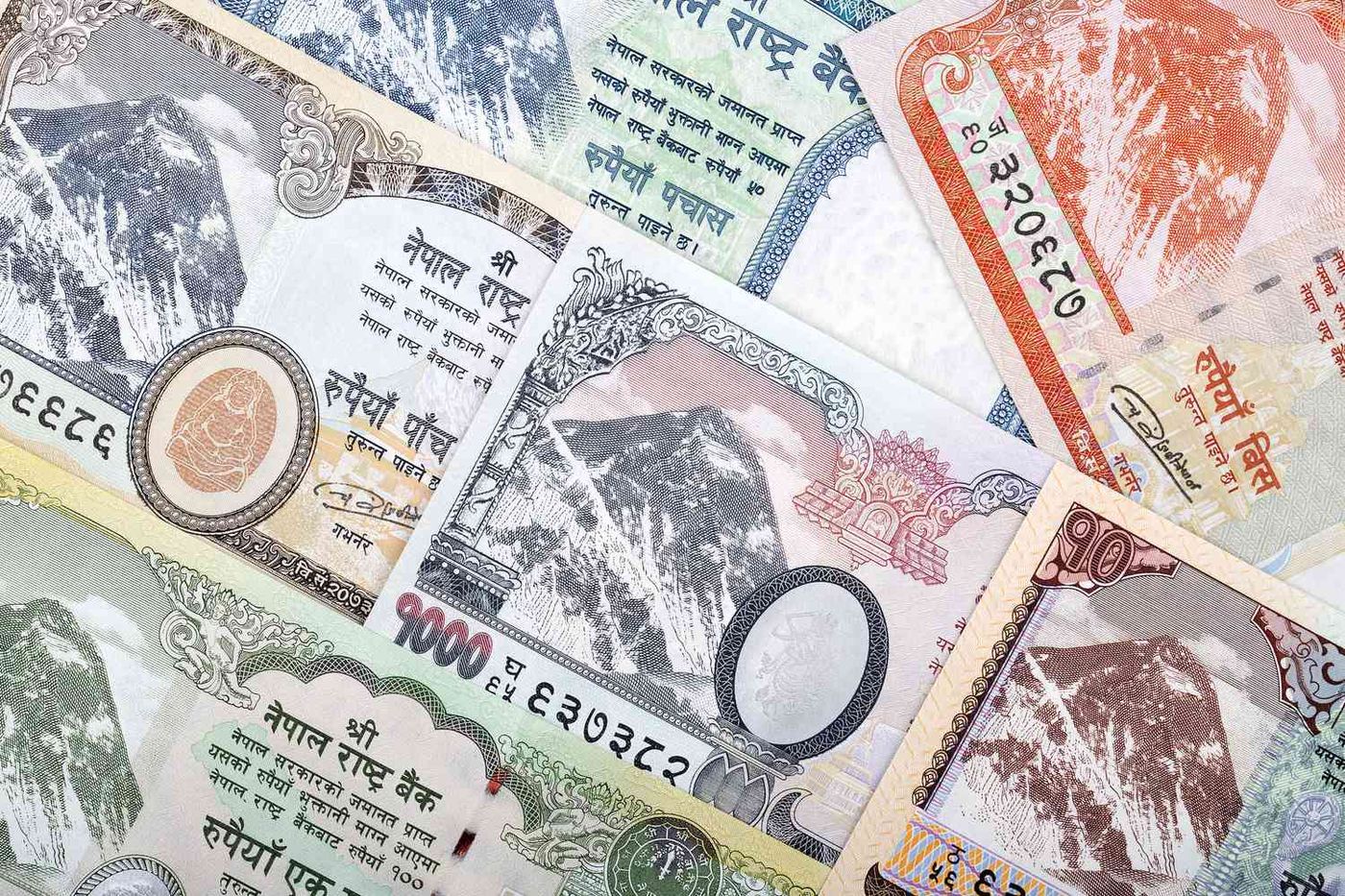
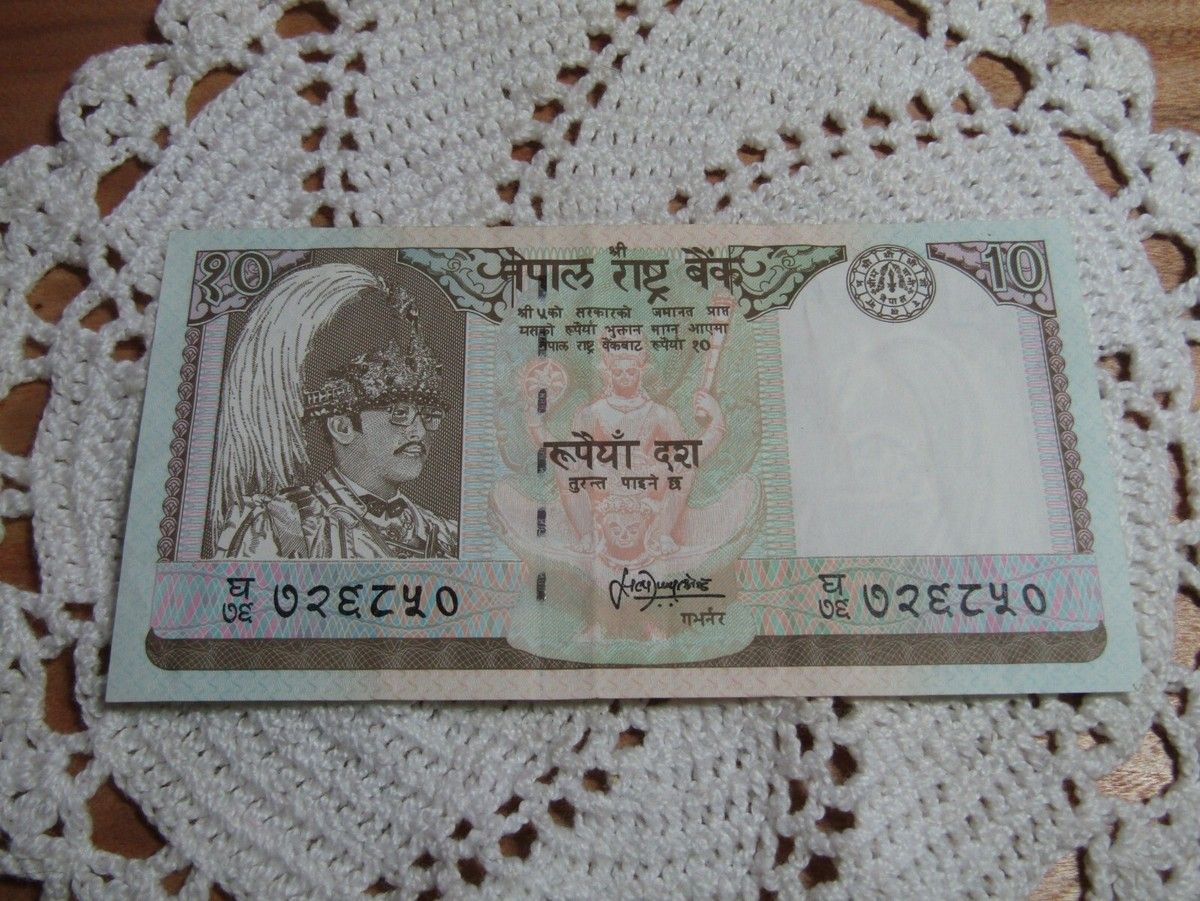
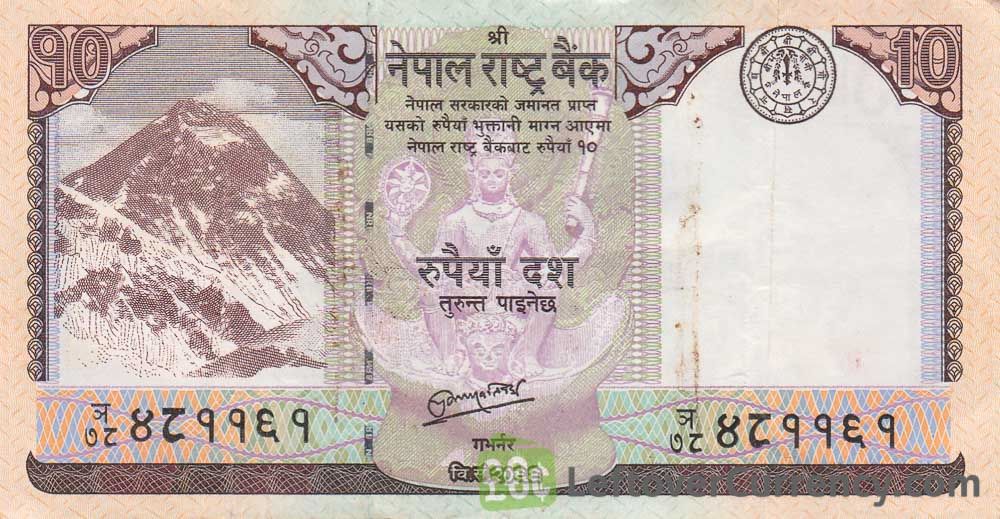
The Canadian dollar is the official currency of Canada, with the currency code CAD and the symbol $. It is a freely floating currency, meaning its value is determined by foreign exchange market trading. The Nepalese rupee is the official currency of Nepal, with the currency code NPR and the symbol ₨. The Nepalese rupee has a different structure, as its exchange rate is officially pegged to the Indian rupee, which introduces a unique dynamic in its relationship with floating currencies like the Canadian dollar. Both currencies are used for all daily transactions within their respective countries. The conversion between them is essential for trade, tourism, and the significant flow of remittances from the Nepalese diaspora in Canada.
How the CAD to NPR Exchange Rate is Determined
The exchange rate you see quoted online is typically the mid-market rate. This is the midpoint between the global buy and sell prices for the currency pair on the international foreign exchange markets. It is considered the most accurate reflection of the currency's value at any given moment. However, this is a wholesale rate that individuals cannot access directly. When you convert money through a bank or transfer service, they apply their own exchange rate, which includes a margin or markup above or below the mid-market rate. This margin, along with any stated fees, constitutes the total cost of the conversion. The underlying mid-market rate itself is highly dynamic, changing constantly due to market forces.
Several key economic factors influence the movement of the Canadian dollar against the Nepalese rupee. For the CAD, these include changes in the Bank of Canada's interest rates, Canada's economic data like inflation and employment figures, and global commodity prices, particularly oil. For the NPR, its value is directly influenced by its peg to the Indian rupee and Nepal's own economic conditions, including trade balances, inflation, and foreign reserve levels. The interplay between a floating Canadian dollar and a pegged Nepalese rupee means the CAD/NPR rate can experience volatility based on events in both Canada and India. This is why the rate can change multiple times within a single day.
Historical Performance and Notable Trends
Exchange rate history provides context for current values. Historical data for the CAD to NPR pair shows periods of significant movement driven by the economic factors in both countries. While the rate changes daily, looking at averages and ranges over specific periods reveals trends. For example, over a recent 90-day period, the rate moved between a high of 111.27 NPR and a low of 106.79 NPR per Canadian dollar, with an average of 109.26. In a 30-day window, the range was between 109.82 and 106.79, with a 108.26 average. These figures illustrate the typical volatility and range within short-term trading.
Tracking these movements helps identify broader trends, such as whether the Canadian dollar is generally strengthening or weakening against the Nepalese rupee over time. A strengthening CAD means each dollar converts to more rupees, which is beneficial for senders in Canada. Conversely, a weakening CAD reduces the rupee amount received. The change in value over a recent 90-day period was -1.90 percent, indicating a slight weakening trend for the CAD against the NPR during that specific timeframe. It is important to review historical charts, which can show data for up to the last five years, to understand longer-term cycles beyond short-term fluctuations.
Methods for Converting CAD to NPR in Canada
Canadians have several options for converting their dollars into Nepalese rupees, each with different cost structures and convenience levels. The primary methods include using banks, specialized money transfer services, and currency exchange kiosks. Banks are a traditional choice but often offer exchange rates with a larger markup and may charge higher transfer fees. Specialized international money transfer providers frequently advertise more competitive exchange rates and lower fees, especially for larger amounts. Many of these services operate online or through mobile apps, providing convenience and speed.
The actual process of conversion typically involves a few standard steps. First, you select a provider and indicate you wish to send money from Canada to Nepal. You then enter the amount in Canadian dollars you want to send. The provider will quote you an exchange rate and show any applicable fees, revealing the total Nepalese rupee amount the recipient will get. After you approve and pay, the service completes the transfer. Funds can be delivered as a bank deposit in Nepal or for cash pickup at a wide network of agent locations across the country. Providers use security measures like encryption and tracking numbers to protect transfers.
Fees and Costs to Consider
The total cost of converting and sending money is not just the exchange rate. It is a combination of the rate margin applied by the provider and any explicit transaction fees. A provider might advertise a promotional rate, such as 108.62 NPR to 1 CAD, but this rate already includes their margin. It is crucial to look at the final amount in NPR that the recipient will receive after all costs. Fees can vary significantly depending on the amount sent, the payment method used, the chosen payout option in Nepal, and the specific provider. For example, paying with a credit card may incur additional cash advance fees from the card issuer, whereas using a bank account or debit card might be cheaper.
To understand the full cost, always use a provider's live quote tool before committing. This tool should show you the exchange rate being applied, the transfer fee, and the exact NPR amount that will be delivered. Some providers offer fee-free transfers on amounts over a certain threshold, such as 500 CAD. The key is to compare the total delivery amount across different services, as a slightly better exchange rate can be offset by a much higher fixed fee. Transparency is vital, so providers that show all costs upfront before you confirm the transfer are generally preferable.
Comparison of Provider Rates and Practices
Different financial institutions and transfer services apply different margins to the mid-market rate, leading to varying final exchange rates for consumers. Banks typically build a wider margin into their customer rates, which is a primary way they profit from currency exchange. Online-focused transfer services often operate on thinner margins and lower fees, competing on price. It is common for these services to highlight that their rates are better than traditional banks. The actual rate you receive is also influenced by the transfer size, with larger amounts sometimes qualifying for more favourable pricing.
| Factor | Impact on Final Rate/Cost |
|---|---|
| Provider Type (Bank vs. Specialist) | Banks often have higher margins. Specialists may offer better rates. |
| Transfer Amount | Larger amounts may get better rates or qualify for fee waivers. |
| Payment Method | Credit cards may add fees. Bank/debit cards are often cheaper. |
| Promotional Offers | New customers may get a special promotional exchange rate. |
| Speed of Transfer | Express services can cost more than standard delivery. |
Many providers offer tools like rate alerts, which notify you when the CAD to NPR rate reaches a level you specify. This can help you time your transfer to get more rupees for your dollar. Historical charts are another useful tool, allowing you to see how the rate has moved over days, months, or years to inform your decision. Always remember that the rate shown on a general search engine is usually the mid-market rate for information, not the rate you will actually be offered by a service provider for a personal transfer.
Security and Tracking for International Transfers
When sending money abroad, security is a paramount concern. Reputable money transfer providers employ multiple layers of security to protect your transaction. This includes encryption for online and app-based transfers to safeguard your personal and financial data. Fraud prevention systems are also in place to detect and stop suspicious activity. As a sender, you should only send money to people you know and trust and always double-check the recipient's details before confirming.
After a transfer is sent, you can track its progress. Providers issue a unique tracking number, often called an MTCN. You can use this number online or in the provider's app to see the status of your transfer, from processing to when it is ready for pickup or deposit. Keeping this number private is important for security. These features provide peace of mind, ensuring that your funds reach their intended destination safely and allowing you to confirm delivery without needing to contact the recipient directly.
Frequently asked questions
What is the current Canadian dollar to Nepalese rupee exchange rate?
The exchange rate between the Canadian dollar and Nepalese rupee fluctuates constantly throughout the day. The most accurate reference point is the live mid-market rate, which is the midpoint between global buy and sell orders. This page features a live currency converter at the top that displays the current rate. Remember that the rate you receive from a bank or transfer service will include their margin and may differ from the mid-market rate.
How can I send money from Canada to Nepal?
You can send money from Canada to Nepal through banks, online money transfer services, or in-person at agent locations. The process typically involves choosing a provider, specifying the amount in CAD, and receiving a quote for the NPR amount after fees. You can then pay via bank account, debit card, or credit card, and choose for the recipient to receive funds as a bank deposit or cash pickup. Services provide a tracking number to monitor the transfer's progress.
Why does the exchange rate I get differ from the rate on Google?
Google typically displays the mid-market exchange rate, which is a wholesale benchmark rate from global currency markets. When you convert money through a service provider, they apply their own exchange rate margin to this mid-market rate. This margin, along with any transfer fees, is how the provider makes money. Therefore, the final rate you are offered for a personal transfer will almost always be different from the pure mid-market rate you see on a search engine.
What fees are involved in converting CAD to NPR?
Fees for converting and sending CAD to NPR usually consist of two parts: an exchange rate margin and a possible fixed transfer fee. The provider's applied exchange rate will include a markup on the mid-market rate. Additionally, they may charge a separate fee for the transaction, which can vary based on the amount sent, your payment method, and the delivery speed. Some providers offer fee-free transfers for amounts over a certain limit, such as 500 CAD.
How long does a money transfer from Canada to Nepal take?
Transfer times can vary by provider and the payout method chosen. Transfers for cash pickup at an agent location in Nepal can often be completed within minutes or a few hours. Transfers sent directly to a Nepalese bank account may take one to three business days. The quoted transfer time and any options for faster, premium service will be shown to you before you confirm the transaction.
Can I set an alert for a specific CAD to NPR exchange rate?
Yes, you can set an alert for a specific CAD to NPR exchange rate. Many currency converter websites and money transfer apps offer a rate alert feature. For example, one service allows you to set an alert on their rate alerts page or within their app. This feature is designed to notify you when the live mid-market exchange rate reaches your desired target. It is important to remember that the rate you receive for an actual money transfer will include a provider's margin and is not the pure mid-market rate. Setting an alert helps you monitor the market to potentially time your transfer more advantageously.
Sources and further reading
- Canadian dollars to Nepalese rupees today wise.com
- CAD to NPR | Convert Canadian Dollar to Nepalese Rupee westernunion.com
- 1 CAD to NPR, Canadian Dollars to Nepalese Rupees ... xe.com
- Convert Canadian Dollars to Nepalese Rupees | CAD ... currency.me.uk
- CAD to NPR, Convert Canadian Dollar to Nepalese Rupee remitbee.com
This article explains how things work and is not financial, tax or legal advice. Rules, limits and rates change, so check the current figures with the Canada Revenue Agency, your province or your financial institution before you act.