Converting Canadian dollars to Mexican pesos is a common financial transaction for Canadians traveling to Mexico, sending remittances, or conducting business. The exchange rate between the Canadian dollar (CAD) and the Mexican peso (MXN) fluctuates based on global market forces, impacting how much one currency is worth in terms of the other. Understanding this rate, its history, and the costs associated with conversion helps Canadians make informed financial decisions. This guide explains the currencies, the factors driving their exchange rate, and the practical methods for conversion.
The Canadian Dollar and Mexican Peso
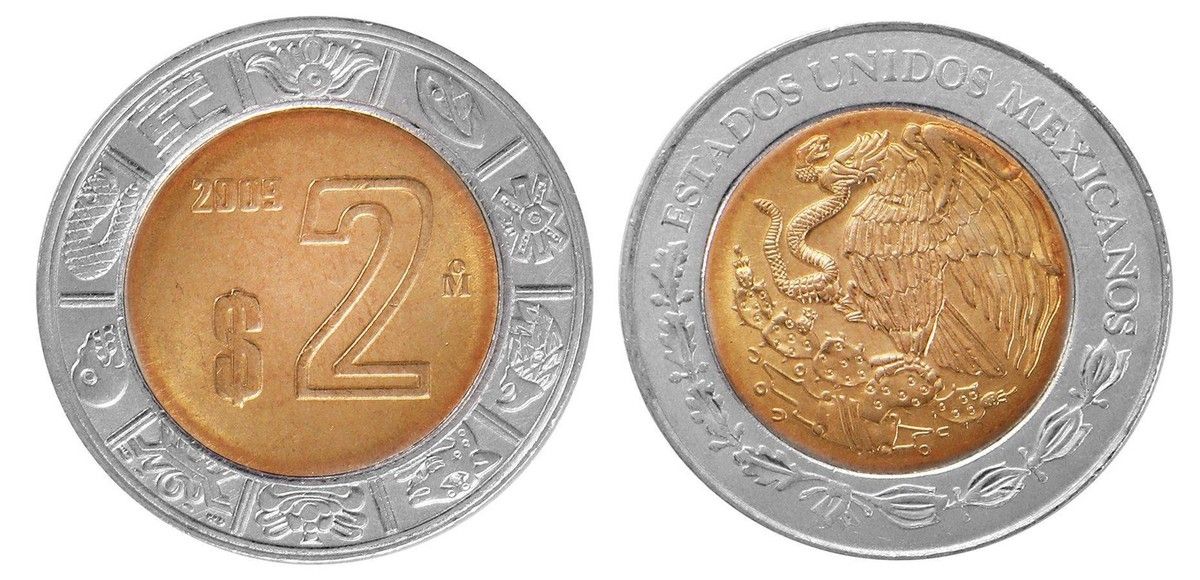
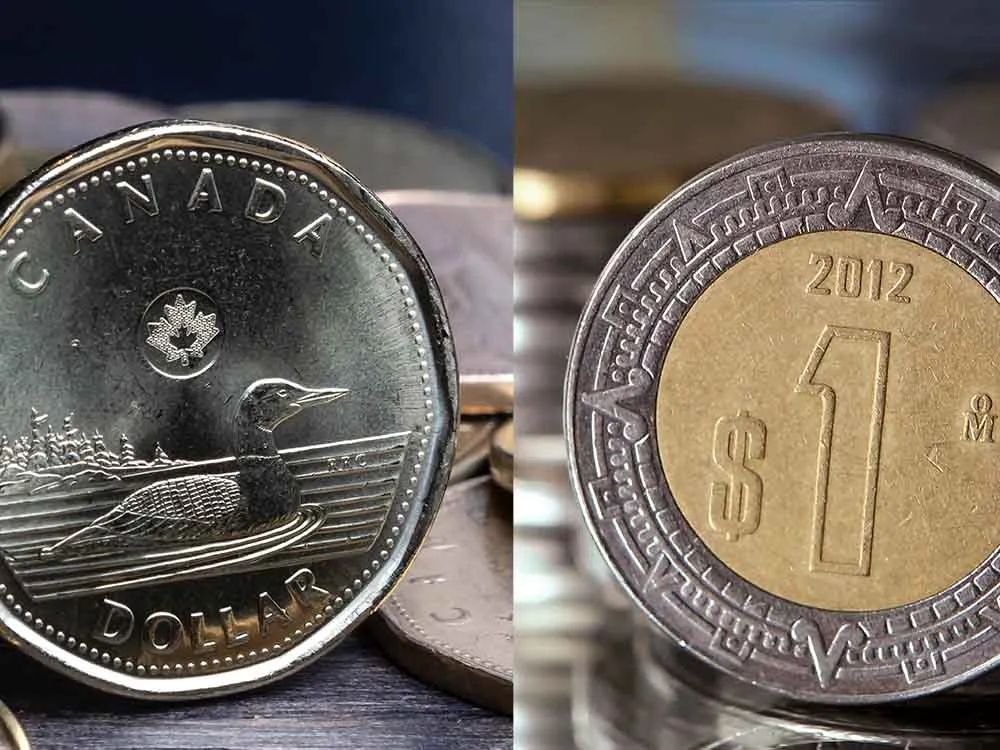
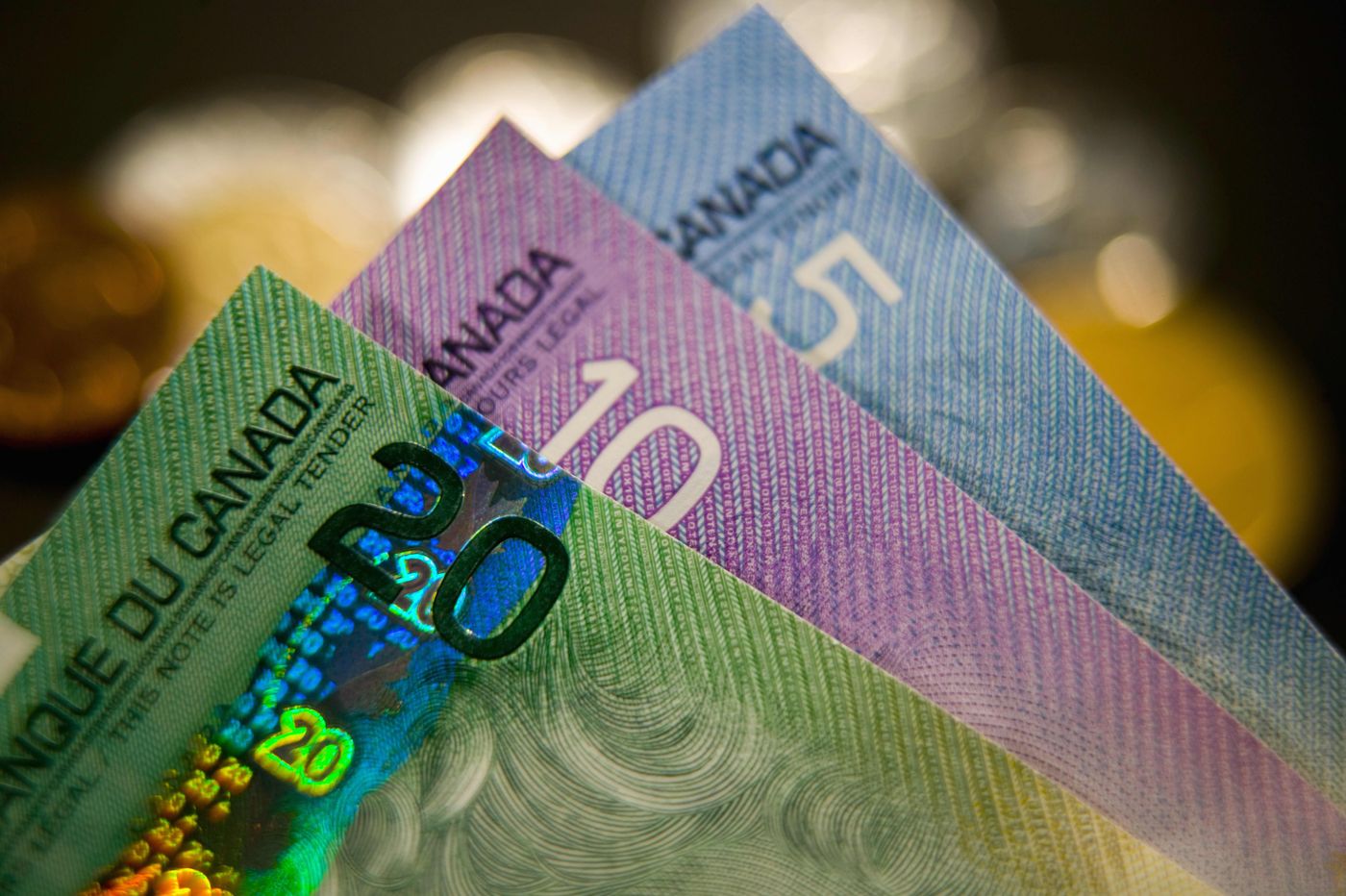
The Canadian dollar is the official currency of Canada, issued by the Bank of Canada. Its currency code is CAD and it uses the dollar symbol $. The Mexican peso is the official currency of Mexico, issued by the Bank of Mexico. Its currency code is MXN and it also uses the dollar symbol $. Both currencies are freely traded on the global foreign exchange market, where their relative value is determined. The Canadian dollar is among the world's major reserve currencies, while the Mexican peso is one of the most traded currencies from Latin America. The exchange rate tells you how many Mexican pesos one Canadian dollar will buy.
How the CAD to MXN Exchange Rate is Set
The exchange rate between the Canadian dollar and the Mexican peso is not fixed by either government but is instead set by the global foreign exchange market. The most accurate reference point is the mid-market rate, which is the midpoint between the buy and sell prices in these international markets. This rate fluctuates constantly due to trading activity. The rate that consumers and businesses actually receive when converting money typically includes a margin or service fee added by banks or transfer services. This means the applied rate is often less favourable than the pure mid-market rate. The rate you see on a search engine is usually this mid-market rate, which serves as a benchmark but not the rate you will personally get.
Factors That Move the Exchange Rate
Several key economic and market factors influence the value of the Canadian dollar relative to the Mexican peso. Changes in interest rates set by the Bank of Canada or the Bank of Mexico can attract or repel foreign investment, strengthening or weakening the respective currency. The relative health of each country's economy, measured by indicators like GDP growth, employment, and trade balances, also drives currency value. Commodity prices are particularly significant for Canada, as the Canadian dollar often correlates with the price of oil, a major export. For Mexico, factors like remittance flows, manufacturing data, and trade relations with the United States are influential. Geopolitical events and overall global market sentiment towards risk can cause both currencies to move. These factors combine to create the daily volatility observed in the CAD to MXN pair.
Historical Performance and Volatility
The CAD to MXN exchange rate experiences regular fluctuations, with notable highs and lows observable even over short periods. Over a 30-day period, the rate has moved between a high of 13.1147 and a low of 12.2731, with an average of 12.7628. The change over that period was 6.86 percent. Over a 90-day window, the range was wider, from a high of 13.1147 to a low of 12.2054, with a 90-day average of 12.4481. The change over 90 days was 5.46 percent. These movements illustrate the currency pair's volatility, which was measured at 0.63 percent over 30 days and 0.42 percent over 90 days. Such volatility means the amount of pesos received for a Canadian dollar can change significantly from one week to the next.
Methods for Converting CAD to MXN
Canadians have several options for converting their dollars to pesos, each with different costs and conveniences. Traditional banks offer currency exchange services, but their rates often include a significant markup over the mid-market rate, and they may charge additional transaction fees. Specialized money transfer services like Western Union and Remitly provide alternatives, often with competitive promotional rates for first-time users. Digital-focused platforms like Wise use the real mid-market rate and charge a transparent fee, which can be more cost-effective for larger transfers. Many of these services allow you to initiate transfers online, through a mobile app, or in person at an agent location. It is common to pay for a transfer using a bank account, a credit card, a Visa debit card, or cash in-store. Each provider applies its own exchange rate margin and fee structure, so the total cost can vary widely. Before confirming a transfer, you can review the exchange rate, transfer fee, and delivery option to understand the full cost.
- Traditional banks and credit unions
- Online and app-based money transfer services (e.g., Wise, Remitly)
- Global money transfer agents (e.g., Western Union)
- Currency exchange kiosks at airports or tourist centres
Western Union allows you to send money from Canada to Mexico online, through their app, or at an agent location. You can pay using your bank account, a credit or debit card, or cash in-store. After sending, you receive a Money Transfer Control Number (MTCN). You can use this MTCN to easily track your transfer online or with the app.
Fees and Costs to Consider
The total cost of converting Canadian dollars to Mexican pesos is not just the exchange rate. Providers typically add a margin to the mid-market rate, which is a hidden cost that reduces the amount of pesos you receive. Additionally, most services charge a separate transfer fee. This fee can vary depending on the amount you send, your chosen payment method, the destination, and the selected payout option. For example, using a credit card to fund a transfer may trigger cash advance fees and interest charges from your card issuer, on top of the transfer service's fees. It is crucial to review the full cost breakdown before confirming any transaction. Providers like Wise advertise using the mid-market rate with no hidden markup, charging only a transparent upfront fee. Others, like Western Union, show an estimated total cost including their rate and fee before you finalize the transfer. The comparison savings between providers can be significant, especially on larger transfer amounts, and these savings are calculated by comparing the exchange rate including margins and fees provided by each bank and service on the same day.
| Cost Component | Description | Variability Factors |
|---|---|---|
| Exchange Rate Margin | Difference between mid-market rate and offered rate | Provider, transfer amount, market conditions |
| Transfer Fee | Fixed or variable fee for the service | Payment method, speed, destination, provider |
| Card-Issuer Fees | Cash advance/interest on credit card payments | Specific card issuer's policies |
A true comparison requires understanding both the exchange rate and any transfer fees. The mid-market rate is a global benchmark, but the rate you receive for a personal transfer may include a margin. You should review the exchange rate and transfer fee together before confirming your transfer. This allows you to see the total cost and know exactly how many Mexican pesos your receiver will get.
Sending Money and Tracking Transfers
Once you decide on a provider, the process to send money to Mexico is generally straightforward. You enter the amount in Canadian dollars you wish to send, select Mexican pesos as the receiving currency, and provide the recipient's details. The service will show you an estimated exchange rate, the transfer fee, and the total amount in pesos that will be delivered. After payment is confirmed, the transfer is processed. A key feature for security and peace of mind is the ability to track the transfer. Services provide a unique Money Transfer Control Number (MTCN) which can be used to monitor the status online or via a mobile app. The recipient can typically collect the funds in cash at an agent location or receive them directly into a bank account. Providers emphasize security measures like encryption and fraud prevention to help protect transactions, and they advise sending money only to people you know and trust. You should also check receiver details carefully, keep your MTCN private, and stay alert for scam or fraud warning signs.
Using Rate Alerts and Tools
Given the constant movement in exchange rates, tools exist to help Canadians time their conversions. Many currency converter websites and apps offer a rate alert feature. You can set a target CAD to MXN exchange rate, and the platform will notify you via email or app notification when the market reaches that level. This can be useful if you are not in a hurry to send money and want to wait for a more favourable rate. Interactive charts are also commonly available, allowing you to view historical exchange rate data, sometimes for up to five years. These charts use real-time mid-market rates to show how the currency pair has moved over time. Using these tools can provide valuable context for understanding whether the current rate is relatively high or low compared to recent history. Setting an alert and reviewing historical data are practical steps to manage the impact of exchange rate volatility, and you can even set an alert on the rate alerts page or within a currency app to get a notification when your desired rate is reached.
Frequently asked questions
What is the current CAD to MXN exchange rate?
The exchange rate between the Canadian dollar and Mexican peso changes constantly throughout the day. The most accurate reference is the mid-market rate, which is the midpoint between global buy and sell prices. This page features a live currency converter at the top that displays the current mid-market rate. Remember that the rate you receive from a bank or transfer service will include a margin and may be different.
How can I convert Canadian dollars to Mexican pesos?
You can convert CAD to MXN through several channels. These include your bank, online money transfer services like Wise or Remitly, or global agents like Western Union. The process typically involves entering the amount, selecting the currencies, and choosing a payment method such as a bank account or debit card. Each provider will show you the exchange rate they offer and any fees before you confirm the transaction.
Are there fees for sending money to Mexico?
Yes, there are almost always fees associated with sending money internationally. Costs come in two main forms: an exchange rate margin, where the offered rate is worse than the mid-market rate, and a separate transfer fee. The total cost depends on factors like the amount sent, the payment method, and the provider. For instance, using a credit card may incur additional cash advance fees from your card issuer.
How long does a money transfer to Mexico take?
Transfer times can vary based on the service provider and the payout method chosen. Some digital transfers can be completed within minutes, while others may take one to several business days. Transfers for cash pickup at an agent location can often be available quickly. The estimated delivery time is usually provided by the service before you finalize the transfer.
Can I track my CAD to MXN money transfer?
Yes, you can track your CAD to MXN money transfer. After sending, you will receive a unique Money Transfer Control Number (MTCN). You can use this MTCN to track your transfer online or with the provider's mobile app. This allows you to check the real-time status from processing to when it is ready for pickup or deposit.
Why is the rate I get different from the rate on Google?
Google typically displays the mid-market rate, which is a benchmark from global currency markets. The rate you get from a money transfer provider is for a retail transaction and includes a margin. This applied rate, combined with any transfer fees, determines the final amount your recipient receives in Mexican pesos. Therefore, the rate you get differs from the Google rate.
Sources and further reading
- Canadian dollars to Mexican pesos today wise.com
- 1 CAD to MXN, Canadian Dollars to Mexican Pesos ... xe.com
- CAD to MXN | Convert Canadian Dollar to Mexican Peso westernunion.com
This article explains how things work and is not financial, tax or legal advice. Rules, limits and rates change, so check the current figures with the Canada Revenue Agency, your province or your financial institution before you act.