Converting Canadian dollars (CAD) to Mauritian rupees (MUR) is a common need for Canadians sending money to family, conducting business, or travelling to Mauritius. The exchange rate between these two currencies is determined by global foreign exchange markets and fluctuates constantly based on economic factors. Canadians can convert money through banks, credit unions, online transfer services, and currency exchange kiosks, each with different fees and exchange rate margins. Understanding how the rate is set, its historical performance, and the costs involved helps individuals make informed decisions when moving money between Canada and Mauritius.
The Canadian Dollar and Mauritian Rupee
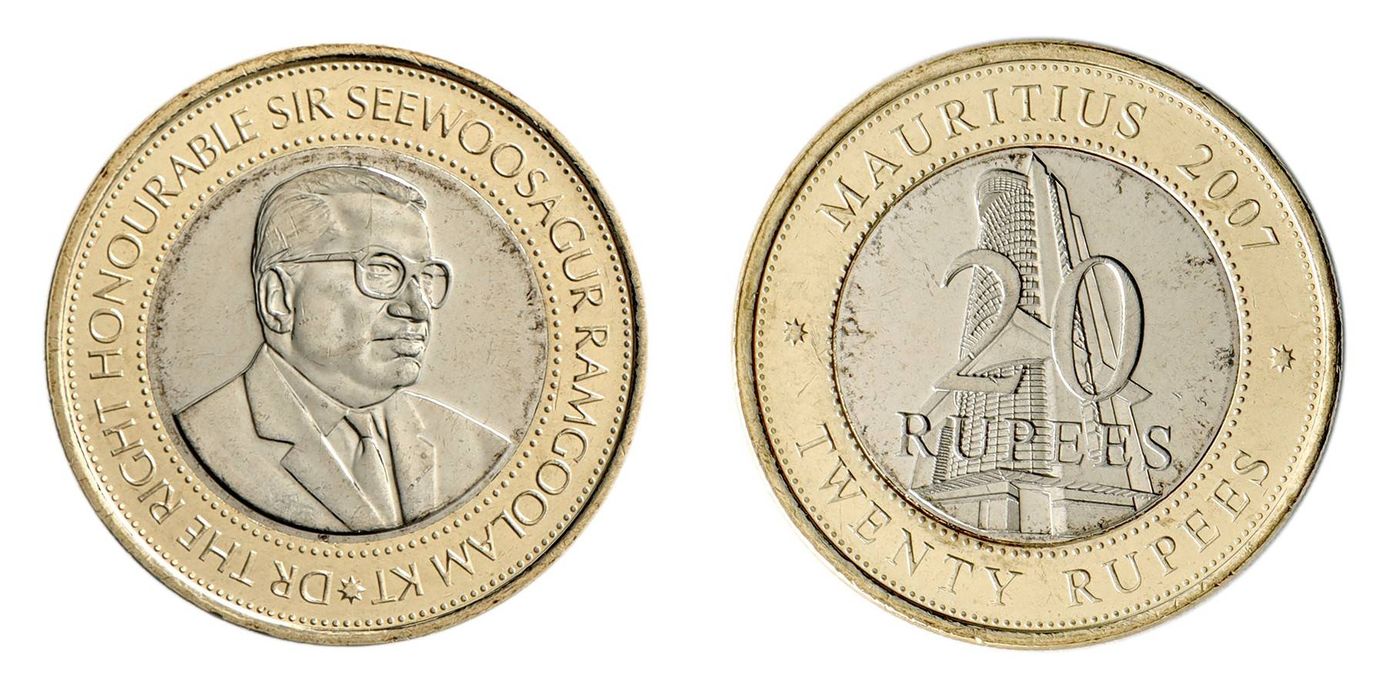
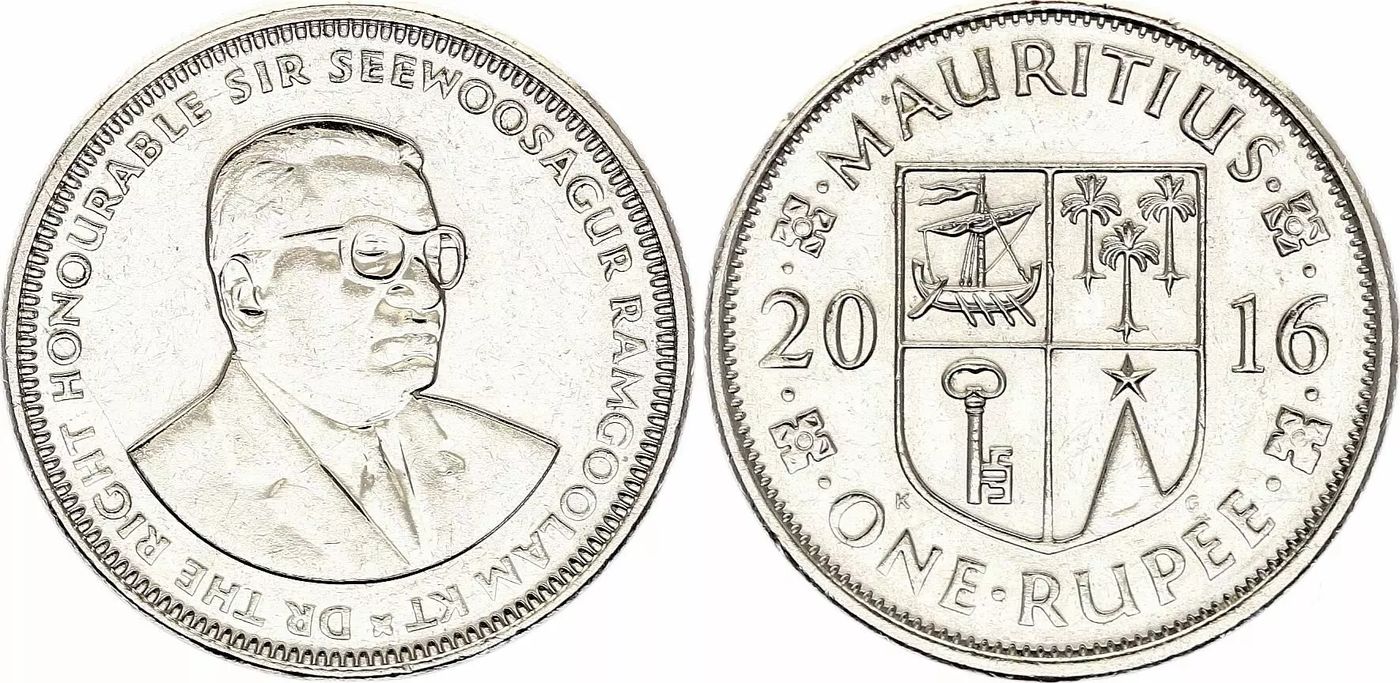
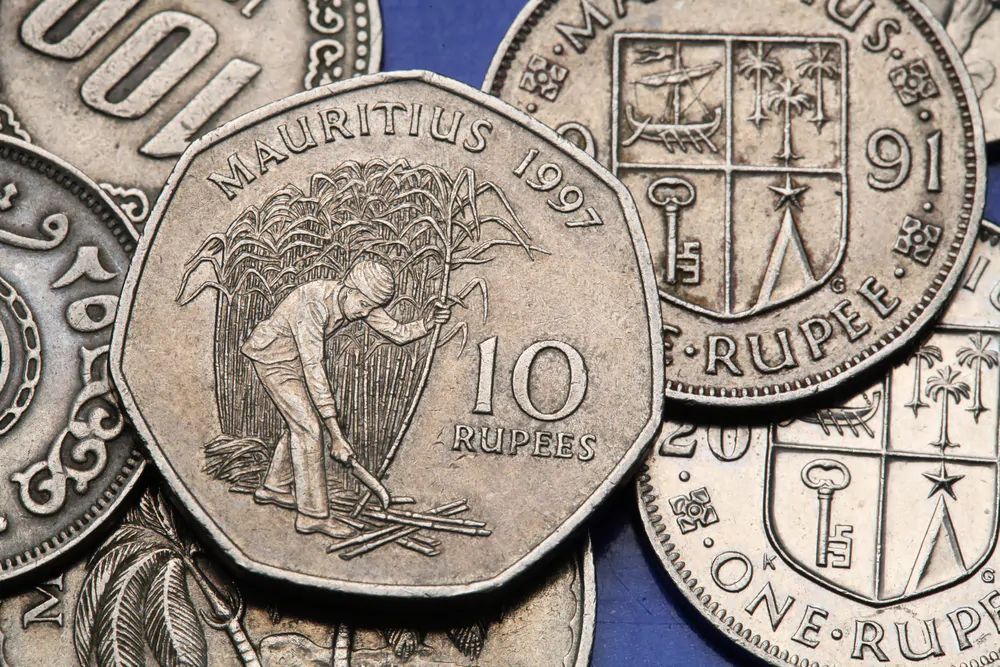
The Canadian dollar is the official currency of Canada, issued by the Bank of Canada and commonly symbolized by the dollar sign ($). It is a major global currency, often influenced by commodity prices, particularly oil, due to Canada's resource-based economy. The Mauritian rupee is the official currency of Mauritius, issued by the Bank of Mauritius and symbolized by ₨. Mauritius has a diverse economy with strong tourism, financial services, and textile sectors. The exchange rate between the Canadian dollar and the Mauritian rupee shows how many rupees one Canadian dollar can purchase. This rate is vital for trade, tourism, and remittances between the two nations, facilitating the flow of money across borders.
How the CAD to MUR Exchange Rate is Set
The exchange rate between the Canadian dollar and the Mauritian rupee is primarily set by the global foreign exchange market. This decentralized marketplace involves banks, financial institutions, corporations, and governments trading currencies around the clock. The most commonly referenced rate is the mid-market rate, which is the midpoint between the global buy and sell prices for the currency pair. This rate is considered the pureest reflection of the currency's value at any given moment. Individual consumers and businesses do not typically receive this mid-market rate when conducting transactions. Instead, banks and money service providers apply a margin or markup to this rate, which becomes the customer exchange rate offered for conversions, international transfers, or foreign currency purchases.
Several key economic factors influence the relative value of the Canadian dollar against the Mauritian rupee, causing the rate to fluctuate. Interest rate decisions by the Bank of Canada and the Bank of Mauritius are a primary driver, as higher interest rates in Canada can attract foreign investment into Canadian assets, increasing demand for the loonie. Inflation rates in both countries also play a role, as higher inflation in Mauritius relative to Canada can erode the rupee's purchasing power. The trade balance between the nations affects currency demand, with Canadian exports to Mauritius requiring rupee conversion and vice versa. Broader global economic events and market sentiment towards risk can cause investors to move capital into or out of currencies like the Canadian dollar, which is considered a commodity currency. All these factors work together to push the exchange rate up or down throughout the trading day.
Historical Performance and Notable Rates
The CAD to MUR exchange rate has experienced fluctuations over recent periods, reflecting changing economic conditions. Historical data shows ranges and averages that provide context for the currency pair's behaviour. Over a 90-day period in 2026, the rate saw a high of 34.2123 Mauritian rupees per Canadian dollar and a low of 33.0537 rupees, with an average of 33.7076. This represents a change of -0.13 over that quarter. The 30-day performance in the same year showed a slightly narrower range, with a high of 33.9663 and a low of 33.2246, averaging 33.5362 and showing a change of -0.92. These figures illustrate the typical volatility and movement within a short to medium-term timeframe.
Analysing shorter periods reveals the day-to-day volatility in the market. Over a seven-day span, the rate moved between 33.2741 and 33.5703, with an average of 33.4212 and volatility measured at 0.42 percent. The 30-day volatility was also 0.42 percent, while the 90-day volatility was slightly lower at 0.39 percent. This consistency in volatility metrics suggests a relatively stable trading environment for the pair during this time, though rates still shift multiple times per day. Monitoring these historical ranges helps Canadians understand the potential variance they might encounter when planning a currency conversion.
Methods for Converting CAD to MUR in Canada
Canadians have several options when they need to convert their dollars into Mauritian rupees, each with distinct cost structures and conveniences. Traditional banks and credit unions offer currency exchange services both for cash and for international wire transfers. These institutions typically apply a significant markup to the mid-market rate, which is how they generate revenue from the transaction. For wire transfers to Mauritius, banks also charge a fixed fee, which can be quite substantial, and the recipient's bank in Mauritius may deduct an additional receiving fee. Credit cards and debit cards are another common method, especially for travel spending or online purchases from Mauritian retailers. When used abroad, these cards often apply a foreign transaction fee, usually a percentage of the purchase amount, on top of the card network's exchange rate, which also includes a margin.
Online money transfer specialists and digital currency exchange platforms have become popular alternatives. Companies like Wise, Xe, and Western Union operate primarily online and often advertise more competitive exchange rates compared to traditional banks. They make money through a combination of a smaller margin on the exchange rate and a transparent transfer fee. Their services are designed for sending money directly to a bank account or for cash pickup in Mauritius. Physical currency exchange kiosks, often found in airports and tourist centres, provide cash conversion but usually offer the least favourable rates due to high overhead costs and convenience pricing. The best method for an individual depends on the transfer amount, urgency, and whether they need physical cash or an electronic transfer.
Fees and Costs Comparison
Understanding the full cost of converting CAD to MUR requires looking beyond the advertised exchange rate to include all fees and margins. Providers typically build their profit into the transaction through an exchange rate margin, which is the difference between the mid-market rate and the rate they offer the customer. This margin can vary widely. For example, traditional banks may apply a margin of two to five percent or more, while some online services claim to use the mid-market rate with only a small, transparent fee. International wire transfers through banks involve multiple charges, including a sender's fee from the Canadian bank, a correspondent bank fee, and a receiving fee from the Mauritian bank, which can total a significant amount, especially on smaller transfers.
Card-based transactions incur their own fee structure. Some premium travel cards waive this fee. Debit cards used at ATMs in Mauritius may charge a foreign withdrawal fee from the Canadian bank plus a potential fee from the ATM operator. Online transfer services usually show the total cost upfront, combining a transfer fee and the applied exchange rate. It is crucial for consumers to review the exchange rate, transfer fee, and estimated final amount in rupees together before confirming any transaction to understand the full cost.
Using Transfer Services and Tools
Online platforms provide tools to help Canadians manage their currency conversion and transfers to Mauritius. Most major providers feature real-time currency converters on their websites or mobile apps. Users can enter an amount in Canadian dollars and see the estimated equivalent in Mauritian rupees based on the provider's current rate. It is important to remember that this is often an estimate, and the final rate may be confirmed at the time of transaction completion. Many services also offer the ability to set up rate alerts. Users can specify a target CAD to MUR exchange rate, and the platform will send a notification via email or app when the live rate reaches that level, allowing them to execute a transfer at a favourable moment.
The process for sending money typically involves creating an account, entering the transfer details including the amount in CAD and the recipient's information in Mauritius, and selecting a payment method. Payment options usually include a direct debit from a Canadian bank account, a debit card, or a credit card. Providers note that using a credit card may trigger cash advance fees and interest charges from the card issuer. Before confirming, the service shows a summary including the exchange rate, all fees, the total CAD cost, and the expected MUR amount the recipient will receive. Transfers can often be tracked using a unique reference number, and funds can be delivered to a bank account or for cash pickup at an agent location in Mauritius. The following are common steps in the online transfer process:
- Create an account with the transfer service provider.
- Enter the amount in Canadian dollars to be sent.
- Provide the recipient's details in Mauritius, such as name and bank account information.
- Select a payment method, such as bank debit, debit card, or credit card.
- Review the final summary showing the exchange rate, fees, and total MUR to be received.
- Confirm the transfer and receive a tracking number for monitoring.
Key Considerations for Canadians
When planning to convert money to Mauritian rupees, timing can significantly impact how many rupees are received. Exchange rates fluctuate constantly, so monitoring the market over a period can help identify a favourable rate. Using rate alert tools can automate this process. The transfer amount also influences the effective cost, as some providers have minimum transfer amounts and fee structures that can be proportionally lower on larger transfers. It is advisable to compare the total cost from multiple providers, as the provider with the best advertised exchange rate might have high fixed fees, and vice versa. Security is another important consideration. Canadians should use reputable, regulated services and ensure they are sending money only to trusted recipients, safeguarding their transaction details.
For larger transfers, such as for property purchases or business investments, it may be beneficial to consult with a foreign exchange specialist who can offer forward contracts or limit orders. These products allow one to lock in an exchange rate for a future date, protecting against potential adverse market movements. Understanding the tax implications is also prudent, as sending large sums of money internationally may have reporting requirements. Ultimately, the choice of service depends on individual priorities, whether they are cost, speed, convenience, or the need for specific delivery methods like cash pickup or bank deposit in Mauritius. Key factors that move the CAD to MUR exchange rate include:
- Interest rate decisions by the Bank of Canada and the Bank of Mauritius.
- Inflation rates in both Canada and Mauritius.
- The trade balance and economic performance of both countries.
- Global economic events and market sentiment towards risk.
- Foreign investment flows into Canadian assets.
Frequently asked questions
What is the Canadian dollar to Mauritian rupee exchange rate?
The exchange rate shows how many Mauritian rupees (MUR) one Canadian dollar (CAD) can buy. This rate is dynamic and changes throughout the day based on trading in the global foreign exchange market. The most accurate reference is the mid-market rate, which is the midpoint between global buy and sell orders. However, the rate consumers actually receive from banks or transfer services includes a margin, so it will differ from the pure mid-market rate.
How often does the CAD to MUR exchange rate change?
The CAD to MUR exchange rate changes constantly, every day and throughout each trading day. It moves in response to factors like economic data releases, interest rate decisions, trade flows, and global geopolitical events. This is why the rate you see one hour might be different the next. The volatility, or degree of change, can be measured over different periods, with recent data showing 30-day volatility at 0.42 percent.
What is the best way to convert CAD to MUR?
The best method depends on your specific needs. For sending money to a bank account in Mauritius, online transfer services often provide more competitive rates and lower fees compared to traditional bank wire transfers. For obtaining physical cash for travel, comparing rates at currency exchange kiosks, your bank, or using a debit card at ATMs in Mauritius are all options, each with different costs. Always compare the total cost, including all fees and the applied exchange rate margin, before deciding.
What fees are involved in converting CAD to MUR?
Fees vary by provider and method. Banks typically charge an exchange rate margin of several percentage points plus fixed wire transfer fees. Online money transfer services usually combine a transparent transfer fee with a smaller exchange rate margin. Some providers also note that using a credit card to fund a transfer may incur additional cash advance fees and interest from the card issuer.
Can I lock in an exchange rate for a future transfer?
Yes, some foreign exchange specialists and certain transfer services offer tools like rate alerts, forward contracts, or limit orders. A rate alert simply notifies you when the market rate hits your target. A forward contract allows you to lock in a specific exchange rate today for a transfer that will occur at a future date, which can be useful for budgeting and protecting against market downturns. These services are more commonly used for larger transfer amounts.
Is it safe to send money to Mauritius online?
Reputable online money transfer services employ security measures such as encryption and fraud monitoring to help protect transactions. It is important to use regulated, well-known providers and to ensure you are sending money only to people you know and trust. Always keep your transfer confirmation and tracking number private, and carefully verify the recipient's details before sending. Providers also recommend being alert to potential scams that request money transfers.
Sources and further reading
- CAD to MUR | Convert Canadian Dollar to Mauritius Rupee westernunion.com
- Canadian dollars to Mauritian rupees today wise.com
- 1 CAD to MUR, Canadian Dollars to Mauritian Rupees ... xe.com
- Convert Canadian Dollars to Mauritius Rupee | CAD to MUR currency.me.uk
- 1 CAD to MUR | Canadian Dollar to Mauritian Rupee ifcm.co.uk
This article explains how things work and is not financial, tax or legal advice. Rules, limits and rates change, so check the current figures with the Canada Revenue Agency, your province or your financial institution before you act.