Converting Canadian dollars to Sri Lankan rupees is a common need for Canadians sending remittances to family, supporting charitable causes, or traveling to Sri Lanka. The exchange rate between the Canadian dollar (CAD) and the Sri Lankan rupee (LKR) fluctuates constantly based on global financial markets. Understanding how this rate is set, what influences its movement, and the costs involved in conversion helps Canadians make informed financial decisions. This guide covers the fundamentals of both currencies, the mechanics of the exchange rate, and practical details on conversion methods and fees.
The Canadian Dollar and Sri Lankan Rupee
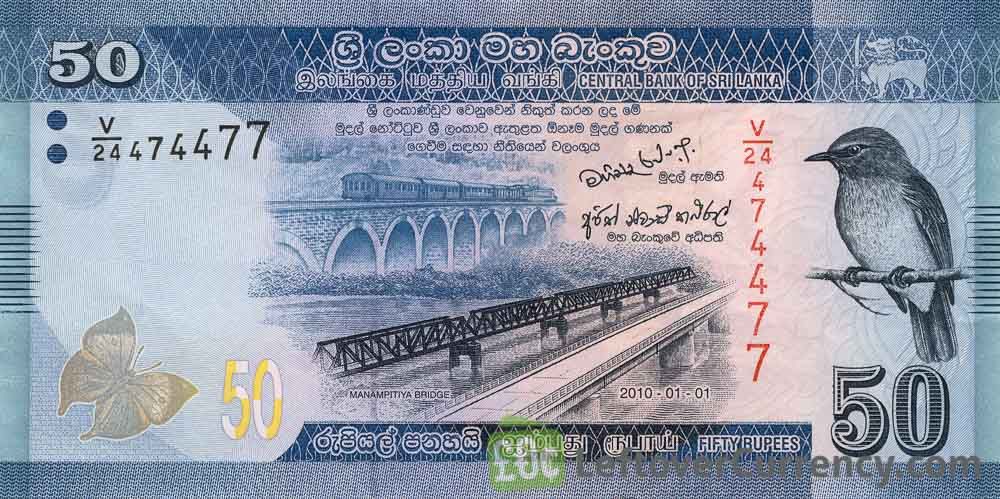
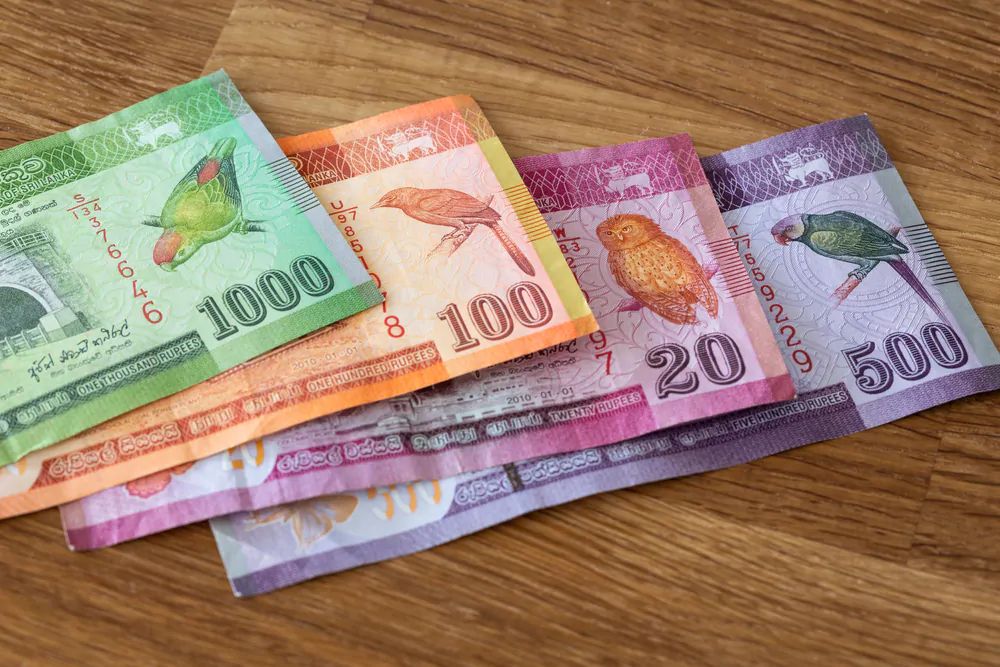
The Canadian dollar, with the currency code CAD and symbol $, is the official legal tender of Canada. It is issued by the Bank of Canada and is one of the world's major reserve currencies, heavily influenced by commodity prices like oil and minerals. The Sri Lankan rupee, with the currency code LKR and symbol ₨, is the official currency of Sri Lanka, issued by the Central Bank of Sri Lanka. Its value is closely tied to the South Asian nation's economic conditions, including tourism, tea exports, and foreign debt levels. Both currencies are used for all daily transactions within their respective countries. The most common exchange rate pairing for the Canadian dollar globally is with the US dollar (CAD to USD), while for the Sri Lankan rupee, it is also with the US dollar (LKR to USD).
How the CAD to LKR Exchange Rate is Set
The primary benchmark for the Canadian dollar to Sri Lankan rupee exchange rate is the mid-market rate, also known as the interbank rate. This rate represents the midpoint between the global buy and sell prices for the currency pair on the foreign exchange market. It is the most accurate reflection of the currency's value at any given moment and is used as a reference by financial institutions. The mid-market rate is determined by the continuous trading between banks, hedge funds, and other large financial entities on platforms like Reuters and Bloomberg. This rate fluctuates constantly throughout the trading day as new orders are matched. When individuals or businesses convert money, they do not receive this pure mid-market rate. Instead, banks and money transfer services apply a margin or markup to this rate, which is how they generate revenue from currency exchange. The final rate a customer sees will therefore be less favourable than the live mid-market rate.
Factors That Move the Exchange Rate
The CAD to LKR exchange rate is highly dynamic, changing by the second due to a complex mix of global and local economic factors. Key influences include the relative interest rates set by the Bank of Canada and the Central Bank of Sri Lanka, as higher rates in Canada can attract investment flows into CAD. Comparative economic growth and stability between the two nations also play a major role, with stronger Canadian economic data typically supporting the loonie. Global commodity prices significantly impact the Canadian dollar, given Canada's status as a major exporter of resources like oil, lumber, and potash. For Sri Lanka, the rupee's value is sensitive to the country's balance of payments, levels of foreign debt, political stability, and the performance of key export sectors like textiles and tourism. Broader market sentiment and risk appetite among global investors can cause capital to flow into or out of emerging market currencies like the LKR. Geopolitical events and domestic policy announcements in either country can trigger immediate volatility in the exchange rate.
Historical Performance and Notable Fluctuations
Historical data shows that the CAD to LKR rate experiences regular volatility over short and long-term periods. Over a recent 90-day period, the rate moved between a low of 231.30 LKR and a high of 240.55 LKR per Canadian dollar, with an average of 236.51. The 30-day performance showed a range between 231.30 and 236.56, averaging 233.18. In the shortest measured frame of 7 days, the rate fluctuated between 231.76 and 234.74. These ranges illustrate that even over a week, the value of one Canadian dollar in rupees can change by several rupees. The change in the LKR to CAD rate over a recent 90-day period was an increase of 1.00 percent, while over a 30-day period it decreased by 0.19 percent. Longer-term historical charts, which can track data for up to five years, reveal more significant trends driven by major economic events. For instance, periods of economic crisis or debt restructuring in Sri Lanka have historically pressured the rupee, leading to a higher CAD to LKR rate. Conversely, a downturn in global commodity prices can weaken the Canadian dollar relative to many currencies, potentially lowering the rate.
How Canadians Convert Money: Methods and Costs
Canadians have several options for converting CAD to LKR, each with different cost structures and convenience levels. Traditional banks and credit unions offer currency exchange services, both for cash and wire transfers. These institutions typically apply a significant markup to the mid-market rate and charge fixed wire transfer fees, which can make the total cost high. Specialist international money transfer services like Wise, Western Union, Xe, and WorldRemit often provide more competitive exchange rates and lower fees. These digital-first providers prominently advertise using the real mid-market rate with no hidden markups, though they may charge a transparent service fee. Some services, like Remitly, promote no fees on a first transfer. Credit and debit cards are commonly used for spending in Sri Lanka, but card networks and issuers apply their own dynamic currency conversion rates and foreign transaction fees, which are usually a percentage of the purchase amount. Prepaid travel cards are another option, allowing users to lock in a rate when they load funds. The total cost of conversion is a combination of the exchange rate margin and any fixed or variable fees.
Key factors that determine the final cost include the transfer amount, as some providers offer lower fees for larger amounts, and the chosen payment method, such as bank debit, credit card, or cash. The payout option in Sri Lanka, like bank deposit, mobile wallet, or cash pickup, also affects the price, as does the speed of the transfer, with expedited services costing more. Promotional offers, such as fee-free first transfers, can provide initial savings. Providers like Western Union and Xe allow customers to see an estimated total cost, including the applied exchange rate and all fees, before confirming a transaction. It is crucial to review this full cost, as a provider advertising 'no fees' might still incorporate costs through a less favourable exchange rate. For credit card payments, card issuers may levy additional cash advance fees and interest charges, making a debit card or direct bank transfer a potentially cheaper payment method.
Comparing Transfer Services and Their Features
When choosing a service to send money to Sri Lanka, Canadians should compare the key features and pricing models of different providers. Major players in the market compete on exchange rate margins, transfer fees, speed, and customer experience. Specialist services often provide bank-beating rates with no hidden fees and show all pricing upfront. The table below outlines a general comparison of common provider types based on typical offerings.
| Provider Type | Typical Exchange Rate | Fee Structure | Key Features |
|---|---|---|---|
| Online Specialists (Wise, Xe) | Mid-market rate with a small margin or transparent fee | Low, percentage-based fee. Sometimes no fee over a certain amount | Real-time tracking, rate alerts, multi-currency accounts |
| Global Money Transfer Agents (Western Union, MoneyGram) | Provider-set rate, often less competitive | Variable fee based on amount and payout method | Extensive cash pickup network, in-person service options |
| Remittance-Focused Apps (Remitly, WorldRemit) | Competitive rates, often promotional for new users | Low fees, promotional 'no fee' first transfers | Mobile-first, focused on specific corridors like Canada to Sri Lanka |
Beyond costs, features like the ability to set rate alerts are valuable for those waiting for a favourable movement. Security is paramount, with reputable providers using encryption and fraud prevention measures. Transfer tracking via a Money Transfer Control Number (MTCN) is standard. Many services also offer rewards programs. For example, Western Union Rewards offers points that can be redeemed for discounts on future transfer fees. Ultimately, the best choice depends on the individual's priority, whether it is the absolute lowest cost, the fastest speed, the convenience of cash pickup, or the simplicity of a bank transfer.
Practical Tips for Sending Money to Sri Lanka
Before initiating a transfer, it is essential to have all necessary recipient information correct, including the full name as it appears on official identification and accurate bank account details for deposits. Always use the provider's currency converter or live quoter tool to see the exact amount in LKR the recipient will receive, inclusive of all fees and the applied exchange rate. This step prevents surprises and allows for easy comparison between services. Consider the timing of your transfer, as exchange rates move constantly. Setting a rate alert can notify you when the CAD to LKR rate reaches a desired level. Be aware of transfer limits, which may vary by provider and could be lower for new customers or certain payment methods. For larger amounts, it may be prudent to break the transfer into smaller transactions to stay under limits or to secure a better rate on portions of the total. Always keep the transaction receipt and tracking number (MTCN) secure, as it is needed to trace the transfer or resolve any issues. Finally, only send money to people you know and trust, and be vigilant against fraud by verifying communication channels and avoiding pressure to send funds urgently.
Frequently asked questions
What is the mid-market exchange rate?
The mid-market rate is the midpoint between the global buy and sell prices for a currency pair on the interbank market. It is the purest benchmark rate used by financial institutions but is not the rate consumers receive. Banks and transfer services add a margin to this rate, so the final customer rate is less favourable. This rate fluctuates continuously throughout the trading day.
How can I check the live CAD to LKR rate?
Live mid-market rates are available on financial data websites and through the currency converter tools offered by major money transfer services like Wise, Xe, and Western Union. These tools show the real-time rate, but remember the actual rate offered for a transfer will include a margin. Many services also provide historical charts to view rate trends over days, months, or years. You can view historical data for up to the last five years with some interactive charts.
What fees should I expect when sending money to Sri Lanka?
Fees vary widely depending on the provider, the transfer amount, your payment method, and the chosen payout method in Sri Lanka. Banks typically charge a fixed wire transfer fee plus a poor exchange rate margin. Online specialists often charge a lower, percentage-based fee and offer better rates. Some apps promote no fees on your first transfer. Always check the full estimated cost before sending.
Can I set an alert for a specific CAD to LKR rate?
Yes, many currency converter apps and websites, including Xe and Wise, allow you to set up free rate alerts. You specify your desired Canadian dollar to Sri Lankan rupee exchange rate, and the service will notify you via email or app notification when the mid-market rate reaches that level. This helps you time your transfer to get more rupees for your dollar. You can set an alert to be notified when the rate gets better.
Is it cheaper to use a bank or a specialist transfer service?
Specialist international money transfer services are generally cheaper for converting and sending CAD to LKR. They offer exchange rates much closer to the mid-market rate and have lower fees compared to the significant margins and fixed fees charged by traditional banks. Comparison tools show that savings can be substantial, especially on larger transfer amounts. These services provide bank-beating rates and no hidden fees.
How long does a money transfer to Sri Lanka take?
Transfer times depend on the service and payout method. Bank-to-bank transfers can take 1 to 5 business days. Transfers for cash pickup at an agent location, offered by services like Western Union, can often be completed within minutes or a few hours. Digital wallet deposits may also be instant. The transfer speed is usually indicated when you get a quote.
Sources and further reading
- Sri Lankan rupees to Canadian dollars today wise.com
- CAD to LKR, Convert Canadian Dollar to Sri Lanka Rupee remitbee.com
- CAD to LKR | Convert Canadian Dollar to Sri Lanka Rupee westernunion.com
- 1 CAD to LKR, Canadian Dollars to Sri Lankan Rupees ... xe.com
This article explains how things work and is not financial, tax or legal advice. Rules, limits and rates change, so check the current figures with the Canada Revenue Agency, your province or your financial institution before you act.