The exchange rate between the Canadian dollar and the Japanese yen is a key financial metric for travellers, investors, and businesses engaged in cross-border activities between Canada and Japan. The Canadian dollar, often influenced by commodity prices, and the Japanese yen, a major global reserve currency, fluctuate based on a complex interplay of economic factors. Canadians looking to convert funds need to understand how the exchange rate is set, its historical movements, and the costs involved with different conversion methods. This knowledge helps in making informed decisions when sending money, making purchases, or managing currency exposure.
Understanding the Canadian Dollar and Japanese Yen
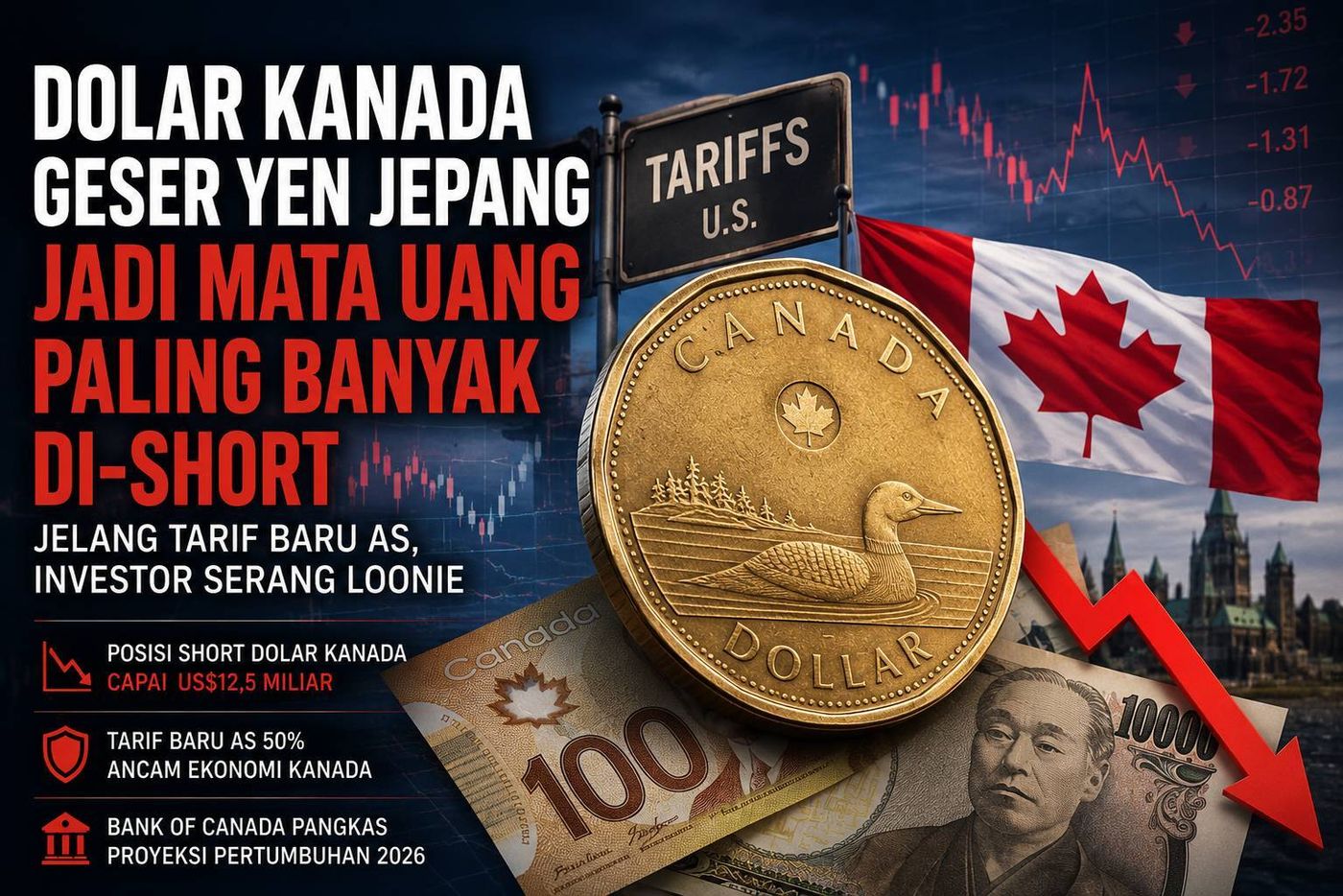
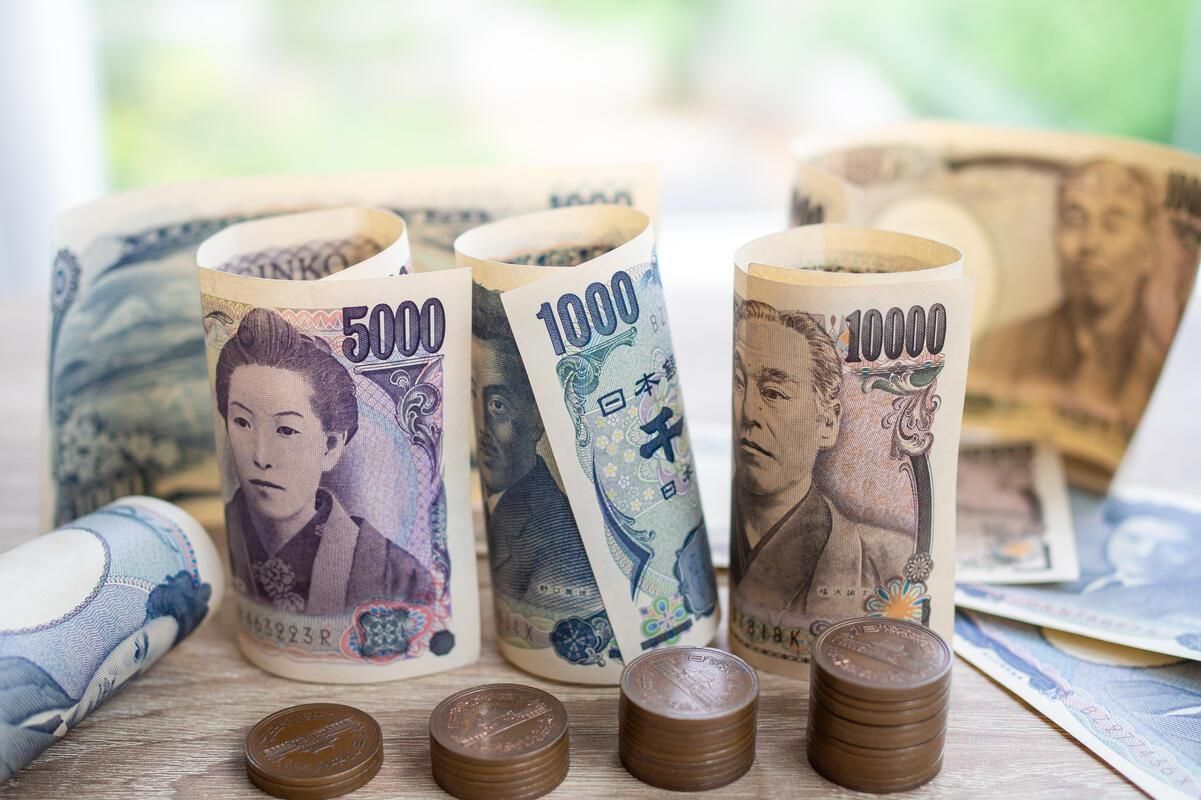
The Canadian dollar is the official currency of Canada and its value is closely tied to the country's resource-based economy. As a major exporter of commodities like oil, gold, and copper, the CAD often moves in correlation with global prices for these goods. The Japanese yen is the official currency of Japan and is one of the world's most traded currencies, frequently seen as a safe-haven asset during times of global economic uncertainty. Both currencies are freely traded on the foreign exchange market, with their values determined by supply and demand dynamics. The exchange rate between them tells you how many yen one Canadian dollar can buy at any given moment.
How the CAD to JPY Exchange Rate is Set
The primary exchange rate you see quoted online is the mid-market rate, also known as the interbank rate. This is the midpoint between the buy and sell prices that large financial institutions use when trading massive volumes of currency amongst themselves. It is considered the most accurate reflection of a currency's true value at any moment. However, individual consumers and businesses do not have direct access to this wholesale rate. Instead, they receive a customer rate from banks, money transfer services, or currency exchange platforms. This customer rate includes a markup or spread above the mid-market rate, which represents the service provider's profit and covers transaction costs. The size of this markup can vary significantly between different providers.
Factors Influencing the CAD/JPY Exchange Rate
The exchange rate between the Canadian dollar and the Japanese yen is influenced by a variety of economic and geopolitical factors. Changes in global commodity prices, particularly oil, can have a pronounced effect on the Canadian dollar's strength. Monetary policy decisions from the Bank of Canada and the Bank of Japan, such as changes to interest rates, directly impact currency valuations. Broader market sentiment and risk appetite also play a role, as the yen is often sought in times of market stress. Economic data releases from both countries, including GDP growth, employment figures, and trade balances, provide signals that move the rate. Differences in inflation rates and the overall economic health of Canada versus Japan create long-term trends in the currency pair.
Historical Context and Notable Rate Movements
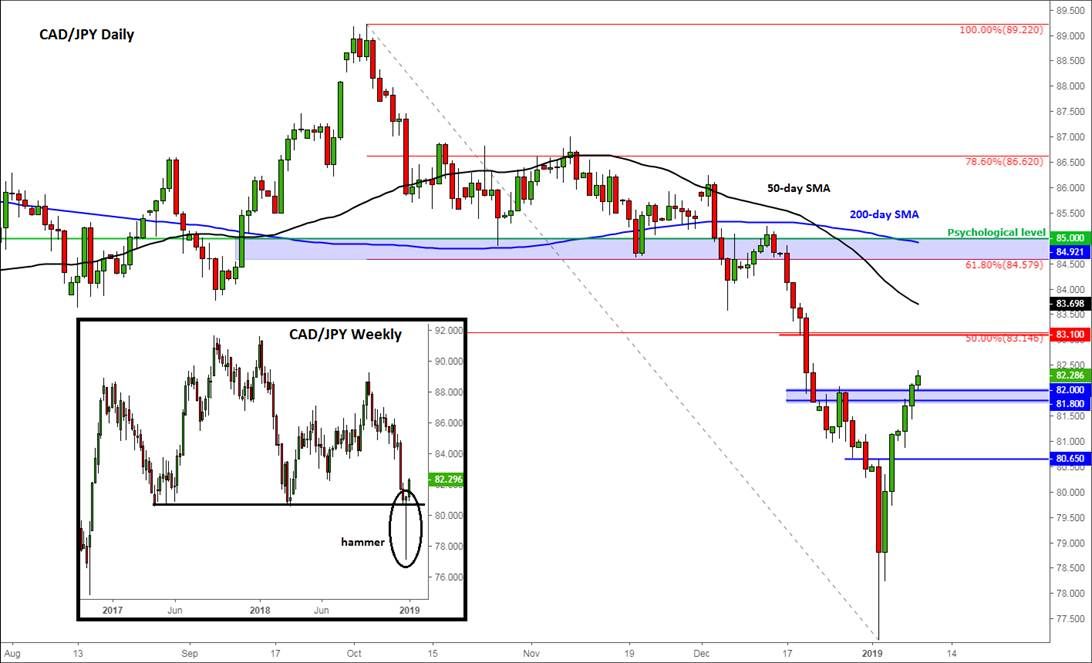
The CAD/JPY exchange rate has experienced significant fluctuations over time, reflecting the changing economic fortunes of both nations. Historical data shows periods where the Canadian dollar has been particularly strong or weak against the yen, often coinciding with major shifts in commodity cycles. Over a recent 90-day period, the rate moved between a low of 110.63 and a high of 116.35 yen per Canadian dollar, representing a considerable range that can impact the cost of conversions for Canadians. Monitoring historical charts can provide insight into typical ranges and volatility patterns for the currency pair, which has also seen a 30-day average of 111.36 and a 90-day average of 113.00.
Methods for Converting CAD to JPY in Canada
Canadians have several options when they need to convert dollars to yen, each with different costs and conveniences. Traditional banks offer currency exchange services at their branches, but these often come with higher markups on the exchange rate and may include additional service fees. Specialist money transfer services like Western Union and online platforms provide alternatives that can sometimes offer more competitive rates and lower fees. Many providers also offer the ability to convert and hold currency within a multi-currency digital account before spending or sending it. Credit and debit card transactions made in Japan will automatically convert at the card network's rate, which usually includes a foreign transaction fee. For larger amounts, using a dedicated foreign exchange service or a limit order through a trading platform may provide better value.
The total cost of converting Canadian dollars to Japanese yen is not just the exchange rate itself. Canadians must consider several types of fees that providers charge. These fees include an exchange rate margin, which is hidden within a less favourable customer rate, and explicit transaction fees. Transaction fees can be fixed or a percentage of the transfer amount. Furthermore, paying by credit card may incur cash advance fees and immediate interest charges from the card issuer. It is crucial to review a full cost breakdown before confirming any international money transfer.
- Exchange Rate Markup: The difference between the mid-market rate and the rate offered to you.
- Fixed Transaction Fees: A flat fee charged per transfer or conversion.
- Percentage-Based Fees: A cost calculated as a percentage of the total amount being converted.
- Payment Method Fees: Additional charges for using a specific payment method, such as a credit card.
- Cash Advance Fees: If using a credit card for a transfer, card issuers may apply cash advance fees and interest.
It is essential to review all costs upfront before confirming any transaction to convert CAD to JPY. The advertised exchange rate rarely tells the full story of the total cost. The rate offered to customers includes a markup above the pure mid-market rate. This markup covers the provider's costs and profit. Therefore, you should always see the exact exchange rate and any transfer fees for your transaction in a real-time estimate before you send. Understanding the full cost helps you make an informed decision.
Comparing Costs Across Different Providers
The cost of converting Canadian dollars to Japanese yen can vary dramatically depending on the service provider you choose. Banks typically apply a wider spread on the exchange rate and may add administrative fees. Online money transfer specialists often promote using the real mid-market rate but may charge a separate, transparent fee for the service. Some digital platforms offer fee-free conversions but build their profit into a less favourable exchange rate margin. To make an informed choice, Canadians should look at the final amount of yen they will receive after all costs are applied. Many services provide a live quote tool that shows the exchange rate, all fees, and the estimated delivery time before you commit to the transfer. The table below illustrates a hypothetical comparison of how different provider types might structure their costs, though actual rates and fees change constantly.
| Provider Type | Typical Fee Structure | Key Consideration |
|---|---|---|
| Major Canadian Bank | Wide exchange rate spread + possible fixed fee | Convenient for existing customers, but often higher cost. |
| Online Transfer Specialist | Mid-market rate + transparent percentage fee | Costs are clear upfront. Good for larger transfers. |
| Multi-Ccurrency Digital Account | Small margin on exchange rate, often no separate fee | Ideal for holding and spending currency over time. |
| Credit/Debit Card Network | Network rate + foreign transaction fee (2-3%) | Suitable for point-of-sale spending, not large transfers. |
Always check the current offers directly with providers before converting CAD to JPY. Promotions and pricing models are subject to frequent change. The best option for your transfer depends on several factors. These factors include the specific transfer amount and the urgency of the transaction. Your choice will also depend on whether the receiver needs cash pickup, a bank deposit, or a digital balance. Providers may offer different exchange rates and fees based on these variables. Reviewing all options ensures you select the most suitable service.
Practical Tips for Currency Conversion
When planning to convert Canadian dollars to Japanese yen, a few practical steps can help secure a better deal. First, monitor the live mid-market rate to understand the current baseline value. Many financial websites and apps provide real-time charts and historical data. Setting up a rate alert can notify you when the exchange rate reaches a desired level, which is useful if you are not in a hurry. Avoid converting currency at airport kiosks or hotels, as these venues are notorious for offering poor rates and high fees. For sending money, always compare the total cost, the final yen amount received, across at least two or three different providers. If you travel frequently, consider opening a multi-currency account that allows you to convert and hold yen when rates are favourable, then spend directly from that account later. This approach can help you avoid last-minute conversions at unfavourable rates.
Frequently asked questions
What is the difference between the mid-market rate and the rate I get?
The mid-market rate is the benchmark wholesale rate used between large financial institutions on global currency markets. The rate you are offered by a bank or transfer service is the customer rate. This customer rate includes a markup or spread above the mid-market rate. This markup is how the service provider makes a profit and covers its costs. Therefore, the rate you receive for a personal transaction will always be less favourable than the mid-market rate.
How can I send money from Canada to Japan?
You can send money from Canada to Japan using international money transfer services. These services operate online, through their mobile apps, or in person at agent locations. Providers like Western Union allow you to send money for cash pickup at an agent location in Japan or directly to a Japanese bank account. The process involves entering the transfer details, such as the amount in CAD. You then choose a payment method from Canada and select a payout method for the receiver in Japan.
Why does the exchange rate I see on Google differ from what a bank offers?
Google usually displays the mid-market reference rate, which is a pure market rate without any fees or markups. Banks and money transfer services apply their own exchange rate margin on top of this market rate. This margin covers their operational costs and profit. Therefore, the rate a bank or service offers for an actual transaction will be different from the rate you see in a generic Google search. The offered rate is typically less favourable for the customer.
What fees should I look out for when converting CAD to JPY?
When converting CAD to JPY, you should look out for several key fees. The primary fee is the exchange rate margin, which is often hidden within a less favourable customer rate. There are also explicit transaction fees that can be fixed or a percentage of the transfer amount. Additionally, if you pay by credit card, card issuers may treat the transaction as a cash advance. This can incur additional cash advance fees and immediate interest charges. Always review a full cost breakdown before confirming a transfer.
Is it safe to use online services to convert and send money?
It is safe to use reputable online money transfer services to convert and send money. These services use encryption and fraud prevention measures to protect transactions. It is important to use well-known, regulated services for your transfers. You should also protect your login details and only send money to people you know and trust. Keep your money transfer control number private and use the provided tools to track your transfer for added security.
Can I lock in an exchange rate for a future transfer?
For most personal transfers, the exchange rate is set at the time you initiate and pay for the transaction. Some money transfer services and banks offer the ability to set a rate alert. This alerts you when the market rate hits a target you specify. For locking in a rate for a future transfer, some providers offer forward contracts. However, forward contracts are typically for larger, business-oriented transactions and not common for standard personal transfers.
Sources and further reading
- Japanese yen to Canadian dollars Exchange Rate. ... wise.com
- 1 CAD to JPY, Convert Canadian Dollars to Japanese Yen xe.com
- CAD to JPY | Convert Canadian Dollar to Japanese Yen westernunion.com
- 1 CAD to JPY, Convert Canadian Dollar to Japanese Yen dukascopy.com
This article explains how things work and is not financial, tax or legal advice. Rules, limits and rates change, so check the current figures with the Canada Revenue Agency, your province or your financial institution before you act.