Converting Canadian dollars (CAD) to Jamaican dollars (JMD) is a common financial transaction for Canadians sending money to family, supporting businesses, or traveling to Jamaica. The exchange rate between these two currencies fluctuates constantly based on global market forces, impacting how much Jamaican currency one receives for each Canadian dollar. Canadians have several options for conversion, including banks, money transfer services, and currency converters, each with differing fees and exchange rate margins. Understanding how the rate is set, its historical trends, and the costs involved is essential for making informed financial decisions when dealing with these two national currencies.
The Canadian and Jamaican Currencies
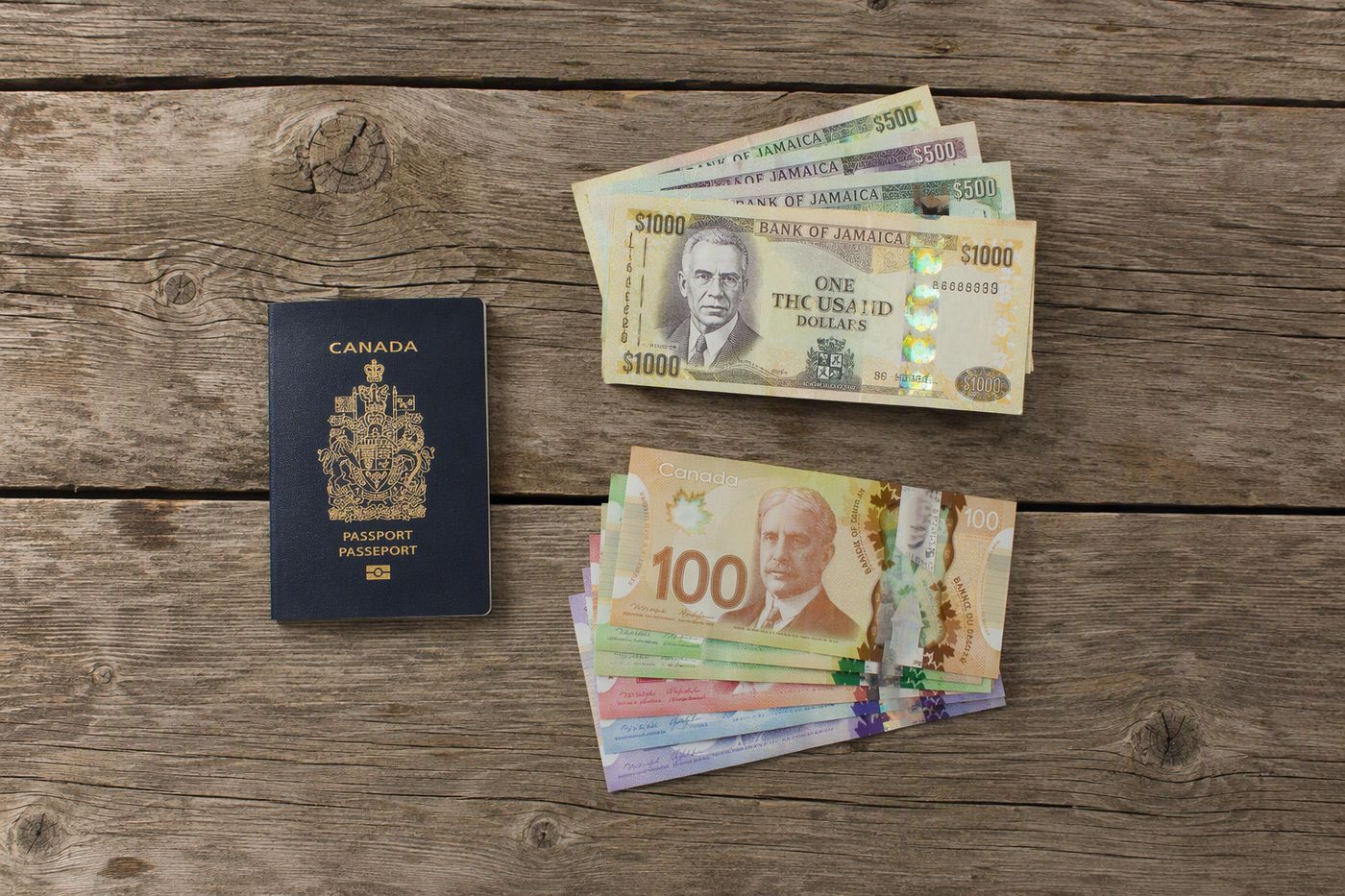
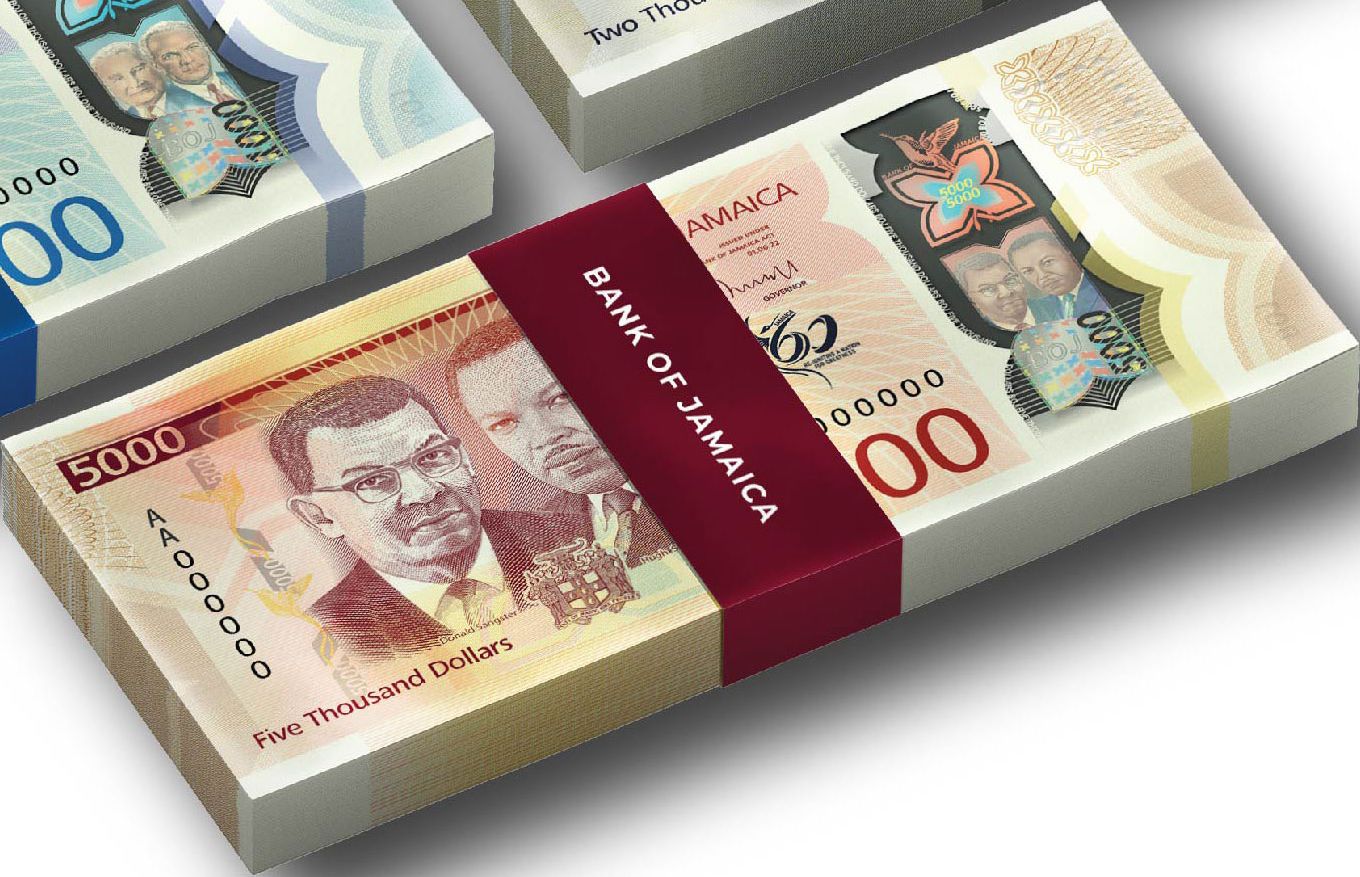
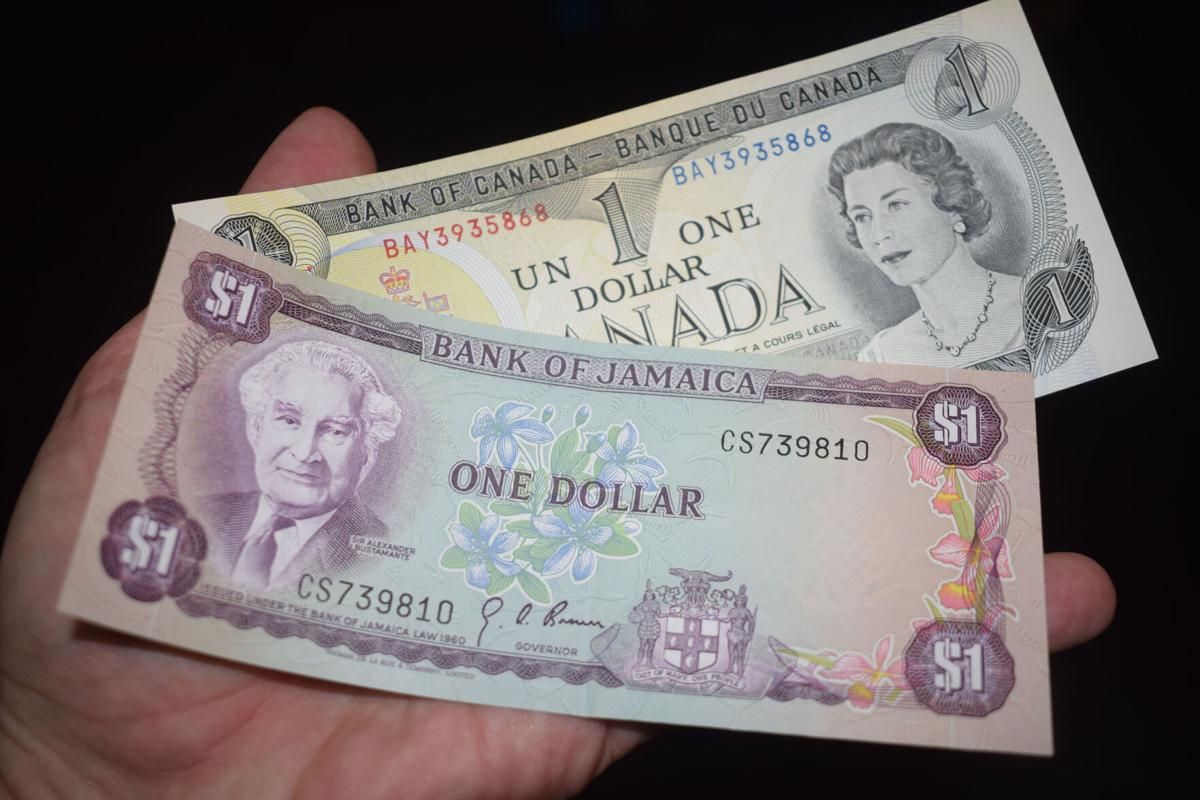
The Canadian dollar, coded CAD and symbolized by $, is the official currency of Canada and is used in all domestic transactions. It is a freely floating currency, meaning its value is determined by foreign exchange markets rather than being fixed to another currency or a basket of goods. The Jamaican dollar, coded JMD and symbolized by J$, is the official currency of Jamaica. Like the CAD, the JMD is a floating currency, but its value is influenced by different economic factors specific to Jamaica, including tourism, remittances, and commodity exports. Both currencies are decimal, with the Canadian dollar divided into 100 cents and the Jamaican dollar into 100 cents, though the Jamaican cent is rarely used in practice due to its low value. The exchange rate expresses how many Jamaican dollars one Canadian dollar can purchase, and this ratio is constantly changing.
How the CAD to JMD Exchange Rate is Set
The exchange rate between the Canadian dollar and the Jamaican dollar is a floating market rate. It is primarily set by the forces of supply and demand in the global foreign exchange market, where currencies are traded 24 hours a day. Large financial institutions, corporations, and governments participate in this market, buying and selling currencies for international trade, investment, and reserves. The rate quoted on financial data services is typically the mid-market rate, which is the midpoint between the buy and sell prices in this wholesale market. This rate is the purest reflection of the currency's value at any given moment. However, individual consumers and businesses do not transact at this wholesale rate. When Canadians convert money through a bank or transfer service, they are offered a retail rate that includes a margin or markup added by the provider. This margin is how these institutions make a profit on currency conversion, meaning the rate you receive will be less favourable than the live mid-market rate.
Several key economic factors influence the relative strength of the CAD versus the JMD, causing the rate to move. For Canada, major influences include global commodity prices, particularly for oil and natural resources, as well as the Bank of Canada's interest rate decisions and the overall health of the Canadian economy. For Jamaica, critical factors include the level of tourism from countries like Canada and the United States, inflows of remittances from Jamaicans living abroad, and the country's balance of trade. Political stability, inflation rates, and central bank interventions in both countries can also cause short-term fluctuations. The volatility of the CAD/JMD pair can be observed through its trading ranges over specific periods. For instance, over a recent 90-day period, the rate moved between a high of 114.9570 and a low of 110.8550, demonstrating the dynamic nature of the currency market.
Historical Context and Notable Rate Movements
The long-term history of the CAD to JMD exchange rate reflects the evolving economic relationship between Canada and Jamaica. Recent market data provides insight into short-term volatility and trends, which helps illustrate the factors that drive the rate. The performance over a 30-day window showed a high of 112.8450 and a low of 110.8550, with an average rate of 111.5983. This represents a change of 0.57 over that period. Over a longer 90-day window, the range was wider, with a high of 114.9570 and a low of 110.8550, averaging 112.8491 with a total change of 0.89. These figures highlight that even over a quarter, the value of one Canadian dollar in Jamaican terms can vary by several Jamaican dollars, which can significantly impact the total amount received in a large money transfer. Tracking these movements is crucial for anyone planning a significant transfer, as timing can affect the final amount delivered.
The volatility over a recent 7-day period was measured at 0.22 percent, while over 30 days it was 0.26 percent, and over 90 days it was 0.33 percent. This measured volatility indicates the typical daily percentage change in the exchange rate. While these percentages may seem small, they translate into tangible differences when converting thousands of dollars. For example, a 1 JMD difference in the rate on a transfer of $1,000 CAD means a difference of 1,000 Jamaican dollars for the recipient. Many currency services offer tools like rate alerts, allowing users to set a target exchange rate and receive a notification when the market hits that level, which can be a valuable strategy for optimizing conversion value. These alerts and historical charts, which can show data for up to five years, are key resources for informed decision-making.
Methods for Converting CAD to JMD
Canadians have multiple avenues for converting their dollars into Jamaican currency, each with distinct cost structures and conveniences. The most common methods include using banks, specialized money transfer services, online currency converters, and financial technology platforms. Banks offer currency exchange services both for cash and for wire transfers to Jamaica. While convenient for account holders, banks typically apply a significant markup to the mid-market exchange rate and often charge additional transfer fees. Specialized money transfer services, which operate online and through physical agent locations, are a popular choice for sending remittances. These services advertise competitive exchange rates and transparent fees, such as a flat fee of $3.99 on all transfers for some providers. They also offer various payout options, including direct bank deposit or cash pickup at agent locations in Jamaica. Online currency converters and financial technology platforms provide another method, often emphasizing the use of the real mid-market rate with a transparent, lower fee structure.
These digital services allow users to hold balances in multiple currencies and convert between them, sometimes offering fee-free transfers on amounts over a certain threshold, such as 500 CAD. The process for converting money typically involves entering the amount to be sent, selecting the destination country and currency, choosing a payment method, and reviewing the total cost, which includes the applied exchange rate and any fees before confirmation. Payment methods can include bank account debit, credit cards, Visa debit cards, or cash in-store. It is important to note that using a credit card may incur additional cash advance fees and interest charges from the card issuer, making debit options or bank transfers more cost-effective. Many providers make this process available through websites, mobile apps, or in-person at agent locations, with the ability to track the transfer using a money transfer control number after it is sent.
Fees, Rates and Cost Comparison
The total cost of converting CAD to JMD is a combination of the exchange rate margin applied by the provider and any explicit transfer fees. The mid-market rate is the benchmark, but no retail customer receives this rate. Providers add a margin, which is a percentage adjustment that makes the rate less favourable for the customer. This margin is often not stated explicitly but is embedded in the quoted exchange rate. In addition to this margin, many providers charge a separate transfer fee. This fee can be a flat rate, a percentage of the transfer amount, or sometimes waived for first-time users or transfers above a certain value. For example, one service advertises a fee of $3.99 for all transfers, while another may promote no fees on a first transfer or on amounts over 500 CAD. When comparing options, it is essential to look at the total amount of Jamaican dollars that will be delivered, not just the advertised exchange rate or fee in isolation.
A provider offering a slightly better rate but a high fixed fee might be more expensive for a small transfer, while a provider with a small margin but no fee could be cheaper for larger amounts. The table below illustrates a hypothetical comparison of costs from different types of providers for a sample transfer amount, though actual rates and fees vary by provider, transfer size, and time of transaction. Consumers are advised to use online tools provided by these services, which show a real-time estimate of the exchange rate, all applicable fees, and the final payout amount in Jamaican dollars before the transaction is confirmed. This transparency allows for an informed decision. Security is also a consideration, with reputable providers employing encryption, fraud prevention measures, and offering tracking via a money transfer control number.
Key Considerations for Canadians
When planning to convert Canadian dollars to Jamaican dollars, several practical considerations can lead to better outcomes. First, monitoring the exchange rate over time can help identify favourable trends. Many currency websites and apps provide historical charts, often showing data for up to five years, and allow users to set rate alerts. Second, understanding the full fee structure is critical. Always review the final quote that shows the exact exchange rate being applied, the transfer fee, the estimated delivery time, and the total Jamaican dollars the recipient will get. Third, consider the payment method carefully, as using a credit card can trigger unexpected cash advance fees and interest. Fourth, evaluate the payout options. Some transfers are for cash pickup, which is fast and accessible in Jamaica, while others deposit directly into a Jamaican bank account, which may be safer for larger sums.
- Monitor live and historical exchange rates using online tools and charts.
- Set up rate alerts to be notified when the CAD/JMD rate reaches a desired level.
- Always review the full cost summary, including the applied rate and all fees, before confirming a transfer.
- Choose a payment method wisely, avoiding credit cards to prevent cash advance charges.
- Select a payout method that suits the recipient's needs, such as bank deposit or cash pickup.
- Use providers with strong security measures and the ability to track your transfer.
- Compare the total JMD payout from multiple services for the same CAD amount.
- Be aware that the rate shown on Google or financial news sites is usually the mid-market rate, not the retail rate you will receive.
Finally, it is important to manage expectations regarding the rate you see online versus the rate you get. The rate displayed on a general search engine is typically the mid-market rate, which serves as a reference point. The actual rate offered by any bank or transfer service will include their margin. Therefore, the most reliable way to know the cost is to get a personalized quote directly from the service you intend to use, entering the exact transfer amount and destination details.
Frequently asked questions
What is the current Canadian dollar to Jamaican dollar exchange rate?
The exchange rate between the Canadian dollar and Jamaican dollar fluctuates continuously throughout the trading day. Financial platforms display a live mid-market rate, which is the benchmark rate between the global buy and sell prices. For personal conversions through banks or transfer services, the rate you receive will be less favourable than this mid-market rate, as providers add a margin. You can check live rates using online currency converters, but for an accurate quote on a specific transfer, you must use a provider's tool, which will show the exact rate they are offering along with any fees.
How can I send money from Canada to Jamaica?
You can send money from Canada to Jamaica using several methods. Banks can process wire transfers directly to Jamaican bank accounts. Specialized money transfer services operate online and through agent locations, offering options for cash pickup or bank deposit in Jamaica. Online financial technology platforms also provide transfer services, often highlighting competitive exchange rates. The process typically involves selecting the amount in CAD, choosing Jamaica as the destination, picking a payout method, and paying via your bank account, debit card, or sometimes cash. You will see the total cost, including fees and the exchange rate, before you confirm the transaction.
What fees are involved in converting CAD to JMD?
Fees for converting CAD to JMD generally consist of two parts. First, the provider applies an exchange rate margin, meaning they give you a rate worse than the mid-market rate. This hidden cost is built into the conversion. Second, there is often an explicit transfer fee. This fee can be a flat amount, such as $3.99 for some services, a percentage of the transfer, or it may be waived under certain conditions like a first transfer or for sending over a specific amount like 500 CAD. Always review the final quote to see the total fees and the net amount in JMD that will be delivered.
Is it better to use a bank or a money transfer service?
The choice between a bank and a money transfer service depends on the specific rates, fees, and convenience. Banks are familiar and may offer integrated service for account holders, but they often have higher exchange rate markups and wire transfer fees. Money transfer services and online fintech platforms frequently offer more competitive exchange rates and lower, more transparent fees, making them cost-effective for many transfers, especially for remittances. To decide, obtain quotes from both types of providers for the same transfer amount and compare the total Jamaican dollars the recipient would receive after all costs.
Can I lock in an exchange rate for a future transfer?
Some money transfer services and financial institutions offer a feature known as a rate lock or forward contract, which allows you to secure a specific exchange rate for a future transfer, typically for a limited period. This can be useful if you believe the rate might move against you before you are ready to send money. However, this service may come with its own fees or require the transfer to be completed within a certain timeframe. Not all providers offer this for retail clients, so you would need to inquire directly with the service you plan to use.
Why is the rate I get different from the one I see online?
The exchange rate you see on most general finance websites or search engines is the mid-market rate, which is a wholesale benchmark used in interbank trading. When you convert money as an individual, you are given a retail rate. Banks and transfer services add a margin to the mid-market rate to earn a profit, so the rate you are offered is always less favourable. Furthermore, the final rate can vary between providers based on their fee structure, the transfer amount, the payment method, and the time of the transaction. Always check the provider's own quote for the accurate rate applicable to your transfer.
Sources and further reading
- CAD to JMD | Convert Canadian Dollar to Jamaican Dollar westernunion.com
- Canadian dollars to Jamaican dollars Exchange Rate. ... wise.com
- 1 CAD to JMD, Convert Canadian Dollars to Jamaican ... xe.com
- CAD to JMD, Convert Canadian Dollar to Jamaican Dollar remitbee.com
- Convert Canadian Dollars to Jamaican Dollars | CAD to JMD currency.me.uk
This article explains how things work and is not financial, tax or legal advice. Rules, limits and rates change, so check the current figures with the Canada Revenue Agency, your province or your financial institution before you act.